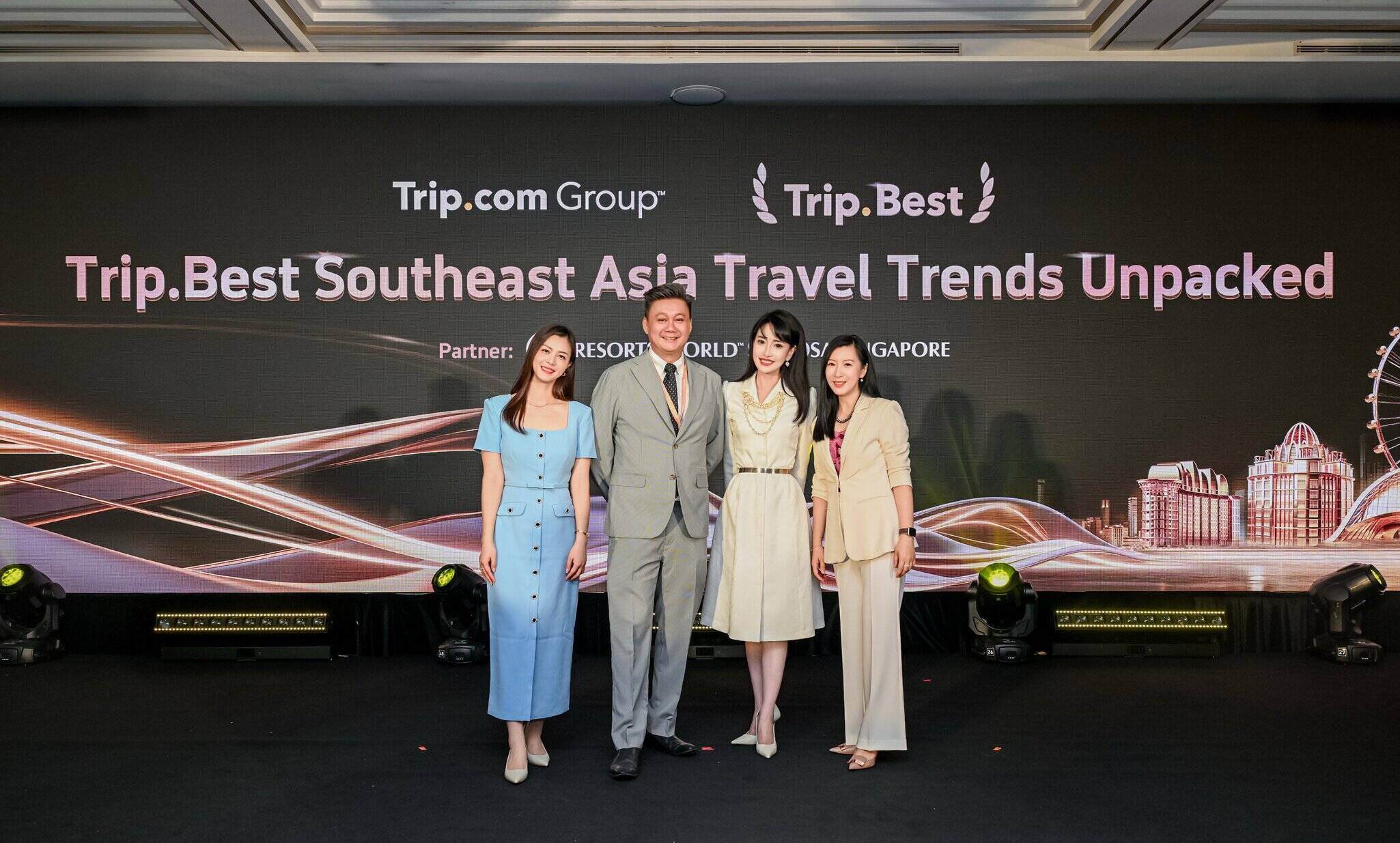
Trip.com Group, a leading global travel service provider, recently hosted its inaugural Trip.Best Roadshow: Southeast Asia Travel Trends Unpacked in Singapore, offering fresh insights into evolving travel behaviors across the region. Drawing on comprehensive data from Trip.Best, the company’s AI- and expert-driven collection of curated travel recommendations, the event highlighted emerging destinations, shifting traveller preferences, and key trends shaping regional travel demand. Southeast Asian travellers are increasingly drawn to East Asian cities such as Shanghai, Hong Kong, Tokyo, and Seoul, with experiential travel gaining prominence—searches for activities grew 808% year-on-year, while interest in “cool escape attractions” surged by an astonishing 1,941% year-on-year. China’s emerging cities, particularly Chongqing, are also seeing a spike in popularity, attracting Malaysian travellers with its futuristic architecture, scenic landscapes, historical sites, and rich culinary offerings, recording a 448% increase in Trip.Best views and a 599% rise in bookings.
For Malaysia, Trip.Best data indicates the country remains a top destination for both domestic and regional travellers, especially as it prepares for Visit Malaysia Year 2026. Domestic tourism grew 28% year-on-year, with Kuala Lumpur, Sabah, Penang, Johor, and Sarawak emerging as favourite destinations. Family-oriented travel is on the rise, reflected in over 35% growth in searches for “family activities” and a 28% increase in weekend hotel bookings featuring children-friendly amenities. Aesthetic appeal also plays a key role in traveller choices, with family-friendly hotels leading the preferences, followed by scenic and Instagrammable accommodations. Notably, Malaysians make faster travel decisions, spending just four days researching before booking, compared to the Southeast Asian average of six days.

Edmund Ong, Senior Regional Director for Southeast Asia at Trip.com, noted that travellers across the region are becoming increasingly experience-driven, seeking authentic and immersive journeys. Among Malaysians, short getaways are increasingly seen as an opportunity to reconnect with family, positioning Malaysia as a key growth market for Trip.com ahead of Visit Malaysia Year 2026. Trip.com continues to enhance its AI-powered tools, offering real-time, data-backed guidance through Trip.Best to help users discover top hotels, attractions, and eateries. Sunny Sun, Vice President of Trip.com Group, highlighted a 40% year-on-year increase in Net Promoter Scores in Malaysia and Singapore, attributing it to the combination of technology and human insights that simplify travel planning and inspire travellers to explore with confidence.
This event underscores the dynamic shifts in travel behavior in Southeast Asia, emphasizing experiential travel, regional exploration, and family-centric experiences, while positioning Trip.com as a key player in guiding travellers through reliable, real-time, and personalized recommendations.