Category: Industry & Manufacturing

  • Nippon Paint and CIDB Host Industry Workshop on Flooring Readiness for Malaysia’s Next-Generation Industries

    Nippon Paint and CIDB Host Industry Workshop on Flooring Readiness for Malaysia’s Next-Generation Industries

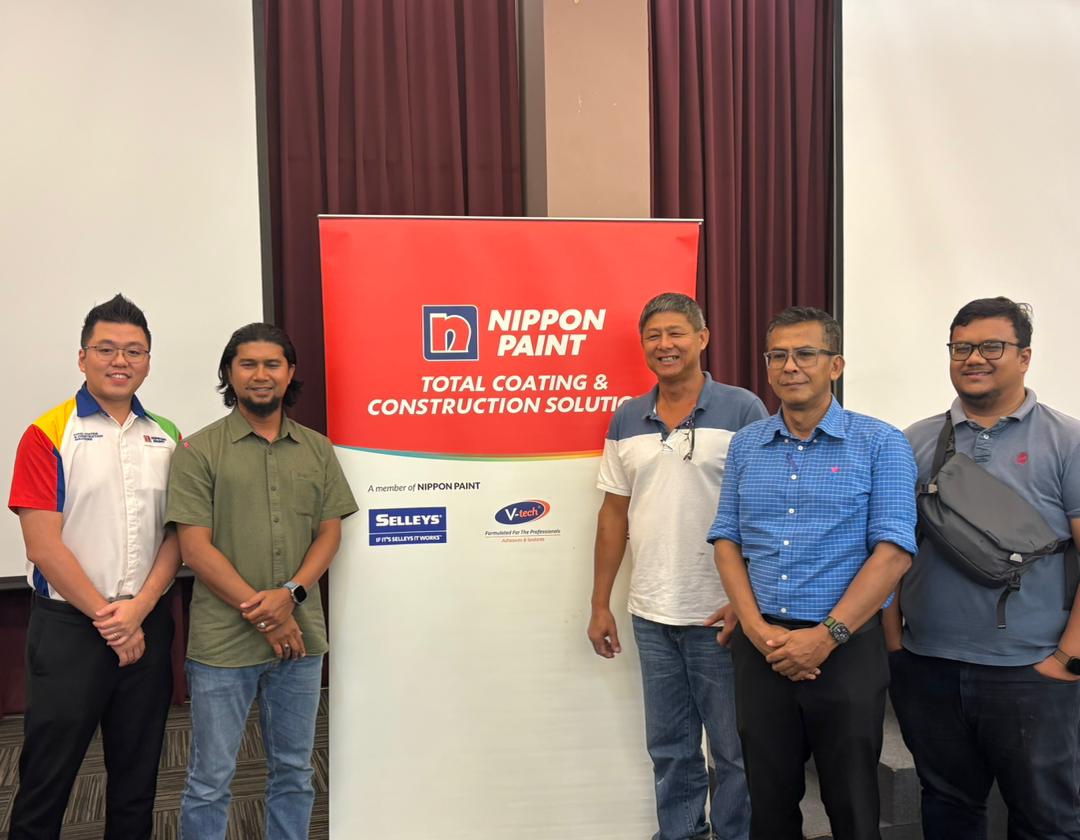
    Nippon Paint Malaysia, in collaboration with the Construction Industry Development Board (CIDB), recently organised an industry workshop that brought together contractors and key industry players to address an emerging concern in Malaysia’s built environment: whether current flooring standards and workmanship are sufficiently prepared to meet the demands of next-generation industries.

    As Malaysia advances its ambition to become a regional hub for data centres, advanced manufacturing, and other high-value sectors, industrial flooring is increasingly coming into sharper focus. Once regarded as a secondary finishing element, flooring is now recognised as a critical component in ensuring operational reliability, safety, and long-term cost efficiency.

    In specialised environments such as data centres, food production facilities, and precision manufacturing plants, flooring systems are required to perform far beyond standard foot traffic. These environments demand resistance to electrostatic discharge, chemical exposure, heavy load-bearing conditions, and strict hygiene requirements. However, discussions during the workshop highlighted a widening gap between evolving industrial requirements and current on-the-ground practices.

    General Manager of Nippon Paint Malaysia, Tay Sze Tuck, said Malaysia is experiencing rapid growth across industries with increasingly specialised infrastructure needs. However, he noted that flooring is still often underestimated during both planning and execution stages. He explained that when flooring systems are not designed for their intended purpose, it can lead to operational disruptions, safety risks, and premature system failures.
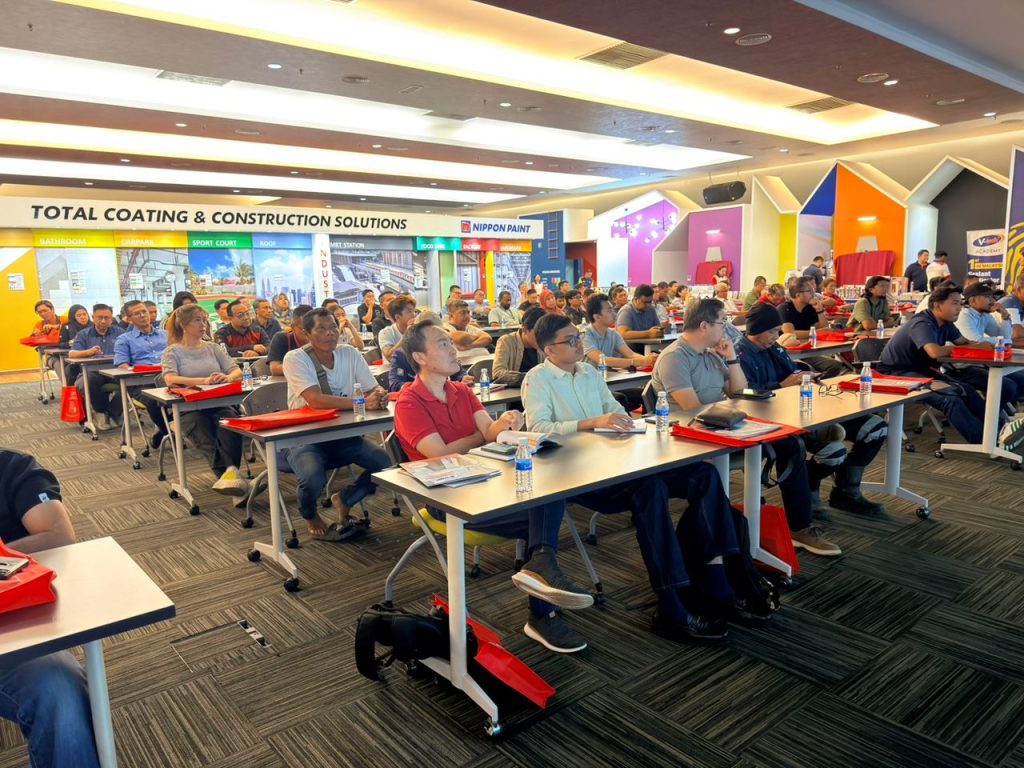
    Contractors participating in the workshop also shared their on-the-ground experiences, highlighting both the challenges faced in current projects and the importance of practical, hands-on learning in addressing knowledge gaps.

    One participant noted that access to materials and equipment is no longer the main constraint in the industry. Instead, the key challenge lies in workmanship and the lack of a dedicated platform for contractors to consistently build technical knowledge in industrial flooring. The participant added that without proper skills and application, even high-quality systems may fail, making initiatives such as this workshop essential in equipping contractors with the knowledge and confidence needed to achieve better project outcomes.

    Another participant highlighted that flooring requirements often evolve over time, particularly when facilities expand or operational needs change. In some cases, the flooring system initially specified may no longer align with how the space is ultimately used. This often occurs when the appropriate flooring solution is not selected for the right application from the beginning, leading to potential issues later on. The participant emphasised the importance of stronger communication among stakeholders, noting that workshops like this help encourage forward planning and earlier discussions on future operational needs.
    Electrostatic discharge (ESD), for instance, presents a significant risk in data centre environments, where even minor disruptions can affect sensitive equipment and operational uptime. Similarly, in food-grade facilities, unsuitable flooring systems can result in contamination risks and regulatory non-compliance, leading to both financial and reputational consequences.

    As these sectors continue to grow, the need for stronger technical expertise and fit-for-purpose flooring solutions across the contractor ecosystem is becoming increasingly urgent.

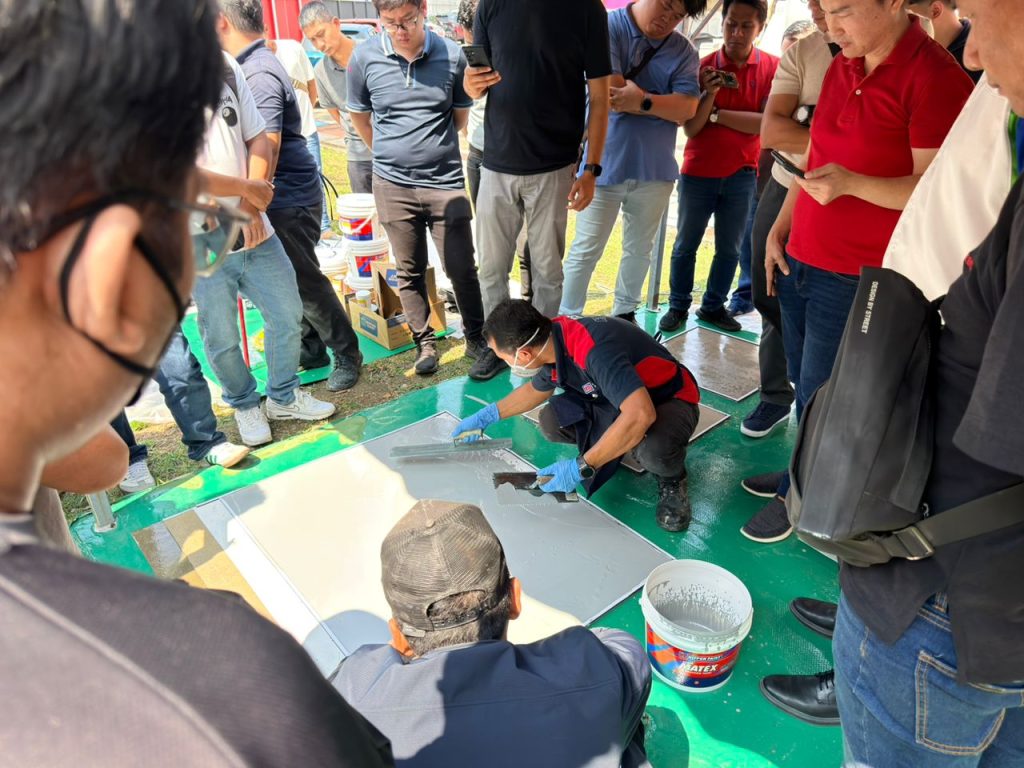
    Held at Nippon Paint’s R&D Centre in Shah Alam, the workshop aimed to provide contractors with practical insights into common flooring challenges, system selection, and application techniques tailored for modern industrial environments. Participants also gained hands-on experience through live demonstrations of specialised industrial-grade flooring systems designed for high-performance applications.

    “This is about preparing the industry for what comes next,” said Tay. “If Malaysia is to remain competitive in attracting high-value investments, every component of our infrastructure, including what lies beneath, must meet global standards.”

    The collaboration reflects a broader industry effort to enhance construction quality, reduce long-term maintenance costs, and ensure that foundational systems are aligned with the evolving needs of future-focused industries. As Malaysia continues to expand its industrial and digital economy, addressing these gaps early will be crucial in building infrastructure that is not only functional, but also future-ready.

    For more information about Nippon Paint and Total Coating & Construction Solutions (TCCS), please visit www.professional.nipponpaint.com.my.
  • Intelligent Manufacturing Showcase Highlights Future-Ready Semiconductor Innovation at SEMICON Southeast Asia 2026

    As Southeast Asia reaches a critical inflection point in the global semiconductor industry, the Intelligent Manufacturing Showcase at SEMICON Southeast Asia 2026 will demonstrate how artificial intelligence, automation and digital solutions are reshaping semiconductor manufacturing. Powered by Sandisk and SEMI, the showcase presents intelligent manufacturing within a high-volume fabrication environment.

    Conceived as an immersive, guided experience rather than a static exhibition, the showcase takes visitors on a structured journey through the application of smart manufacturing in a high-value semiconductor fabrication setting. Through this curated walkthrough, attendees will gain insight into how automation, artificial intelligence and digital technologies are transforming manufacturing processes by enhancing decision-making, improving responsiveness and optimising overall operations in advanced production environments.

    The experience unfolds across multiple stations, illustrating the progression toward a fully intelligent, AI-enabled factory. Visitors will see how digital tools provide real-time visibility and enable faster operational decisions, support more efficient workflows and facilitate predictive and assisted troubleshooting to drive continuous improvement. These elements work together to translate complex concepts into practical, real-world applications that reflect the operations of modern semiconductor facilities.

    The showcase also highlights key technology areas shaping the future of manufacturing. Smart automation enables connected systems that reduce manual intervention and improve efficiency, while AI-enabled manufacturing positions artificial intelligence as an operations co-pilot that supports recommendations, detects anomalies and accelerates response times. This is reinforced by the digitalisation of production data, where structured data capture and automated processes generate reliable, high-quality inputs for analytics and AI-driven insights. In addition, the showcase underscores the importance of human and digital collaboration, demonstrating how intelligent tools are designed to enhance the capabilities of engineers and operators rather than replace them. Together, these pillars reflect a cohesive approach to building more responsive, data-driven and resilient manufacturing environments.

    Linda Tan, President of SEMI Southeast Asia, said the semiconductor industry is entering a defining phase where no single company or market can innovate in isolation. She noted that the “Transform Tomorrow” theme at SEMICON Southeast Asia 2026 reflects a shared commitment to turning collective ambition into tangible impact, with the Intelligent Manufacturing Showcase developed in collaboration with Sandisk offering a firsthand view of how AI-driven manufacturing is shaping the factories of the future.

    Peng Koon Hew, Senior Director of Automation Development Engineering at Sandisk, added that manufacturing excellence today is defined by how effectively organisations integrate human expertise with AI-driven insights and automated systems. He explained that this balance enables teams to make faster and more informed decisions, respond to variability with confidence and manage complexity while maintaining control on the factory floor.

    SEMICON Southeast Asia 2026 will take place from 5 to 7 May at MiTEC, Kuala Lumpur, bringing together global and regional stakeholders to shape the next era of electronics manufacturing. Beyond discussions, the event is positioned as a platform for action where ideas are translated into real-world applications, with the Intelligent Manufacturing Showcase exemplifying this shift by demonstrating how transformation is already taking place across the industry.

    Registration for the Intelligent Manufacturing Showcase is now open, offering attendees an opportunity to experience smart manufacturing in action on the second day of SEMICON Southeast Asia 2026. The showcase forms part of the wider event, where industry leaders will gather to explore the future of the semiconductor ecosystem throughout the three-day programme. For more information, please visit the SEMICON Southeast Asia 2026 website.

  • Shah Alam Becomes Regional Nexus for Atlas Copco Group’s Southeast Asian Operations and Shared Services

    Shah Alam Becomes Regional Nexus for Atlas Copco Group’s Southeast Asian Operations and Shared Services

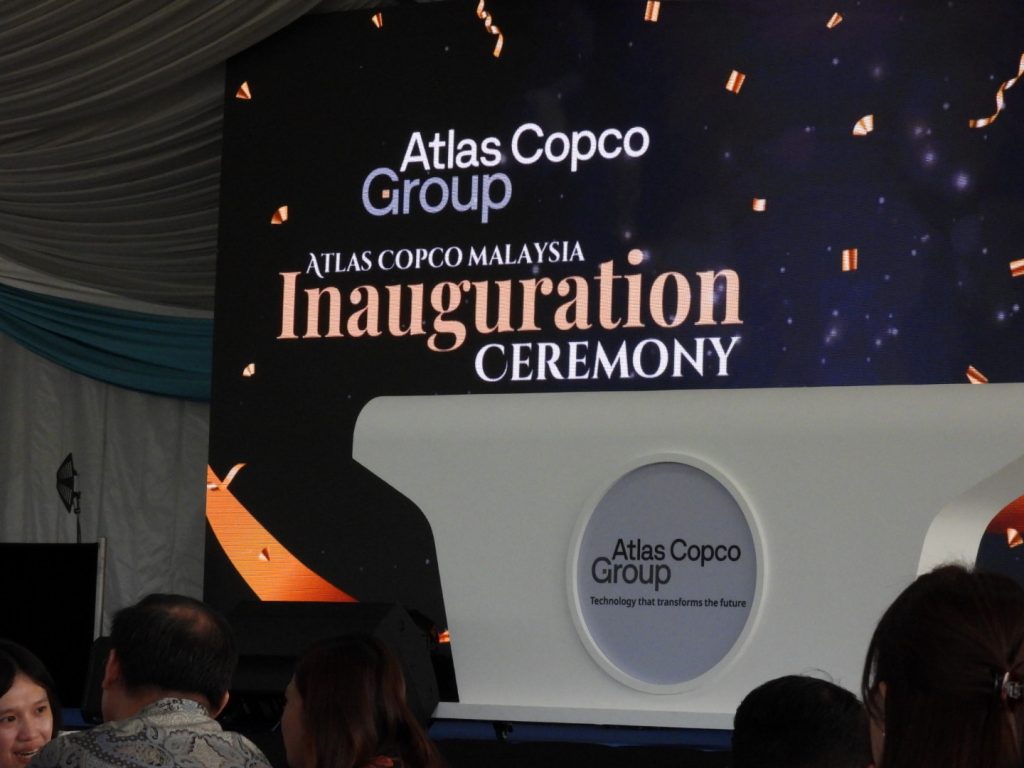
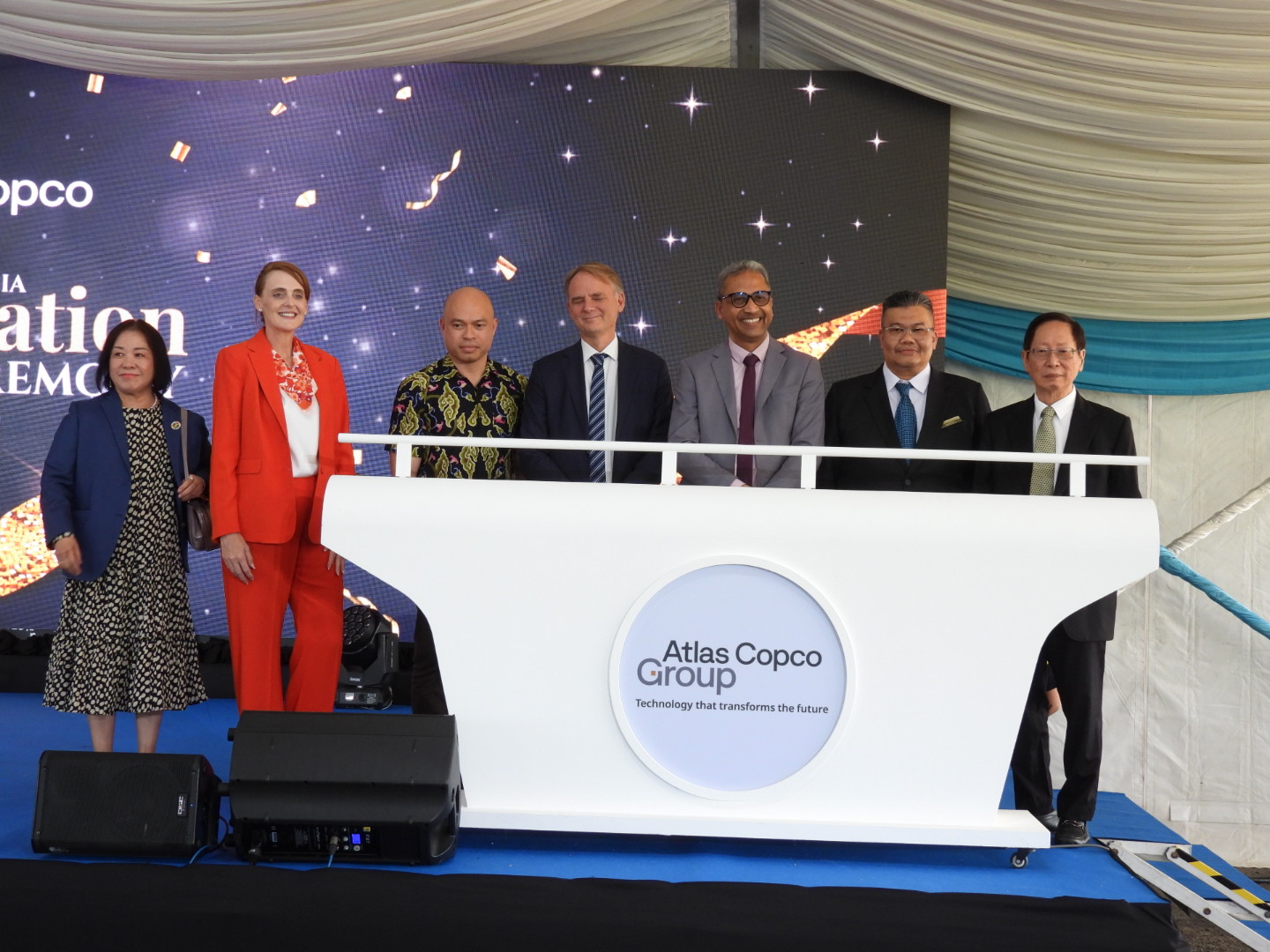
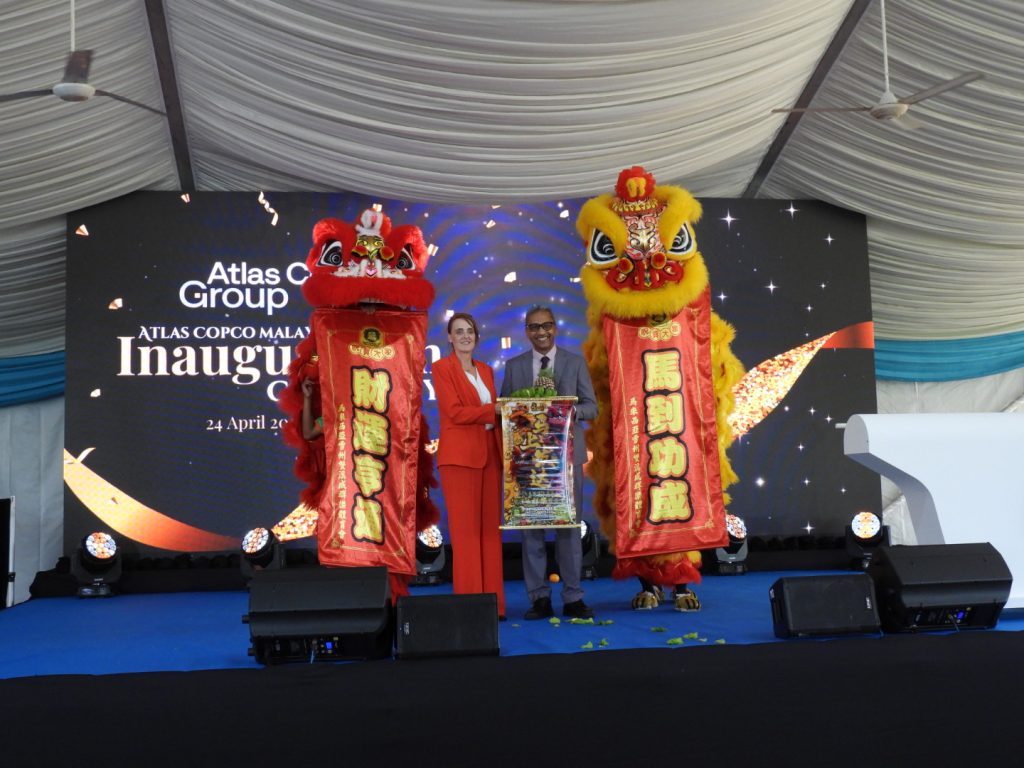
    Atlas Copco Group has formally inaugurated its new integrated headquarters and regional hub in Alam Impian, Shah Alam, representing a strategic expansion of its operational capabilities within Malaysia and the broader Southeast Asian corridor. This state-of-the-art, 120,000-square-foot facility is the result of an eight-figure investment, reaffirming the Group’s enduring commitment to the Malaysian industrial landscape since its inception in the country in 1982.

    Strategically situated within Selangor’s primary manufacturing belt, the three-acre complex serves as a centralized coordination point for the Group’s domestic operations in Kuantan, Penang, and Johor. Beyond its domestic functions, the facility acts as a regional nexus, housing a shared finance services center that provides critical support to multiple international markets. This consolidation is designed to optimize operational logistics, enhance service delivery, and facilitate seamless regional integration.

    The opening ceremony was officiated in the presence of key stakeholders from the Malaysian Investment Development Authority (MIDA) and the diplomatic community. Encik Sherulanuar Abd. Karim, MIDA Selangor Director, noted that the investment aligns with Malaysia’s objective to position itself as a preferred destination for advanced industrial services and regional headquarters. H.E. Mr. Niklas Wiberg, Ambassador of Sweden to Malaysia, further emphasized the facility as a symbol of the robust bilateral innovation and sustainability partnership between the two nations.

    Aligned with the New Industrial Master Plan 2030 (NIMP 2030), the hub is set to play a pivotal role in national talent cultivation. Currently supporting a workforce of 273 personnel, Atlas Copco Group has outlined a roadmap to generate approximately 80 to 100 high-value professional roles over the next five years. By incorporating modern ESG-compliant infrastructure and leveraging superior connectivity to Port Klang and major transit lines, the facility is engineered to sustain long-term industrial productivity and support Malaysia’s transition toward a high-income, knowledge-based economy.