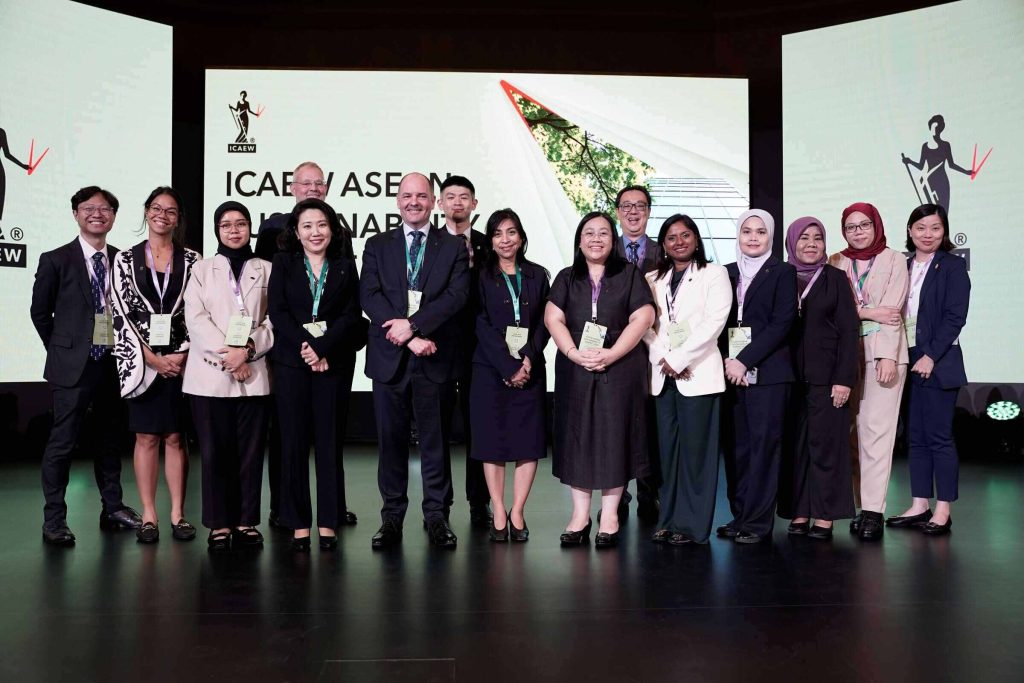
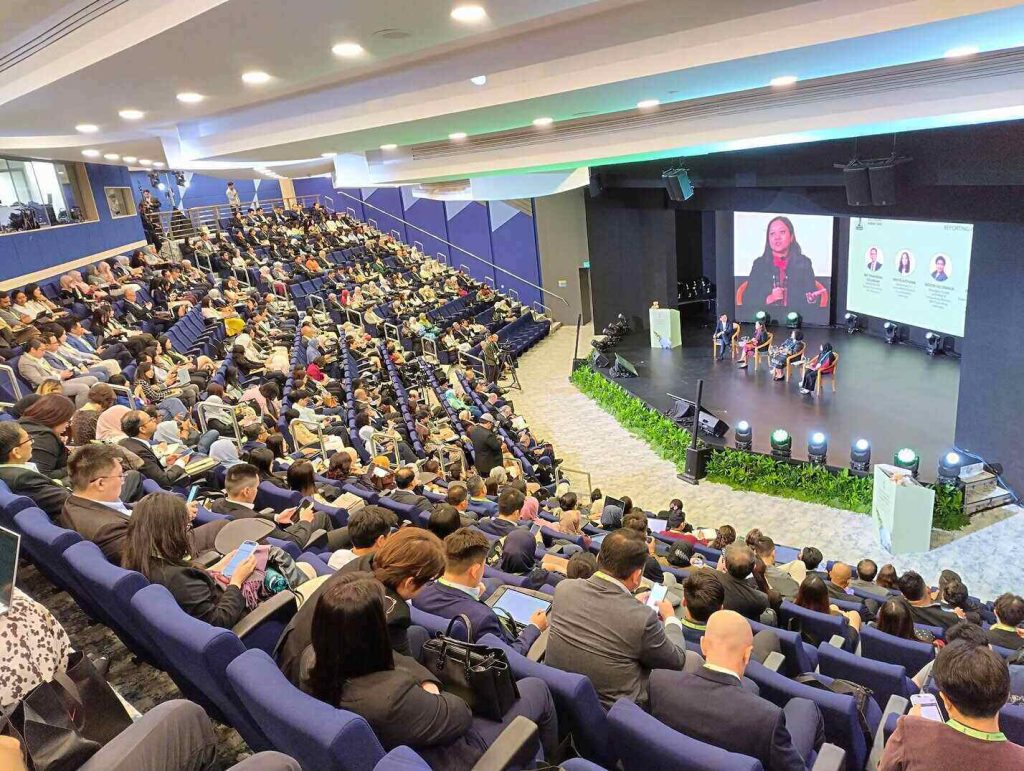
ASEAN’s journey toward a sustainable, net-zero future took a decisive step forward at the inaugural ICAEW ASEAN Sustainability Summit 2025, held at the Securities Commission Malaysia. Bringing together policymakers, regulators, and finance leaders, the one-day hybrid summit — themed “ASEAN Rising: The Net Zero Playbook” — gathered more than 600 in-person delegates and 500 virtual participants from around the world to transform sustainability commitments into actionable strategies that balance growth, inclusivity, and accountability.
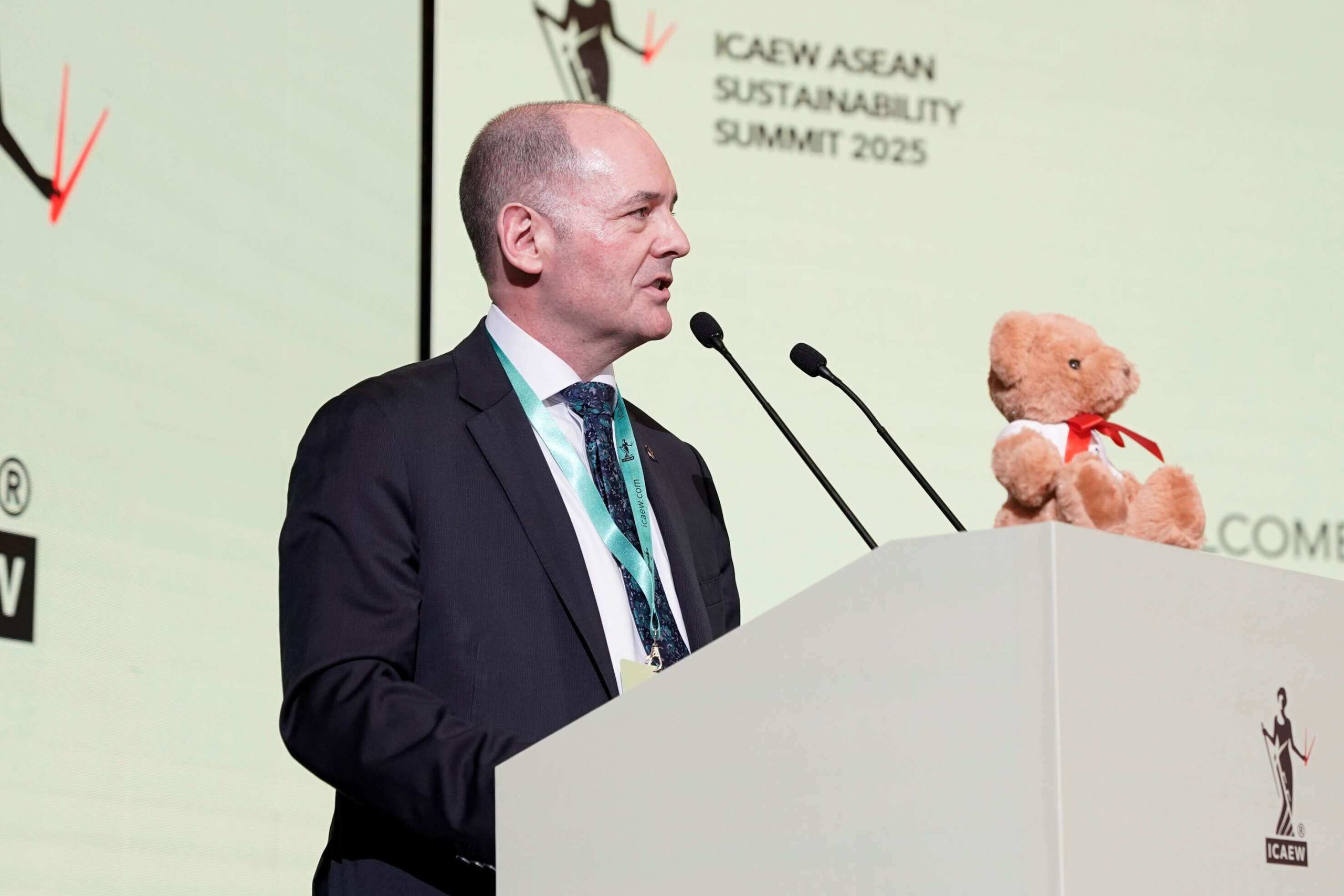
Alan Vallance, Chief Executive of ICAEW, opened the Summit by emphasizing the pivotal role of the accountancy profession in driving ethical and transparent sustainability transformation. “Achieving a just and inclusive transition to net zero will require collaboration across borders, sectors, and generations,” he said. Vallance noted that accountants and finance professionals are uniquely positioned as “trusted stewards of both financial and non-financial information,” whose insights can influence ethical decisions and long-term value creation for people, business, and the planet. He highlighted ICAEW’s ongoing collaborations with the Securities Commission Malaysia and the ASEAN Capital Markets Forum in implementing the IFRS Sustainability Disclosure Standards (S1 and S2) — a milestone in developing a unified regional framework for sustainability reporting and assurance.
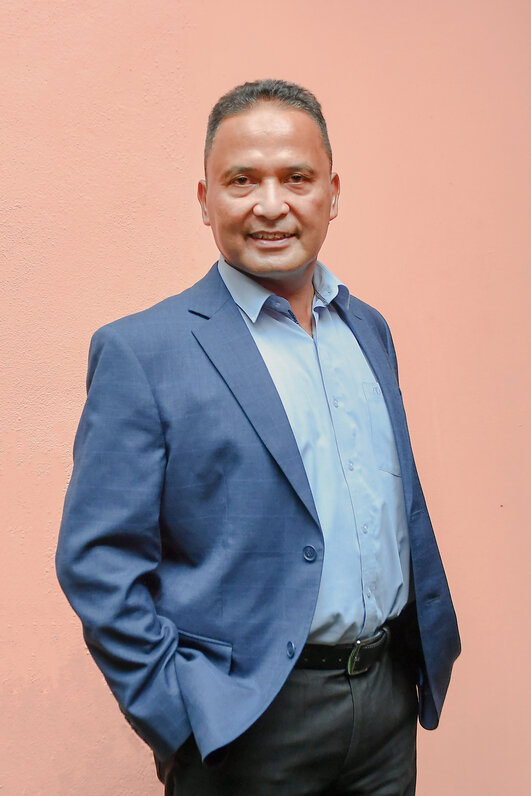
In his keynote address, Datuk Johan Mahmood Merican, Secretary General of Treasury at Malaysia’s Ministry of Finance, represented by Dato’ Faiz Azmi, Executive Chairman of the Securities Commission Malaysia, reaffirmed the country’s strong commitment to sustainability as the foundation of the Madani Economy Framework. “For Malaysia, sustainability is not a separate policy pillar but the foundation of our economic strategy,” he stated. Through initiatives such as fiscal reforms, carbon pricing, and green budgeting, Malaysia aims to align innovation, investment, and inclusivity toward long-term resilience. The nation remains steadfast in achieving net-zero carbon emissions by 2050, supported by the National Energy Transition Roadmap, a forthcoming Climate Change Bill, and the planned carbon tax for emission-intensive industries.
The Summit also underscored ASEAN’s dual opportunity — sustainability as both an environmental necessity and an economic growth engine. Speakers highlighted that harmonising sustainability standards, mobilising regional capital, and strengthening collaboration will position ASEAN as a competitive and credible player in the global value chain.
Elaine Hong, ICAEW Director for Southeast Asia, described the event as a milestone in connecting ASEAN’s sustainability priorities with global standards. “Southeast Asia is at the crossroads of sustainability transformation,” she said. “Our transition to net zero cannot happen in silos — it demands alignment, trust, and shared purpose.” Hong further highlighted ICAEW’s Sustainability Accelerator Programme and Sustainability and Climate Change Community, which aim to build regional capacity in carbon accounting, sustainability assurance, and scenario planning — helping professionals across ASEAN develop the expertise to lead the transition effectively.
The Summit featured five thematic sessions with experts from PETRONAS, HSBC Malaysia, KPMG, PwC, Deloitte, City Developments Limited Singapore, Olam Agri, the Malaysian Institute of Accountants, and the University of Oxford. Topics ranged from Ethics and Sustainability to Green Financing, Climate Scenario Analysis, and The Evolving Role of Finance in Value Creation. The Student–Practitioner Debate and the COFAR (Coastal Flooding Adaptation and Resilience) Challenge, co-hosted by ICAEW and the Securities Commission, showcased the role of youth and innovation in advancing climate resilience.
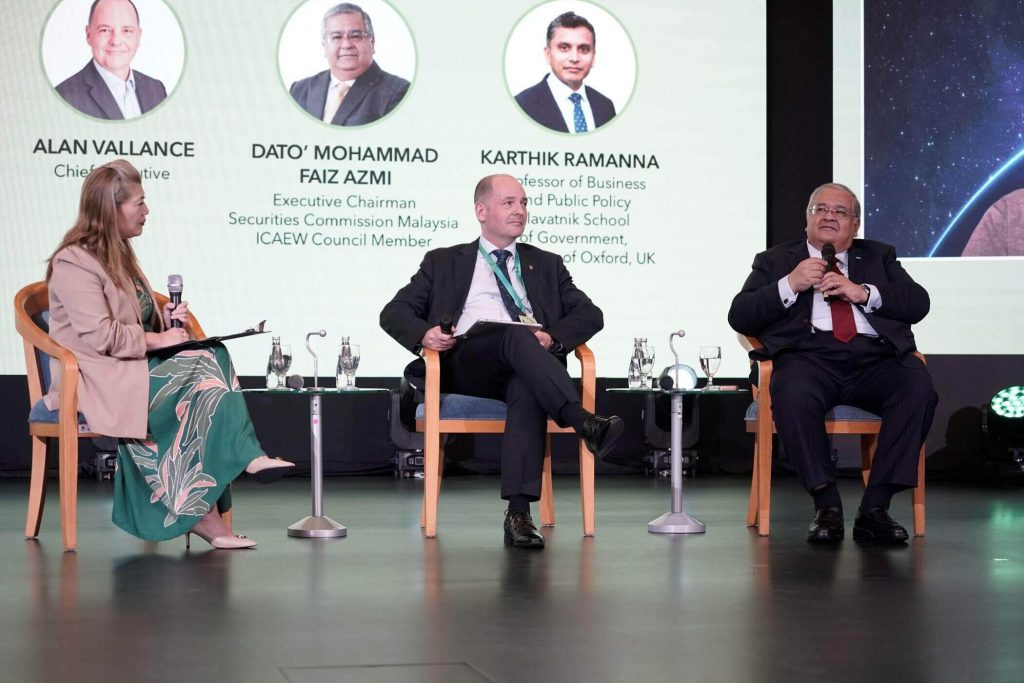
As the event concluded, participants and speakers — including Jean Bouquot, President of the International Federation of Accountants (IFAC) — jointly called for ethics, data quality, and transparency to remain at the heart of ASEAN’s sustainability frameworks. The consensus was clear: strong governance, consistent disclosure, and capacity building are vital to unlocking sustainable finance and long-term regional resilience.
Summarising the summit’s spirit, Vallance reaffirmed ICAEW’s commitment to ASEAN’s sustainability journey. “ICAEW stands ready as a trusted partner in shaping ethical, transparent, and impactful responses to sustainability challenges,” he said. “Together with governments, regulators, and business, we can advance a collective net-zero agenda for ASEAN and beyond.”