The Padang Kawad at Universiti Sains Malaysia (USM) came alive on 17 May 2026 as approximately 2,500 participants gathered for the Him and Her Health Run 2026 Penang edition, organised by Yayasan MR D.I.Y. The community-focused run brought together participants of all ages in a vibrant atmosphere aimed at promoting healthier lifestyles while raising awareness and support for cancer and heart disease patients.
The initiative also carried a strong charitable mission, with proceeds from the event channelled towards assisting underprivileged individuals in need of medical treatment and healthcare support. This reflects the broader commitment of the organisers and partners in contributing to meaningful social impact through community-driven activities.
Madam Tan Lean Kee (fourth from the left), joined participants in the lively atmosphere of the community run.
The event was officiated by Madam Tan Lean Kee, Chairperson of Pertubuhan Wanita Mutiara Pulau Pinang and spouse of the Penang Chief Minister, who also joined participants in flagging off the run. Her presence highlighted the importance of public-private collaboration in encouraging active lifestyles and community wellness initiatives across the state.
Beyond the running segment, participants were treated to engaging activities such as a lively Zumba warm-up session and various interactive programmes held throughout the event grounds. These activities added to the energetic atmosphere while reinforcing the event’s objective of encouraging fitness, wellness and community bonding among participants.
Sweat, smiles and shared laughter filled the air at the Him and Her Health Run 2026 Penang.Interactive booths kept participants engaged and entertained during the event.
The success of the Penang edition was made possible through strong collaboration with various partners, including Creador Foundation, Kumon Education Malaysia, Shin Yang Shipping, Jemco Manufacturing, Alliance Integrity Trading, Hui Long Lighting, Qube Apps Solutions and several other supporting organisations that contributed to the initiative’s overall impact.
Following the positive response in Penang, the Him and Her Health Run 2026 will continue its nationwide journey, with upcoming editions scheduled in Kuching on 19 July 2026 and Kuala Lumpur on 18 October 2026. The series forms part of a broader nationwide fundraising and community engagement effort aimed at promoting health awareness across Malaysia.
Participants of all ages came together to celebrate health and movement at the run.
For those interested in participating, registration remains open via the official MR D.I.Y. website, allowing the public to join this meaningful movement that combines fitness, charity and community spirit.
High blood pressure often does not present immediate warning signs and is frequently perceived as just a number on a screen. However, if left untreated, it can quietly place continuous strain on the heart and blood vessels, significantly increasing the risk of serious and long-term cardiovascular complications.
In Malaysia, nearly one in three adults is affected by hypertension, yet many remain unaware of their condition. Often described as a “silent killer,” it typically begins with vague symptoms while hidden damage gradually accumulates over time. In conjunction with World Hypertension Day, Consultant Cardiologist and Electrophysiologist at Sunway Medical Centre, Sunway City (SMC), Dr Gary Lee Chin Keong, highlights the importance of understanding high blood pressure, recognising its symptoms, and being aware of key health numbers to protect heart health.
The heart and blood vessels function as a continuous circulatory system, with the heart acting as a pump and the vessels serving as a network of pathways. When blood pressure remains elevated over time, the heart is forced to work harder to circulate blood throughout the body. According to Dr Gary, the heart initially adapts by becoming thicker and stronger, but this adaptation is not beneficial in the long term. The ongoing strain eventually causes the heart muscle to stiffen, reducing its ability to fill and pump efficiently.
One of the earliest manifestations of this process is left ventricular hypertrophy (LVH), a thickening of the heart’s main pumping chamber. As the muscle wall thickens, the chamber has less space to fill with blood, and the heart may struggle to receive sufficient oxygen. Over time, it becomes stiffer, less flexible, and more vulnerable to failure. LVH is particularly concerning because it can develop long before any symptoms appear and is often only detected through tests such as an echocardiogram, which reveals structural changes in the heart.
Many individuals with hypertension remain unaware of underlying heart damage because they feel completely well even as critical changes occur within the heart. Symptoms such as chest pain, shortness of breath, palpitations, dizziness, or fainting are often mistaken for stress, fatigue, or indigestion. By the time these symptoms become more obvious, complications may already be advanced. This is why regular health screening is essential, even in the absence of symptoms, as long-term high blood pressure increases the risk of heart failure, stroke, heart attack, kidney disease, and abnormal heart rhythms.
woman patient suffering from heart attack
Dr Gary also highlights the link between hypertension and atrial fibrillation, an irregular heart rhythm that can disrupt normal blood flow and increase the risk of blood clot formation, potentially leading to stroke. He explains that hypertension does not only affect the heart but also has wide-ranging effects on the brain, kidneys, and blood vessels throughout the body. Stroke remains one of the leading causes of death in Malaysia, making early detection and prevention critically important.
He further notes a concerning trend of increasing hypertension and heart disease among younger Malaysians. Previously considered a condition affecting older adults, hypertension is now being diagnosed more frequently in individuals in their 20s and 30s. Modern lifestyle factors such as long working hours, chronic stress, insufficient sleep, lack of physical activity, smoking, excessive salt intake, and high consumption of processed foods are major contributors. Obesity and diabetes further increase the risk, creating what Dr Gary describes as a “dangerous cluster” of cardiovascular risk factors. As a result, complications are appearing earlier and persisting for longer periods.
The good news, however, is that early detection can significantly improve outcomes. Dr Gary encourages Malaysians to begin monitoring their health numbers as early as their 20s, including blood pressure, cholesterol, blood sugar, and body weight. Depending on individual risk profiles, doctors may also recommend further tests such as ECG, echocardiography, stress tests, or CT cardiac scans. When hypertension is detected early and managed appropriately, changes to the heart may be slowed and, in some cases, partially reversed or improved over time.
Management typically involves a combination of medication, dietary modifications, regular exercise, weight control, smoking cessation, stress management, and consistent follow-up care. Dr Gary also emphasises that patients should not stop their medication without first consulting their treating doctor.
He concludes with a simple but powerful message: know your numbers and take action. Early detection and timely intervention remain the most effective ways to protect heart health and reduce the risks associated with high blood pressure.
KPJ Healthcare Berhad dan Novo Nordisk Malaysia hari ini memeterai kerjasama strategik melalui Memorandum Persefahaman (MoU) bagi memperkukuh penjagaan berstruktur berasaskan hospital di Malaysia. Inisiatif ini dilaksanakan selaras dengan peningkatan permintaan terhadap sokongan yang lebih selamat, terselaras dan dipantau secara perubatan untuk individu yang mengalami obesiti serta keadaan metabolik berkaitan. Kerjasama ini akan menyokong pembangunan Program Pengurusan Metabolik dan Berat Badan KPJ, iaitu model penjagaan berasaskan hospital yang menyediakan rawatan berstruktur, dipimpin oleh pakar serta mengaplikasikan pendekatan multidisiplin dalam persekitaran penjagaan kesihatan yang terkawal.
Kerjasama ini dilaksanakan ketika Malaysia terus berdepan beban kesihatan obesiti dan metabolik yang ketara. Data saringan terkini Kementerian Kesihatan menunjukkan seorang daripada dua orang dewasa di Malaysia mempunyai berat badan berlebihan daripada 1.2 juta individu yang disaring, sekali gus mencerminkan skala dan keperluan mendesak untuk menangani isu ini. Selain itu, sebanyak 15.6 peratus orang dewasa, iaitu kira-kira satu daripada enam, hidup dengan diabetes, dengan ramai yang masih tidak menyedari keadaan tersebut. Obesiti juga dianggarkan menelan kos melebihi RM64 bilion setahun melalui perbelanjaan kesihatan, kehilangan produktiviti dan kematian pramatang.
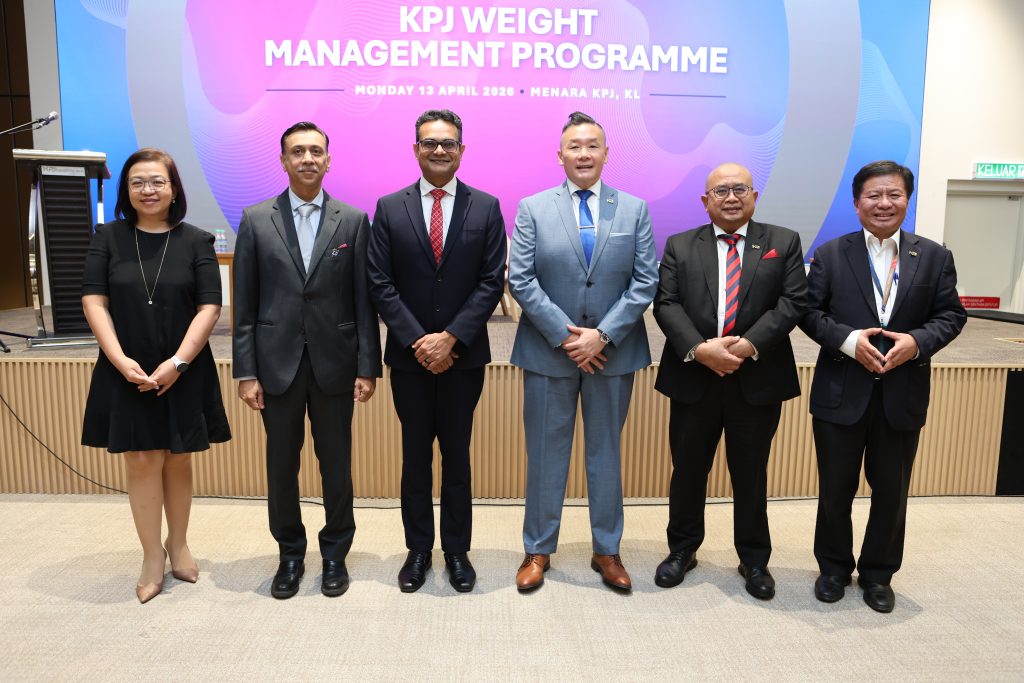
[Dari Kiri ke Kanan] Puan Patricia Tan, Pengarah Pemasaran Bersekutu Novo Nordisk Pharma (M) Sdn Bhd (“Novo Nordisk), Encik Ahmad Rizal Che Wan, Pengarah Kewangan & Operasi Bersekutu Novo Nordisk, Dr Praful Chakkarwar, Pengurus Besar Novo Nordisk, Encik Chin Keat Chyuan, Presiden dan Pengarah Urusan KPJ Healthcare, Dato’ Mohd Farid Salim, Ketua Pegawai Operasi (Operasi Hospital) KPJ Healthcare dan Profesor Dato’ Dr Hanafiah Harunarashid, Ketua Pegawai Perubatan KPJ Healthcare mengambil gambar kenangan selepas majlis pelancaran Program Pengurusan Berat Badan KPJ.
Di bawah kerjasama ini, kedua-dua pihak akan menyokong pembangunan laluan penjagaan yang lebih komprehensif dengan menggabungkan rundingan pakar, sokongan dietetik, panduan gaya hidup serta terapi perubatan yang bersesuaian secara klinikal. Pada fasa pertama, program ini dijangka diperkenalkan di 10 hospital KPJ, iaitu Ampang Puteri Specialist Hospital, Damansara Specialist Hospital, Damansara 2 Specialist Hospital, Ipoh Specialist Hospital, Johor Specialist Hospital, KPJ Klang Specialist Hospital, KPJ Penang Specialist Hospital, KPJ Selangor Specialist Hospital, Kuching Specialist Hospital dan Tawakkal Specialist Hospital, dengan pelaksanaan diperluas secara berperingkat dalam tempoh 12 bulan. Pesakit dijangka boleh mengakses program ini melalui laluan saringan kesihatan hospital serta rujukan dalaman.
Program ini akan mengintegrasikan saringan kesihatan bersama profesional kesihatan sekutu merangkumi bidang endokrinologi, perubatan dalaman, pembedahan bariatrik, psikologi, fisioterapi, rehabilitasi, dietetik dan farmasi di bawah satu model penjagaan yang lebih tersusun. Penjagaan pesakit dalam laluan ini melibatkan penilaian awal, saringan komposisi badan, penilaian risiko metabolik, perancangan rawatan yang diperibadikan, kaunseling tingkah laku serta susulan berkala, dengan tempoh penjagaan lazim sehingga enam bulan bergantung kepada keperluan klinikal individu.
Encik Chin Keat Chyuan, Presiden dan Pengarah Urusan KPJ Healthcare semasa berucap di majlis pelancaran Program Pengurusan Berat Badan KPJ.
Presiden dan Pengarah Urusan KPJ Healthcare Berhad, Chin Keat Chyuan, berkata obesiti merupakan penyakit kronik yang kompleks dan berkait rapat dengan pelbagai penyakit metabolik serta tidak berjangkit lain, justeru memerlukan pengurusan jangka panjang yang terselaras. Beliau menjelaskan bahawa kerjasama ini memperkukuh pendekatan penjagaan yang lebih berstruktur dan bersepadu di seluruh hospital KPJ, selaras dengan KPJ Health System yang menggabungkan kepakaran klinikal, sokongan kesihatan bersekutu serta intervensi berasaskan bukti dalam model penjagaan yang konsisten. Menurut beliau, usaha ini mencerminkan komitmen berterusan KPJ dalam menyediakan penjagaan berpusatkan pesakit yang mudah diakses, lestari dan berfokuskan hasil. Selain penjagaan pesakit, kerjasama ini turut meneroka aspek pendidikan klinikal serta komunikasi bertanggungjawab berkaitan pengurusan obesiti, termasuk penggunaan terapi berasaskan GLP-1 dalam persekitaran penjagaan kesihatan terkawal, yang dijangka merangkumi sesi Pendidikan Perubatan Berterusan dan kandungan pendidikan di media sosial. Fasa pertama dijangka melibatkan 10 hospital KPJ dan 19 pakar endokrinologi perunding.
Pengurus Besar Novo Nordisk Malaysia, Praful Chakkarwar, berkata obesiti merupakan penyakit kronik yang memerlukan pengurusan jangka panjang berasaskan bukti. Seiring dengan peningkatan kesedaran di Malaysia, beliau menegaskan kepentingan memastikan pesakit disokong melalui laluan penjagaan yang dipantau secara perubatan dengan kepakaran klinikal yang tepat serta susulan berterusan. Beliau turut menyatakan bahawa kerjasama ini diharap dapat menyumbang kepada penjagaan menyeluruh bagi individu yang mengalami obesiti, yang lazimnya melibatkan pelbagai keadaan kesihatan yang saling bertindih, serta mengiktiraf KPJ Healthcare sebagai rakan strategik yang signifikan dalam usaha tersebut.
Encik Praful Chakkarwar, Pengurus Besar Novo Nordisk semasa berucap mengenai Novo Nordisk di majlis pelancaran Program Pengurusan Berat Badan KPJ.
Kerjasama ini juga bertujuan meningkatkan kesedaran mengenai obesiti sebagai penyakit kronik yang boleh dirawat dalam kalangan pesakit, majikan dan masyarakat umum. Dalam beberapa tahun kebelakangan ini, pakar klinikal dan kesihatan di Malaysia semakin menekankan bahawa obesiti perlu diuruskan melalui pendekatan penjagaan jangka panjang yang menyeluruh, bukannya sekadar intervensi jangka pendek atau sementara. Dengan menggabungkan kepakaran klinikal, sokongan berstruktur serta pendidikan yang bertanggungjawab, KPJ Healthcare Berhad dan Novo Nordisk Malaysia berharap dapat memajukan penjagaan obesiti secara mampan, berasaskan bukti dan memberi impak yang signifikan kepada rakyat Malaysia.
Consumers today are more aware than ever of the importance of maintaining good health and preventing illness. Preventive healthcare has become a priority in the Asia Pacific region, with 92% of respondents acknowledging its significance for overall well-being, and an even higher 95% in Malaysia, according to a recent Herbalife study.
Dr. Alex Teo, Director of Research Development and Scientific Affairs, Asia Pacific at Herbalife, explained that many individuals are taking proactive steps to improve their health, including making healthier food choices, exercising regularly, and taking dietary supplements. Supplements are increasingly seen as a tool to support general health, boost immunity, and help individuals achieve their wellness goals, often recommended by doctors, nutritionists, healthcare providers, and peers.
Herbalife’s survey of 9,000 consumers across 11 markets in May 2025 found that two in five Malaysians take supplements regularly. However, only 65% of respondents felt confident in making responsible supplement choices. Responsible supplementation requires a clear understanding of product ingredients, quality, recommended dosages, upper intake limits, and potential interactions with other supplements or medications. Without this knowledge, consumers may struggle to gain the full benefits of supplementation or to use it safely as part of preventive healthcare.
The study also highlighted knowledge gaps across age groups. Many consumers are unclear on how to take supplements safely and effectively, particularly when combining multiple products. Among Malaysian participants, 24% were unaware of the risks of over-consuming supplements. Boomer respondents were the least concerned and least confident in their supplement decisions, with only 42% expressing confidence. In contrast, Gen Z respondents were the most confident (58%) and the most committed to making informed supplement choices (47%).
Another concern is consumers’ understanding of supplement-medication interactions. For example, St. John’s Wort can reduce the effectiveness of medications such as warfarin or certain statins, while excessive calcium intake can cause hypercalcemia, potentially weakening bones and increasing the risk of kidney stones. Herbalife’s survey revealed that 59% of Malaysian respondents were unaware of daily calcium limits, and 74% did not know the effects of over-consuming it.
Malaysians recognize their own role in responsible supplementation, with 84% acknowledging the importance of making informed decisions. However, the responsibility is shared. Consumers must seek accurate information and guidance, healthcare professionals need to provide science-based advice, and supplement providers must ensure clear labeling, transparency, and quality control. Stringent safety and efficacy standards are essential to building trust in supplements.
Herbalife’s findings underline that supplements play a key role in supporting health and wellness, highlighting the need for proper consumption and guidance. To promote better health outcomes, supplement providers should collaborate closely with consumers, offer evidence-based insights, and educate the public on safe practices. By empowering consumers to make informed choices, responsible supplementation can become a sustainable part of daily life, helping people across the region maintain their health and well-being for the long term.
In popular culture, fainting is often portrayed as a dramatic reaction to shock or overwhelming emotion. In reality, however, it can sometimes indicate a deeper health concern that should not be overlooked. Experts from Sunway Medical Centre Velocity emphasise the importance of understanding when a fainting episode may be linked to heart health, particularly in cases of cardiac syncope.
Cardiac syncope can affect individuals across all age groups, including those who appear otherwise healthy. It may occur without warning and is not always preceded by typical symptoms, making it difficult to predict. Emotional stress, for example, can trigger hormonal surges that disrupt heart rhythm and blood pressure, highlighting the complex relationship between mental and physical health.
Preventive care therefore becomes essential in reducing the risk of serious outcomes. Maintaining a healthy lifestyle — including regular exercise, a balanced diet, and stress management — supports overall cardiovascular health. Equally important is undergoing routine medical screenings, particularly for individuals with known risk factors such as high blood pressure, diabetes, or a family history of heart disease.
Dr Lim Chiao WenDr Cyrus Lai Sin Nan
Early detection plays a pivotal role in preventing complications. Conditions such as hypertrophic cardiomyopathy, aortic valve narrowing, or heart muscle inflammation may remain undiagnosed until a serious event occurs. By identifying these issues early through screening and monitoring, individuals can take proactive steps to manage their health and reduce long-term risks.
Ultimately, being attentive to the body’s signals is crucial. A fainting episode should never be dismissed outright, especially when accompanied by other symptoms or occurring under unusual circumstances. Seeking medical advice promptly can help ensure that potential warning signs are addressed before they escalate into more serious health concerns.
Pusat Perubatan Sunway, Bandar Sunway (SMC) akan menganjurkan Karnival Health Living SunMed 2026, sebuah acara komuniti berasaskan kesihatan, pada Ahad, 26 April 2026, dari jam 10 pagi hingga 4 petang bertempat di Lobi Menara D, SMC. Bertemakan “Kesihatan Lebih Baik. Kehidupan Lebih Bermakna” (Better Health. Better Life), karnival ini bertujuan memupuk gaya hidup sihat, memperkasakan penjagaan kesihatan melalui langkah pencegahan, dan meningkatkan kesejahteraan komuniti. Ia juga menyediakan peluang kepada individu dan keluarga untuk mengambil langkah praktikal meningkatkan kesihatan secara menyeluruh dalam suasana interaktif dan menyeronokkan.
Data terkini menunjukkan bahawa tahap kesihatan dan kesejahteraan rakyat Malaysia memerlukan perhatian serius, terutamanya berkaitan penyakit tidak berjangkit (NCD) yang berpunca daripada faktor gaya hidup. Kadar obesiti kekal tinggi, dengan lebih 2.85 juta kanak-kanak berumur 5 hingga 19 tahun dijangka mengalami berat badan berlebihan atau obes menjelang 2026, selain menjejaskan lebih 32.6% populasi dewasa. Peningkatan prevalens NCD seperti diabetes, penyakit kardiovaskular, dan kanser juga menjadi kebimbangan utama di negara ini.
Sejajar dengan sambutan Hari Kesihatan Sedunia pada bulan April, karnival ini bertujuan meningkatkan kesedaran rakyat Malaysia tentang kepentingan penjagaan kesihatan melalui pencegahan, pendidikan, dan pengamalan gaya hidup sihat. Tan Mei Shin, Pengarah Kanan Pembangunan Perniagaan dan Komunikasi Korporat SMC, berkata bahawa kepentingan pesakit dan komuniti adalah teras utama setiap usaha hospital. Beliau menambah bahawa melalui karnival tahunan ini, SMC berharap dapat memperkasakan rakyat Malaysia untuk mengukuhkan imuniti, mengekalkan kecergasan fizikal, dan mengamalkan gaya hidup aktif, seterusnya menginspirasi komuniti untuk mengutamakan kesejahteraan diri bagi menjalani kehidupan lebih sihat dan bermakna.
Pengunjung karnival berpeluang mengikuti pelbagai saringan dan penilaian kesihatan yang dikendalikan oleh Pusat-Pusat Kecemerlangan SMC, termasuk Analisis Komposisi Badan, Ujian Glukosa Darah dan Kolesterol, Ujian Tekanan Darah Postural, Ujian Ketahanan Sit-to-Stand, dan banyak lagi. Selain itu, pelbagai aktiviti interaktif dan informatif turut disediakan, seperti Cabaran Lightning Reflex, Cabaran Pickleball, Marketplace Hidup Sihat, reruai kesedaran kesihatan, pendengaran dan kanser, sesi kuiz, serta cabutan bertuah.
SMC baru-baru ini diiktiraf sebagai hospital terbaik di Malaysia dalam ranking Hospital Terbaik Dunia Newsweek 2026, menjadikannya tahun kedua berturut-turut menerima penghormatan tersebut. Hospital ini juga dinobatkan sebagai Hospital Terbaik (Hospital of the Year) buat tahun kelima berturut-turut, selain menerima anugerah Inisiatif Hospital Pintar Terbaik (Smart Hospital Initiative of the Year) di Healthcare Asia Awards 2026. Pengiktirafan ini mencerminkan komitmen berterusan hospital dalam memacu kecemerlangan klinikal serta memperkukuh reputasi global dalam keselamatan pesakit dan keberkesanan klinikal.
You wait all day for that first bite. The aroma of freshly prepared kuih, rich gravies, and sweet drinks fills the table, and after hours of fasting, it is tempting to indulge. However, by midnight, many find themselves feeling bloated, uncomfortable, or struggling with heartburn.
For many, Ramadan is a time of spiritual renewal and an opportunity to adopt a more mindful and balanced approach to physical well-being. Despite this, some individuals experience digestive discomfort during the fasting month. Issues such as acid reflux, bloating, constipation, and fatigue may arise due to dietary choices between iftar and sahur. Dr Sheikh Anwar Abdullah, Consultant Gastroenterologist and Hepatologist at Sunway Medical Centre, Sunway City, encourages those observing the fast to treat Ramadan as a chance to reset their gut health rather than strain it.
He explains that the digestive system gets a period of rest during fasting, with the body producing less acid and experiencing reduced inflammatory triggers, which can improve gut health. However, these benefits are often undone by overeating at iftar or neglecting proper hydration and fibre intake.
Research supports what many experience during Ramadan, with an increase in gastrointestinal complaints such as bloating, acid reflux, and constipation. These issues are commonly linked to heavy meals, oily and spicy foods, dehydration, and long gaps between meals. Dr Sheikh Anwar notes that overeating at iftar, consuming deep-fried or spicy foods, insufficient water intake, and lack of fibre are among the main contributors. Reduced physical activity due to altered sleep patterns and lower energy levels also plays a role, as it slows digestion and worsens constipation.
Skipping sahur or opting for fast food may seem convenient but often leads to further digestive issues. Dr Sheikh Anwar advises starting the day with a balanced, slow-digesting meal that can sustain energy and support gut health. An ideal sahur should include complex carbohydrates such as oats or brown rice, protein sources like eggs, fish, or tofu, and water-rich fruits such as watermelon or cucumber. Yogurt may also benefit gut health due to its probiotics, provided there is no lactose intolerance. Spicy and greasy foods should be avoided as they can irritate the stomach lining and increase the risk of reflux later in the day.
When breaking fast at iftar, it is important to ease the stomach back into digestion. While sugary drinks, fried foods, and salty dishes may be appealing, they often lead to bloating and indigestion. It is recommended to begin with water and a few dates, followed by a short pause, such as performing Maghrib prayers, before تناول a proper meal. Eating slowly and choosing a balanced plate with complex carbohydrates, lean protein, and healthy fats can help support digestion.
Late-night eating, particularly during moreh after tarawih prayers, is another common concern. Although moreh is a cherished Ramadan tradition in Malaysia, it should be practised in moderation. Keeping the meal light and allowing a gap of two to three hours between the last meal and bedtime can help reduce acid reflux and other digestive issues.
Hydration is essential during Ramadan, as constipation is often caused by insufficient fluid intake. Many individuals do not meet their daily water requirements during the fasting month. Adequate hydration supports digestion and helps prevent headaches and fatigue. It is advisable to consume at least two to 2.5 litres of water between iftar and sahur, sipping regularly instead of drinking large amounts at once. Including water-rich fruits and limiting caffeine intake can also help prevent dehydration.
While fasting is generally safe for most healthy adults, individuals with pre-existing gastrointestinal conditions should take extra care. Conditions such as ulcerative colitis, duodenal ulcers, upper gastrointestinal bleeding, and moderate-to-severe liver cirrhosis may worsen during fasting and require careful monitoring and professional medical advice. Those on gastric medication are advised to take it about 30 minutes before sahur for optimal effectiveness. If symptoms such as persistent abdominal pain, vomiting, diarrhoea, or blood in the stool occur, it is important to seek medical attention and not feel pressured to continue fasting.
Fibre plays a crucial role in maintaining digestive health, yet many Malaysians fall short of the recommended daily intake of fruits and vegetables. This deficiency can contribute to constipation and bloating during Ramadan. Fibre supports bowel regularity, helps lower cholesterol, stabilises blood sugar levels, and promotes a feeling of fullness. Increasing fibre intake gradually through fruits, vegetables, legumes, and whole grains is recommended to avoid gas and discomfort.
Finally, Ramadan should not be viewed as a temporary reset but as an opportunity to build lasting healthy habits. Dr Sheikh Anwar encourages individuals to continue practising mindful eating, staying hydrated, and spacing out meals even after the fasting month ends. Older adults, in particular, should ensure adequate intake of protein and fibre to maintain muscle strength and digestive health.
This Ramadan, the focus should go beyond satisfying cravings at iftar and instead prioritise what truly nourishes the body. A healthy gut supports a better fasting experience and a more meaningful period of reflection. Fasting and health go hand in hand, and it is important to eat in moderation, stay well hydrated, and listen to the body. If something feels wrong, it is crucial to seek medical attention promptly rather than ignore the symptoms.
Sempena sambutan Hari Wanita Antarabangsa 2026, tema #GiveToGain menyeru wanita untuk mengamalkan budaya memberi yang mampu mencetuskan perubahan positif dan berkekalan, bukan sahaja untuk orang lain, tetapi juga untuk diri sendiri. Pada tahun 2025, jumlah penduduk Malaysia mencecah 34.2 juta orang, dengan lelaki melebihi wanita iaitu 18.0 juta berbanding 16.3 juta. Namun, di sebalik angka-angka ini, tersingkap satu realiti yang lebih mendalam. Di seluruh isi rumah di Malaysia dan rantau Asia Pasifik, wanita memikul pelbagai peranan serentak sebagai individu profesional di tempat kerja, pembuat keputusan di rumah, dan tunjang emosi keluarga. Tanggungjawab yang bertindih ini sering menyebabkan waktu makan tergesa-gesa, tidur yang tidak mencukupi, dan tekanan meningkat, sekali gus menjejaskan kesihatan dan kesejahteraan diri.
Dr Vipada Sae-Lao, Ketua Pendidikan dan Latihan Pemakanan — Asia Pasifik, Herbalife, berkata, “Sebagai ahli Lembaga Penasihat Dietetik Herbalife yang bekerja merentasi pelbagai budaya di Asia Pasifik, saya sering melihat satu hakikat yang sama: apabila wanita melabur dalam kesihatan diri, keluarga, tempat kerja dan generasi akan datang turut memperoleh manfaat. Melalui kerjasama rapat dengan wanita yang mengimbangi pelbagai tanggungjawab, tema #GiveToGain menegaskan satu realiti jelas — menjaga kesihatan diri adalah antara cara paling berkesan untuk mengekalkan tenaga dan daya tahan bagi menyokong kerjaya serta keluarga.”
Dr. Vipada Sae-Lao, Nutrition Education and Training Lead – Asia Pacific, Herbalife.
Wanita di rantau ini juga berdepan dengan ketidakseimbangan pemakanan yang ketara. Data terkini menunjukkan peningkatan kadar obesiti dalam kalangan orang dewasa, manakala masalah bantut dalam kalangan kanak-kanak serta anemia dalam kalangan wanita usia reproduktif masih berleluasa. Menurut Tinjauan Kebangsaan Kesihatan dan Morbiditi (NHMS) 2024, kadar obesiti wanita adalah lebih tinggi iaitu 27.5% berbanding 19.3% lelaki. Beban berganda ini menjejaskan pelbagai aspek kehidupan — daripada kesihatan ibu dan anak hinggalah tahap tenaga dan daya tahan harian — sekaligus menekankan keperluan wanita mengutamakan kesihatan dan kesejahteraan diri melalui pilihan yang lebih bijak setiap hari.
Pemakanan seimbang menjadi asas kepada usaha mencegah penyakit, mengekalkan tenaga, kestabilan metabolik, daya tahan imun, dan penuaan yang sihat sepanjang hayat. Kajian menunjukkan kekurangan mikronutrien, khususnya zat besi, folat dan vitamin B12, lazim dalam kalangan wanita usia reproduktif di seluruh Asia, walaupun pengambilan kalori mencukupi. Hidrasi juga memainkan peranan penting, membantu tubuh menyerap nutrien dengan optimum dan mengekalkan fungsi harian. Membawa air minuman rendah gula serta pengambilan kafein secara berhemah membantu memenuhi keperluan cecair harian sekitar dua liter, menyokong kesihatan secara keseluruhan.
Sepanjang kitaran hidup wanita, keperluan pemakanan berkembang selari dengan perubahan hormon. Hanya kira-kira 33.5% wanita mencapai pengambilan zat besi yang disyorkan berbanding 55.8% lelaki. Semasa usia haid, kehilangan zat besi secara berkala meningkatkan keperluan terhadap makanan kaya zat besi seperti daging tanpa lemak, lentil, kacang, sayur berdaun hijau, dan bijirin yang diperkaya. Menggabungkan makanan ini dengan buah-buahan dan sayur tinggi vitamin C dapat meningkatkan penyerapan zat besi. Menopaus pula membawa perubahan hormon dan metabolik yang meningkatkan risiko penyakit kardiovaskular. Diet yang menyokong kesihatan jantung, termasuk buah-buahan, sayur-sayuran, bijirin penuh, dan makanan kaya Omega-3 seperti ikan berlemak, biji rami, kacang walnut, dan soya membantu mengekalkan tahap kolesterol dan trigliserida yang sihat. Serat larut daripada kacang, oat, epal, dan barli pula menyokong kawalan kolesterol, rasa kenyang, dan pengurusan berat badan.
Mulai usia 40-an, penurunan estrogen boleh mempercepatkan sarkopenia, iaitu kehilangan kekuatan otot berkaitan usia. Aktiviti fizikal yang mencukupi, termasuk latihan rintangan secara berkala, serta pengambilan protein daripada sumber seperti daging tanpa lemak, ikan, kekacang, produk tenusu, tauhu, dan biji-bijian adalah penting untuk mengekalkan otot dan kekuatan tubuh. Suplemen boleh membantu menampung kekurangan pemakanan, namun penggunaannya perlu disesuaikan dengan keperluan individu dan dipandu oleh profesional.
Woman enjoys walking outdoors.
Tidur yang mencukupi, aktiviti fizikal konsisten, dan pengurusan tekanan saling berkait rapat dan memainkan peranan penting dalam pengawalan berat badan, kesihatan kulit, dan kesejahteraan mental. Sekitar 150 minit aktiviti sederhana setiap minggu, digabungkan latihan rintangan, meningkatkan kesihatan kardiovaskular, mengekalkan ketumpatan otot dan tulang, serta memperbaiki kualiti tidur, yang amat penting selepas menopaus. Rutin tidur yang konsisten dan pengurangan pendedahan skrin mengukuhkan kesihatan metabolik, menjadikan tidur asas penting bagi penuaan sihat dan pengurusan berat badan berterusan.
Pemakanan juga mempengaruhi kesejahteraan mental, meningkatkan daya tindak balas terhadap tekanan, kualiti tidur, dan kestabilan emosi. Diet kaya Omega-3, waktu makan konsisten, dan hidrasi mencukupi — sambil mengehadkan bahan rangsangan — menyokong keseimbangan emosi wanita yang menghadapi tekanan harian. Kajian menunjukkan wanita lebih stabil secara emosi apabila disokong rangkaian sosial kukuh, yang membantu mengurangkan stres, meningkatkan kesejahteraan, serta memberi impak positif kepada keluarga, komuniti, tempat kerja, dan ekonomi.
Secara ringkas, kesejahteraan jangka panjang dibentuk oleh pilihan harian sejak awal sebelum gejala membimbangkan muncul. Memberi kepada diri sendiri — melalui pemakanan konsisten dan penjagaan pencegahan — bukan tentang melakukan lebih banyak, tetapi melakukannya dengan lebih berhemah dan konsisten. Selamat Hari Wanita Antarabangsa. Semoga wanita Malaysia kekal kuat, sihat, dan bertenaga.
Malaysia has long aimed to become a smoke-free nation, yet roughly one in five adults—around four million people—continue to smoke despite decades of health regulations and taxation measures. Smoking remains a significant public health concern, while the shift to vaping presents both challenges and opportunities for harm reduction. However, Malaysia’s regulatory framework remains fragmented, and the potential of alternative nicotine products is largely untapped. Lessons from Europe underscore the limitations of prohibition-based approaches: countries like Ireland, the Netherlands, and Denmark have seen minimal declines in smoking rates despite strict laws and high taxes. In contrast, Sweden adopted a tobacco harm reduction (THR) strategy, promoting non-combusted nicotine products, which has brought them close to achieving a smoke-free status, demonstrating that regulated alternatives can produce tangible results. Scientific evidence supports this approach; studies by the UK’s Royal College of Physicians show that vaping is at least 95% less harmful than smoking, as the primary health risks arise from the thousands of toxic chemicals released by burning tobacco, not nicotine itself. In Malaysia, smoking-related illnesses claim over 27,000 lives annually and burden the healthcare system with billions of ringgit in costs. Yet national policy, including the Control of Smoking Products for Public Health Act 2024, fails to differentiate between combustible cigarettes and less harmful alternatives such as e-cigarettes. Advocates argue that a risk-proportionate regulatory framework—one that combines access to safer alternatives with robust measures to prevent youth uptake—could accelerate progress toward a smoke-free Malaysia. Countries like the UK and New Zealand offer examples of integrating vaping into cessation programs while balancing safety and accessibility. By adopting a harm reduction approach, Malaysia can help smokers transition away from the most dangerous forms of nicotine consumption, improving public health outcomes while maintaining compassion for those struggling with addiction. Sweden’s experience shows that eliminating the harm from smoking, rather than nicotine entirely, is both feasible and effective—offering Malaysia a proven roadmap to reduce smoking prevalence, save lives, and achieve a healthier future.