Category: Home & Living

  • Fukuro Malaysia unveils the Rokku Food Storage Series, offering modern and dependable kitchen essentials at affordable everyday prices.

    Fukuro Malaysia unveils the Rokku Food Storage Series, offering modern and dependable kitchen essentials at affordable everyday prices.

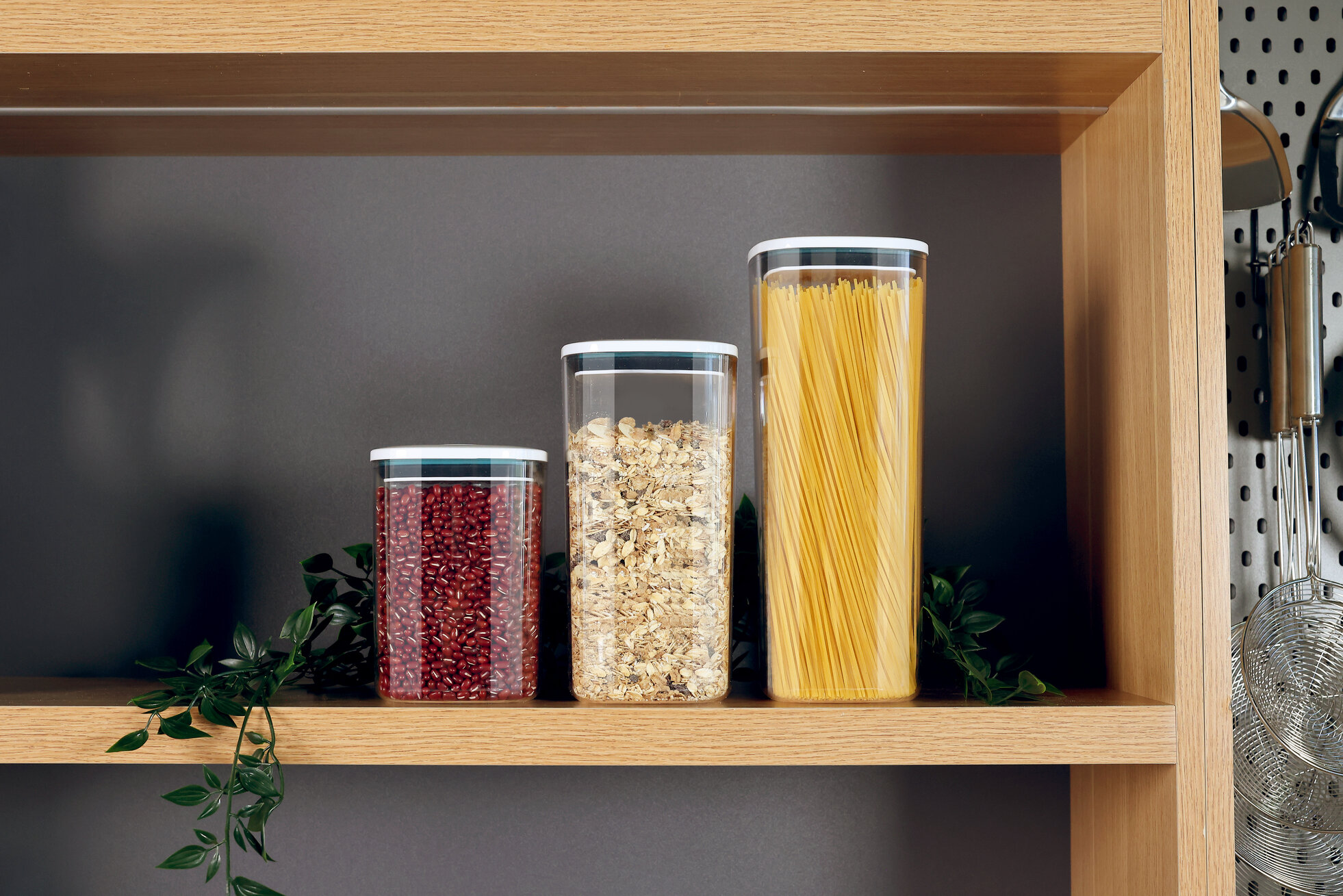
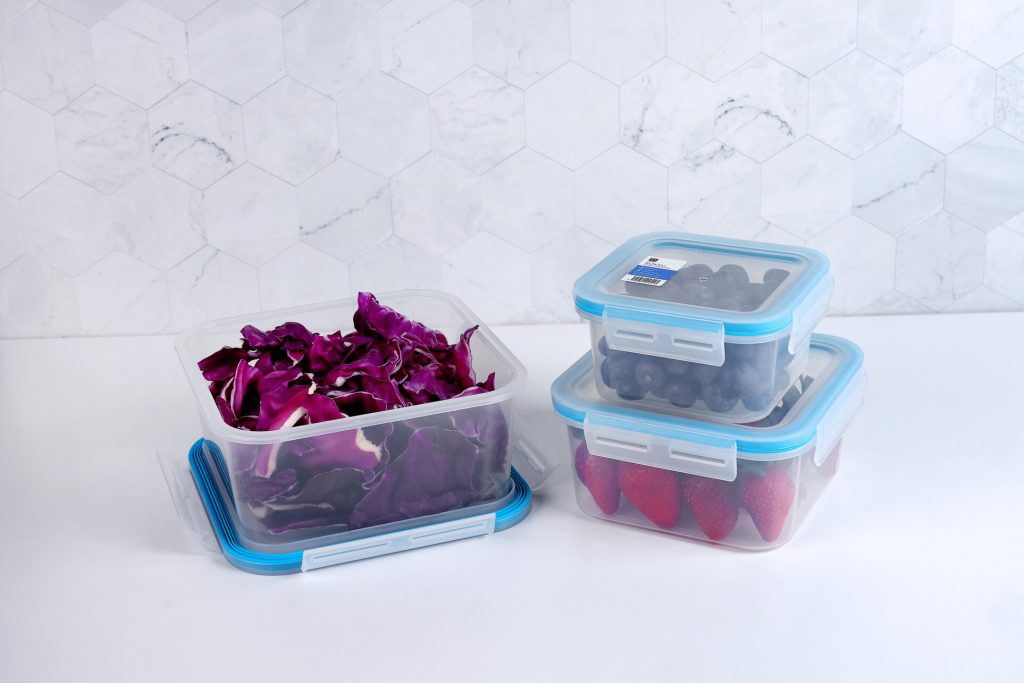
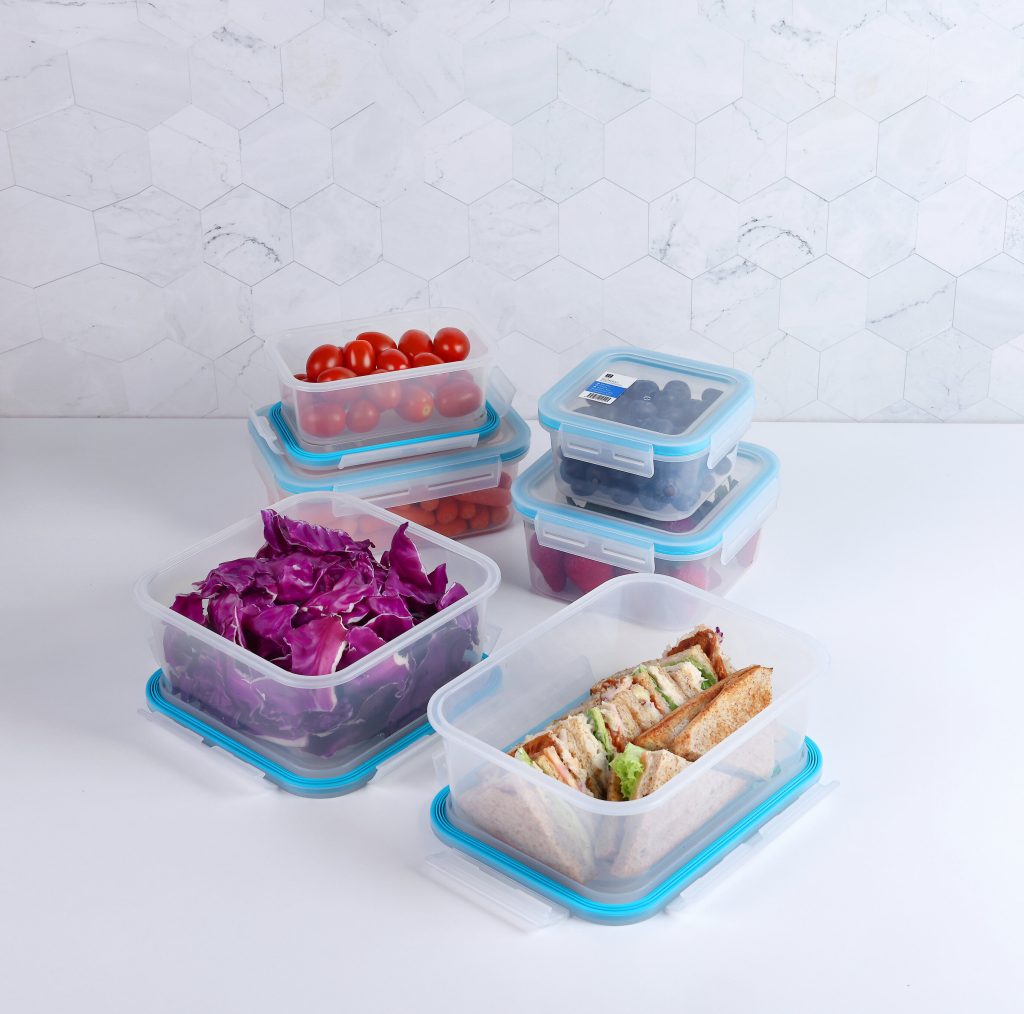
    KUALA LUMPUR, MALAYSIA, 10 MARCH 2026 – Fukuro Malaysia, a rapidly growing homegrown kitchenware brand, has launched its latest innovation, the Rokku Food Storage Series, aimed at providing practical, modern, and reliable storage solutions for everyday households. The series includes 9 SKUs—six Clip Lock Containers and three Airlock Canisters—with the 550 ml Clip Lock Container priced at just RM9.90, making it an accessible option for daily use. Designed to support routines like meal prep, leftover storage, and organised kitchen spaces, Rokku addresses what Fukuro identifies as the “missing middle” in kitchenware: products that combine modern design, dependability, and affordability.

    Available across 1,300+ retail outlets nationwide, including major departmental stores, supermarkets, hypermarkets, premium grocers, and the Fukuro website, the series ensures customers can easily access high-quality kitchen essentials. “Good kitchenware should be functional, well-made, and fairly priced. It should not feel like a luxury decision,” said Daryl Lai, Co-founder of Fukuro Malaysia, emphasizing the brand’s mission to deliver practical value rather than novelty.
    Fukuro applies a FMCG-style approach to kitchenware, prioritizing assortment planning, consistent pricing, retail visibility, and product availability, ensuring that households can always find what they need. This disciplined strategy has translated into strong consumer adoption, with more than 90,000 Fukuro units reaching Malaysian homes every month, reflecting the brand’s growing scale and everyday relevance.

    The Rokku Food Storage Series further exemplifies Fukuro’s commitment to making modern, reliable, and accessible kitchenware a standard part of Malaysian households. “We aim to make good kitchenware easy to live with—not just through design or pricing, but through consistent availability wherever Malaysians shop,” Daryl added. As a local brand competing in a market often dominated by international names, Fukuro continues to demonstrate that homegrown products can deliver both quality and scale, supporting practical, everyday routines for Malaysian families.
  • Bridging the “Missing Middle”: How Fukuro Malaysia Is Redefining Everyday Kitchenware

    In Malaysia’s evolving home and living landscape, kitchenware rarely commands attention — until it disrupts daily routines. It is not a dramatic, viral purchase, but a quiet essential that shapes how households cook, store, and organise their lives. Yet within this everyday category lies what industry observers describe as the “missing middle”: a gap between low-cost, disposable options and premium, design-led brands that may feel financially out of reach. Bridging that divide is Fukuro Malaysia, a homegrown brand positioning itself deliberately between affordability and quality, offering international-grade, design-conscious kitchen essentials at accessible prices for everyday families.

    Rather than reinventing basic tools, Fukuro focuses on refining fundamentals — ensuring that products feel sturdy, modern, and thoughtfully designed without inflating them into luxury statements. The brand applies FMCG-style discipline to a category often treated as purely transactional. This means intentional assortment planning, consistent pricing structures, active retail visibility, and prioritised availability across departmental stores, premium grocers, supermarkets, and hypermarkets. The philosophy is straightforward: when consumers need reliable kitchenware, the brand should already be within reach — not buried in a niche shelf or limited to online-only discovery.

    This approach aligns closely with shifting household behaviour. As living costs fluctuate and food expenses outside the home rise, more Malaysians are returning to packed lunches, leftovers, and practical weekday cooking. At the same time, digital influence has reshaped purchase expectations. With high social media penetration nationwide, consumers increasingly value kitchenware that complements modern home aesthetics, balancing utility with visual appeal. Today’s kitchen tools are no longer just functional items; they are extensions of personal identity within compact urban living spaces.

    Rokku Clip Lock Containers

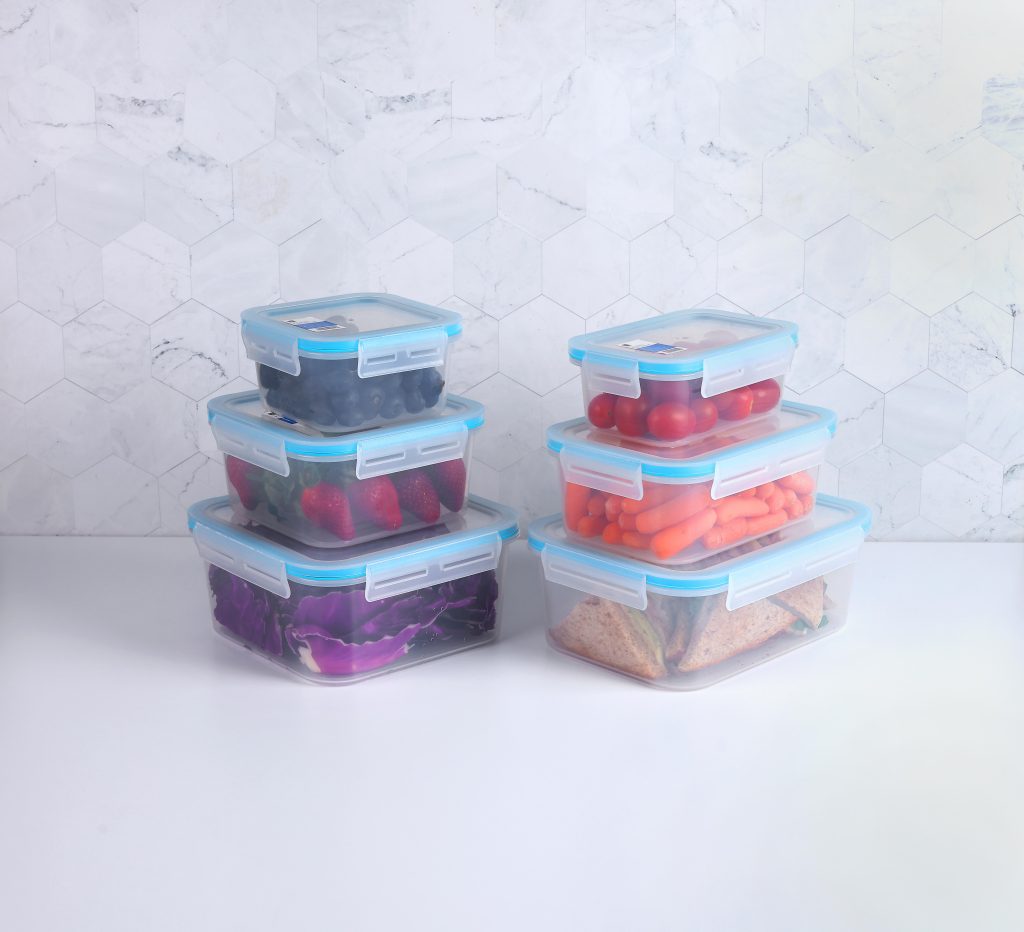
    A recent example of Fukuro’s positioning is its Rokku Food Storage Series, launched in February 2026. The nine-SKU lineup — comprising six Clip Lock Containers and three Airlock Canisters — is designed for daily meal preparation and organised storage. Anchoring its “accessible but solid” promise, a 550 ml Clip Lock Container priced at RM9.90 illustrates how affordability and durability can coexist. However, the broader story is less about a single product range and more about disciplined brand-building. Since its establishment in 2020, Fukuro’s growth has been driven by retail penetration across multiple channels, repeat purchases, and consistent five-star consumer feedback rather than one-off viral campaigns.

    Co-founder Daryl Lai emphasises that building the “missing middle” in kitchenware is challenging precisely because it requires balance — resisting the race to the bottom on price while avoiding over-positioning as aspirational luxury. For Fukuro, availability itself is a pillar of trust, particularly for young households shopping within real-world routines. By prioritising route-to-market fundamentals over marketing noise, the brand demonstrates that longevity in retail often depends less on hype and more on consistent execution.

    As Malaysian consumers become more selective and value-conscious, brands that master the basics — quality, price discipline, retail visibility, and everyday usability — are likely to stand the test of time. In a crowded market of extremes, Fukuro Malaysia’s steady, methodical approach suggests that sometimes the strongest strategy is not disruption, but dependable presence in kitchens across the country.