Category: Digital Economy

  • Tune Talk Jadi Telco Pertama Malaysia Tawar Platform E-Dagang Dalam Aplikasi

    Tune Talk Jadi Telco Pertama Malaysia Tawar Platform E-Dagang Dalam Aplikasi

    Tune Talk hari ini melancarkan Tune Talk Shop, sebuah platform e-dagang yang terintegrasi sepenuhnya dalam aplikasi dan dibangunkan bersama Presto. Melalui platform ini, pelanggan kini boleh membeli-belah, membuat pembayaran serta menerima pesanan tanpa perlu keluar daripada aplikasi, sekali gus mengubah peranan tradisional syarikat telekomunikasi daripada sekadar penyedia data kepada sebuah “Techo”, iaitu platform gaya hidup harian yang menawarkan nilai lebih menyeluruh kepada pengguna.

    Industri telekomunikasi sebelum ini banyak bersaing berdasarkan harga data, namun Tune Talk mengambil pendekatan berbeza dengan menjadikan ketersambungan hanya sebahagian daripada nilai yang ditawarkan. Dengan mengintegrasikan e-dagang ke dalam ekosistemnya, Tune Talk membolehkan pelanggan menikmati manfaat harian daripada penggunaan mudah alih, termasuk ganjaran dan pembelian, dalam satu pengalaman yang berterusan dan saling berkaitan.


    Tune Talk Shop merupakan pengalaman e-dagang telco terintegrasi pertama di Malaysia. Berbeza daripada platform e-dagang kendiri atau katalog ganjaran tambahan, ia dibangunkan terus dalam aplikasi Tune Talk. Pengguna boleh melayari, membeli dan menerima pesanan tanpa meninggalkan aplikasi, dengan setiap proses diperkaya melalui sistem nilai proprietari Tune Talk. Antara keupayaan utama termasuk akses kepada lebih 20,000 produk terpilih, proses semakan, pembayaran dan pengesahan pesanan dalam aplikasi, fleksibiliti menggunakan Tune Talk Points sebagai sebahagian daripada jumlah nilai transaksi, serta penghantaran ke seluruh negara.

    Tune Talk memiliki dan mengurus keseluruhan pengalaman pengguna serta sistem pembayaran bagi memastikan keselamatan dan kelancaran transaksi, manakala rakan kongsi Presto menyediakan infrastruktur backend termasuk katalog produk dan sistem pemenuhan pesanan di seluruh negara. Pendekatan ini memastikan e-dagang bukan sekadar ciri tambahan, tetapi menjadi sebahagian daripada teras ekosistem Tune Talk.

    Strategi ekosistem Tune Talk turut diperkukuh oleh tahap penglibatan pengguna yang tinggi. Sejak pengenalan ciri Games dan Drama pada Mei 2025, data dalaman menunjukkan purata penggunaan aplikasi mencecah 36 minit sehari, iaitu kira-kira 400 peratus lebih tinggi berbanding penanda aras aplikasi telekomunikasi global. Tahap penglibatan ini menyediakan asas kukuh untuk pengembangan integrasi e-dagang, sekali gus membolehkan Tune Talk mengeratkan hubungan dengan pelanggan serta meningkatkan nilai seumur hidup pelanggan.

    Sejak penambahbaikan pengalaman aplikasinya pada tahun 2025 dengan pelbagai ciri digital tambahan, Tune Talk terus mengembangkan perkhidmatan melepasi telekomunikasi tradisional. Dengan lebih 1.8 juta pelanggan di seluruh negara, syarikat ini mengekalkan platform proprietarinya sebagai destinasi digital berbilang perkhidmatan. Pengenalan Tune Talk Shop memperkukuh strategi ini dengan menambah keupayaan e-dagang bagi meningkatkan penggunaan harian serta membuka akses kepada produk dan perkhidmatan baharu kepada pangkalan pelanggan.

    Pelancaran ini turut dibuat selaras dengan pertumbuhan berterusan sektor e-dagang digital Malaysia, yang melibatkan anggaran 18.8 juta pembeli dalam talian dan dijangka berkembang sekitar 10 peratus setiap tahun. Pengguna di Malaysia juga membelanjakan purata RM182 sebulan secara dalam talian, mencerminkan tingkah laku pembelian berasaskan mudah alih yang semakin kukuh. Dengan mengintegrasikan pembelian terus ke dalam platformnya, Tune Talk menawarkan saluran tunggal yang mudah kepada pelanggan sambil memperluas penyertaannya dalam ekonomi digital negara yang sedang berkembang.

    “Peralihan ini bagi Tune Talk mencerminkan komitmen kami kepada pelanggan. Kami bergerak melangkaui persaingan semata-mata berdasarkan GB untuk RM kepada penyediaan pelan yang lebih bernilai dan relevan kepada rakyat Malaysia. Tune Talk Shop bukan sekadar ciri e-dagang, tetapi sebuah platform terpadu yang menghubungkan capaian, ganjaran dan transaksi dalam satu pengalaman yang lancar,” kata Gurtaj Singh Padda, Pengasas Bersama dan Ketua Pegawai Eksekutif Tune Talk.

    “Kami berbangga untuk merealisasikan visi Tune Talk dengan menyediakan infrastruktur pasaran dan keupayaan pemenuhan di sebalik Tune Talk Shop. Perkongsian ini membolehkan Tune Talk mengembangkan e-dagang dalam ekosistemnya sambil mengekalkan pemilikan penuh terhadap pengalaman pelanggan,” tambah Prawn Cheng, Ketua Pegawai Eksekutif Presto.

    Tune Talk Shop kini tersedia dan boleh diakses melalui versi terkini aplikasi Tune Talk. Untuk maklumat lanjut, layari www.tunetalk.com atau ikuti @TuneTalk di Facebook, Instagram dan X.
  • BICSI SEA 2026 Returns: Driving the Future of ICT Infrastructure and AI in Malaysia

    BICSI SEA 2026 Returns: Driving the Future of ICT Infrastructure and AI in Malaysia

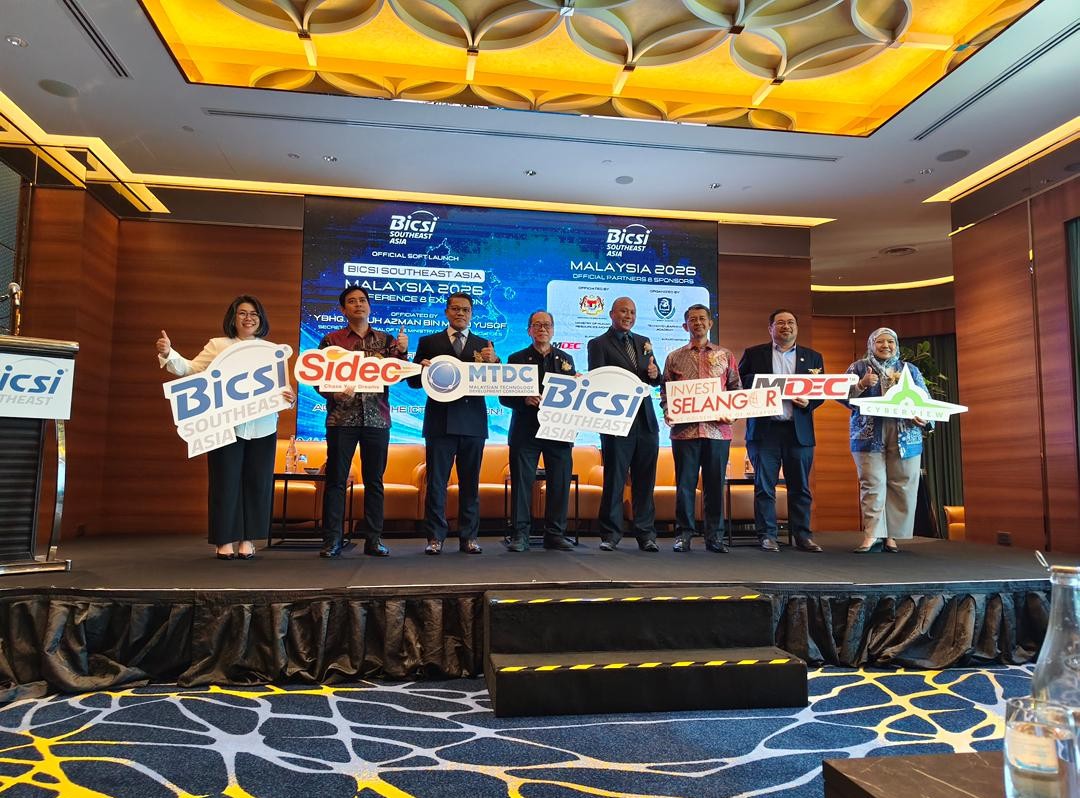
    The return of the BICSI Southeast Asia Malaysia Conference & Exhibition 2026 marks a pivotal moment in Malaysia’s journey toward becoming a primary digital infrastructure hub for the region. Recently introduced via a soft launch officiated by Datuk Azman Mohd Yusof, Secretary General of the Ministry of Human Resources, the event is set to take place on July 21 and 22 at Sunway Resort Hotel. This second edition builds upon the momentum of previous successful gatherings in Johor Bahru and Vietnam, specifically targeting the advancement of ICT infrastructure within a world increasingly shaped by artificial intelligence.

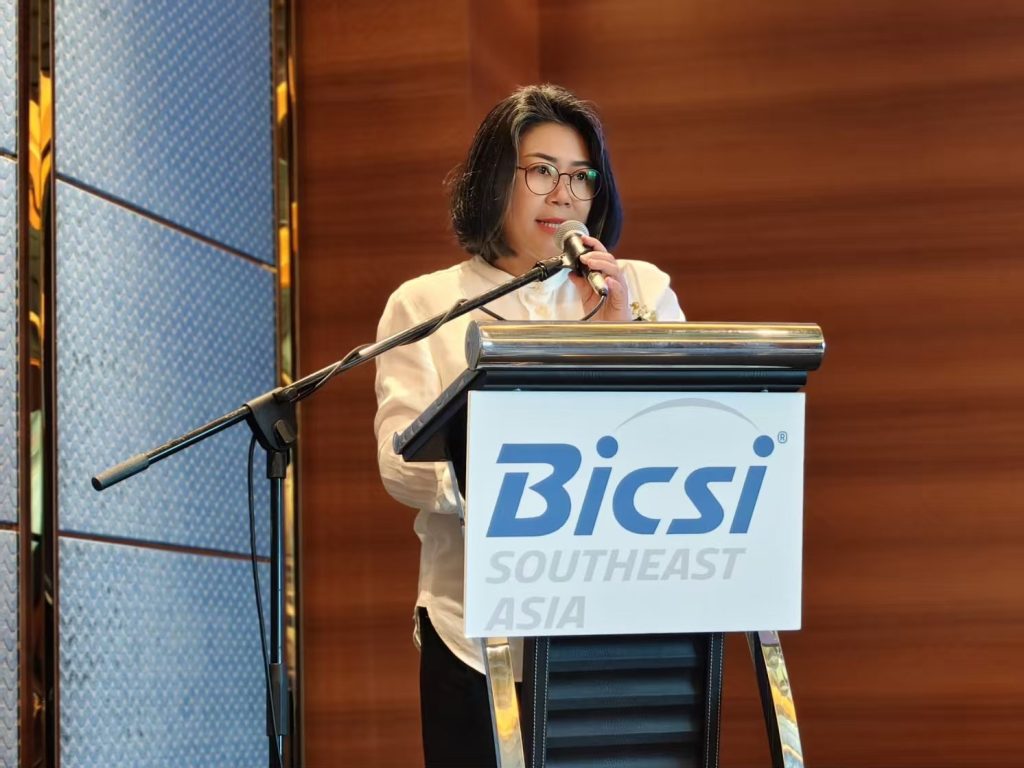
    Mary Elizabeth Cheng, Founder of TECLA and Executive Director of BICSI Southeast Asia, stressed the importance of investing in specialized training and global certifications to build a sustainable, future-ready talent pipeline for the ICT industry.

    At the heart of this initiative is a focus on human capital. With the ICT sector currently contributing nearly a quarter of Malaysia’s national economy and supporting over 1.25 million jobs, the demand for specialized talent has never been more pressing. Datuk Azman highlighted that with RM342 billion in digital investments approved in recent years, the industry is poised to create over 114,000 new roles. However, the complexity of these roles—ranging from data center management to AI network design—requires a workforce equipped with globally recognized certifications. By aligning with international bodies like BICSI, Malaysia aims to bridge the skills gap and ensure its professionals meet the highest global standards.

    Organized by Tecnoviq Learning Academy (TECLA), the conference serves as a strategic intersection for industry-driven training and national policy, such as the Dasar TVET Negara 2030. Dr. Garies Chong, Executive Chair of BICSI Southeast Asia, emphasized that the organization’s mission remains focused on nurturing a resilient ICT ecosystem through regional collaboration and standardized excellence. This commitment was evident at the soft launch, which saw participation from key government and digital agencies including MDEC, Invest Selangor, and Cyberview, as well as major technology associations like PIKOM.

    The BICSI SEA Beyond 2026 Forum hosted an insightful session where industry partners explored the future of digitalization within today’s AI-driven landscape.

    The upcoming July event is set to be a significant gathering of regional policymakers, educators, and technology providers. Supported by an array of international corporate sponsors—including Softing AG, SENKO Advanced Components, and Datwyler AG—the exhibition provides a unique platform for organizations to showcase innovation and engage directly with the stakeholders driving the digital economy. As preparations continue, the organizers remain open to corporate partnerships, inviting industry leaders to help shape the future of Southeast Asia’s digital landscape.

  • Tune Talk Becomes a Fully Independent Cloud-Native Mobile Network Operator in ASEAN

    Tune Talk Becomes a Fully Independent Cloud-Native Mobile Network Operator in ASEAN

    Tune Talk, one of Malaysia’s most recognised mobile brands, has successfully completed its transformation into a fully independent, cloud-native mobile network operator (MNO) through a strategic partnership with Mavenir, a network software provider specialising in AI-driven mobile infrastructure. This milestone enables Tune Talk to manage its network systems end-to-end, unlocking greater speed, agility and innovation as it prepares for its next phase of growth.

    The transformation is driven by the adoption of Mavenir’s cloud-native OSS and BSS solutions, which provide Tune Talk with full control over its network operations and digital service platforms while establishing a strong software-based foundation for future expansion. By modernising its OSS and BSS layers, Tune Talk now operates an independent, software-defined network that supports faster service deployment, more personalised AI-driven customer experiences and enhanced network reliability.

    This new architecture has already accelerated the rollout of various digital offerings, including MyDigital ID integration, Mastercard ID Theft Protection, complimentary Personal Accident Insurance, foodpanda benefits, as well as in-app streaming services such as drama and gaming subscriptions. At the same time, Tune Talk’s cloud-native operational environment incorporates zero-touch processes and self-healing automation, improving overall network stability while reducing operational overheads.

    Looking ahead, the second phase of this transformation will further strengthen Tune Talk’s AI-driven capabilities through advanced orchestration and next-generation BSS. These enhancements are expected to boost network performance, speed up service delivery and unlock new revenue streams through more contextual and personalised offerings.

    Tune Talk CEO Gurtaj Singh Padda described the achievement as the beginning of a new chapter for the company, reinforcing its ambition to build a smarter and more agile mobile network for Malaysia and beyond. He highlighted that these capabilities enable the company to move faster, scale personalisation and deliver greater value through AI-driven innovation for its growing customer base.

    Mavenir President and CEO Pardeep Kohli expressed pride in successfully delivering the first phase of the partnership, noting that Tune Talk’s commitment to continuous innovation aligns with Mavenir’s cloud-native approach. He emphasised that such an approach is essential in providing the speed, flexibility and efficiency required to meet evolving customer demands.

    With this deployment, Tune Talk now serves as a benchmark for cloud-native MNO operations not only in Malaysia but across the ASEAN region, demonstrating how modern OSS and BSS architectures can accelerate operator independence, enhance agility and support long-term digital transformation.

    In conjunction with this milestone, Mavenir, in collaboration with Mobile World Live, will host a panel discussion at Mobile World Congress Barcelona #MWC26 titled “Built for More, Bound by Less: The Rise of a New Breed of MNO Embracing AI, Cloud and 5G.” The session will take place at Mavenir’s stand in Hall 2, 2H60 on Monday, 2 March from 1:15 PM to 1:45 PM, featuring Tune Talk CEO Gurtaj Singh Padda alongside industry speakers. The discussion will explore how mobile networks can thrive by combining cloud-native architectures, AI-driven insights and flexible monetisation strategies to differentiate through customer experience rather than price.

  • HONOR N Series Repositioned as Flagship with Cutting-Edge Telephoto and AI Features

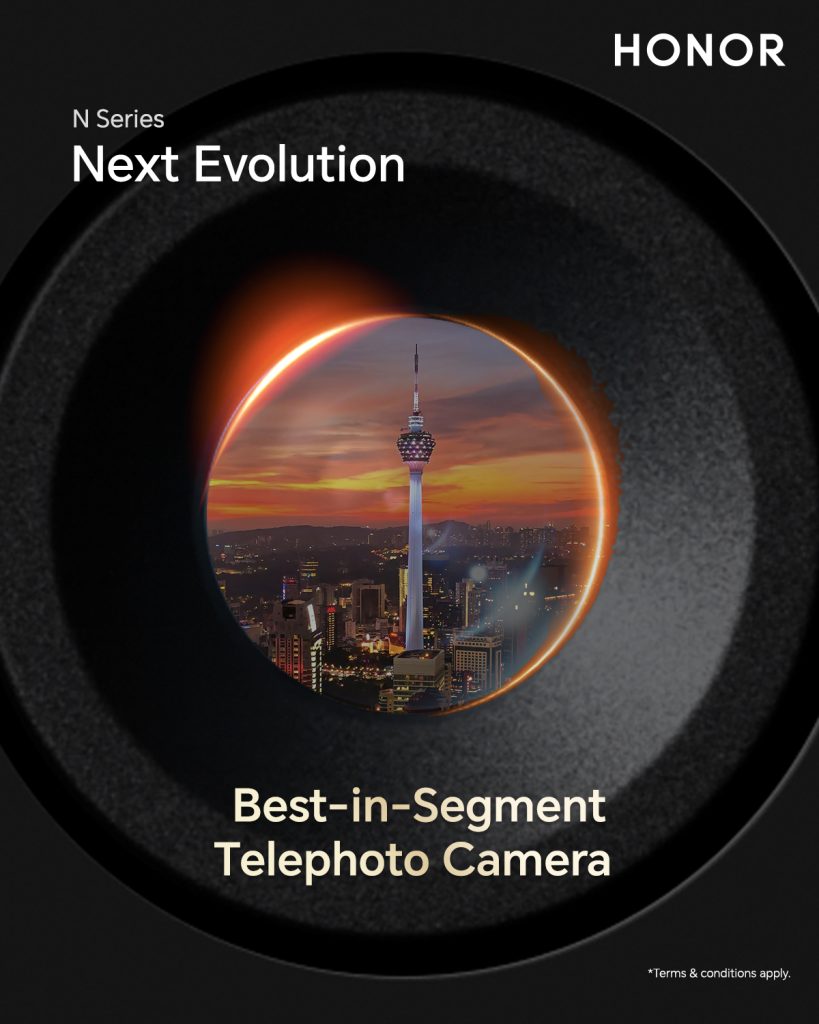
    HONOR today announced that its N Series will move from a mid-range offering to the flagship category. Combining cutting-edge hardware with advanced computational photography, the upcoming N Series delivers enhanced clarity, precision, and creative flexibility for users.

    HONOR has equipped the new N Series with top-tier hardware and advanced imaging systems, including the Snapdragon Elite-level chipset. This ensures flagship-level performance while maintaining everyday usability and creative capabilities.

    The new N Series redefines long-range photography with a redesigned telephoto system, offering sharper details and professional-grade composition. Users can capture vast landscapes or candid shots from a distance with exceptional clarity.

    In addition to hardware improvements, the N Series introduces advanced AI imaging. The enhanced AI Image-to-Video feature allows users to turn still photos into cinematic videos, bringing memories of loved ones, friends, and pets to life with emotional resonance.

    The device also features a refreshed, premium design. Using advanced cold carving craftsmanship, HONOR has achieved a sleek, polished finish that improves both durability and tactile experience. The result is a sophisticated in-hand feel that balances elegance, strength, and comfort, reflecting flagship-level design.

  • Malaysia’s Emergence as a Digital Investment Hub Requires a Stronger Skilled Workforce

    Malaysia’s Emergence as a Digital Investment Hub Requires a Stronger Skilled Workforce

    Growing Momentum in Malaysia’s Digital Economy

    Malaysia is entering an important phase in its digital economic development, as global technology investors increasingly look to Southeast Asia as a strategic region for expansion. With its strong infrastructure, business-friendly policies, and strategic location within ASEAN, Malaysia is steadily positioning itself as an attractive destination for digital investments.

    From data centres and artificial intelligence to financial technology and digital services, the country is witnessing growing interest from international companies seeking to establish or expand their regional presence. This momentum reflects the broader transformation of Malaysia’s economy, which is rapidly embracing digitalisation across multiple industries.

    According to a report jointly published by Knight Frank Malaysia and the Malaysia Digital Economy Corporation (MDEC) in February 2026, Malaysia approved more than RM342 billion in digital investments between 2022 and 2025. These investments span several high-growth sectors including cloud infrastructure, global business services, artificial intelligence, and fintech, highlighting strong confidence in the country’s digital ecosystem.


    The Talent Challenge Behind Digital Growth

    While these figures reflect positive momentum for Malaysia’s digital ambitions, they also raise an important question — whether the country has sufficient skilled talent to support this rapid expansion.

    The same report estimates that these digital investments could generate more than 114,000 new jobs, with nearly 97 percent classified as knowledge-based roles. Many of these positions require specialised expertise in areas such as artificial intelligence, data analytics, cybersecurity, cloud computing, and digital operations.

    This signals a clear shift in workforce expectations. As industries evolve alongside digital technologies, future job roles will demand stronger technical competencies and digital literacy. Without a workforce equipped with these skills, sustaining long-term growth in the digital economy may become increasingly challenging.


    Competing in the Global Talent Race

    Across the region, countries are not only competing to attract digital investments but also striving to develop and retain highly skilled technology professionals. Nations such as Singapore, Vietnam, and India have made significant progress by strengthening digital education, investing in technology training programmes, and encouraging industry-academia collaboration.

    For Malaysia to remain competitive, workforce development strategies must continue evolving alongside technological advancements. This includes strengthening collaboration between government agencies, universities, industry players, and professional training institutions.

    Upskilling and reskilling initiatives will be critical in enabling both graduates and experienced professionals to adapt to emerging technologies and digital business models. Industry-relevant certifications, technology-focused training, and continuous learning programmes will play a key role in preparing Malaysians for future job opportunities.


    Digital Skills Are No Longer Optional

    The digital transformation taking place today extends far beyond the technology sector itself. Businesses across industries such as finance, logistics, manufacturing, retail, and hospitality are increasingly integrating artificial intelligence, automation, and digital tools into their operations.

    As a result, digital literacy is no longer a niche skill reserved for technology professionals. Instead, it is becoming a fundamental competency for the modern workforce. Employees across various sectors will need at least a foundational understanding of digital systems, data usage, and emerging technologies in order to remain relevant in an increasingly digitalised economy.


    Building a Sustainable Digital Future

    Malaysia stands at a pivotal moment in its economic transformation. With strong investor confidence, expanding digital infrastructure, and its strategic role within ASEAN, the country is well positioned to strengthen its status as a regional digital hub.

    However, infrastructure and investment alone will not determine success. The true strength of a digital economy lies in the people who can build, operate, and innovate within it.

    By prioritising talent development and equipping Malaysians with the necessary digital skills, the nation can ensure that current digital investments translate into sustainable economic growth, innovation, and long-term global competitiveness.

    Ultimately, Malaysia’s digital future will depend not just on technology, but on the readiness of its workforce to lead and shape the next phase of digital transformation.

    Written By;

    Ts. Shashi Muniandy is the Chief Operating Officer of Skill Wave Academy and an MBOT Certified Technologist involved in digital workforce development initiatives in Malaysia

  • How Payment Insights Drive SME Expansion

    How Payment Insights Drive SME Expansion

    Malaysia has made significant strides in digital payment adoption, with QR codes, online transfers and card payments now commonplace even among micro and small merchants. However, the next chapter of growth for the nation’s micro, small and medium enterprises (MSMEs) will hinge not on how widely digital payments are accepted, but on how intelligently transaction data is harnessed. MSMEs account for 38 percent of Malaysia’s GDP and employ nearly half of the national workforce. As such, inefficiencies in cash flow management, financing access and operational decision-making have ripple effects that extend well beyond individual businesses into the broader economy.

    While digital acceptance has scaled rapidly, operational maturity has not progressed at the same pace. A significant proportion of MSMEs continue to manage reconciliation, forecasting and working capital through manual or fragmented systems, even as they collect payments digitally. This disconnect limits the true value of digitalisation. Without consolidated and structured transaction data, business owners often lack visibility into revenue cycles, demand fluctuations, margin performance and liquidity trends. Strategic decisions on hiring, procurement and expansion are therefore made conservatively, based more on instinct than insight — an approach that can constrain long-term growth and reduce resilience against economic volatility.

    The financing landscape highlights this gap even more starkly. Malaysian MSMEs face an estimated US$2.5 billion funding gap, largely due to insufficient credit histories or limited formal financial documentation. Yet many of these businesses generate consistent daily revenue through digital transactions. When properly analysed, structured payment data can provide lenders with a clearer, performance-based view of revenue stability and cash flow consistency. Transaction intelligence has the potential to shorten approval timelines, reduce reliance on collateral, and expand credit access to viable but previously underserved merchants. In this context, payment data is not merely an operational by-product — it is an underutilised financial asset.

    For businesses operating within or adjacent to informal systems, digital payments can also serve as a pathway into the formal economy. Each recorded transaction contributes to a verifiable financial footprint, strengthening compliance readiness for evolving requirements such as e-invoicing while enhancing eligibility for financing and other financial services. Without structured and activated data, enterprises may remain economically active yet financially invisible, limiting upward mobility and reinforcing structural exclusion.

    Malaysia now stands at a strategic inflection point. Having achieved scale in digital payment acceptance, the national focus must shift toward integration, analytics and data-driven decision-making. If digitalisation stops at the checkout counter, MSMEs risk remaining connected but constrained. If transaction intelligence is activated effectively, however, it can close financing gaps, strengthen resilience and support a more inclusive digital economy. The future of Malaysia’s SME ecosystem will not be defined by the number of QR codes displayed, but by how effectively payment data is transformed into actionable insight — turning transactions into transformation and access into empowerment.

  • Paydibs Strengthens Malaysian Merchants by Promoting Digital Inclusion

    Paydibs Strengthens Malaysian Merchants by Promoting Digital Inclusion

    Across Malaysia, small business owners are increasingly transforming the way they sell, manage, and connect with customers, signaling a broader shift in the nation’s digital economy. From retailers integrating online ordering systems to street food vendors experimenting with digital payments, each small adaptation highlights the growing role of technology in everyday commerce. While Malaysia’s digital infrastructure and innovation are important, the true measure of progress lies in the breadth of participation among small and medium enterprises (SMEs). Recognizing this, Budget 2026 has allocated RM150 million to accelerate SME digital adoption and RM200 million to support innovation commercialization, demonstrating the government’s confidence in small businesses as drivers of digital growth.

    Despite consumer enthusiasm for cashless living, many SMEs face challenges such as rising operational costs, limited resources, and competing priorities. A recent Visa study revealed that only one in three SMEs have begun digitalizing their operations, underscoring the need for practical, affordable, and accessible digital tools. This is where digital inclusion becomes critical, enabling small businesses to integrate seamlessly into the digital economy without added complexity or cost. Paydibs, as a Registered Merchant Acquirer under Bank Negara Malaysia, is actively addressing this need through its NEO smart terminal and online platforms. By combining QR payments, card acceptance, and Buy Now Pay Later (BNPL) solutions, Paydibs allows merchants to process payments efficiently, access funds quickly, and manage their operations with a unified, cost-effective system.

    Digital inclusion extends beyond technology; it’s about accessibility and opportunity. Paydibs’ partnerships, such as with Alipay+, allow local merchants to accept payments from over 15 global e-wallets, opening the door for SMEs to reach international consumers and engage in cross-border trade. Furthermore, real-time transaction data empowers merchants to make informed business decisions, optimize inventory management, improve cash flow, and even qualify for financing. Inclusion, therefore, is both practical and strategic—it transforms digital adoption from an abstract goal into an everyday reality for businesses across Malaysia.

    As the nation aims to build a high-value digital economy, collaboration between regulators, financial institutions, and technology providers becomes essential to ensure participation is inclusive, secure, and sustainable. Digitalization is no longer just a matter of adoption; it is a question of equity. From night market stalls to large retail chains, every merchant must feel equipped to compete in the digital space. By making inclusion the foundation of Malaysia’s cashless future, the country can create a connected, resilient, and widely owned digital economy. Paydibs continues to empower Malaysian businesses on this journey, offering solutions that make digital participation accessible and impactful for all.