Category: Healthcare

  • Fainting: A Minor Blip or a Major Heart Threat?

    Fainting: A Minor Blip or a Major Heart Threat?

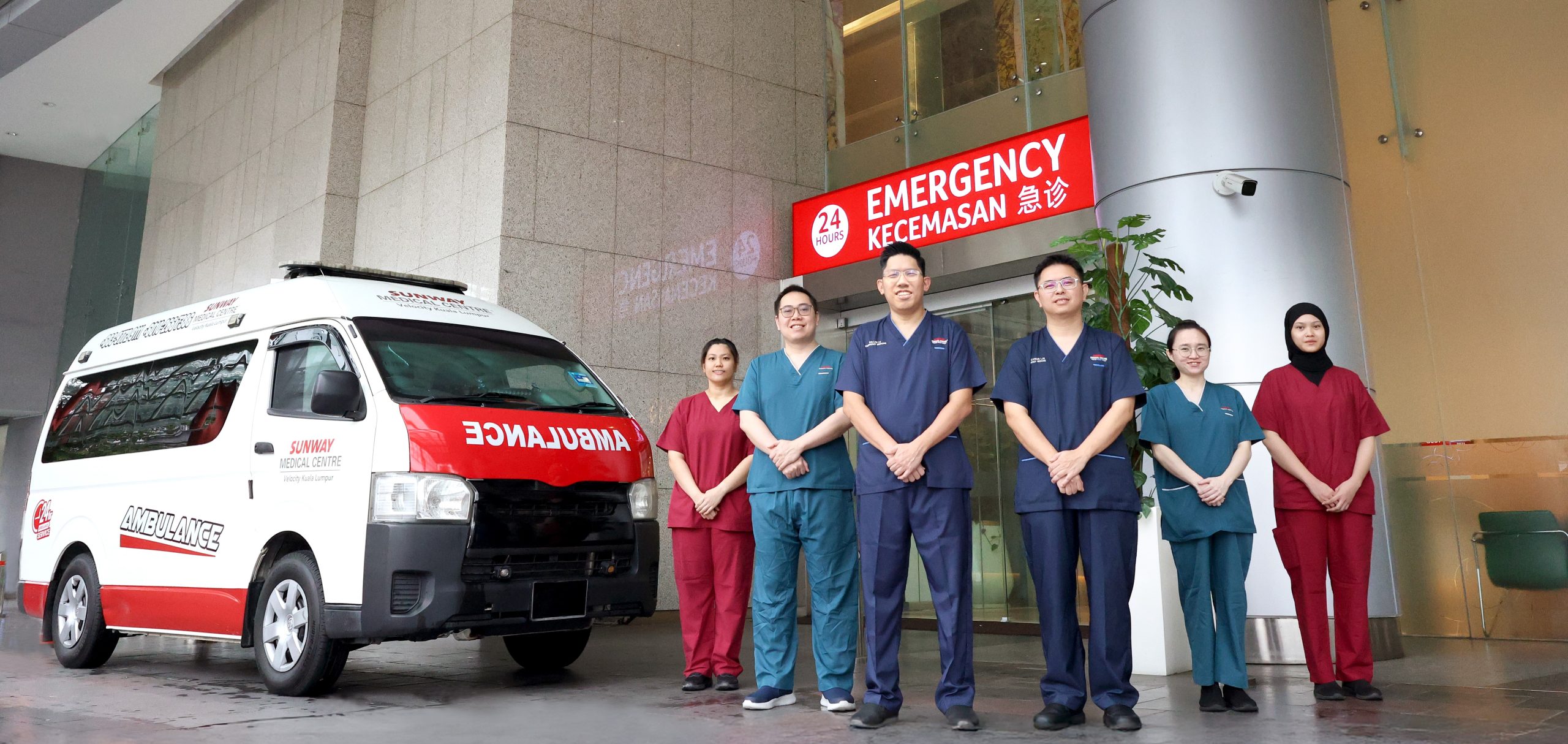
    It is often shrugged off as “just a dizzy spell” or a “moment of weakness,” but medical specialists at Sunway Medical Centre Velocity (SMCV) are highlighting a deadlier reality: fainting can be the first symptom of a failing heart. While the majority of fainting cases are non-life-threatening, the subset known as Cardiac Syncope acts as a silent alarm for serious underlying heart disease.

    Statistics show that while syncope accounts for up to 3% of emergency room visits, those linked to the heart carry the highest risk of sudden deterioration and mortality.

    Sudden, Silent, and Severe

    Cardiac syncope occurs when the heart’s output drops so abruptly that the brain is momentarily starved of oxygen. Unlike typical fainting—which often gives warning signs like lightheadedness or “seeing spots”—cardiac-related collapses frequently happen without any notice.

    Dr. Lim Chiao Wen, Consultant Cardiologist and Electrophysiologist at SMCV, explains that structural defects often hide behind these episodes. “Conditions such as a narrowing aortic valve or inflammation of the heart muscle (myocarditis) can cause the heart to lose its pumping efficiency instantly. Because these issues can be intermittent, a person might pass a routine check-up but still be at risk of a sudden, fatal collapse,” she warns.

    The A&E: A Race Against Time

    When a patient arrives at the Accident & Emergency (A&E) department after a collapse, the clock is ticking to differentiate a harmless spell from a cardiac emergency.

    “A person who wakes up quickly and feels ‘normal’ may still be in grave danger,” says Dr. Cyrus Lai Sin Nan, Consultant Emergency Physician at SMCV. “In the A&E, we look for high-risk indicators like abnormal ECG readings or raised cardiac markers in the blood. For older adults or those with pacemakers, the suspicion of a heart-related cause is even higher, but we are also seeing these risks in younger patients with inherited heart rhythm disorders.”

    Beyond Stabilization: Long-Term Solutions

    SMCV adopts a multidisciplinary approach to ensure that once a patient is stabilized, the root cause is eradicated. Advanced diagnostic tools such as Holter monitoring (extended rhythm tracking) and stress testing help specialists “catch” the heart in the act of malfunctioning.

    Depending on the diagnosis, life-saving interventions at SMCV include:

    • Ablation procedures to correct electrical pathways.
    • Implantable Defibrillators (ICD) to prevent sudden cardiac arrest.
    • Emergency Angioplasty to open blocked arteries if a heart attack is detected.

    Know the Red Flags

    SMCV urges the public to prioritize a medical evaluation if fainting occurs under the following circumstances:

    • Exertion-based: Fainting during or immediately after physical activity.
    • Recurrent: Multiple unexplained episodes within a short period.
    • Symptom-heavy: Accompanied by chest pressure, palpitations, or severe breathlessness.
    • Family History: If a close relative suffered sudden cardiac death at a young age.

    “Early detection is the only way to turn a potential tragedy into a manageable condition,” Dr. Cyrus concludes. “If your body shuts down, even for a few seconds, it’s a message you cannot afford to ignore.”

  • Eat Smart, Fast Safely: Protect Your Digestive Health During Ramadan

    Eat Smart, Fast Safely: Protect Your Digestive Health During Ramadan

    You wait all day for that first bite. The aroma of freshly prepared kuih, rich gravies, and sweet drinks fills the table, and after hours of fasting, it is tempting to indulge. However, by midnight, many find themselves feeling bloated, uncomfortable, or struggling with heartburn.

    For many, Ramadan is a time of spiritual renewal and an opportunity to adopt a more mindful and balanced approach to physical well-being. Despite this, some individuals experience digestive discomfort during the fasting month. Issues such as acid reflux, bloating, constipation, and fatigue may arise due to dietary choices between iftar and sahur. Dr Sheikh Anwar Abdullah, Consultant Gastroenterologist and Hepatologist at Sunway Medical Centre, Sunway City, encourages those observing the fast to treat Ramadan as a chance to reset their gut health rather than strain it.

    He explains that the digestive system gets a period of rest during fasting, with the body producing less acid and experiencing reduced inflammatory triggers, which can improve gut health. However, these benefits are often undone by overeating at iftar or neglecting proper hydration and fibre intake.

    Research supports what many experience during Ramadan, with an increase in gastrointestinal complaints such as bloating, acid reflux, and constipation. These issues are commonly linked to heavy meals, oily and spicy foods, dehydration, and long gaps between meals. Dr Sheikh Anwar notes that overeating at iftar, consuming deep-fried or spicy foods, insufficient water intake, and lack of fibre are among the main contributors. Reduced physical activity due to altered sleep patterns and lower energy levels also plays a role, as it slows digestion and worsens constipation.

    Skipping sahur or opting for fast food may seem convenient but often leads to further digestive issues. Dr Sheikh Anwar advises starting the day with a balanced, slow-digesting meal that can sustain energy and support gut health. An ideal sahur should include complex carbohydrates such as oats or brown rice, protein sources like eggs, fish, or tofu, and water-rich fruits such as watermelon or cucumber. Yogurt may also benefit gut health due to its probiotics, provided there is no lactose intolerance. Spicy and greasy foods should be avoided as they can irritate the stomach lining and increase the risk of reflux later in the day.

    When breaking fast at iftar, it is important to ease the stomach back into digestion. While sugary drinks, fried foods, and salty dishes may be appealing, they often lead to bloating and indigestion. It is recommended to begin with water and a few dates, followed by a short pause, such as performing Maghrib prayers, before تناول a proper meal. Eating slowly and choosing a balanced plate with complex carbohydrates, lean protein, and healthy fats can help support digestion.

    Late-night eating, particularly during moreh after tarawih prayers, is another common concern. Although moreh is a cherished Ramadan tradition in Malaysia, it should be practised in moderation. Keeping the meal light and allowing a gap of two to three hours between the last meal and bedtime can help reduce acid reflux and other digestive issues.

    Hydration is essential during Ramadan, as constipation is often caused by insufficient fluid intake. Many individuals do not meet their daily water requirements during the fasting month. Adequate hydration supports digestion and helps prevent headaches and fatigue. It is advisable to consume at least two to 2.5 litres of water between iftar and sahur, sipping regularly instead of drinking large amounts at once. Including water-rich fruits and limiting caffeine intake can also help prevent dehydration.

    While fasting is generally safe for most healthy adults, individuals with pre-existing gastrointestinal conditions should take extra care. Conditions such as ulcerative colitis, duodenal ulcers, upper gastrointestinal bleeding, and moderate-to-severe liver cirrhosis may worsen during fasting and require careful monitoring and professional medical advice. Those on gastric medication are advised to take it about 30 minutes before sahur for optimal effectiveness. If symptoms such as persistent abdominal pain, vomiting, diarrhoea, or blood in the stool occur, it is important to seek medical attention and not feel pressured to continue fasting.

    Fibre plays a crucial role in maintaining digestive health, yet many Malaysians fall short of the recommended daily intake of fruits and vegetables. This deficiency can contribute to constipation and bloating during Ramadan. Fibre supports bowel regularity, helps lower cholesterol, stabilises blood sugar levels, and promotes a feeling of fullness. Increasing fibre intake gradually through fruits, vegetables, legumes, and whole grains is recommended to avoid gas and discomfort.

    Finally, Ramadan should not be viewed as a temporary reset but as an opportunity to build lasting healthy habits. Dr Sheikh Anwar encourages individuals to continue practising mindful eating, staying hydrated, and spacing out meals even after the fasting month ends. Older adults, in particular, should ensure adequate intake of protein and fibre to maintain muscle strength and digestive health.

    This Ramadan, the focus should go beyond satisfying cravings at iftar and instead prioritise what truly nourishes the body. A healthy gut supports a better fasting experience and a more meaningful period of reflection. Fasting and health go hand in hand, and it is important to eat in moderation, stay well hydrated, and listen to the body. If something feels wrong, it is crucial to seek medical attention promptly rather than ignore the symptoms.

  • China Medical System Achieves NDA Approval for First-in-Class Vitiligo Therapy in China

    China Medical System Holdings Limited (CMS) has announced that its subsidiary, Dermavon Holdings Limited, has received New Drug Application (NDA) approval from the National Medical Products Administration (NMPA) of China for ruxolitinib phosphate cream for the treatment of non-segmental vitiligo. This approval grants Dermavon full regulatory authorisation to commercialise the product across Mainland China. The cream is a selective JAK1/JAK2 inhibitor and is currently the first and only drug approved by both the U.S. Food and Drug Administration (FDA) and the European Medicines Agency (EMA) for repigmentation in non-segmental vitiligo.

    Vitiligo remains a significant unmet medical need in China, with an estimated 10.3 million patients, including approximately 8.2 million with the non-segmental form. As the first targeted treatment approved in China for this condition, the product represents a major milestone in addressing a long-standing treatment gap. Clinical data from two overseas Phase III studies met their primary endpoints, with 29.9% of patients achieving F-VASI 75 after 24 weeks of treatment, significantly higher than placebo groups. Continued treatment for up to 52 weeks demonstrated sustained repigmentation. Real-world data in China further confirmed consistent efficacy, with secondary endpoints aligning with the primary outcomes and showing continued improvement over time.

    In addition, the Phase III clinical trial in China for ruxolitinib phosphate cream in the treatment of mild to moderate atopic dermatitis has shown positive results, and CMS is actively advancing the NDA process for this indication. The product is part of a collaboration and licensing agreement signed with Incyte in December 2022, under which CMS obtained exclusive rights to develop, register and commercialise the product across Mainland China, Hong Kong, Macau, Taiwan and eleven Southeast Asian countries, along with non-exclusive manufacturing rights in the region.

    Since beginning independent operations in 2021, Dermavon has demonstrated strong growth momentum and established a leading position in China’s skin health sector. To further unlock its value and growth potential, CMS has proposed a spin-off and separate listing of Dermavon on the Main Board of the Hong Kong Stock Exchange. This reflects CMS’s successful transition towards an innovation-driven business model focused on developing and commercialising first-in-class and best-in-class therapies.

    To date, CMS has built a portfolio of approximately 40 innovative products, with six already approved for marketing in China. Supported by a strong and optimised pipeline of innovative and exclusive drugs, the Group is well positioned to sustain its growth momentum. CMS will continue to strengthen its presence in key therapeutic areas including cardiocerebrovascular diseases, central nervous system, gastroenterology, metabolic diseases, ophthalmology and skin health, while expanding access to global innovative therapies. At the same time, the Group is advancing its internationalisation strategy, with Southeast Asia and the Middle East identified as important growth markets, leveraging its strengths in navigating complex regulatory and healthcare systems to drive sustainable, long-term value creation.

  • Sunway Medical Centre, Sunway City Wins Malaysia’s Hospital of the Year for Fifth Year in a Row at Healthcare Asia Awards 2026

    Sunway Medical Centre, Sunway City Wins Malaysia’s Hospital of the Year for Fifth Year in a Row at Healthcare Asia Awards 2026

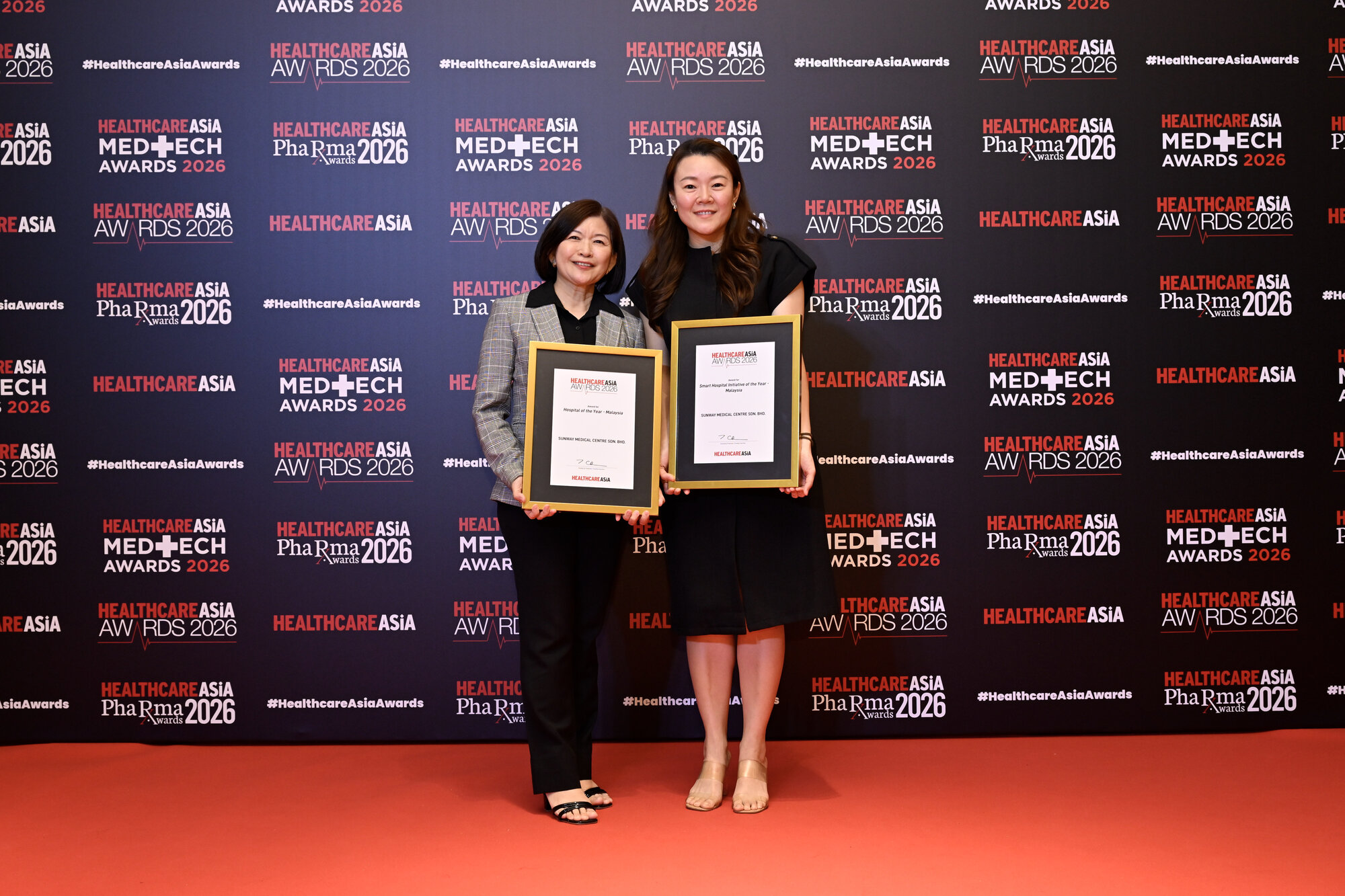
    Sunway Medical Centre, Sunway City (SMC), Malaysia’s largest private quaternary hospital, has been honoured as Hospital of the Year – Malaysia at the prestigious Healthcare Asia Awards 2026, marking its fifth consecutive win in this category. In addition, SMC was also recognised with the Smart Hospital Initiative of the Year – Malaysia, acknowledging the hospital’s innovative use of digital technologies to enhance operational efficiency and patient satisfaction.

    This continued recognition highlights SMC’s commitment to advancing healthcare delivery through clinical excellence, patient-centred care, and cutting-edge innovation. With a team of over 300 resident consultants across 80 medical specialities and 28 Centres of Excellence, SMC provides comprehensive, multidisciplinary care tailored to the unique needs of every patient.

    Dr Seow Vei Ken, Chief Executive Officer of SMC, said the awards reflect the hospital’s unwavering dedication to elevating healthcare standards through both medical expertise and technological innovation. “To receive the Hospital of the Year award for the fifth year in a row, alongside the Smart Hospital Initiative recognition, validates our vision at SMC. We remain committed to integrating advanced digital solutions to improve care delivery and ensure the best outcomes for our patients,” he said.

    Among its notable advancements, SMC introduced Malaysia’s first Photon-Counting CT System in 2025, a next-generation imaging technology offering ultra-high resolution for a wide range of clinical applications. The hospital has also achieved significant milestones in its robotic spine surgery programme using the AiBLE™ Spine Surgical Suite, providing robotic guidance for minimally invasive spine procedures in Malaysia and across Southeast Asia.

    Award recipients, including Sunway Medical Centre, Sunway City (SMC), photographed at the Healthcare Asia Awards 2026.

    These accolades add to SMC’s growing list of international recognitions. The hospital was recently named the Top Hospital in Malaysia and ranked among the top 250 hospitals worldwide in Newsweek’s World’s Best Hospitals 2026. It also secured the number one ranking in Asia for cataract surgery, alongside top positions in ophthalmology and orthopaedic procedures, in Newsweek’s Asia’s Top Private Hospitals and Clinics 2026.

    As the flagship hospital of Sunway Healthcare Group (SHG), SMC continues to expand its capabilities. With the upcoming completion of its sixth block, Tower F (Children’s Pavilion), later this year, the hospital’s capacity will exceed 1,000 beds, supported by a multidisciplinary team delivering personalised, holistic care. SMC is also Malaysia’s first private hospital to achieve three major hospital-wide accreditations: Joint Commission International (JCI) Gold Seal of Approval, Australian Council on Healthcare Standards (ACHS) International, and the Malaysian Society for Quality in Health (MSQH).

    The Healthcare Asia Awards celebrate exceptional hospitals, clinics, and healthcare organisations across Asia, recognising institutions that demonstrate innovation, set new benchmarks in healthcare excellence, and contribute significantly to their communities. With these latest awards, SMC reaffirms its position as a leader in Malaysia’s healthcare landscape, consistently delivering world-class care and pioneering medical advancements.

  • Sunway Medical Centre, Sunway City Named Malaysia’s No. 1 Hospital in Newsweek’s World’s Best Hospitals 2026 Ranking

    Sunway Medical Centre, Sunway City Named Malaysia’s No. 1 Hospital in Newsweek’s World’s Best Hospitals 2026 Ranking

    Sunway Medical Centre, Sunway City has been ranked No. 1 hospital in Malaysia in the prestigious World’s Best Hospitals 2026, published by Newsweek. The recognition reaffirms the hospital’s strong commitment to clinical excellence, patient safety, and patient-centred care, while strengthening its reputation as one of the leading healthcare institutions in the region.

    In the 2026 global ranking, the hospital also recorded a significant improvement, rising to 138th place worldwide, up from 193rd in 2025 and 233rd in 2024, while maintaining its position as Malaysia’s top-ranked hospital. According to Dato’ Lau Beng Long, President of Sunway Healthcare Group, the recognition reflects the dedication and professionalism of the hospital’s doctors, nurses, and staff, as well as the trust placed in the institution by patients and partners both locally and internationally.

    He noted that the achievement serves as motivation for the organisation to continue strengthening clinical governance, enhancing patient safety and overall patient experience, while investing in capabilities that support the delivery of consistent, high-quality healthcare services. These ongoing efforts aim to ensure that patients receive safe, effective, and personalised care.

    The World’s Best Hospitals ranking evaluates more than 2,500 hospitals from a global pool of over 200,000 healthcare institutions, including public hospitals, teaching hospitals, university hospitals, and private medical centres. Only the Top 250 hospitals worldwide are included in the published global list, which features internationally renowned institutions such as Mayo Clinic – Rochester, Cleveland Clinic, The Johns Hopkins Hospital, and Singapore General Hospital. The inclusion of Sunway Medical Centre in this list highlights its standing among some of the world’s most respected healthcare institutions.

    The ranking is based on a comprehensive, multi-source evaluation methodology. This includes peer recommendations from a global survey of more than 100,000 medical experts, alongside patient experience data, hospital quality metrics, and Patient-Reported Outcome Measures (PROMs) that assess how hospitals measure and improve patient outcomes based on patient feedback.

    As the flagship hospital of Sunway Healthcare Group, Sunway Medical Centre, Sunway City currently houses more than 300 resident medical consultants and provides comprehensive healthcare services across over 80 medical specialties and 28 Centres of Excellence. With the completion of its sixth block, Tower F (Children’s Pavilion), the hospital’s capacity is expected to expand to more than 1,000 beds, further strengthening its ability to deliver integrated and multidisciplinary care.

    The hospital is also recognised as Malaysia’s first private hospital to obtain three major hospital-wide accreditations: the Gold Seal of Approval from Joint Commission International, accreditation from the Australian Council on Healthcare Standards International, and certification by the Malaysian Society for Quality in Health. These recognitions reflect its adherence to internationally recognised standards of quality and patient safety.

    Published annually by Newsweek in partnership with Statista, the World’s Best Hospitals ranking benchmarks leading healthcare institutions across major healthcare systems, including those in the United States, the United Kingdom, Australia, Japan, Singapore, South Korea, and Taiwan. The latest recognition further positions Sunway Medical Centre, Sunway City as a key player in global healthcare and highlights Malaysia’s growing presence in the international medical landscape.