
Category: Community Impact

  • Safer, Cleaner, Newer: Evaluating the RM4,000 Car Replacement Initiative

    Newer vehicles are undeniably safer, cleaner, and more environmentally responsible. Advances in structural crash protection, braking systems, and active safety technologies have transformed modern cars into far more protective mobility solutions compared to vehicles produced two decades ago. At the same time, improvements in engine efficiency and emissions control have lowered pollutants and greenhouse gas output, aligning with Malaysia’s long-term sustainability goals, including the national commitment to achieving carbon neutrality by 2050. In this context, the government’s RM4,000 incentive encouraging owners of vehicles over 20 years old to retire their cars represents a timely and logical intervention.

    From a road safety perspective, the rationale is compelling. Vehicles designed more than 20 years ago were built to safety standards that fall well short of today’s expectations. Many lack features such as Electronic Stability Control, comprehensive airbag systems, and modern crash energy management structures, while child safety provisions like ISOFIX anchorages were not universally available. Encouraging the gradual replacement of these ageing vehicles reduces exposure to outdated protection levels and can lower the severity of injuries and fatalities in traffic collisions. Even modest improvements in overall fleet safety can deliver meaningful public health benefits over time.

    Environmental considerations provide an equally strong argument. Older vehicles often operate under Euro 2 or earlier emission standards, whereas newer vehicles in Malaysia must meet Euro 4 or Euro 5 requirements. The reduction in harmful pollutants such as nitrogen oxides, hydrocarbons, carbon monoxide, and particulate matter is significant. As higher-emission legacy vehicles are phased out, urban air quality is expected to improve. While reductions in carbon dioxide vary depending on engine type and usage patterns, newer vehicles generally offer better fuel efficiency and lower emissions per kilometre. Renewing the vehicle fleet therefore complements national climate objectives while improving local environmental conditions.

    The economic implications, however, require a more nuanced discussion. Owners of vehicles over 20 years old are often from lower-income households. For many, retaining an older car is driven by necessity rather than choice. These vehicles are typically fully paid, insurance costs are modest, and replacement—even with the RM4,000 incentive—introduces new financing commitments that may strain household cash flow. This concern is valid and highlights the importance of affordability and accessibility within the policy framework.

    Yet the financial comparison is rarely as simple as weighing loan repayments against none. Ageing vehicles often carry hidden costs that accumulate over time. Older engines consume more fuel, lose efficiency, and may require frequent oil top-ups. Maintenance intervals shorten, component failures become more frequent, and repairs can be unpredictable. Spare parts may also become harder to source, making proper restoration technically difficult or economically unjustifiable. These ongoing expenses can erode the perceived cost advantage of keeping an older vehicle.

    Viewed holistically, upgrading to a newer vehicle can, in the right circumstances, stabilise household mobility expenses. Better fuel efficiency, a lower likelihood of major breakdowns, and fewer unscheduled repairs introduce greater predictability into ownership costs. For households already burdened by high spending on fuel and maintenance, transitioning to fixed monthly instalments may not significantly increase financial pressure.

    At the industry level, the initiative has the potential to stimulate new vehicle demand and support Total Industry Volume. The benefits extend beyond manufacturers to the wider automotive ecosystem, including suppliers, dealerships, service networks, insurers, logistics providers, and financial institutions. The multiplier effects across the economy are substantial, reinforcing employment, technological capability, and investment attractiveness.

    In conclusion, the RM4,000 vehicle retirement incentive reflects a positive policy direction with clear safety and environmental benefits. Concerns regarding affordability, particularly among lower-income households, should not be ignored. At the same time, the growing operational inefficiencies and repair uncertainties associated with ageing vehicles must also be acknowledged. The long-term success of this initiative will depend on ensuring that the path to safer and cleaner mobility is both encouraged and realistically attainable.

    Ir Dr Rifqi Irzuan Abdul Jalal is an Associate Professor at the School of Engineering, Faculty of Innovation and Technology, Taylor’s University, specialising in vehicle technology, electrification, and mobility systems. He also serves as an Executive Committee member of the Society of Automotive Engineers Malaysia.

  • GiveToGain: Pilihan Bijak Wanita Malaysia Untuk Kesihatan Optimum

    GiveToGain: Pilihan Bijak Wanita Malaysia Untuk Kesihatan Optimum

    Sempena sambutan Hari Wanita Antarabangsa 2026, tema #GiveToGain menyeru wanita untuk mengamalkan budaya memberi yang mampu mencetuskan perubahan positif dan berkekalan, bukan sahaja untuk orang lain, tetapi juga untuk diri sendiri. Pada tahun 2025, jumlah penduduk Malaysia mencecah 34.2 juta orang, dengan lelaki melebihi wanita iaitu 18.0 juta berbanding 16.3 juta. Namun, di sebalik angka-angka ini, tersingkap satu realiti yang lebih mendalam. Di seluruh isi rumah di Malaysia dan rantau Asia Pasifik, wanita memikul pelbagai peranan serentak sebagai individu profesional di tempat kerja, pembuat keputusan di rumah, dan tunjang emosi keluarga. Tanggungjawab yang bertindih ini sering menyebabkan waktu makan tergesa-gesa, tidur yang tidak mencukupi, dan tekanan meningkat, sekali gus menjejaskan kesihatan dan kesejahteraan diri.

    Dr Vipada Sae-Lao, Ketua Pendidikan dan Latihan Pemakanan — Asia Pasifik, Herbalife, berkata, “Sebagai ahli Lembaga Penasihat Dietetik Herbalife yang bekerja merentasi pelbagai budaya di Asia Pasifik, saya sering melihat satu hakikat yang sama: apabila wanita melabur dalam kesihatan diri, keluarga, tempat kerja dan generasi akan datang turut memperoleh manfaat. Melalui kerjasama rapat dengan wanita yang mengimbangi pelbagai tanggungjawab, tema #GiveToGain menegaskan satu realiti jelas — menjaga kesihatan diri adalah antara cara paling berkesan untuk mengekalkan tenaga dan daya tahan bagi menyokong kerjaya serta keluarga.”

    Dr. Vipada Sae-Lao, Nutrition Education and Training Lead – Asia Pacific, Herbalife.

    Wanita di rantau ini juga berdepan dengan ketidakseimbangan pemakanan yang ketara. Data terkini menunjukkan peningkatan kadar obesiti dalam kalangan orang dewasa, manakala masalah bantut dalam kalangan kanak-kanak serta anemia dalam kalangan wanita usia reproduktif masih berleluasa. Menurut Tinjauan Kebangsaan Kesihatan dan Morbiditi (NHMS) 2024, kadar obesiti wanita adalah lebih tinggi iaitu 27.5% berbanding 19.3% lelaki. Beban berganda ini menjejaskan pelbagai aspek kehidupan — daripada kesihatan ibu dan anak hinggalah tahap tenaga dan daya tahan harian — sekaligus menekankan keperluan wanita mengutamakan kesihatan dan kesejahteraan diri melalui pilihan yang lebih bijak setiap hari.

    Pemakanan seimbang menjadi asas kepada usaha mencegah penyakit, mengekalkan tenaga, kestabilan metabolik, daya tahan imun, dan penuaan yang sihat sepanjang hayat. Kajian menunjukkan kekurangan mikronutrien, khususnya zat besi, folat dan vitamin B12, lazim dalam kalangan wanita usia reproduktif di seluruh Asia, walaupun pengambilan kalori mencukupi. Hidrasi juga memainkan peranan penting, membantu tubuh menyerap nutrien dengan optimum dan mengekalkan fungsi harian. Membawa air minuman rendah gula serta pengambilan kafein secara berhemah membantu memenuhi keperluan cecair harian sekitar dua liter, menyokong kesihatan secara keseluruhan.

    Sepanjang kitaran hidup wanita, keperluan pemakanan berkembang selari dengan perubahan hormon. Hanya kira-kira 33.5% wanita mencapai pengambilan zat besi yang disyorkan berbanding 55.8% lelaki. Semasa usia haid, kehilangan zat besi secara berkala meningkatkan keperluan terhadap makanan kaya zat besi seperti daging tanpa lemak, lentil, kacang, sayur berdaun hijau, dan bijirin yang diperkaya. Menggabungkan makanan ini dengan buah-buahan dan sayur tinggi vitamin C dapat meningkatkan penyerapan zat besi. Menopaus pula membawa perubahan hormon dan metabolik yang meningkatkan risiko penyakit kardiovaskular. Diet yang menyokong kesihatan jantung, termasuk buah-buahan, sayur-sayuran, bijirin penuh, dan makanan kaya Omega-3 seperti ikan berlemak, biji rami, kacang walnut, dan soya membantu mengekalkan tahap kolesterol dan trigliserida yang sihat. Serat larut daripada kacang, oat, epal, dan barli pula menyokong kawalan kolesterol, rasa kenyang, dan pengurusan berat badan.

    Mulai usia 40-an, penurunan estrogen boleh mempercepatkan sarkopenia, iaitu kehilangan kekuatan otot berkaitan usia. Aktiviti fizikal yang mencukupi, termasuk latihan rintangan secara berkala, serta pengambilan protein daripada sumber seperti daging tanpa lemak, ikan, kekacang, produk tenusu, tauhu, dan biji-bijian adalah penting untuk mengekalkan otot dan kekuatan tubuh. Suplemen boleh membantu menampung kekurangan pemakanan, namun penggunaannya perlu disesuaikan dengan keperluan individu dan dipandu oleh profesional.

    Woman enjoys walking outdoors.

    Tidur yang mencukupi, aktiviti fizikal konsisten, dan pengurusan tekanan saling berkait rapat dan memainkan peranan penting dalam pengawalan berat badan, kesihatan kulit, dan kesejahteraan mental. Sekitar 150 minit aktiviti sederhana setiap minggu, digabungkan latihan rintangan, meningkatkan kesihatan kardiovaskular, mengekalkan ketumpatan otot dan tulang, serta memperbaiki kualiti tidur, yang amat penting selepas menopaus. Rutin tidur yang konsisten dan pengurangan pendedahan skrin mengukuhkan kesihatan metabolik, menjadikan tidur asas penting bagi penuaan sihat dan pengurusan berat badan berterusan.

    Pemakanan juga mempengaruhi kesejahteraan mental, meningkatkan daya tindak balas terhadap tekanan, kualiti tidur, dan kestabilan emosi. Diet kaya Omega-3, waktu makan konsisten, dan hidrasi mencukupi — sambil mengehadkan bahan rangsangan — menyokong keseimbangan emosi wanita yang menghadapi tekanan harian. Kajian menunjukkan wanita lebih stabil secara emosi apabila disokong rangkaian sosial kukuh, yang membantu mengurangkan stres, meningkatkan kesejahteraan, serta memberi impak positif kepada keluarga, komuniti, tempat kerja, dan ekonomi.

    Secara ringkas, kesejahteraan jangka panjang dibentuk oleh pilihan harian sejak awal sebelum gejala membimbangkan muncul. Memberi kepada diri sendiri — melalui pemakanan konsisten dan penjagaan pencegahan — bukan tentang melakukan lebih banyak, tetapi melakukannya dengan lebih berhemah dan konsisten. Selamat Hari Wanita Antarabangsa. Semoga wanita Malaysia kekal kuat, sihat, dan bertenaga.

  • China Medical System Achieves NDA Approval for First-in-Class Vitiligo Therapy in China

    China Medical System Holdings Limited (CMS) has announced that its subsidiary, Dermavon Holdings Limited, has received New Drug Application (NDA) approval from the National Medical Products Administration (NMPA) of China for ruxolitinib phosphate cream for the treatment of non-segmental vitiligo. This approval grants Dermavon full regulatory authorisation to commercialise the product across Mainland China. The cream is a selective JAK1/JAK2 inhibitor and is currently the first and only drug approved by both the U.S. Food and Drug Administration (FDA) and the European Medicines Agency (EMA) for repigmentation in non-segmental vitiligo.

    Vitiligo remains a significant unmet medical need in China, with an estimated 10.3 million patients, including approximately 8.2 million with the non-segmental form. As the first targeted treatment approved in China for this condition, the product represents a major milestone in addressing a long-standing treatment gap. Clinical data from two overseas Phase III studies met their primary endpoints, with 29.9% of patients achieving F-VASI 75 after 24 weeks of treatment, significantly higher than placebo groups. Continued treatment for up to 52 weeks demonstrated sustained repigmentation. Real-world data in China further confirmed consistent efficacy, with secondary endpoints aligning with the primary outcomes and showing continued improvement over time.

    In addition, the Phase III clinical trial in China for ruxolitinib phosphate cream in the treatment of mild to moderate atopic dermatitis has shown positive results, and CMS is actively advancing the NDA process for this indication. The product is part of a collaboration and licensing agreement signed with Incyte in December 2022, under which CMS obtained exclusive rights to develop, register and commercialise the product across Mainland China, Hong Kong, Macau, Taiwan and eleven Southeast Asian countries, along with non-exclusive manufacturing rights in the region.

    Since beginning independent operations in 2021, Dermavon has demonstrated strong growth momentum and established a leading position in China’s skin health sector. To further unlock its value and growth potential, CMS has proposed a spin-off and separate listing of Dermavon on the Main Board of the Hong Kong Stock Exchange. This reflects CMS’s successful transition towards an innovation-driven business model focused on developing and commercialising first-in-class and best-in-class therapies.

    To date, CMS has built a portfolio of approximately 40 innovative products, with six already approved for marketing in China. Supported by a strong and optimised pipeline of innovative and exclusive drugs, the Group is well positioned to sustain its growth momentum. CMS will continue to strengthen its presence in key therapeutic areas including cardiocerebrovascular diseases, central nervous system, gastroenterology, metabolic diseases, ophthalmology and skin health, while expanding access to global innovative therapies. At the same time, the Group is advancing its internationalisation strategy, with Southeast Asia and the Middle East identified as important growth markets, leveraging its strengths in navigating complex regulatory and healthcare systems to drive sustainable, long-term value creation.

  • Unwavering Voices, Meaningful Transformation

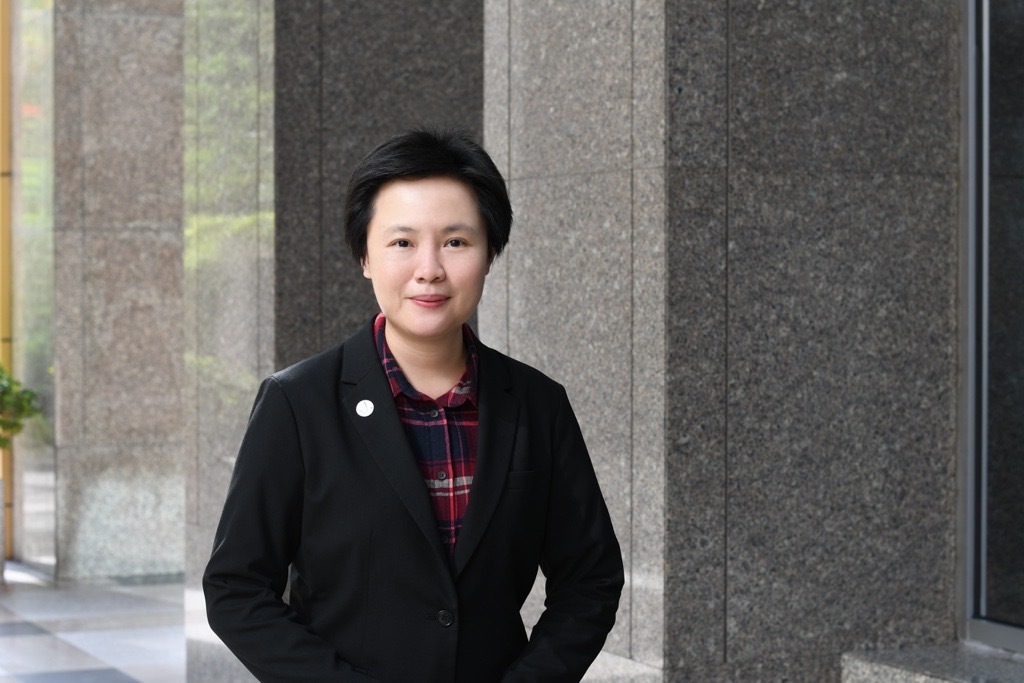
    In conjunction with International Women’s Day, Taylor’s University shines a spotlight on three remarkable women whose work is shaping more inclusive, resilient, and compassionate communities. From climate-responsive design and dementia care to sustainable food innovation, their leadership reflects a powerful truth: transformative change begins with steadfast voices grounded in purpose, empathy, and evidence.

    At the forefront of climate and sustainability advocacy is Dr Praveena Nair Sivasankaran, Director of the Clean Technology Impact Lab. With over a decade of experience in clean technology, she founded ‘Cooling the Heat, Healing the Mind’ (CHHM) to examine how extreme heat affects mental health while exploring practical cooling strategies. Her conviction was strengthened after engaging with frontline personnel who described the psychological toll of working under prolonged heat stress. For Dr Praveena, climate resilience must go beyond infrastructure — it must account for the human nervous system. Collaborating with students from The Design School, she has proposed wearable cooling concepts and monitoring ideas informed by direct engagement with outdoor vendors. Her approach to sustainability is deeply human-centred, emphasising dignity, behavioural awareness, and inclusive participation, particularly ensuring women’s voices are meaningfully integrated into environmental decision-making.

    Championing cognitive health and dignified ageing, Professor Dr Rozainee Khairudin, Director of the Mental Health and Well-being Impact Lab, brings both professional expertise and personal experience to her work. Inspired by witnessing her late mother’s journey through stroke-related cognitive decline, she leads ‘ArtsProud: An Intervention Study Using Artistic Methods to Reduce Cognitive Decline in Normal Elderly and Individuals with Dementia’ in Malaysia. Building on the original ArtsProud social enterprise initiative, her research strengthens the evidence base for arts-based interventions, demonstrating that structured engagement in music, storytelling, movement, and art can activate neural networks and reduce cognitive decline. In a field often dominated by biomedical models, Professor Rozainee advocates for integrating behavioural science, empathy, and creativity into dementia care. She believes compassion is not a weakness in academia but a strength — one that deepens impact and builds trust across communities.

    In the realm of food innovation and nutrition security, Professor Ts. Dr. Chong Li Choo has earned international recognition, including the President’s Award from The Research Chefs Association and the Food Innovation Educator Award 2025. Yet for her, accolades affirm relevance rather than personal achievement. Through initiatives such as Nourish-U, she works with schools, meal providers, and community partners to design balanced, affordable meals while transferring practical nutritional knowledge to caregivers and educators. Her research journey, which began with developing high-fibre noodles from underutilised plantain and agricultural by-products, reflects her belief that small, thoughtful innovations can collectively address complex issues like the coexistence of obesity and malnutrition. As a mentor, she is especially committed to nurturing young female talents, encouraging confidence and resilience among students who may underestimate their own capabilities.

    Together, these three leaders embody a model of women’s leadership that is steady rather than loud, evidence-driven yet compassionate. Whether confronting climate stress, cognitive decline, or food insecurity, their work demonstrates that sustainable solutions must integrate technical expertise with human wellbeing. This International Women’s Day, their stories serve as a reminder that meaningful progress is not only about innovation — it is about inclusion, dignity, and the courage to lead with clarity and care.