Category: Healthcare & Medicine

  • Laying the Foundation for a Healthy Pregnancy and Baby

    Laying the Foundation for a Healthy Pregnancy and Baby

    From conception through the first days of life, early care plays a crucial role in shaping a child’s lifelong health. According to Dr Sharmina Kamal Binti Shamsul Kamal, Consultant Obstetrician and Gynaecologist at Sunway Medical Centre, Sunway City (SMC), preparation for a healthy pregnancy should ideally begin even before a positive pregnancy test.

    She explained that women are encouraged to undergo pre-pregnancy medical check-ups to detect conditions such as diabetes, hypertension or other underlying health issues that may affect pregnancy outcomes if left unmanaged. With the rising prevalence of these conditions among young Malaysians, early screening has become increasingly important. She also emphasised the need to review medications beforehand to ensure they are safe for use during pregnancy.

    Dr Sharmina further highlighted the importance of folic acid supplementation, noting that it should be started even before conception. This is because the baby’s neural tube develops very early in pregnancy, and early supplementation offers the best protection against serious neural tube defects.

    During pregnancy, each trimester represents important stages of development. The first trimester is the most delicate as the baby’s organs begin forming, while the second and third trimesters focus on growth, maturation and bonding as the baby becomes more responsive to sound and movement. She noted that nutrition plays a vital role throughout pregnancy, as deficiencies in the mother can directly affect the baby’s development.

    She advised expectant mothers to avoid smoking and alcohol, limit caffeine intake and maintain a balanced diet. In Malaysia, iron, calcium and vitamin D deficiencies are commonly seen among pregnant women. Iron deficiency may lead to anaemia, causing fatigue and increasing the risk of poor foetal growth, while calcium and vitamin D deficiencies can affect bone health during and after pregnancy. However, supplements should only be taken under medical supervision, alongside a nutritious diet rich in protein, leafy greens, whole grains and dairy or fortified alternatives.

    Antenatal visits, she stressed, are far more than routine check-ups. These appointments are essential for monitoring pregnancy progress, detecting complications early and ensuring the baby’s healthy development. Early scans help confirm pregnancy viability and establish accurate dating, while regular follow-ups allow doctors to closely monitor the baby, placenta and amniotic fluid. Conditions such as preeclampsia and gestational diabetes can often be identified before symptoms become severe.

    During festive periods, Dr Sharmina encouraged mothers to practise moderation rather than restriction. She advised enjoying celebrations while maintaining balanced meals, avoiding alcohol, ensuring food is properly cooked and getting sufficient rest. Adequate sleep, hydration and proper pacing of activities are important for maternal wellbeing.

    After delivery, the first hours are especially important for both mother and baby. She recommended immediate skin-to-skin contact, which helps stabilise the baby’s blood sugar, supports breastfeeding and strengthens early bonding.

    Emotionally, many mothers may experience temporary postpartum blues, affecting around 60 to 80 per cent of women in the first two weeks after birth. However, persistent sadness, withdrawal or worsening symptoms may indicate postpartum depression and should be assessed by a medical professional. Physical recovery also requires attention, particularly if there is increasing pain, fever, poor wound healing or abnormal discharge.

    During confinement, proper nutrition remains essential for recovery and breastfeeding. Adequate intake of protein, iron and fluids supports healing, while restricting water may lead to dehydration, reduced milk supply and increased risk of blood clots. Gentle movement is encouraged to improve circulation, while prolonged immobility should be avoided. Family support is equally important, especially in helping reduce household responsibilities so parents can focus on recovery and bonding with their newborn.

    Breastfeeding provides significant benefits, although many mothers face challenges due to limited support or misinformation. Early milk production is naturally small, requiring frequent feeding to establish supply. Education, workplace support and family encouragement play a key role in helping mothers succeed.

    As families come together to welcome a newborn, simple measures such as proper hand hygiene and limiting close contact when the baby is very young can help reduce infection risks while maintaining meaningful family bonding.

    Dr Sharmina concluded that with informed decisions, appropriate medical care and strong family support, mothers can experience a healthier pregnancy journey and give their children the best possible start in life.


  • IJN Achieves Historic Milestone as Asia’s First EAPC-Accredited Sports Cardiology Centre

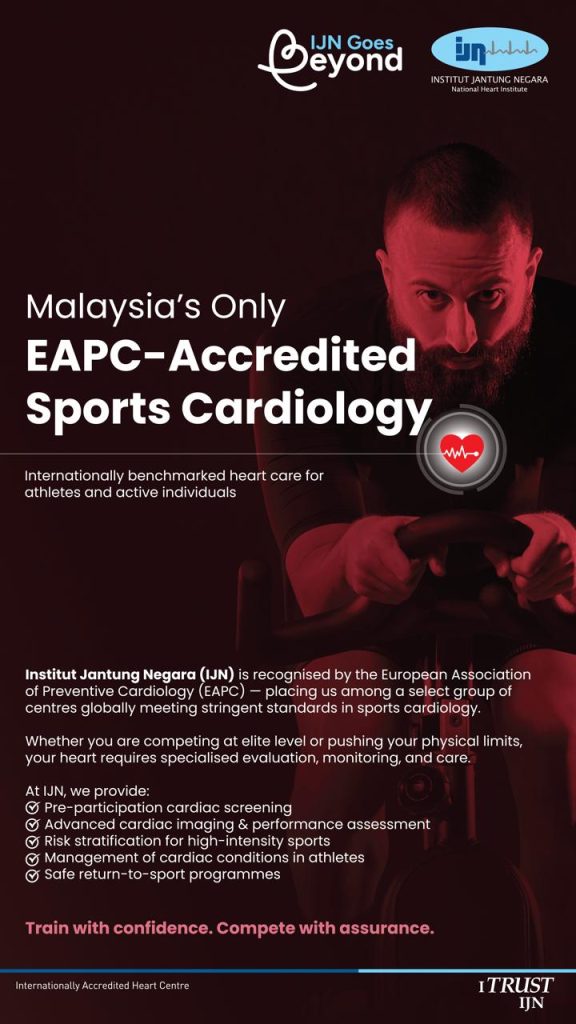
    Institut Jantung Negara (IJN) has successfully obtained accreditation from the European Association of Preventive Cardiology (EAPC) for Sports Cardiology, becoming the first centre in Asia to receive this recognition under the EAPC Preventive Cardiology Centre Accreditation programme. This achievement underscores IJN’s commitment to delivering high-quality cardiovascular care in line with international standards. The accreditation signifies that IJN meets stringent criteria in cardiovascular preventive care, particularly in Sports Cardiology, including adherence to the latest clinical guidelines, well-established infrastructure, and a highly trained multidisciplinary team.

    Chief Executive Officer of IJN, Prof. Dato’ Sri Dr. Mohamed Ezani Md Taib, said the accreditation reflects the institution’s continuous efforts to enhance patient care and outcomes. He described the recognition as a significant milestone that demonstrates IJN’s commitment to delivering high-quality, evidence-based cardiovascular care. He added that the accreditation validates the strength of IJN’s Sports Cardiology service, which is built on sound clinical governance, up-to-date guidelines, a capable multidisciplinary team, and the appropriate infrastructure to support improved patient outcomes. As the first centre in Asia to receive this recognition under the programme, he emphasised that IJN remains committed to advancing its capabilities in line with international standards while reinforcing its position as a leading cardiac centre in the region.

    Dato’ Sri Dr. Azmee Mohd Ghazi, Director of Sports Cardiology at IJN, said the accreditation highlights the importance of specialised cardiovascular care in supporting active individuals and athletes. He noted that the recognition reflects the strength of IJN’s Sports Cardiology programme in delivering comprehensive, evidence-based care for athletes and physically active individuals. It also reinforces IJN’s role in ensuring safe sports participation through proper cardiovascular assessment, risk management, and continuous monitoring aligned with international best practices.

    The EAPC accreditation programme aims to establish benchmarks in preventive cardiology practice, ultimately improving the quality of care and cardiovascular health outcomes globally. With this recognition, IJN joins a global network of accredited centres committed to advancing preventive cardiology, fostering collaboration, and promoting best practices in the prevention of cardiovascular disease.

    Director of Sports Cardiology at IJN, Dato’ Sri Dr. Azmee Mohd Ghazi, noted that the accreditation highlights the importance of specialised cardiovascular care in supporting athletes and physically active individuals. He explained that the recognition reflects the strength of IJN’s Sports Cardiology programme in delivering comprehensive, evidence-based care, while reinforcing its role in ensuring safe sports participation through proper cardiovascular assessment, risk management, and continuous monitoring aligned with international best practices.

    The EAPC accreditation programme aims to establish benchmarks in preventive cardiology practice, ultimately improving the quality of care and cardiovascular health outcomes globally. With this recognition, IJN joins a global network of accredited centres dedicated to advancing preventive cardiology, fostering collaboration, and promoting best practices in the prevention of cardiovascular disease.

  • Pengambilan Suplemen Semakin Popular, Namun Keputusan Bermaklumat Masih Rendah

    Pengambilan Suplemen Semakin Popular, Namun Keputusan Bermaklumat Masih Rendah

    Dengan tahap kefahaman yang semakin meningkat terhadap kesihatan dan kesejahteraan, pengguna masa kini kian peka tentang kepentingan menjaga kesihatan serta mengurangkan keperluan mendapatkan rawatan di klinik atau hospital. Pendekatan penjagaan kesihatan secara pencegahan kini menjadi keutamaan dalam kalangan pengguna di Asia Pasifik (APAC), dengan 92% menyatakan ia penting untuk kesejahteraan menyeluruh. Di Malaysia, tahap kesedaran ini lebih tinggi apabila mencecah 95%, berdasarkan tinjauan terkini oleh Herbalife.

    Menurut Dr. Alex Teo, Pengarah Penyelidikan, Pembangunan dan Hal Ehwal Saintifik Asia Pasifik, Herbalife, semakin ramai individu berusaha meningkatkan tahap kesihatan dengan mengamalkan pemakanan lebih seimbang, bersenam dan mengambil makanan tambahan atau suplemen. Kini, suplemen dilihat sebagai pelengkap kepada kesihatan menyeluruh, membantu meningkatkan sistem imun serta menyokong pencapaian matlamat kesihatan individu. Lazimnya, pengambilan suplemen disarankan oleh doktor, pakar pemakanan, syarikat penjagaan kesihatan dan juga rakan-rakan.

    Tinjauan Herbalife yang melibatkan 9,000 pengguna di 11 pasaran pada Mei 2025 mendapati dua daripada lima pengguna di Malaysia mengambil suplemen secara berkala. Namun begitu, dapatan turut menunjukkan satu trend yang membimbangkan apabila hanya 65% responden yakin bahawa mereka membuat keputusan yang tepat berkaitan pemakanan tambahan.

    Pemilihan suplemen secara bertanggungjawab memerlukan pemahaman yang jelas tentang komposisi ramuan, kualiti produk, dos yang disyorkan, had pengambilan serta potensi interaksi dengan makanan tambahan dan ubat-ubatan lain. Tanpa pengetahuan yang mencukupi, pengguna mungkin sukar memperoleh manfaat optimum daripada suplemen, sekali gus menjejaskan usaha penjagaan kesihatan pencegahan mereka.

    Bagi menangani cabaran ini, penting untuk mengenal pasti jurang pengetahuan dalam kalangan pengguna mengenai suplemen. Tinjauan Herbalife mendapati bahawa pengguna daripada pelbagai peringkat umur masih kurang memahami cara pengambilan suplemen yang selamat dan berkesan. Lebih membimbangkan, ramai yang tidak menyedari dos yang sesuai serta had maksimum pengambilan, terutamanya apabila mengambil lebih daripada satu jenis suplemen. Di Malaysia, sebanyak 24% responden tidak menyedari kesan pengambilan suplemen secara berlebihan.

    Dr. Teo turut menjelaskan bahawa separuh daripada responden dalam kalangan generasi Boomer di APAC mengambil suplemen setiap hari, namun hanya 30% yang membuat keputusan secara bermaklumat, menjadikan mereka kumpulan paling kurang peka. Tahap keyakinan mereka juga rendah, dengan hanya 42% yakin terhadap keputusan pemakanan tambahan mereka berbanding kumpulan umur lain. Sebaliknya, generasi Gen Z dilihat paling yakin tentang kepentingan membuat keputusan bermaklumat (47%) serta paling yakin (58%) terhadap keupayaan mereka membuat pilihan yang lebih bijak berkaitan pengambilan suplemen.

    Selain itu, kekurangan pemahaman tentang interaksi antara suplemen dan ubat-ubatan turut menjadi kebimbangan. Sebagai contoh, herba St. John’s Wort boleh mengurangkan keberkesanan ubat seperti warfarin dan statin tertentu. Pengambilan suplemen kalsium secara berlebihan pula boleh menyebabkan hiperkalsemia, iaitu keadaan di mana paras kalsium dalam darah menjadi terlalu tinggi, yang boleh mengakibatkan kelemahan tulang dan pembentukan batu karang. Tinjauan juga mendapati 59% responden di Malaysia tidak mengetahui had pengambilan harian kalsium, manakala 74% tidak menyedari kesan pengambilan berlebihan.

    Dari sudut positif, responden di Malaysia mengakui peranan mereka dalam membuat keputusan yang bijak, dengan 84% menyedari kepentingannya. Namun, tanggungjawab ini tidak terletak pada pengguna semata-mata, sebaliknya memerlukan kerjasama antara pengguna dan penyedia suplemen.

    Walaupun akses kepada maklumat kini lebih meluas, membuat keputusan yang tepat mengenai suplemen tetap memerlukan usaha. Pengguna perlu membaca label, melakukan rujukan sendiri dan mendapatkan panduan daripada sumber yang sahih. Pada masa yang sama, sokongan daripada profesional yang dipercayai serta berlandaskan sains amat diperlukan. Walaupun 58% responden mendapatkan nasihat doktor atau pakar pemakanan, masih terdapat sebahagian yang belum berbuat demikian.

    Sehubungan itu, semua pihak memainkan peranan penting dalam memastikan penggunaan suplemen yang selamat. Pengguna perlu mendapatkan maklumat yang tepat, profesional kesihatan harus memberikan nasihat berasaskan bukti saintifik, manakala penyedia suplemen perlu memastikan pelabelan yang jelas serta komunikasi yang telus. Selain itu, kawalan kualiti produk yang ketat, pengesahan keselamatan dan jaminan keberkesanan perlu menjadi asas dalam meningkatkan keyakinan pengguna.

    Berdasarkan tinjauan Herbalife, pengguna percaya bahawa suplemen memainkan peranan penting dalam meningkatkan kesihatan dan kesejahteraan. Oleh itu, penting untuk memastikan suplemen yang diambil adalah sesuai serta diamalkan dengan cara yang betul.

    Dalam usaha meningkatkan tahap kesihatan, kerjasama antara penyedia suplemen dan pengguna amat penting bagi menyokong matlamat kesihatan masing-masing. Syarikat pemakanan boleh memainkan peranan sebagai peneraju dalam membentuk pemikiran pengguna, manakala pendidikan mengenai suplemen perlu dipertingkatkan agar pengguna lebih berdaya membuat pilihan yang tepat. Dengan pendekatan ini, pengambilan suplemen secara bertanggungjawab dapat dijadikan amalan harian, sekali gus membantu pengguna di rantau ini mengekalkan kesihatan untuk jangka masa yang lebih panjang.

  • China Medical System Achieves NDA Approval for First-in-Class Vitiligo Therapy in China

    China Medical System Holdings Limited (CMS) has announced that its subsidiary, Dermavon Holdings Limited, has received New Drug Application (NDA) approval from the National Medical Products Administration (NMPA) of China for ruxolitinib phosphate cream for the treatment of non-segmental vitiligo. This approval grants Dermavon full regulatory authorisation to commercialise the product across Mainland China. The cream is a selective JAK1/JAK2 inhibitor and is currently the first and only drug approved by both the U.S. Food and Drug Administration (FDA) and the European Medicines Agency (EMA) for repigmentation in non-segmental vitiligo.

    Vitiligo remains a significant unmet medical need in China, with an estimated 10.3 million patients, including approximately 8.2 million with the non-segmental form. As the first targeted treatment approved in China for this condition, the product represents a major milestone in addressing a long-standing treatment gap. Clinical data from two overseas Phase III studies met their primary endpoints, with 29.9% of patients achieving F-VASI 75 after 24 weeks of treatment, significantly higher than placebo groups. Continued treatment for up to 52 weeks demonstrated sustained repigmentation. Real-world data in China further confirmed consistent efficacy, with secondary endpoints aligning with the primary outcomes and showing continued improvement over time.

    In addition, the Phase III clinical trial in China for ruxolitinib phosphate cream in the treatment of mild to moderate atopic dermatitis has shown positive results, and CMS is actively advancing the NDA process for this indication. The product is part of a collaboration and licensing agreement signed with Incyte in December 2022, under which CMS obtained exclusive rights to develop, register and commercialise the product across Mainland China, Hong Kong, Macau, Taiwan and eleven Southeast Asian countries, along with non-exclusive manufacturing rights in the region.

    Since beginning independent operations in 2021, Dermavon has demonstrated strong growth momentum and established a leading position in China’s skin health sector. To further unlock its value and growth potential, CMS has proposed a spin-off and separate listing of Dermavon on the Main Board of the Hong Kong Stock Exchange. This reflects CMS’s successful transition towards an innovation-driven business model focused on developing and commercialising first-in-class and best-in-class therapies.

    To date, CMS has built a portfolio of approximately 40 innovative products, with six already approved for marketing in China. Supported by a strong and optimised pipeline of innovative and exclusive drugs, the Group is well positioned to sustain its growth momentum. CMS will continue to strengthen its presence in key therapeutic areas including cardiocerebrovascular diseases, central nervous system, gastroenterology, metabolic diseases, ophthalmology and skin health, while expanding access to global innovative therapies. At the same time, the Group is advancing its internationalisation strategy, with Southeast Asia and the Middle East identified as important growth markets, leveraging its strengths in navigating complex regulatory and healthcare systems to drive sustainable, long-term value creation.

  • Yikon Genomics Brings State-of-the-Art Genetic Testing to Malaysia with New Kuala Lumpur Facility

    Yikon Genomics Brings State-of-the-Art Genetic Testing to Malaysia with New Kuala Lumpur Facility

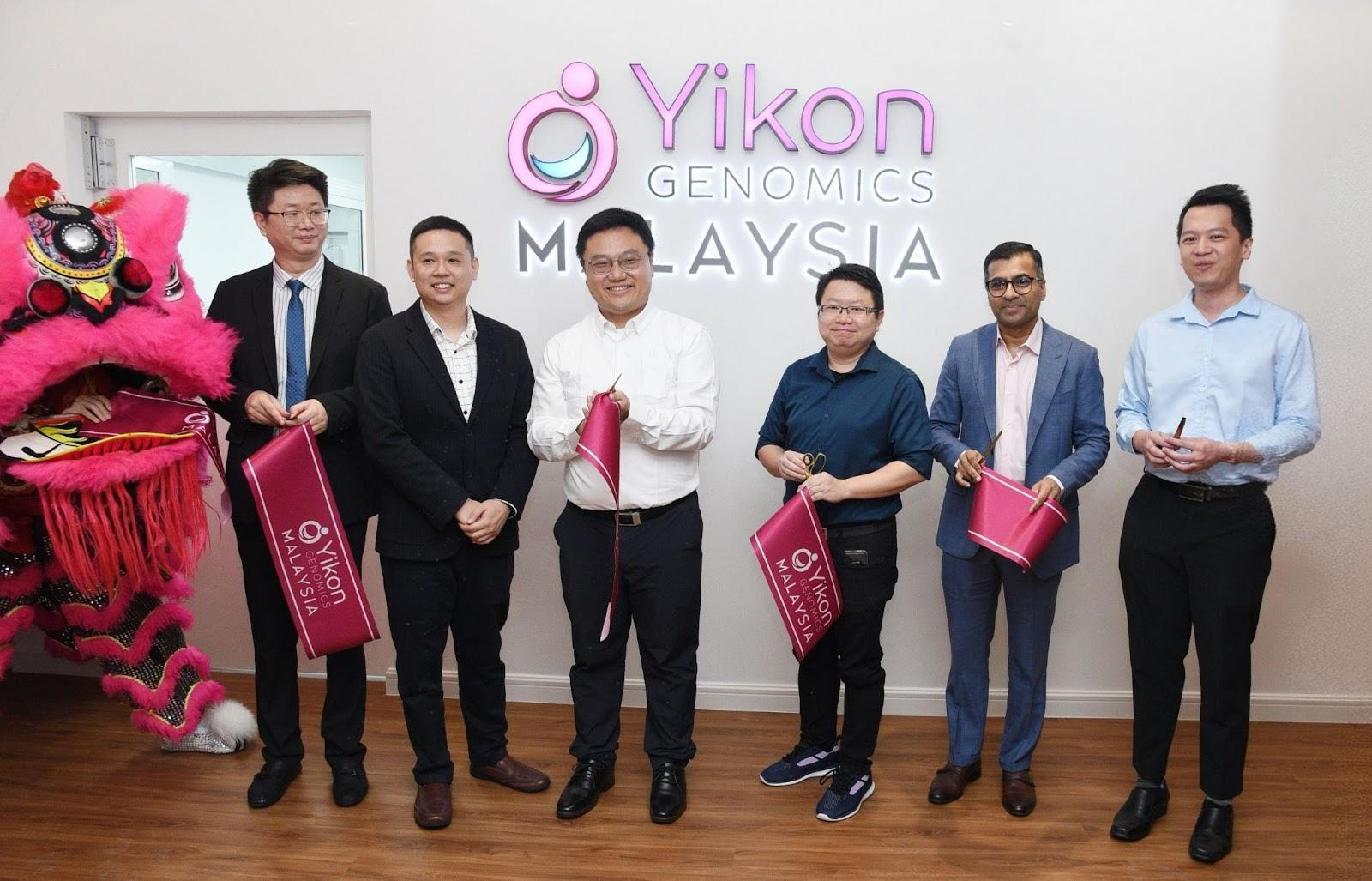
    Yikon Genomics, a global leader in precision genetics, has officially expanded into Malaysia with the launch of its state-of-the-art genetic testing laboratory in Kuala Lumpur, marking a significant milestone in the company’s Asia Pacific growth strategy. The new facility underscores Yikon’s commitment to making advanced genetic testing and preventive healthcare accessible, affordable, and transformative across the region. At the launch event, Dr. Sijia Lu, CEO and Founder of Yikon Genomics, reflected on the company’s journey from pioneering reproductive genetics to advancing preventive medicine, hereditary cancer screening, and population health initiatives. “We started with reproductive genetics because life begins at its most delicate stage, the embryo,” Dr. Lu said, highlighting how Yikon’s technology detects even the smallest genetic variations with precision, now applied to lifelong wellness and preventive care.

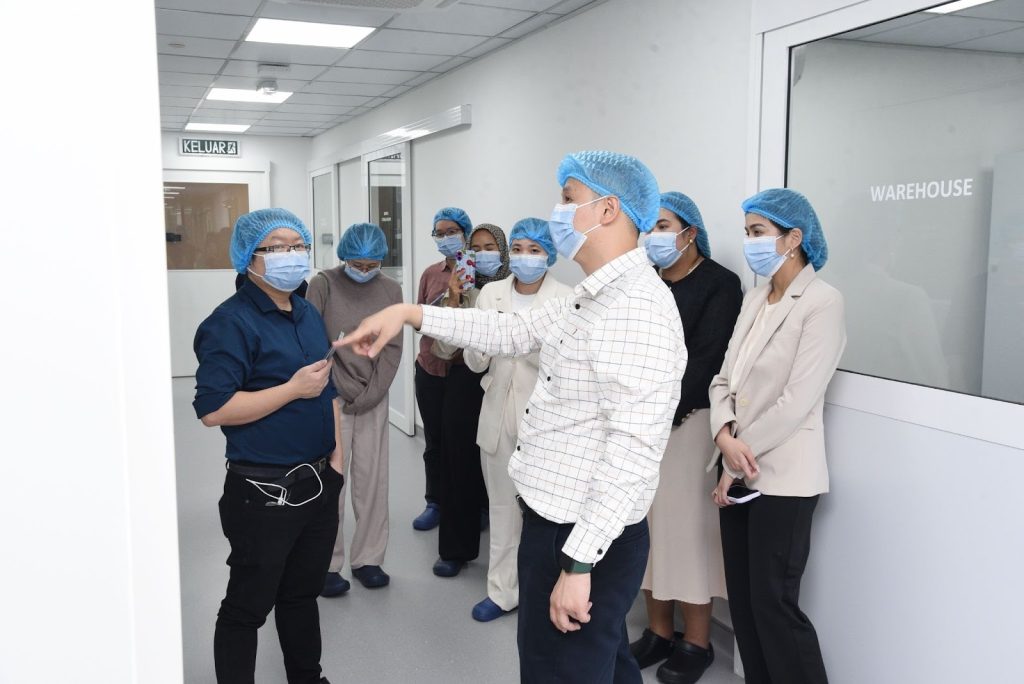
    The Kuala Lumpur laboratory serves as a multifunctional regional hub, supporting scientific excellence, workforce development, and clinical collaboration. Dr. David Wong, Lab Manager of Yikon Genomics Malaysia, emphasized that the facility, equipped with advanced multi-platform sequencing and a dedicated expert team, will empower local partners to build capabilities and accelerate scientific and clinical progress throughout Asia Pacific. Guests at the launch experienced an immersive tour of the laboratory, observing operational workflows from sample processing and sequencing to data analysis, highlighting Yikon’s rigorous quality control and transparent approach to clinical collaboration. Central to Yikon’s innovation is its proprietary MALBAC (Multiple Annealing and Loop-Based Amplification Cycles) technology, which enables the detection of ultra-small quantities of genetic material and powers applications ranging from embryo testing to hereditary disease screening and oncology diagnostics.

    Invited guests were given a tour of the new KL lab.

    By integrating MALBAC into a comprehensive reproductive genetics ecosystem, Yikon ensures accurate, reliable, and personalized results, enabling families to make informed healthcare decisions while advancing fertility and genomics standards across the region. Dr. Lu also emphasized the laboratory’s role as a regional hub for collaboration, supporting fertility centers, local laboratories, and preventive healthcare initiatives. The new Kuala Lumpur facility will serve as both a service and reference center for Asia Pacific, fostering partnerships with hospitals, research institutions, and clinical centers to accelerate the adoption of precision medicine and preventive healthcare solutions. Concluding the event, Dr. Lu expressed optimism about Malaysia’s growing focus on genomics and preventive healthcare, stating, “Healthcare of the future depends on prevention, not just treatment. With our Malaysian lab, we are one step closer to enabling healthier families, stronger communities, and a sustainable healthcare system for generations to come.”

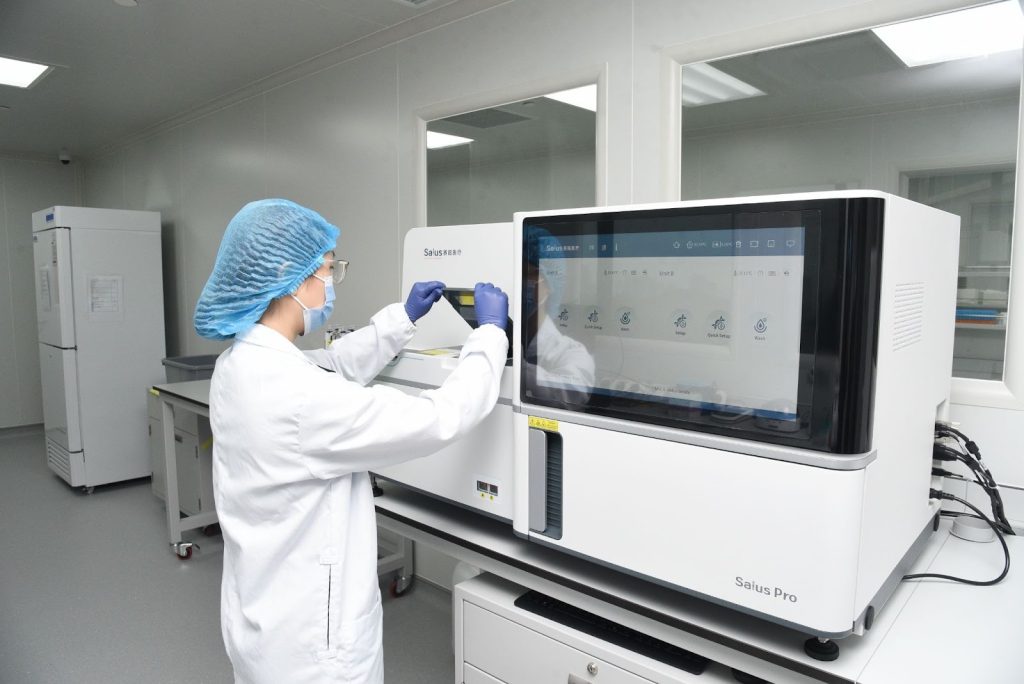
    Yikon lab scientist, Low Shin Yi demonstrated how the sequencing system operates.