Category: Higher Education

  • University of London Perkenal Mikro-Kelayakan Pascasiswazah Fleksibel untuk Rakyat Malaysia

    University of London Perkenal Mikro-Kelayakan Pascasiswazah Fleksibel untuk Rakyat Malaysia

    University of London hari ini mengumumkan pelancaran mikro-kelayakan pascasiswazah dalam talian baharu untuk pelajar di Malaysia, yang menawarkan laluan pembelajaran fleksibel dan boleh disusun (stackable), direka untuk menyokong pembelajaran sepanjang hayat tanpa keperluan hadir secara fizikal. Program ini ditawarkan pada harga pengenalan, sekali gus membuka peluang pengajian peringkat pascasiswazah dari UK yang lebih mampu milik.

    Mikro-kelayakan ini disampaikan sepenuhnya secara dalam talian melalui Global Digital Campus milik University of London, membolehkan pelajar di Malaysia memulakan pengajian pada bila-bila masa, belajar dari mana-mana sahaja dan mengikut rentak sendiri. Ia membuka peluang lebih luas kepada golongan profesional dan berkerjaya yang perlu mengimbangi komitmen kerja serta peribadi untuk melanjutkan pengajian ke peringkat pascasiswazah.

    Direka bagi memenuhi keperluan tenaga kerja yang semakin berkembang, mikro-kelayakan ini bersifat modular dan mudah alih. Ia membolehkan pelajar mengumpul kredit akademik yang boleh disusun untuk melayakkan mereka mengikuti program pascasiswazah yang diiktiraf atau dipindahkan ke program ijazah University of London daripada program asal mikro-kelayakan tersebut.

    Timbalan Naib Canselor University of London, Profesor David Latchman CBE berkata bahawa mikro-kelayakan dalam talian ini direka untuk membolehkan pelajar mengawal pendidikan mereka sendiri, sekali gus memberi fleksibiliti untuk mempelajari apa yang diperlukan pada bila-bila masa dan di mana sahaja mereka berada. Bagi pelajar di Malaysia, ini bermakna akses kepada pembelajaran pascasiswazah bertaraf dunia dengan bimbingan akademik daripada universiti yang diiktiraf global, termasuk UCL dan City St George’s, tanpa kekangan geografi, jadual tetap atau syarat kemasukan tradisional. Pendekatan ini mencerminkan komitmen berterusan universiti dalam memperluaskan akses kepada pendidikan tinggi di peringkat global.

    Pendekatan fleksibel ini selari dengan penekanan Malaysia terhadap usaha meningkatkan kemahiran secara berterusan, pendidikan digital dan kesiapsiagaan tenaga kerja. Ia juga menyokong pelan tindakan ekonomi digital negara, MyDIGITAL, memandangkan semakin ramai profesional mencari pilihan pembelajaran jangka pendek dan bersasar yang mampu memberikan nilai akademik serta manfaat kerjaya yang nyata.

    Pada masa ini, sebanyak lapan mikro-kelayakan ditawarkan. Tiga daripadanya memberi fokus kepada pengurusan kewangan di bawah bimbingan akademik UCL, manakala lima lagi tertumpu kepada pengurusan rantaian bekalan global dengan penyeliaan City St George’s.

    Setiap mikro-kelayakan membawa 15 kredit pascasiswazah dan menawarkan laluan kemasukan yang lebih mudah ke pengajian tinggi UK tanpa perlu mengikuti tempoh pengajian yang panjang, berpindah atau membayar yuran yang tinggi. Pelajar boleh memulakan pengajian dengan segera tanpa proses permohonan yang rumit, pengambilan berasaskan kohort atau kalendar akademik tetap, sekali gus memberikan lebih fleksibiliti kepada profesional berkerjaya.

    Sistem penilaian turut direka agar mesra profesional berkerjaya dan pelajar sepanjang hayat, dengan pelaksanaan secara atas permintaan berbanding jadual tetap. Pendekatan ini membolehkan pelajar mengimbangi pengajian dengan tuntutan kerjaya, keluarga dan tanggungjawab lain.

    Dengan sejarah yang kukuh di Malaysia, University of London mempunyai lebih 16,000 alumni di negara ini serta lebih 3,000 pelajar yang sedang mengikuti pengajian secara dalam talian atau melalui Pusat Pengajaran Diiktiraf. Pelajar dari lebih 190 negara turut mengikuti pengajian di universiti ini di peringkat global, mencerminkan kepimpinannya dalam bidang pembelajaran jarak jauh dan digital antarabangsa. Bagi pelajar di Malaysia, ini bermakna akses kepada kandungan akademik berasaskan penyelidikan daripada universiti terkemuka dunia yang disampaikan melalui platform digital bersepadu.

    Program mikro-kelayakan ini merupakan fasa pertama dalam visi University of London untuk membuka akses lebih luas kepada pengajian tinggi yang fleksibel dan berkualiti di peringkat global, termasuk di seluruh Asia Tenggara.

    Untuk maklumat lanjut mengenai program mikro-kelayakan pascasiswazah ini, sila layari https://www.london.ac.uk/study/microcredentials.
  • University Malaya Formalises Research Partnership with SATEERA®, Witnessed by MOSTI Minister

    University Malaya Formalises Research Partnership with SATEERA®, Witnessed by MOSTI Minister

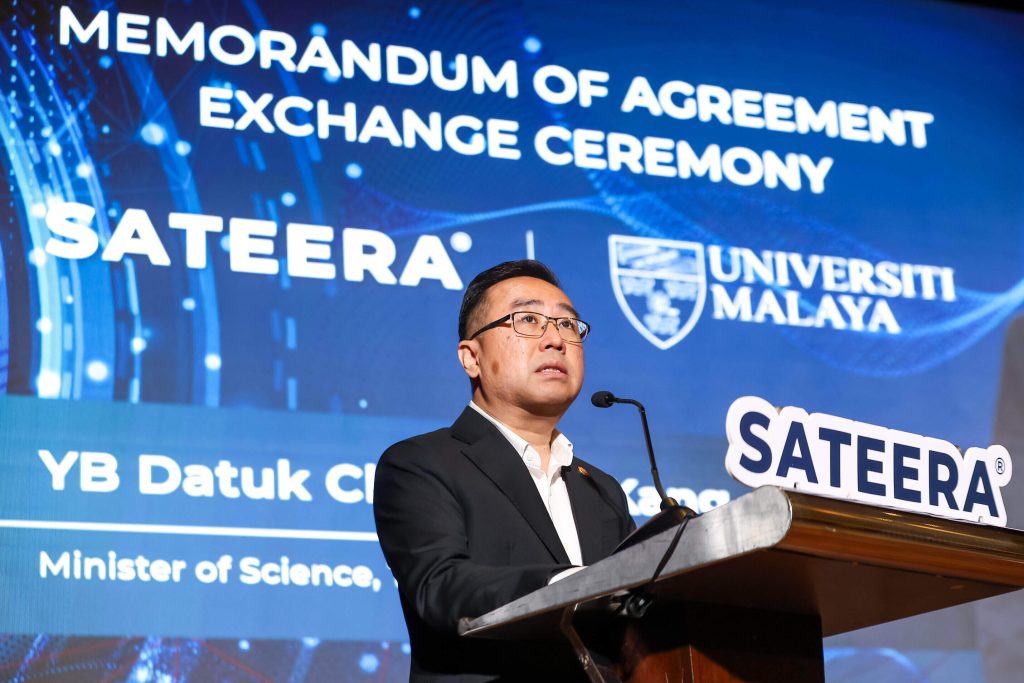
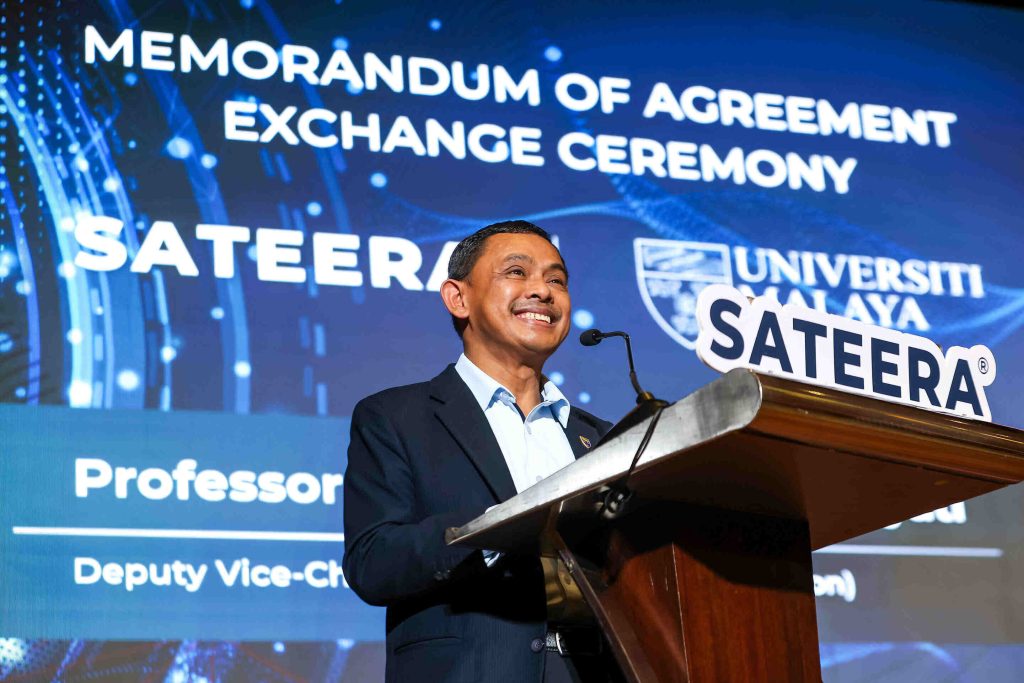
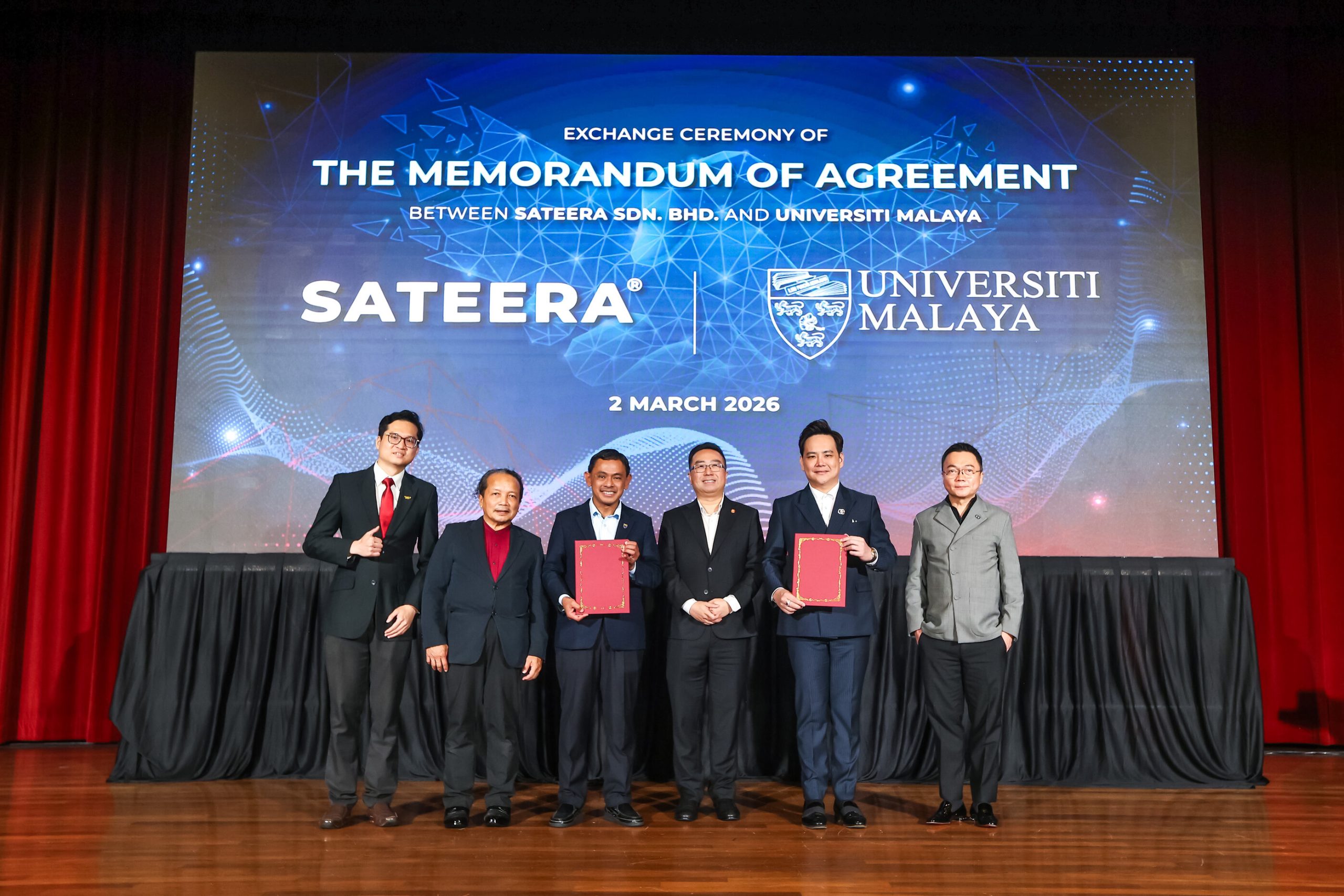
    Universiti Malaya (UM) has formalised a Memorandum of Agreement (MOA) with SATEERA® Sdn Bhd in a ceremony witnessed by Chang Lih Kang, Malaysia’s Minister of Science, Technology and Innovation (MOSTI). The agreement signals Malaysia’s continued progress in translating university-originated research into commercially applied biotechnology, reinforcing the role of academia–industry collaboration in advancing national innovation capacity.

    The technology underpinning SATEERA® was originally developed within UM’s research ecosystem more than a decade ago, progressing through laboratory refinement, patent development and industry translation before forming the foundation of the BioNexus-status biotechnology company. With this formal collaboration, both parties commit to advancing scientific validation and expanding research into selective anti-infective mechanisms, strengthening the bridge between academic research and real-world application.

    At the core of SATEERA®’s innovation is its Natural Smart Anti-Infective Technology, designed to selectively inhibit harmful bacteria while preserving beneficial microbial communities. Unlike conventional broad-spectrum antimicrobial formulations that eliminate bacteria indiscriminately, this targeted approach focuses on microbial modulation. As global research increasingly highlights concerns around antimicrobial resistance and the importance of maintaining healthy microbiomes, selective anti-infective strategies are gaining relevance within hygiene science and applied biotechnology.

    The innovation has already progressed beyond laboratory validation into commercial application through REDFORES®, SATEERA®’s intimate care brand and the first to integrate its patented technology into women’s hygiene solutions. Under the partnership, REDFORES® products will undergo further scientific evaluation with UM’s academic team, reinforcing a commitment to evidence-based development in women’s intimate health. The company’s technology has also previously undergone independent validation by Universiti Teknologi Malaysia (UTM) and SGS Malaysia, and SATEERA® currently holds 14 international patents across Asia.

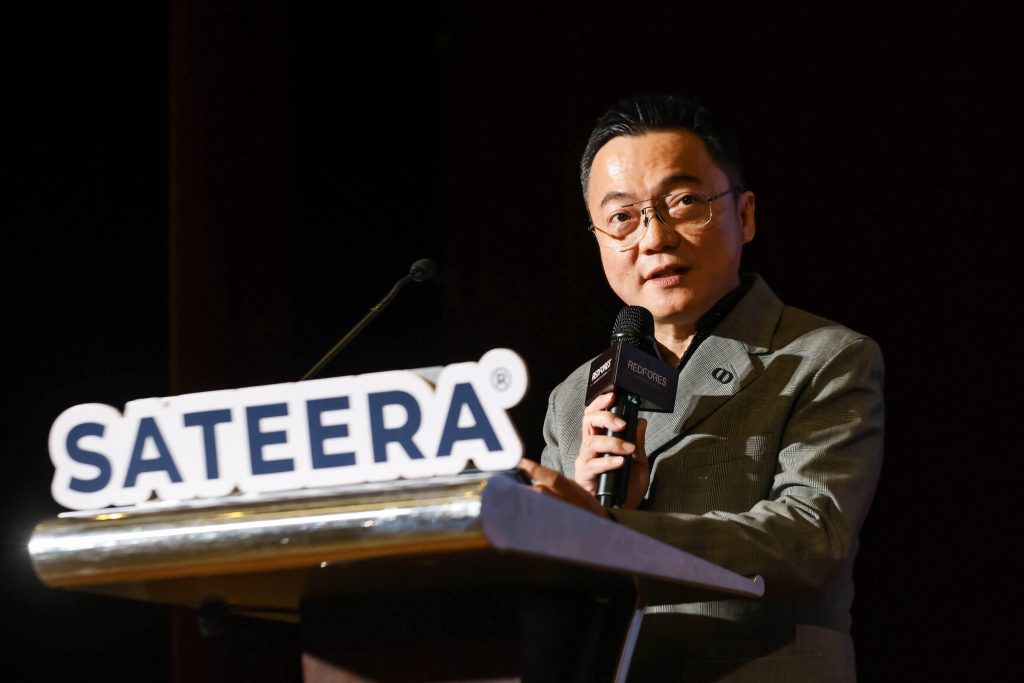
    Speaking at the ceremony, Chang Lih Kang emphasised the importance of translating research into real-world solutions, noting that innovation must move beyond the laboratory to strengthen national capability and improve quality of life in line with Malaysia’s broader biotechnology aspirations. SATEERA® co-founders Datuk Wira Calvin Khiu and Datuk Wira Jment Lim underscored the need to rethink conventional hygiene paradigms, shifting away from indiscriminate eradication models toward smarter, microbiome-conscious approaches grounded in scientific validation and long-term well-being.

    The event also included recognition by ASEAN and ASIA Records and featured an interdisciplinary panel discussion themed “Leading the Good Bacteria Era: Redefining Global Hygiene Standards.” Academics and medical specialists explored the broader implications of microbiome preservation and selective anti-infective science, particularly in the context of women’s intimate health. The collaboration is expected to expand validation studies and deepen research engagement within Malaysia’s biotechnology ecosystem, further positioning the country as a producer of advanced, science-driven health solutions.

  • IJN University College and Universiti Pendidikan Sultan Idris Form Strategic Partnership to Launch Bachelor of Psychology (Hons) Programme

    IJN University College and Universiti Pendidikan Sultan Idris Form Strategic Partnership to Launch Bachelor of Psychology (Hons) Programme

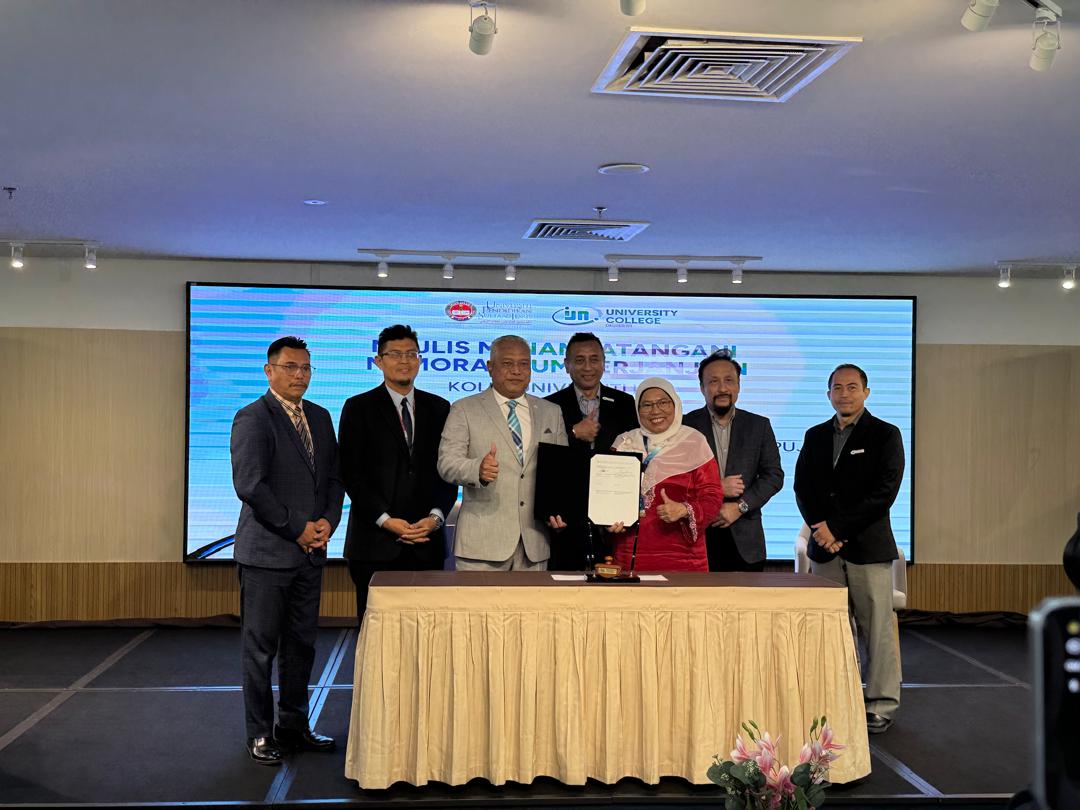
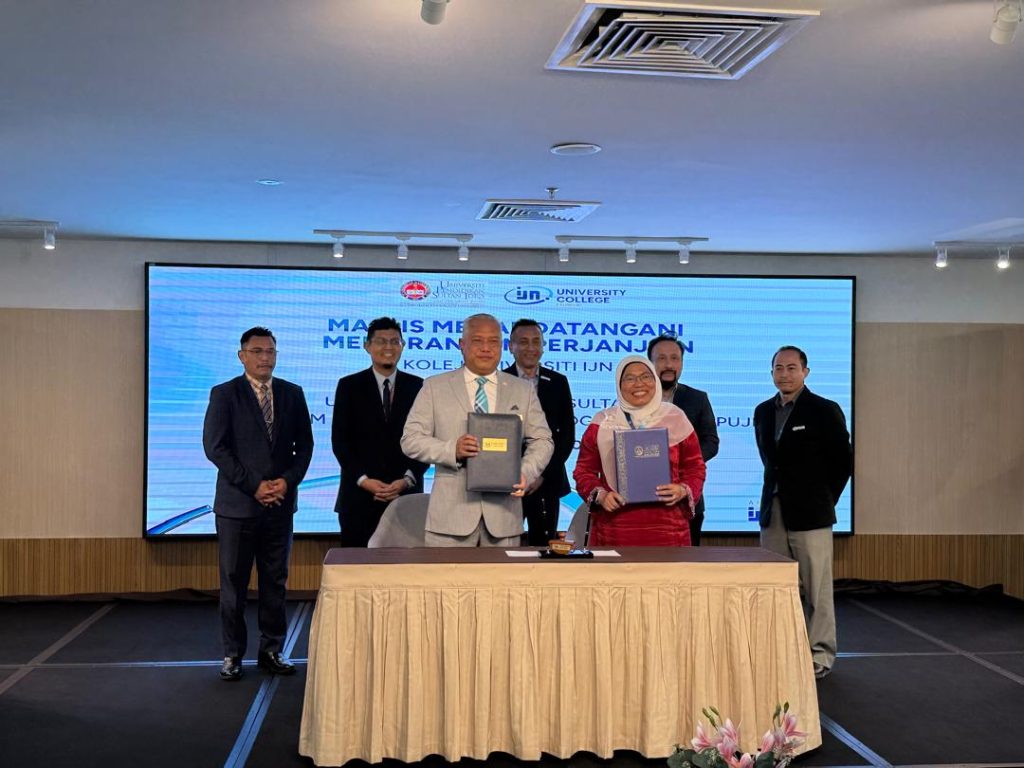
    IJN University College (IJNUC) has taken a significant step in expanding its academic offerings by signing a Memorandum of Agreement (MoA) with Universiti Pendidikan Sultan Idris (UPSI), establishing a strategic partnership to offer the Bachelor of Psychology (Hons) programme. The collaboration marks a shared commitment by both institutions to strengthen academic excellence and address the growing importance of psychology within Malaysia’s healthcare sector.

    Under the agreement, UPSI will serve as the awarding body for the degree, while IJNUC will lead programme delivery. Leveraging its strong academic foundation and clinically immersive learning environment, IJNUC aims to produce psychology graduates who embody competence, compassion, and industry readiness. The MoA was formalised through the signing ceremony between Prof. Emerita Durrishah Idrus, Vice-Chancellor of IJNUC, and Prof. Dato’ Dr. Md Amin bin Md Taff, Vice-Chancellor of UPSI.

    Prof. Emerita Durrishah emphasised that the partnership is aligned with IJNUC’s ongoing efforts to broaden its academic portfolio beyond the traditional clinical sciences. She highlighted the crucial role psychology plays in healthcare, noting that understanding human behaviour and mental wellness is essential for holistic patient care. “This collaboration with UPSI opens an exciting new chapter for IJNUC. Psychology is deeply intertwined with healthcare, as understanding human behaviour and mental wellness is crucial in treating patients holistically. By combining IJNUC’s strengths in healthcare education with UPSI’s academic excellence, we are preparing future professionals who can serve with both competence and compassion, a vital balance in today’s healthcare landscape,” she said.

    Echoing this sentiment, Prof. Dato’ Dr. Md Amin bin Md Taff noted that the initiative underscores UPSI’s mission to broaden its impact through partnerships that connect academic knowledge with real-world applications. He highlighted the timeliness of integrating psychology into healthcare as Malaysia continues to prioritise mental health and emotional well-being. “UPSI is proud to work alongside IJNUC in nurturing graduates who not only possess psychological knowledge but also the ability to apply it effectively within healthcare settings. This initiative is a step forward in producing a new generation of psychologists who are ready to contribute meaningfully to society,” he added.

    The Bachelor of Psychology (Hons) programme will offer students a multidisciplinary curriculum that blends theoretical knowledge, clinical exposure, and hands-on learning within healthcare environments. This integrated approach will strengthen their understanding of psychological dimensions in patient care and better prepare them for diverse professional pathways across the health, education, and community sectors.

    The signing of the MoA represents another important milestone in IJNUC’s journey to advance healthcare education through strategic collaborations with reputable institutions. It reinforces the institution’s role as a leading centre for teaching, research, and professional development in Malaysia. Pending approval from the Malaysian Qualifications Agency (MQA) and the Ministry of Higher Education (MOHE), the programme is expected to welcome its first cohort in September 2025.

  • Redefining Excellence: Advancing Quality and Sustainable Online Distance Learning in Malaysian Higher Education

    Redefining Excellence: Advancing Quality and Sustainable Online Distance Learning in Malaysian Higher Education

    The landscape of higher education in Malaysia is experiencing a transformative shift, with Online Distance Learning (ODL) emerging as a vital component of modern academic delivery. Once perceived as a temporary or alternative solution, ODL has evolved into a strategic pathway for expanding access to higher education without sacrificing academic integrity or quality. As universities increasingly invest in digital ecosystems—ranging from advanced learning management systems to comprehensive student support structures—the national conversation has shifted from questioning the viability of online learning to ensuring its recognition as a credible and sustainable mode of education. Despite lingering misconceptions surrounding its credibility, Malaysia’s ODL system operates under rigorous standards that align with both national and international benchmarks, ensuring learners receive a high-quality education equivalent to traditional on-campus experiences.

    At the core of Malaysia’s ODL credibility lies its strong accreditation and quality assurance framework. Programmes are subject to thorough evaluation by the Malaysian Qualifications Agency (MQA) and relevant regulatory bodies, assessing everything from curriculum design and content delivery to student engagement and assessment mechanisms. Accreditation is an ongoing process, with periodic reviews and continuous improvements driven by data analytics, stakeholder feedback, and evolving industry needs. This ensures that online programmes remain relevant, rigorous, and responsive to changes in the educational landscape.

    Curriculum development in ODL is guided by collaboration between academic experts and industry professionals, ensuring that learning outcomes are not only academically sound but also aligned with current market demands. This synergy ensures graduates possess both theoretical knowledge and practical competencies vital for the modern workforce. Similarly, Malaysia’s ODL institutions place strong emphasis on maintaining assessment integrity through strict moderation processes, the use of plagiarism detection tools, and proctored examinations that employ biometric verification and AI-based monitoring systems. Such measures safeguard academic honesty and uphold the same level of integrity expected in physical learning environments.

    Puteri Sofia Amirnuddin currently serves as the Acting Head of Innovation and Learning Experience at Taylor’s Digital, Taylor’s University where she leads transformative initiatives in the online learning experience for students enrolled in the online distance learning programmes.

    Beyond quality, ODL plays a crucial role in promoting accessibility and inclusivity in education. It enables working professionals to pursue further studies without disrupting their careers, empowers retirees and lifelong learners to continue intellectual pursuits, and opens new opportunities for learners with disabilities through adaptive digital tools. Moreover, ODL supports cross-border education, allowing international students to earn Malaysian qualifications remotely—positioning Malaysia as a growing hub for global education.

    Aligned with the United Nations Sustainable Development Goal 4, ODL also embodies principles of sustainability by reducing environmental impact through digital learning. The decreased reliance on physical infrastructure, reduced commuting, and lower paper consumption contribute to greener, more sustainable campuses. Behind every successful online course lies a team of professional instructional designers and educators who craft interactive, multimedia-rich content tailored to diverse learning styles. These experts ensure that each module is engaging, accessible, and pedagogically effective.

    Recognising that online learning can feel isolating, many Malaysian universities have implemented comprehensive support systems that provide academic and emotional guidance through dedicated ODL support teams, e-libraries, counselling services, and career development resources. Regular virtual interactions and peer networks help students remain connected, engaged, and confident throughout their learning journey.

    Ultimately, Malaysia’s ODL ecosystem stands as a testament to how digital education can uphold the same academic standards as traditional models while promoting inclusivity, flexibility, and sustainability. As Malaysia continues to strengthen its reputation as a regional education hub, the credibility and excellence of its ODL programmes will play a pivotal role in shaping the future of higher learning. The message is clear: in Malaysia, the path to education may be flexible and digital, but the standards of excellence remain uncompromised.