Category: Artificial Intelligence (AI)

  • Visa Perkukuh Ekosistem Pembayaran Pintar Melalui Program Agentic Ready di Malaysia

    Visa, peneraju global dalam pembayaran digital, hari ini melancarkan program Visa Agentic Ready di rantau Asia Pasifik termasuk Malaysia. Program global ini diperkenalkan bagi menyokong ekosistem pembayaran dalam era perdagangan berejen yang semakin berkembang pesat.

    Pada peringkat awal pelaksanaannya, Visa Agentic Ready memberi fokus kepada kesediaan pengeluar dengan menyediakan pendekatan berstruktur untuk menguji, mengesahkan dan memahami transaksi yang dimulakan oleh ejen AI dalam persekitaran terkawal bertaraf pengeluaran. Program ini membolehkan pengeluar menilai sendiri bagaimana ejen AI boleh memulakan serta melengkapkan transaksi bagi pihak pengguna, di samping menguji tahap kesiapsiagaan mereka dalam menyokong perdagangan berejen tanpa menjejaskan elemen kepercayaan, kawalan dan perlindungan yang menjadi tunjang kepada rangkaian Visa.

    Pengurus Negara Visa Malaysia, Previn Pillay berkata, ketika perdagangan semakin bergerak ke arah automasi, aspek kebolehpercayaan, keselamatan dan kawalan pengguna menjadi semakin penting. Menurut beliau, Visa Agentic Ready menawarkan pendekatan yang praktikal dan tersusun kepada pengeluar di Malaysia untuk memahami bagaimana pembayaran yang dimulakan oleh ejen boleh beroperasi dalam rangkaian Visa sebelum teknologi tersebut diperluaskan secara lebih meluas.

    Beliau turut menjelaskan bahawa Visa kini bekerjasama dengan peniaga, platform dan rakan teknologi di peringkat global bagi membolehkan penggunaan perdagangan berpacukan ejen yang dipercayai. Langkah ini bertujuan memastikan pengalaman tersebut dapat diintegrasikan secara lancar ke dalam keseluruhan ekosistem apabila teknologinya semakin matang. Menurutnya, pendekatan ini membantu memastikan inovasi berkembang secara bertanggungjawab sambil pengguna terus mempunyai kawalan terhadap bagaimana dan bila pembayaran dilakukan.

    Visa Agentic Ready dipacu oleh keupayaan teras rangkaian Visa yang menggabungkan token, identiti, pengurusan risiko dan kawalan untuk menentukan bagaimana pembayaran dimulakan ejen yang dipercayai boleh digunakan dalam pelbagai situasi. Inisiatif ini turut memanfaatkan Visa Intelligent Commerce, iaitu portfolio penyelesaian dan inisiatif Visa yang menyediakan pengalaman perdagangan berpacukan AI secara selamat dan dipercayai pada skala besar.

    Bagi merealisasikan perdagangan berejen secara meluas, Visa menekankan kepentingan kerjasama merentas ekosistem pembayaran. Sehubungan itu, beberapa rakan kerjasama daripada 10 pasaran di rantau Asia Pasifik telah menyertai program Agentic Ready termasuk Alliance Bank Malaysia Berhad, CIMB Bank Berhad, Hong Leong Bank dan Maybank di Malaysia. Visa menjangkakan lebih ramai rakan kerjasama akan turut serta apabila program ini diperluaskan kepada lebih banyak peniaga dan pemain ekosistem.

    Ketua Pegawai Perbankan Pengguna Alliance Bank Malaysia Berhad, Gan Pai Li berkata, persediaan untuk pembayaran yang dimulakan oleh ejen tidak boleh dilaksanakan secara bersendirian oleh institusi kewangan. Beliau berkata program seperti Visa Agentic Ready membolehkan pihak bank menguji serta memahami aliran transaksi baharu ini sebagai sebahagian daripada ekosistem pembayaran yang lebih luas dan dipercayai.

    Ketua Pegawai Eksekutif CIMB Malaysia dan CIMB Bank Berhad, Gurdip Singh Sidhu pula berkata teknologi AI kini sedang membentuk semula tingkah laku pengguna dan model perniagaan dengan pantas. Menurut beliau, Visa Agentic Ready mencerminkan visi CIMB untuk menyediakan pengalaman perbankan yang lebih intuitif dan terintegrasi dalam kehidupan harian, selain memberi peluang kepada institusi itu untuk menguji, mempelajari dan bersedia menghadapi pembayaran yang dimulakan oleh ejen AI. Beliau berkata pendekatan tersebut membolehkan CIMB menawarkan perkhidmatan berasaskan AI secara selamat dan bertanggungjawab sambil mengekalkan keyakinan serta kawalan yang diharapkan pelanggan.

    Sementara itu, Pengarah Urusan Perkhidmatan Kewangan Peribadi Hong Leong Bank, Andrew Jong berkata pembayaran yang dimulakan oleh ejen memperkenalkan dimensi baharu terhadap cara transaksi dimulakan dan ditadbir. Menurut beliau, Visa Agentic Ready memberi peluang kepada institusi kewangan untuk mengesahkan senario pembayaran baharu lebih awal, memahami implikasinya dalam situasi sebenar serta menilai bagaimana ia boleh disokong secara bertanggungjawab sebelum diterima secara lebih meluas.

    Ketua Kad, Perkhidmatan Kewangan Komuniti Kumpulan Maybank, B. Ravintharan A/L K. Balakrishnan pula berkata kebolehpercayaan kekal menjadi faktor utama dalam kemunculan kaedah pembayaran baharu. Beliau menjelaskan bahawa Visa Agentic Ready membolehkan Maybank meneroka pembayaran dimulakan ejen dalam persekitaran terkawal sekali gus membantu membina keyakinan dan menilai bagaimana model tersebut boleh diskalakan secara bertanggungjawab tanpa menjejaskan keselamatan serta kawalan pelanggan.

    Melalui persekitaran ujian bertaraf pengeluaran yang terkawal, program ini memperlihatkan bagaimana pembayaran dimulakan ejen boleh dilaksanakan dalam situasi dunia sebenar dan membantu pengeluar membina keyakinan terhadap kaedah pembayaran baharu yang semakin berkembang.

    Inisiatif ini juga menyokong peralihan lebih luas Visa ke arah perdagangan pintar yang boleh diatur cara, di mana maklumat pengesahan dan keupayaan rangkaian yang dipercayai membolehkan pembayaran dilaksanakan secara selamat dan fleksibel berdasarkan niat, konteks serta kawalan pengguna. Dalam situasi lebih banyak proses pembelian diautomasikan, pendekatan ini membantu memastikan ejen AI dapat bertindak secara lancar bagi pihak pengguna sambil memastikan kawalan utama kekal di tangan manusia.

    Visa kini bekerjasama dengan platform dan pembangun AI, peniaga serta rakan ekosistem di seluruh dunia bagi membolehkan pelaksanaan pembayaran dimulakan ejen secara selamat pada skala besar. Visa Agentic Ready membantu memastikan pengeluar bersedia untuk menyokong transaksi tersebut dengan yakin dan selamat.

    Pelancaran di Asia Pasifik ini menyusuli pelancaran program tersebut di Eropah sebelum ini dan dibangunkan berdasarkan maklum balas awal daripada rakan kerjasama global. Ketika ini, program berkenaan tersedia di Australia, Hong Kong, Jepun, Malaysia, New Zealand, Singapura, Korea Selatan, Taiwan, Thailand dan Vietnam. Pihak yang berminat untuk menyertai program Visa Agentic Ready boleh menghubungi wakil akaun Visa untuk maklumat lanjut.

  • Snowflake Expands AI Data Cloud with Malaysia’s ILMU Sovereign LLM

    Snowflake, the AI Data Cloud company, today announced the integration of ILMU Malaysia’s homegrown sovereign large language model (LLM) developed by YTL AI Labs into its platform, enabling organisations in Malaysia to run generative AI on governed enterprise data through Snowflake’s secure governance framework. The integration is further strengthened by Snowflake’s availability on the AWS Asia Pacific (Malaysia) region, enabling secure, in-country deployment of enterprise AI capabilities.

    With this move, Snowflake becomes among the first global AI and data cloud providers to support integration with a locally developed sovereign LLM within a fully in-country deployment. This enables enterprises to accelerate AI adoption while meeting stringent data governance and residency requirements.

    The integration of ILMU gives enterprises access to a sovereign LLM specifically trained on Malaysian linguistic nuances and cultural contexts. This strengthens Snowflake’s AI capabilities through a deeper understanding of Bahasa Melayu, Manglish and regional dialects, enabling more accurate interpretation of locally contextualised enterprise data. Organisations can therefore unlock greater value from their data by developing AI-driven applications that are more relevant, accurate and locally attuned without compromising performance or scalability.

    By enabling ILMU to operate within Snowflake’s governed environment, sensitive data remains securely managed under Snowflake’s established security framework. This allows organisations to adopt AI while ensuring proprietary data remains within national borders and under full governance controls. The capability is especially important for regulated industries such as the public sector, financial services, telecommunications and retail, where data governance and residency are critical requirements.

    The collaboration reflects growing enterprise demand in Malaysia for AI solutions that combine local data governance requirements with broader efforts to strengthen the country’s position in the global AI economy.

    “With Malaysia’s RM2 billion Sovereign AI Cloud commitment underscoring data localisation as a national priority, organisations need AI solutions they can trust to keep their data onshore,” said Satchit Joglekar, Regional Vice President, Snowflake ASEAN. “With Snowflake now available in the AWS Asia Pacific (Malaysia) region and the integration of ILMU into our platform, we are giving Malaysian enterprises the confidence to adopt AI securely within their enterprise data environment, in the language their customers speak, without compromising governance or compliance.”

    Foong Chee Mun, CEO of YTL AI Labs, described the integration of the ILMU sovereign LLM with the Snowflake environment as a significant milestone in localising high-performance AI. He said YTL AI Labs has focused on providing the sovereign infrastructure needed to support these workloads and that seamless access to Malaysia’s national language model through a secure global platform like Snowflake would allow Malaysian enterprises to deploy AI solutions that are culturally relevant, legally compliant and hosted within Malaysia.

    The ILMU integration and Snowflake’s availability in the AWS Asia Pacific (Malaysia) region come at a time when enterprise use cases in Malaysia are increasingly translating into practical applications of governed AI.

    “At Ryt Bank, our priority is to provide secure and innovative financial services that truly serve Malaysian customers,” said Nic Ngoo, Chief Technology Officer of Ryt Bank. “YTL AI Labs provides ILMU — a sovereign, locally built LLM and AI services that allow our bank to build the world’s first AI-powered bank that redefines the banking experience. With ILMU and Snowflake’s in-country deployment, our customers can bank using natural, culturally nuanced language for everything from transferring money and seeking personalised financial advice to seamless customer support, while ensuring the highest standards of data residency and governance.”

    Among the early adopters is property developer S P Setia Bhd (Setia), which recently received a Malaysia Technology Excellence Award for its AI innovations in the real estate sector, including AI sales agents and AI vision-based inspection solutions.

    “As one of the nation’s leading property developers, Setia has long been entrusted with shaping communities that reflect the values, aspirations and way of life of Malaysians,” said Datuk Zaini Yusoff, President and Chief Executive Officer of Setia. “This integration represents a strategic milestone in how we elevate the property journey through personalisation and innovation. By leveraging Snowflake’s local data infrastructure and AI capabilities built for the Malaysian market, we look forward to continuously improving how we engage with customers in language that feels natural and familiar across every touchpoint — from home discovery to property management — while reinforcing the trust that underpins our long-standing leadership in the industry.”

    Snowflake is the platform for the AI era, helping enterprises innovate faster and derive greater value from data. More than 13,300 customers worldwide, including hundreds of the world’s largest companies, use Snowflake’s AI Data Cloud to build, use and share data, applications and AI solutions. Further information is available at snowflake.com (NYSE: SNOW).

  • Intelligent Manufacturing Showcase Highlights Future-Ready Semiconductor Innovation at SEMICON Southeast Asia 2026

    As Southeast Asia reaches a critical inflection point in the global semiconductor industry, the Intelligent Manufacturing Showcase at SEMICON Southeast Asia 2026 will demonstrate how artificial intelligence, automation and digital solutions are reshaping semiconductor manufacturing. Powered by Sandisk and SEMI, the showcase presents intelligent manufacturing within a high-volume fabrication environment.

    Conceived as an immersive, guided experience rather than a static exhibition, the showcase takes visitors on a structured journey through the application of smart manufacturing in a high-value semiconductor fabrication setting. Through this curated walkthrough, attendees will gain insight into how automation, artificial intelligence and digital technologies are transforming manufacturing processes by enhancing decision-making, improving responsiveness and optimising overall operations in advanced production environments.

    The experience unfolds across multiple stations, illustrating the progression toward a fully intelligent, AI-enabled factory. Visitors will see how digital tools provide real-time visibility and enable faster operational decisions, support more efficient workflows and facilitate predictive and assisted troubleshooting to drive continuous improvement. These elements work together to translate complex concepts into practical, real-world applications that reflect the operations of modern semiconductor facilities.

    The showcase also highlights key technology areas shaping the future of manufacturing. Smart automation enables connected systems that reduce manual intervention and improve efficiency, while AI-enabled manufacturing positions artificial intelligence as an operations co-pilot that supports recommendations, detects anomalies and accelerates response times. This is reinforced by the digitalisation of production data, where structured data capture and automated processes generate reliable, high-quality inputs for analytics and AI-driven insights. In addition, the showcase underscores the importance of human and digital collaboration, demonstrating how intelligent tools are designed to enhance the capabilities of engineers and operators rather than replace them. Together, these pillars reflect a cohesive approach to building more responsive, data-driven and resilient manufacturing environments.

    Linda Tan, President of SEMI Southeast Asia, said the semiconductor industry is entering a defining phase where no single company or market can innovate in isolation. She noted that the “Transform Tomorrow” theme at SEMICON Southeast Asia 2026 reflects a shared commitment to turning collective ambition into tangible impact, with the Intelligent Manufacturing Showcase developed in collaboration with Sandisk offering a firsthand view of how AI-driven manufacturing is shaping the factories of the future.

    Peng Koon Hew, Senior Director of Automation Development Engineering at Sandisk, added that manufacturing excellence today is defined by how effectively organisations integrate human expertise with AI-driven insights and automated systems. He explained that this balance enables teams to make faster and more informed decisions, respond to variability with confidence and manage complexity while maintaining control on the factory floor.

    SEMICON Southeast Asia 2026 will take place from 5 to 7 May at MiTEC, Kuala Lumpur, bringing together global and regional stakeholders to shape the next era of electronics manufacturing. Beyond discussions, the event is positioned as a platform for action where ideas are translated into real-world applications, with the Intelligent Manufacturing Showcase exemplifying this shift by demonstrating how transformation is already taking place across the industry.

    Registration for the Intelligent Manufacturing Showcase is now open, offering attendees an opportunity to experience smart manufacturing in action on the second day of SEMICON Southeast Asia 2026. The showcase forms part of the wider event, where industry leaders will gather to explore the future of the semiconductor ecosystem throughout the three-day programme. For more information, please visit the SEMICON Southeast Asia 2026 website.

  • Microsoft Elevate Dilancar, Malaysia Perkukuh Agenda AI dan Pembangunan Bakat Masa Depan

    Microsoft Elevate Dilancar, Malaysia Perkukuh Agenda AI dan Pembangunan Bakat Masa Depan

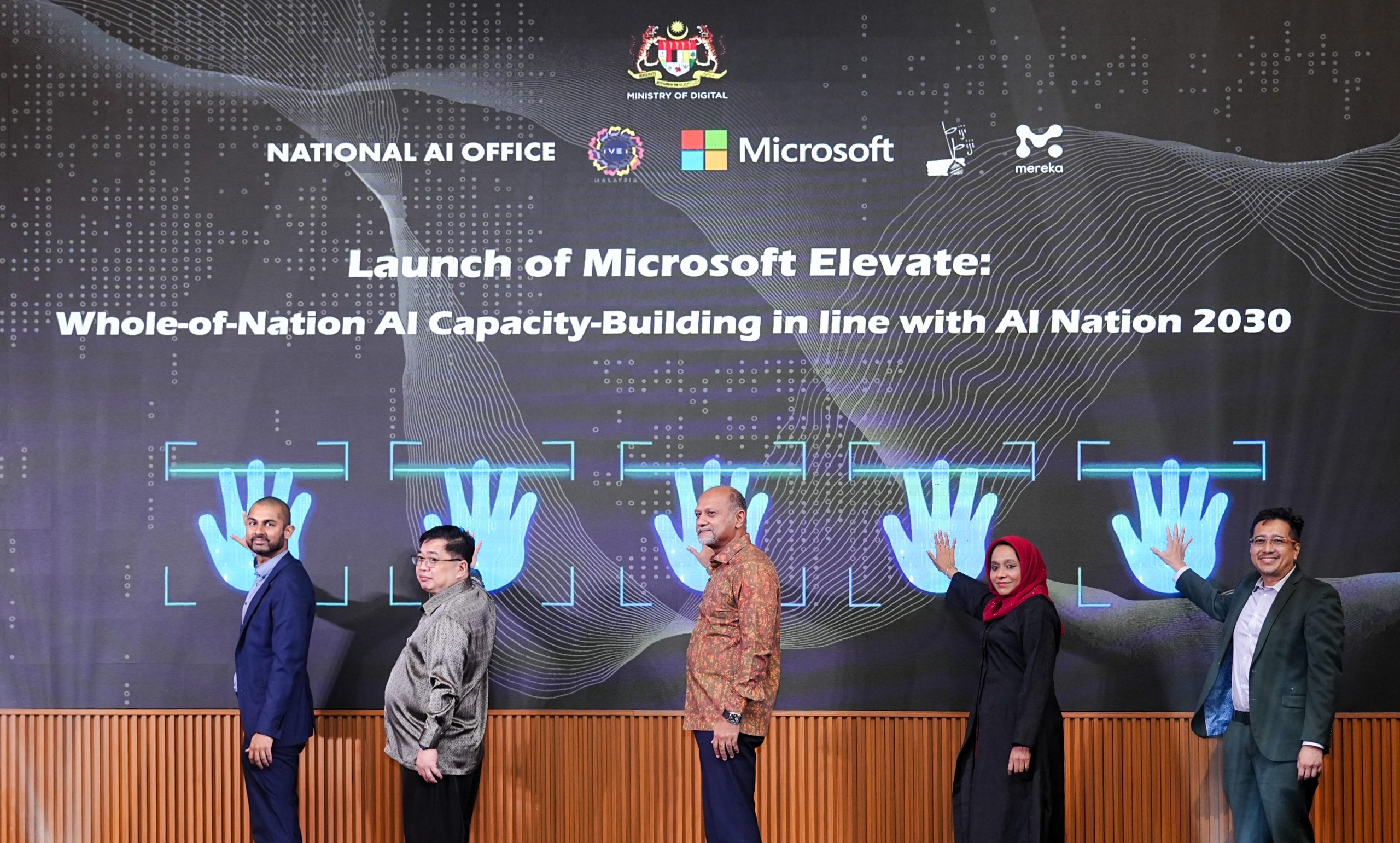
    Kementerian Digital Malaysia dan Microsoft hari ini mengumumkan pelancaran Microsoft Elevate, sebuah inisiatif pembinaan kapasiti kecerdasan buatan (AI) yang diperluas bagi mengukuhkan tahap kesediaan AI Malaysia, selaras dengan aspirasi negara untuk menjadi Negara AI menjelang tahun 2030.

    Kerjasama ini dirasmikan oleh Menteri Digital, YB Gobind Singh Deo, dan memperluaskan agenda pembangunan kemahiran negara dengan merangkumi golongan pendidik, perusahaan mikro, kecil dan sederhana (PMKS), pesara angkatan tentera, institusi pendidikan serta penjawat awam. Inisiatif ini dilaksanakan dengan kerjasama Pejabat AI Kebangsaan (NAIO), Sekretariat Majlis TVET Negara serta Biji-Biji Initiative dan Mereka, sekali gus mencerminkan komitmen menyeluruh bagi memastikan semua lapisan masyarakat Malaysia bersedia menghadapi era AI.

    Microsoft Elevate bertujuan memperluas peluang peningkatan kemahiran di Malaysia melalui pelan berfasa sehingga tahun 2030, bermula dengan pengaktifan kemahiran dan tenaga kerja, diikuti pendalaman sektor serta penginstitusian dan kemampanan jangka panjang. Sebagai sebahagian daripada fasa perintis yang dilancarkan pada Januari tahun ini, inisiatif ini telah berjaya memperkasakan seramai 80,000 peserta setakat ini.

    Inisiatif ini turut mencerminkan komitmen berterusan Microsoft terhadap pembangunan digital dan AI di Malaysia, termasuk usaha melengkapkan 800,000 rakyat dengan kemahiran AI menerusi inisiatif AIForMYFuture, serta program Bersama Malaysia yang telah memperkasakan 1.53 juta rakyat dengan kemahiran dalam bidang pengkomputeran awan, AI dan keselamatan siber.

    YB Gobind Singh Deo menyatakan bahawa dalam usaha Malaysia menjadi hab AI serantau, pembangunan keupayaan digital yang inklusif merentasi semua lapisan masyarakat adalah amat penting. Beliau menegaskan bahawa kemajuan bermakna di peringkat nasional memerlukan kerjasama erat antara sektor awam dan swasta, dan mengalu-alukan Microsoft Elevate sebagai satu inisiatif penting dalam memperkukuh kesediaan AI serta keterangkuman digital agar rakyat Malaysia bersedia menghadapi masa depan berteraskan teknologi tersebut.

    Dalam persekitaran kerja yang semakin dipacu oleh AI, kekuatan tenaga kerja masa depan Malaysia bergantung kepada pembangunan kemahiran yang bermula sejak awal, dilaksanakan secara berterusan dan selari dengan keperluan dunia sebenar. Visi Negara AI 2030 mengiktiraf bahawa pembinaan sebuah negara berteraskan AI bukan sahaja melibatkan penggunaan teknologi, tetapi juga pembangunan insan yang mampu memahami dan menggunakan AI dengan yakin, institusi yang berupaya mengguna pakai AI secara bertanggungjawab dan berskala, serta ekosistem yang dapat memanfaatkan keupayaan AI untuk menghasilkan impak nyata.

    Pendekatan menyeluruh ini merangkumi pelbagai segmen masyarakat. Golongan pendidik dan institusi pengajian daripada peringkat prasekolah hingga universiti termasuk TVET akan dilengkapkan dengan kemahiran AI praktikal untuk mengintegrasikan teknologi dalam pengajaran, reka bentuk kurikulum dan keterlibatan pelajar. Sektor PMKS pula akan menerima latihan berfokus bagi mengguna pakai alat dan platform AI untuk meningkatkan operasi, keterlibatan pelanggan serta daya saing. Pesara angkatan tentera akan dibekalkan dengan kemahiran asas AI bagi menyokong peranan mereka dalam masyarakat, manakala pemimpin dan pengurusan institusi akan dilatih untuk menerajui penggunaan AI secara bertanggungjawab dalam organisasi masing-masing. Pada masa yang sama, pelajar dan belia akan dibangunkan dengan kemahiran asas serta praktikal yang relevan dengan keperluan dunia sebenar bagi membina bakat masa depan negara.

    Rashvin Pal Singh menjelaskan bahawa untuk memastikan AI benar-benar memberi impak, keupayaan tersebut perlu diterapkan secara praktikal dalam bilik darjah dan komuniti. Menurut beliau, melalui Microsoft Elevate, kerjasama erat dengan pelbagai pihak membolehkan konsep AI diterjemahkan ke dalam amalan harian secara bertanggungjawab, inklusif dan relevan, sekali gus memastikan tiada pihak yang ketinggalan dalam usaha membina masa depan berteraskan AI.

    Dr. Jasmine Begum pula menegaskan bahawa AI hanya akan menghasilkan nilai sebenar apabila masyarakat memahami cara menggunakannya secara bermakna dan bertanggungjawab dalam kehidupan seharian serta proses membuat keputusan. Beliau menyatakan bahawa teknologi bertindak sebagai pemangkin, manakala impak sebenar bergantung kepada bagaimana individu, organisasi dan institusi mengaplikasikan AI secara praktikal, dipercayai dan selari dengan keperluan dunia sebenar. Beliau turut menjelaskan bahawa Microsoft Elevate dirangka untuk membina keupayaan pada skala besar dengan menyokong komuniti, perusahaan dan institusi sektor awam mengguna pakai AI dengan yakin dan bertanggungjawab, sekali gus membantu merealisasikan aspirasi AI Malaysia melalui impak jangka panjang.

    Microsoft Elevate merupakan inisiatif global oleh Microsoft yang bertujuan memperkasa komuniti melalui penyediaan kemahiran, pengetahuan dan alat berkaitan AI kepada individu serta organisasi. Inisiatif ini sedang dilaksanakan di beberapa negara di Asia Tenggara bagi menyokong usaha kerajaan dan institusi dalam mempersiapkan masyarakat menghadapi ekonomi yang dipacu oleh AI. Untuk maklumat lanjut dan pendaftaran, orang ramai boleh melayari laman sesawang rasmi program tersebut.

  • Malaysian Businesses Accelerate AI Use Despite Growing Security and Governance Gaps

    Malaysian Businesses Accelerate AI Use Despite Growing Security and Governance Gaps

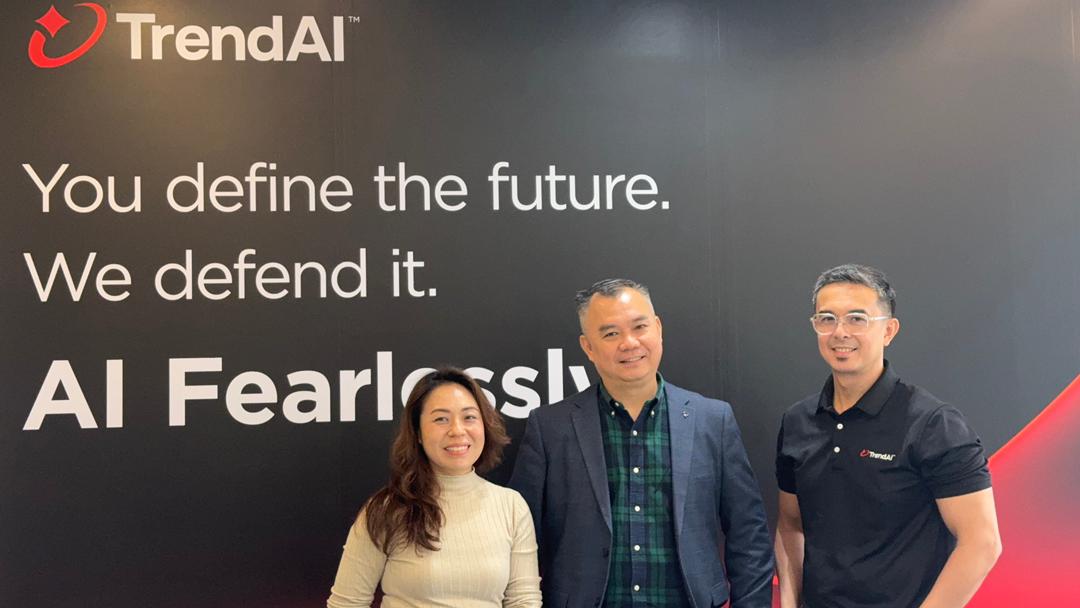
    TrendAI™, a global leader in AI security, has released new research revealing that organisations worldwide are continuing to accelerate AI deployment despite known security and compliance risks.

    In Malaysia, the study found that 75% of IT decision makers and 70% of business leaders feel pressured to approve AI initiatives even when security concerns exist. One in seven respondents described these concerns as “extreme,” yet said they were still overridden in order to keep pace with competitors and internal demand.

    AI adoption is clearly outpacing governance and control. Only 29% of Malaysian business decision makers reported being very or extremely confident in their understanding of legal frameworks governing AI, compared to 63% of IT decision makers. Around 52% of IT leaders said they already have comprehensive AI policies in place, while 39% are still developing them. Nearly half (51%) cited limited security or data expertise as the main barrier to safe AI adoption, followed closely by a lack of clear regulations and compliance standards (49%).

    According to Goh Chee Hoh, Managing Director for Malaysia at TrendAI™, organisations in Malaysia are deploying AI faster than they can manage the associated risks, creating a widening gap between ambition and oversight. He noted that this reflects a broader disconnect in governance maturity among business leaders. To close this gap, leadership must move beyond reactive security and focus on full visibility into how AI interacts with data, supported by a centralised framework that embeds accountability and risk oversight into system architecture. He added that initiatives such as the MY-AI Standards are a positive step in addressing risks like deepfakes and algorithmic bias. However, as Malaysia moves towards its goal of becoming an AI Nation by 2030, organisations must strengthen governance and defensive resilience to ensure AI adoption leads to a sustainable digital future.

    Rachel Jin, Chief Platform & Business Officer and Head of TrendAI, said that organisations are not lacking awareness of risk, but rather the conditions needed to manage it effectively. She explained that when AI deployment is driven by competitive pressure instead of governance maturity, systems are often integrated into critical infrastructure without sufficient controls, increasing exposure to risk. She emphasised that TrendAI remains focused on helping organisations achieve strong business outcomes while maintaining effective risk management.

    The research also highlights that pressure-driven AI rollout is being worsened by inconsistent governance and unclear accountability for AI-related risks. Security teams are often forced to react to top-down AI decisions, which can lead to workarounds and increased use of unsanctioned or “shadow” AI tools. TrendAI’s latest threat research further shows that attackers are already using AI to automate reconnaissance, scale phishing campaigns, and lower barriers to cybercrime, increasing both the speed and scale of attacks.

    Trust in autonomous AI systems remains at an early stage among business leaders. Fewer than half (44%) of Malaysian decision makers believe agentic AI will significantly improve cyber defence in the short term, citing concerns around data access, misuse, and lack of oversight.

    More than half of organisations (57%) identify AI agents accessing sensitive data as their biggest risk. Around 45% are concerned about malicious prompts compromising security, while 37% fear misuse of trusted AI systems and risks linked to autonomous code deployment. At the same time, 36% admit they lack sufficient observability or auditability over these systems, raising concerns about how they can be effectively monitored or controlled once deployed.

    Nearly half (48%) of organisations support the introduction of an AI “kill switch” to shut down systems in the event of failure or misuse, while more than half remain undecided. This highlights a broader lack of consensus on how to maintain control over increasingly autonomous AI systems.

    “Agentic AI is moving organisations into a new risk category,” added Rachel Jin. “The concerns are already clear, from sensitive data exposure to loss of oversight. Without visibility and control, organisations risk deploying systems they do not fully understand or govern, and that risk will continue to grow unless action is taken.”

    Read the full global report: Securing the AI-Powered Enterprise – Governance Gaps, Visibility Challenges and Rising Risk.

    *TrendAI commissioned SAPIO Research to survey 3,700 IT and business decision makers across 23 countries globally.

    About TrendAI™
    TrendAI™, the global AI security leader and enterprise business unit of Trend Micro, empowers organisations with full AI visibility and unified security to drive innovation while reducing risk. Trusted by leading enterprises and governments across 185 countries, TrendAI™ secures organisations from identities to infrastructure and data.

    Global Fortune 500 companies rely on TrendAI™ to reduce risk and detect threats up to three months earlier, powered by advanced threat intelligence.

    Through ecosystem partnerships with NVIDIA, Anthropic, AWS, Google, and Microsoft, TrendAI™ helps organisations adopt AI securely and at scale.

    AI Fearlessly.

  • MR. ROBOT Secures US$5 Million in Funding to Drive Embodied AI Integration Across the Retail Sector

    MR. ROBOT Secures US$5 Million in Funding to Drive Embodied AI Integration Across the Retail Sector

    MR. ROBOT has successfully concluded a US$5 million funding round aimed at advancing the deployment of embodied artificial intelligence (AI) within the retail, logistics, and service sectors. This strategic capital injection facilitates the company’s mission to transition robotics from static industrial applications into dynamic, real-world commercial environments. As emphasized by CEO Yap, the next phase of robotic evolution centers on machines that operate autonomously alongside human workforces in complex settings such as supermarkets and warehouses.

    The organization’s methodology diverges from traditional hardware-focused models by establishing a comprehensive ecosystem that integrates specialized training environments, data collection systems, and proprietary AI models. This infrastructure enables robotic units to acquire operational intelligence directly from their physical surroundings, ensuring continuous performance optimization. This technological framework is specifically designed to mitigate systemic operational pressures, including acute labor shortages and rising service costs currently impacting the retail and logistics industries.

    At present, MR. ROBOT is conducting strategic pilot programs in live retail environments to refine applications such as autonomous shelf replenishment, goods movement, customer assistance, and store monitoring. These initiatives allow for the aggregation of real-world data, enabling the AI to adapt to the nuances of commercial operations while providing immediate logistical support. By deploying these service robots in hospitality and retail settings, the company is actively addressing critical labor gaps through high-fidelity automation.

    Following this investment, MR. ROBOT intends to accelerate its research and development initiatives, build dedicated data infrastructure, and cultivate regional engineering talent. The company further plans to expand its pilot systems across Southeast Asia, positioning itself as a primary architect of the region’s autonomous commercial infrastructure. As embodied AI becomes increasingly integral to global commerce, MR. ROBOT remains committed to developing machines capable of sophisticated environmental interaction. Further corporate information is available at https://mr-robot.tech/.

  • Malaysia to Host SEMICON Southeast Asia 2026, Uniting Global Leaders to Shape the Future of Semiconductors

    SEMICON Southeast Asia (SEMICON SEA) 2026, the region’s premier platform for the global semiconductor and electronics manufacturing supply chain, will return to the Malaysia International Trade and Exhibition Centre (MITEC) in Kuala Lumpur from 5 to 7 May. Registration is now open.

    The event highlights the growing strategic importance of Southeast Asia within the global semiconductor ecosystem, as the region continues to strengthen its role in advanced manufacturing and supply chain resilience. In Malaysia, the event is held in strategic partnership with the Ministry of Investment, Trade and Industry (MITI) and the Malaysian Investment Development Authority (MIDA), reflecting the country’s continued commitment to strengthening its position in the global semiconductor value chain.

    SEMICON SEA 2026, themed Transform Tomorrow, will focus on accelerating next-generation technologies while addressing current structural challenges. It is expected to gather more than 20,000 innovators, policymakers, and technology experts, fostering collaboration across the international semiconductor ecosystem while delivering insights into artificial intelligence, smart manufacturing, sustainability, workforce development, advanced packaging, supplier sourcing, and other key areas.

    The global semiconductor industry is projected to reach USD1 trillion in annual sales by 2026, driven by the rapid expansion of artificial intelligence infrastructure. Market analysts note that Southeast Asia has emerged as a significant growth engine for the industry, outperforming the broader market in recent years, supported by sustained expansion in manufacturing capacity, assembly, testing, and packaging activities, as well as deeper integration into global supply chains.

    According to Ajit Manocha, President and CEO of SEMI, the semiconductor industry is entering a new era defined by ecosystem-wide collaboration. He noted that SEMICON Southeast Asia reflects this shift through programmes designed to bridge innovation and execution, from design through manufacturing, and expressed SEMI’s anticipation of hosting the event in Malaysia, a long-established semiconductor hub.

    Linda Tan, President of SEMI Southeast Asia, said SEMICON Southeast Asia serves as a catalyst for collaboration and innovation by bringing together industry leaders, visionaries, and experts to address pressing challenges and explore emerging opportunities, enabling stakeholders to shape the future of the semiconductor industry.

    In Malaysia, the semiconductor industry is entering its next phase of growth from a position of strength. The electrical and electronics (E&E) sector secured RM28.5 billion in approved investments in 2025, reinforcing its role as a cornerstone of the national manufacturing economy and a trusted node in the global technology supply chain. SEMICON SEA 2026 comes at a time when Malaysia is moving beyond its established strengths in assembly and test towards higher-value activities, including design, advanced packaging, and innovation-driven manufacturing.

    According to Datuk Sikh Shamsul Ibrahim Sikh Abdul Majid, Chief Executive Officer of MIDA, the semiconductor industry is at an inflection point and Malaysia intends to be at the centre of its next phase. He noted that under the New Industrial Master Plan (NIMP) 2030, Malaysia is not only maintaining its position in the global semiconductor supply chain but actively reshaping it. He added that strong investment fundamentals, including RM28.5 billion in E&E investments in 2025, reflect continued global confidence in Malaysia, which the country is building upon through supply chain integration, local capability development, and high-value partnerships. MIDA, he said, is an active builder of the industry’s next chapter in Malaysia, working collaboratively to shape its future.

    SEMICON SEA 2026 will focus on several key pillars, including artificial intelligence and intelligent manufacturing, sustainability, talent development, advanced packaging and heterogeneous integration, and supplier sourcing. These areas aim to accelerate innovation, strengthen ecosystem linkages, and support the development of a future-ready workforce.

    MIDA will also lead several initiatives at the event, including a Supply Chain Integration & Capability Enhancement Forum to strengthen industry linkages and supplier capabilities, a Digital Twin & Smart Manufacturing Seminar for SMEs to enhance technological adoption, and the Handshake@SEMICON programme, which facilitates structured engagements between global industry leaders and Malaysian stakeholders to accelerate investment and partnerships. In addition, MIDA will contribute to workforce development discussions through SEMI’s TECH Zoomers programme at Universiti Kebangsaan Malaysia (UKM), focusing on talent trends and future skills in the semiconductor sector.

    SEMICON SEA 2026 is further supported by leading global industry sponsors, including GlobalFoundries, Lam Research, Micron, Sandisk Corporation, Tokyo Electron Limited, Applied Materials, Schneider Electric, SGS, Soitec, STATS ChipPAC, Advantest, ASE, KLA, Kulicke & Soffa, Siemens, and STMicroelectronics.

    Registration for SEMICON SEA 2026 is now open. For full programme and conference details, please visit the SEMICON SEA website.

  • HONOR 600 Series Introduces AI Image to Video 2.0, Turning Photos into Cinematic Stories

    HONOR 600 Series Introduces AI Image to Video 2.0, Turning Photos into Cinematic Stories

    Following the official unveiling of the HONOR 600 Series on Friday, HONOR today announced that Malaysia will be the first country, ahead of China and other global markets, to launch the highly anticipated flagship smartphones on 22 April 2026. The HONOR 600 Series introduces significant upgrades in next-generation AI imaging, led by the AI Image to Video 2.0 feature. This latest innovation redefines mobile storytelling by enabling users to transform static photographs into cinematic, high-quality videos with greater creative flexibility than ever before.

    The AI Image to Video 2.0 feature allows users to create beyond conventional limits by combining multiple photographs with customised prompts. Building on the earlier version introduced in the HONOR 400 Series, which offered a single-template experience, this upgraded feature brings three major enhancements: multi-image to video composition, personalised prompts for tailored creations, and a selection of creative templates. Together, these improvements provide users with greater control over how their digital stories are crafted and presented.

    With support for up to three still images, AI Image to Video 2.0 can generate high-quality video clips lasting three to five seconds, enhanced by user-defined prompts. This capability transforms static memories into dynamic, cinematic narratives. Beyond simple animation, the feature also carries emotional significance, offering users a way to reconnect with meaningful moments, whether it is visualising a reunion with loved ones separated by distance or recreating cherished memories with family members or pets.

    In addition, the introduction of customised prompts opens up limitless creative possibilities. Users can bring imaginative scenarios to life, from extraordinary adventures to playful, whimsical ideas, simply by describing them. This approach goes beyond traditional photo editing, offering a new form of digital expression that turns ideas and daydreams into vivid, shareable visual content.

    The AI Image to Video 2.0 feature is further enhanced by a library of 13 creative templates designed with cinematic camera movements, visual effects, and film-inspired styles. These templates allow users to produce professional-looking videos effortlessly, whether adding dramatic motion effects or transforming everyday snapshots into visually compelling stories.

    The HONOR 600 Series will officially launch in Malaysia on 22 April 2026 at 3:00 PM. The event is expected to showcase the full capabilities of the new series, along with exclusive announcements. Viewers can watch the launch livestream via HONOR Malaysia’s official Facebook page. For more information, visit https://www.honor.com/my/.

  • Mastercard Unveils AI Centre of Excellence to Transform Payments in Southeast Asia

    Mastercard has announced a significant advancement in its ASEAN AI strategy with the successful rollout of authenticated agentic transactions across multiple markets in the region, alongside plans to establish a regional AI Centre of Excellence in Singapore. These developments underscore Mastercard’s commitment to promoting secure and transparent agentic commerce while preparing the region for AI-driven payments at scale.

    The initial wave of authenticated agentic transactions in Singapore and Malaysia, with additional markets expected to follow, demonstrates the readiness of ASEAN for interoperable AI agents capable of enabling safe, transparent transactions. For the first region-wide testing, Mastercard collaborated with UOB, leveraging the bank’s extensive network to ensure that future deployments could scale across diverse markets. In parallel, Mastercard worked with local banks in each country to support localized implementations, laying the groundwork for broader regional expansion as more stakeholders participate.

    Safdar Khan, Division President for Southeast Asia at Mastercard, said, “The first wave of authenticated agentic transactions across ASEAN shows how quickly the region is embracing secure, AI-enabled commerce. With early pilots now live, Mastercard is demonstrating that AI agents can operate responsibly and transparently, giving consumers confidence that every transaction is authenticated and anchored in verifiable intent.” Jacquelyn Tan, Head of Group Personal Financial Services at UOB, added, “Our multi-market collaboration with Mastercard shows how trusted, AI-driven payments can enhance everyday banking and commerce, tailored to diverse lifestyle needs across the region. As adoption grows, we continue to combine innovation and strong governance to scale these capabilities across borders, unlocking greater value for consumers and businesses across ASEAN.”

    Mastercard Agent Pay represents the next phase of AI-powered commerce by providing the framework and safeguards needed for secure AI-initiated transactions. By combining tokenized credentials, verifiable intent, and end-to-end auditability through Mastercard Agentic Tokens and Payment Passkeys, the platform ensures that every AI-driven transaction aligns with consumer authorization and trust expectations. As commerce becomes increasingly autonomous, Mastercard is introducing Verifiable Intent, a standards-based trust paradigm co-developed with Google, which creates a tamper-resistant record of user authorization and serves as a shared source of truth for consumers, merchants, and issuers.

    Later this year, Mastercard will launch its regional AI Centre of Excellence in Singapore, combining its innovation hub, advanced cybersecurity capabilities, and AI expertise to form its largest innovation space in Asia Pacific. The centre reflects Mastercard’s broader commitment to advancing AI in the region, building on more than a decade of AI applications across its network, including fraud detection, cybersecurity, and real-time risk management. Supported by deep data assets, established governance frameworks, and over 2,000 global data scientists, engineers, and consultants, the CoE is designed to accelerate AI readiness.

    “Trust is the currency of the AI economy. As connected commerce expands across ASEAN, data is key to transforming payments into seamless and intuitive experiences. Mastercard’s AI Centre of Excellence, together with regional collaborations, will strengthen the frameworks necessary for AI-powered commerce to scale responsibly. By pairing innovation with strong governance, we are laying the foundation for AI-initiated payments that are secure, interoperable across borders, and inclusive for consumers and businesses throughout Southeast Asia,” concluded Khan.

  • Workers in Southeast Asia Worry More About AI Dependence Than Losing Jobs

    A new study by Milieu Insight, surveying 3,000 workers across six Southeast Asian markets—Singapore, Thailand, Malaysia, Indonesia, the Philippines, and Vietnam—reveals how employees perceive the risks associated with artificial intelligence (AI). Over-dependence on AI emerged as the top concern across all six markets, cited by 53% of respondents, ahead of privacy issues at 40% and job loss at 34%. While fears of job displacement remain notable, employees are increasingly questioning how AI might influence decision-making, critical thinking, and professional autonomy, highlighting unease over the potential erosion of human judgment and capabilities rather than the risk of outright replacement.

    Respondents represented a variety of organisation types, led by private large companies with 200 or more employees, followed by local SMEs and multinational corporations. They also span a diverse range of industries, including engineering, manufacturing, retail, and information technology. Across markets, the concern over AI dependency is highest in Indonesia at 61%, followed by Thailand at 55%, the Philippines at 53%, Vietnam at 50%, and Malaysia and Singapore at 49% each. In contrast, concerns about job loss rank consistently lower, suggesting that workers are more focused on maintaining their independent capabilities than fearing replacement.

    Looking ahead, 41% of respondents expect AI to assist them without replacing core tasks, using it to streamline routine work and improve efficiency. Over half (51%) said AI will help them save time on repetitive tasks, allowing them to focus on higher-value responsibilities. Meanwhile, 26% anticipate significant parts of their roles being automated, requiring adaptation to new methods, while 10% believe their jobs could be entirely replaced and another 10% expect AI to create new opportunities or responsibilities.

    Overall sentiment toward AI is largely optimistic. Forty-one percent describe themselves as somewhat optimistic, believing the benefits outweigh the risks, and 13% are very optimistic. Vietnam (66%) and Thailand (58%) record the highest optimism, while Singapore shows the highest combined pessimism at 15%. This optimism across emerging Southeast Asian markets reflects expectations that AI will drive productivity, digital innovation, and new economic opportunities.

    Despite strong interest in AI adoption, readiness gaps remain. Data security and privacy concerns are the most cited barrier, followed by lack of technical skills, cost, and employee resistance. Digital infrastructure gaps are more pronounced in Thailand and Indonesia than in Malaysia and Singapore, reflecting varying organisational maturity. Only a small proportion of respondents report that their organisations are fully prepared with strategies, resources, and training, while most describe themselves as only somewhat prepared. Active encouragement from employers to use AI is limited, ranging from 25% in Singapore to 38% in Vietnam.

    This gap between enthusiasm for AI and organisational readiness highlights a broader challenge in the region. While businesses recognise AI’s potential, many are still in the early stages of building governance, training, and infrastructure needed to support widespread adoption. Sundip Chahal, Group CEO of Milieu Insight, explained that workers are not just worried about being replaced but are concerned about becoming overly reliant on AI at the expense of judgment, capability, and independent thinking. He emphasised that while the workforce is open to AI, organisations must focus on providing the right training, guardrails, and disciplines to ensure it is used responsibly and effectively.