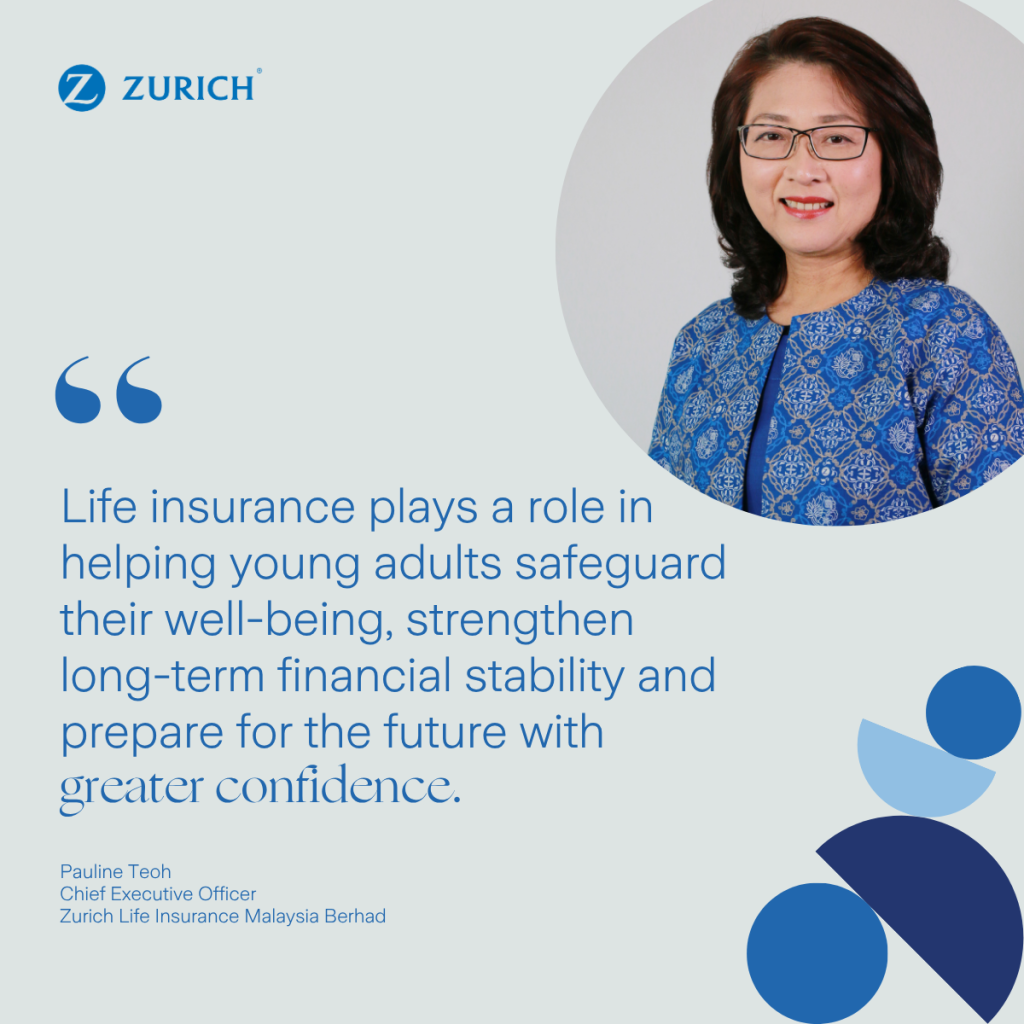
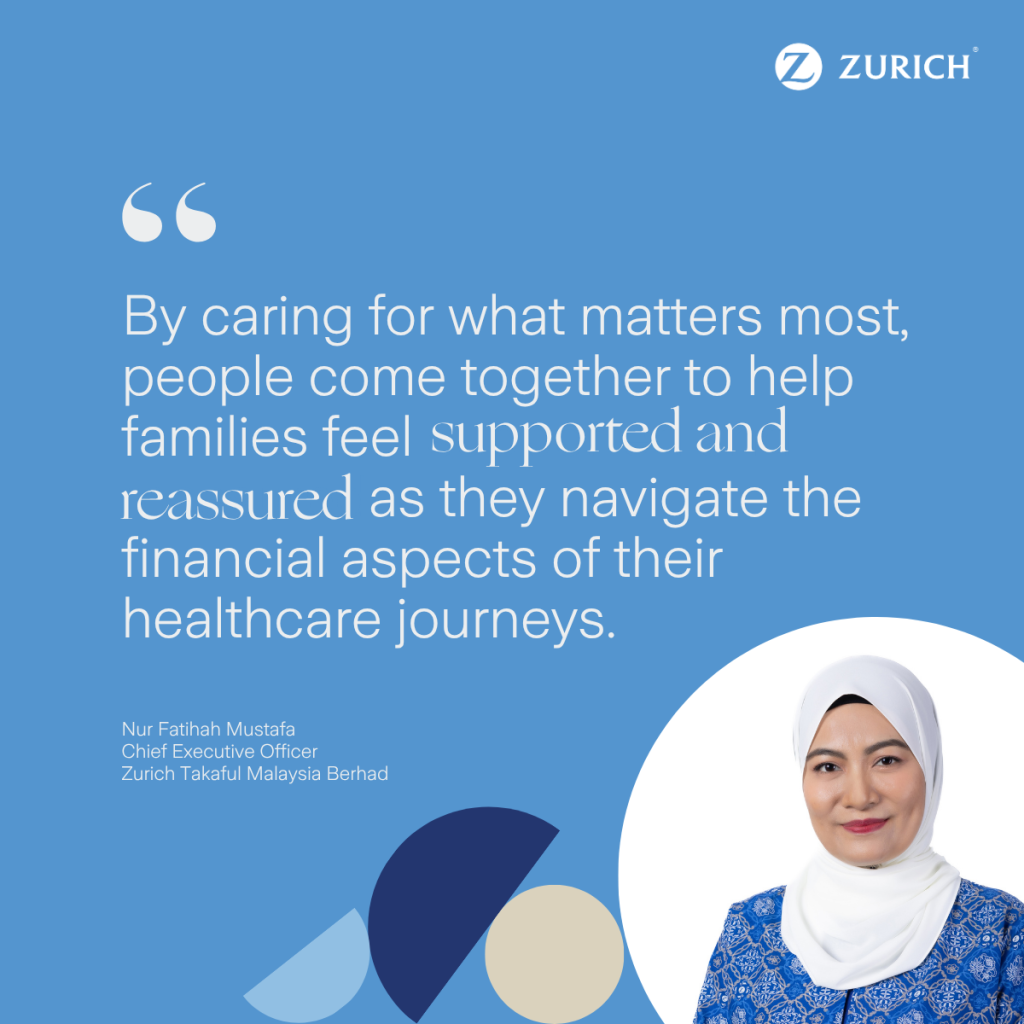
Healthcare systems around the world need to rethink how they manage chronic diseases as populations continue to age, according to Zurich Insurance Group’s latest report, The Value of Chronic Care. Based on data collected across 38 OECD countries between 2014 and 2023, the study covers more than 200 chronic conditions and examines what separates high-performing healthcare systems from those struggling to meet growing demand.
One of the report’s key findings is that healthcare spending alone does not guarantee better outcomes. Instead, countries that perform well typically have stronger care coordination, earlier interventions and greater access to preventive healthcare services. Systems originally designed to treat acute illnesses are increasingly finding it difficult to support patients living with lifelong medical conditions.
The report identifies Switzerland, the Netherlands, Luxembourg, Norway and South Korea as the top-performing countries for chronic care management. Their success is largely attributed to integrated healthcare delivery and coordinated patient support. Meanwhile, countries with fragmented healthcare systems continue to experience poorer outcomes despite having similar healthcare capacities.
As the second publication in Zurich’s The Value of Health & Wellbeing series, the report calls on governments, insurers, employers and healthcare providers to work together in shifting from treatment-focused healthcare to prevention-led care. Such an approach is expected to improve public health, boost productivity and strengthen financial resilience as chronic diseases continue to become one of the world’s greatest healthcare challenges.
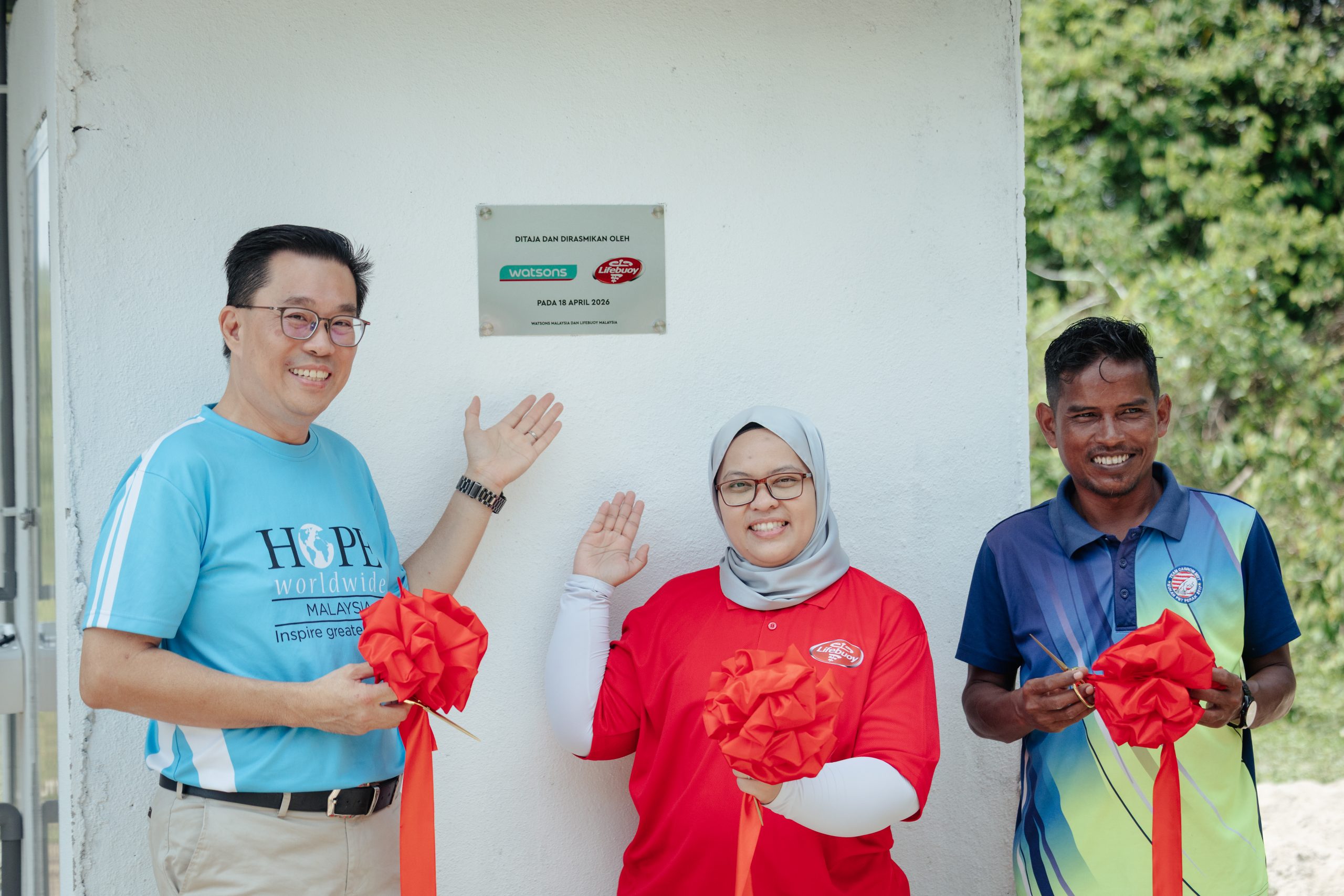
Lifebuoy, jenama sabun antibakteria terkemuka dunia, dengan kerjasama Watsons Malaysia dan HOPE worldwide Malaysia, telah melancarkan kempen “Kekal Segar & Bersih” menerusi program pembangunan komuniti di Kampung Bindu, Chenderiang. Majlis pelancaran ini menghimpunkan pemimpin tempatan, keluarga serta rakan komuniti, sekali gus menandakan permulaan usaha berskala nasional yang akan diperluaskan merentasi beberapa negeri. Inisiatif ini memberi tumpuan kepada komuniti Orang Asli dan golongan yang kurang mendapat perhatian melalui usaha memperluas akses kepada sanitasi asas, pendidikan kebersihan serta sokongan keperluan harian.
Sebagai sebahagian daripada kempen ini, Lifebuoy bersama rakan kerjasama akan memperkukuh akses kebersihan dalam kalangan komuniti rentan melalui penyediaan sokongan sanitasi serta pengagihan pek penjagaan kebersihan yang mengandungi produk Lifebuoy dengan formulasi 10X Perlindungan Kuman di lima lokasi terpilih. Inisiatif ini dimulakan di perkampungan Orang Asli di Perak sebelum diperluaskan dengan pembinaan 10 tandas di kawasan yang kurang mendapat perhatian di Seremban, Melaka, Gerik, Pulau Pinang dan Kuching. Selain itu, pengagihan pek penjagaan kebersihan turut diperluaskan kepada komuniti yang memerlukan di seluruh negara. Secara keseluruhannya, kempen ini menyasarkan untuk membantu sekitar 2,300 keluarga melalui penyediaan produk kebersihan asas dan keperluan harian bagi menyokong amalan kebersihan yang lebih baik dalam komuniti terlibat.
Ketua Pembersihan Kulit Unilever Malaysia, Siti Suhaila Abd Hamid, berkata Lifebuoy telah lama komited dalam memperjuangkan pendidikan kebersihan kerana amalan mencuci tangan yang betul mampu menyelamatkan nyawa. Menurutnya, misi syarikat bukan sekadar menghasilkan produk kebersihan, tetapi juga melindungi nyawa melalui peningkatan kesedaran, peluasan pendidikan serta penambahbaikan akses kepada keperluan kebersihan asas. Beliau menambah bahawa melalui kempen “Kekal Segar & Bersih”, pihaknya berharap dapat memperluas akses kepada sanitasi serta memperkasa keluarga dengan ilmu dan amalan yang diperlukan bagi melindungi kesihatan mereka dan generasi akan datang.
Majlis pelancaran tersebut melibatkan lebih 150 penduduk dari Kampung Bindu dan Kampung Landor, dengan penyerahan dua tandas komuniti dan empat tandas keluarga yang dibina serta ditaja oleh Lifebuoy Malaysia kepada keluarga yang sebelum ini tidak mempunyai kemudahan sanitasi mencukupi. Penambahbaikan ini memperkukuh akses kepada sanitasi yang selamat, yang merupakan hak asasi manusia serta asas penting kepada kesihatan dan kesejahteraan komuniti secara keseluruhan.
Sepanjang program, keluarga turut diberi pendedahan mengenai cara kuman boleh merebak melalui sentuhan pada permukaan, makanan dan persekitaran, sekali gus menekankan kepentingan amalan kebersihan yang baik dalam melindungi kesihatan keluarga. Pengarah Negara HOPE worldwide Malaysia, Darick Wong, berkata akses kepada kemudahan sanitasi yang selamat serta pendidikan kebersihan secara langsung dapat meningkatkan kesejahteraan komuniti, selain membantu keluarga membina keyakinan untuk mengamalkan kebersihan yang baik setiap hari.
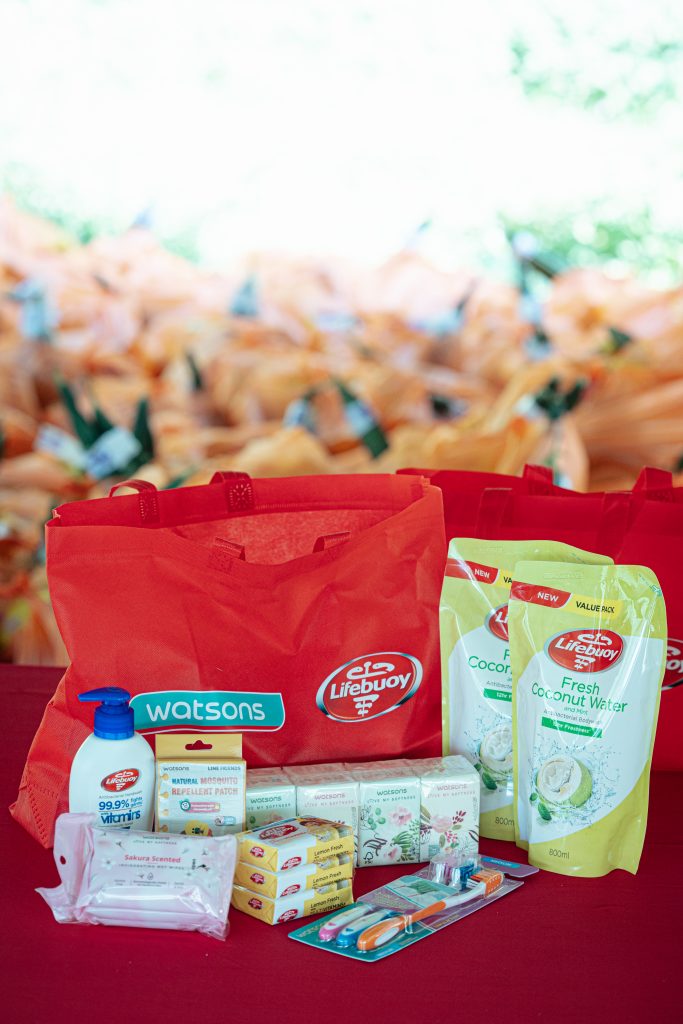
Penduduk turut menerima pek penjagaan yang mengandungi kit kebersihan dan produk mandian daripada rangkaian Lifebuoy dengan formulasi 10X Perlindungan Kuman. Mereka juga menerima barangan keperluan asas daripada Watsons Malaysia termasuk barangan runcit bernilai RM69,000 bagi menyokong keperluan harian serta amalan kebersihan di rumah. Pelbagai aktiviti dan permainan interaktif turut dijalankan bagi membantu keluarga memahami cara kuman merebak serta kepentingan mengekalkan amalan kebersihan yang baik.
Antara pengisian utama program ialah sesi pendidikan kebersihan interaktif yang dikendalikan oleh profesional penjagaan kesihatan bagi membantu ibu bapa memahami bagaimana amalan kebersihan asas dapat mencegah penyakit dan melindungi kesihatan keluarga. Sesi ini turut menampilkan demonstrasi glo-germ yang membolehkan peserta melihat dengan jelas bagaimana kuman boleh merebak melalui sentuhan harian. Visualisasi ini membantu mengukuhkan kefahaman tentang kepentingan amalan kebersihan yang betul, termasuk penggunaan sabun untuk menghapuskan kuman secara berkesan. Kanak-kanak pula mengambil bahagian dalam aktiviti pembelajaran dan mewarna di luar yang direka untuk memperkenalkan konsep kebersihan dengan cara yang menyeronokkan dan mudah difahami.
Sebagai pelengkap kepada inisiatif ini, Lifebuoy dan HOPE worldwide Malaysia turut memperkenalkan program Latihan Jurulatih (Train-the-Trainer) yang bertujuan melengkapkan sukarelawan NGO dengan kemahiran dan pengetahuan untuk terus menyampaikan pendidikan kebersihan dalam komuniti masing-masing di seluruh Malaysia. Siti Suhaila Abd Hamid menambah bahawa ilmu yang disampaikan melalui kempen ini diharapkan dapat diteruskan dan diperluaskan walaupun selepas program berakhir, sekali gus mendorong perubahan positif dalam amalan kebersihan harian dari luar bandar hingga ke kawasan bandar.
Kempen “Kekal Segar & Bersih” merupakan inisiatif berteraskan komuniti oleh Lifebuoy Malaysia dengan sokongan Watsons Malaysia serta dilaksanakan melalui kerjasama HOPE worldwide Malaysia. Program ini memberi tumpuan kepada peningkatan akses kebersihan, pemerkasaan pendidikan serta sokongan kepada komuniti Orang Asli dan golongan B40 di seluruh Malaysia.
Protein is often associated with athletes, gym routines, or weight goals, but its role in the body extends far beyond physical performance. For active adults, protein serves as a daily foundation that supports strength, energy, recovery, and overall well-being. Whether someone exercises regularly, stays active through work, or simply aims to feel stronger and more resilient, consistent protein intake plays an important role in supporting an active lifestyle.
According to Dr. Krissy Ladner, Director of Sports Performance and Nutrition Education at Herbalife, protein provides the essential building blocks needed to maintain and repair muscle tissue. She explains that every time we move, lift, walk, or exercise, muscle fibres are placed under stress, and protein supports the body in recovering from this stress by maintaining and rebuilding lean muscle mass. Over time, this process contributes to physical strength, mobility, and metabolic health, all of which are important for staying active at any age. Lean muscle is metabolically active tissue, meaning it plays a key role in how the body uses energy, and sufficient protein intake helps support a healthy metabolism and long-term weight management when combined with balanced nutrition and regular physical activity.
Director, Sports Performance and Nutrition Education
A common misconception is that protein is only necessary after intense exercise or for those aiming to build muscle. In reality, the body benefits most when protein is consumed consistently throughout the day. The Malaysian Dietary Guidelines 2020 highlight that protein deficiency, which can occur at any age due to poor diet or illness, is associated with impaired growth, weakened immunity, and loss of muscle mass, increasing the risk of stunting in children and frailty in older adults. Distributing protein intake across meals helps maintain steady energy levels, support muscle maintenance, and improve appetite control, as meals with adequate protein tend to be more satisfying and help reduce energy dips often caused by high intake of refined carbohydrates. Combining protein with carbohydrates after physical activity also helps replenish energy stores while supporting muscle recovery, improving overall recovery and consistency in staying active.
The quality and variety of protein sources are equally important. Lean animal proteins such as fish, poultry, eggs, and lower-fat dairy provide essential amino acids in highly bioavailable forms, while plant-based sources such as legumes, soy products, nuts, seeds, and whole grains contribute protein along with fibre and phytonutrients. Including a variety of protein sources helps individuals meet their nutritional needs while supporting overall diet quality. However, modern lifestyles can make it difficult to meet daily protein requirements through meals alone, with busy schedules, long working hours, and irregular eating patterns often leading to gaps. In such cases, convenient options like protein-rich snacks, smoothies, or shakes can help support intake without excessive portions or calorie intake, especially on demanding days.
Consistent protein intake supports how we move, recover and perform daily.
As we age, the body naturally becomes less efficient at maintaining muscle mass, a process that can begin as early as midlife and may impact strength, balance, and mobility if not addressed. Consistent protein intake helps support muscle maintenance and repair, which is essential for maintaining an active, resilient, and independent lifestyle over time. Preserving lean muscle is not only important for performance but also for everyday function, as activities such as climbing stairs, carrying groceries, and maintaining balance all rely on muscle strength. When combined with regular physical activity, adequate protein intake helps the body adapt to physical stress and maintain functional capacity throughout life.
While the recommended protein intake is 0.83 g/kg body weight per day, the focus is not on excess, restriction, or perfection but on consistency. Simple daily habits such as including protein at breakfast, balancing meals, and planning ahead during busy days can make a meaningful difference over time. Ultimately, protein is not limited to athletes or specific fitness goals but is a fundamental nutrient that supports movement, recovery, and long-term vitality. When consumed consistently and as part of a balanced diet, it becomes a key foundation for maintaining an active and energised life.
Menstruation is a natural and healthy part of life, yet period poverty remains a pressing public health and human rights issue that continues to affect millions globally, including in Malaysia. Defined as the lack of access to menstrual products, proper hygiene facilities, and accurate menstrual education, period poverty goes beyond affordability—it reflects deeper systemic gaps in infrastructure, awareness, and social attitudes. Despite growing conversations around gender equality and health, menstruation is still shrouded in stigma, leaving many girls and women to manage their periods in silence and without adequate support.
Globally, access to proper sanitation remains a significant barrier. Less than half of schools provide the basic water and sanitation facilities necessary for menstrual hygiene, and many lack appropriate disposal systems for menstrual waste. This creates not only logistical challenges but also emotional distress, as girls often feel embarrassed or ashamed managing their periods in school environments that are not equipped to support them. The consequences are far-reaching: an estimated 10% of menstruating youth miss school due to inadequate access to menstrual hygiene resources. This disruption in education can have long-term effects on confidence, academic performance, and future opportunities.
Cultural taboos further compound the issue. In many communities, menstruation is still considered a private or even shameful topic. Girls are often taught to keep their periods secret, while boys are rarely educated about it, reinforcing cycles of misunderstanding and stigma. This silence prevents menstruation from being recognised as the normal biological process it is and contributes to a lack of open dialogue both at home and in schools. As a result, many young people grow up without the knowledge or confidence to manage menstrual health safely and with dignity.
In Malaysia, however, community-driven initiatives are beginning to challenge these norms and provide practical solutions. Campaigns like “Haid, Jangan Hide” by the All Women’s Action Society (AWAM) are reframing menstruation as a topic of dignity and empowerment. Through workshops and peer-led education, the initiative creates safe spaces for women and girls to learn about their bodies and speak openly without fear of judgment. Similarly, grassroots efforts such as Projek Oh! Bulan are addressing period poverty at the ground level by distributing sanitary products to students in rural schools, ensuring that no girl has to miss class simply because she cannot afford basic necessities.
At the same time, there is increasing awareness of the environmental impact of menstrual products. Disposable pads, which can take hundreds of years to decompose and often contain a high percentage of plastic, contribute significantly to long-term waste. Sustainable alternatives such as reusable cloth pads, menstrual cups, and period underwear are gaining traction as cost-effective and environmentally friendly options. When supported by proper education on usage and hygiene, these alternatives can empower users while reducing financial strain and environmental harm.
While these community initiatives are inspiring, they cannot solve the issue alone. Government intervention is essential to create lasting, nationwide change. Malaysia has already taken a positive step by removing taxes on menstrual products, but affordability is only one piece of the puzzle. A comprehensive national policy is needed—one that recognises menstrual health as a fundamental component of public health and gender equality. This includes providing free sanitary products in schools, implementing mandatory menstrual education for all genders, and ensuring that all public facilities are equipped with clean water, soap, and proper disposal systems.
Equally important is the need for data-driven policymaking. Without accurate national data on the scope of period poverty, it is difficult to design targeted and effective interventions. Research and consistent monitoring can help policymakers better understand who is most affected and where resources are needed most. By addressing these gaps, Malaysia can move closer to ensuring that every individual has access to safe, dignified menstrual care.
Ultimately, period poverty is not just about access to pads—it is about equality, health, and opportunity. No girl should have to sacrifice her education or well-being because of a natural biological process. As Malaysia strives toward becoming a high-income nation and achieving its Sustainable Development Goals, addressing period poverty must be part of the national agenda. Menstrual care is not a luxury—it is a basic human right. The time to break the silence and take meaningful action is now.
It often begins with a mild cough, a sudden rash, or a low-grade fever. Within days, a child who was meant to be in school is resting at home, while parents juggle work commitments, concern, and caregiving. Common childhood illnesses such as hand, foot and mouth disease (HFMD), influenza, and measles seem to circulate endlessly, especially in crowded environments like classrooms, childcare centers, or birthday parties. These infections can disrupt daily routines, affect appetite and energy levels, and temporarily hinder a child’s learning and development.
According to Dr Ch’ng Tong Wei, Consultant Paediatrician and Paediatric Infectious Disease Specialist at Sunway Medical Centre, Sunway City, this pattern is entirely normal. Young children, particularly those attending preschool for the first time, can fall ill as many as eight to twelve times a year. This happens because their immune systems are still developing. Each infection helps the body learn to recognize germs and produce antibodies, gradually strengthening immunity. In contrast, older children and adults tend to fall sick less frequently because their immune systems have matured through repeated exposure over time.
In Malaysia’s tropical climate, several infections are especially common. Influenza tends to surge during year-end periods and school reopening seasons, while viruses such as RSV and adenovirus frequently cause prolonged coughs and cold-like symptoms. HFMD spreads easily in childcare settings, while gastroenteritis leads to vomiting and diarrhea. Dengue remains a year-round concern due to mosquito exposure, and diseases like chickenpox and measles still occur when vaccination coverage declines.
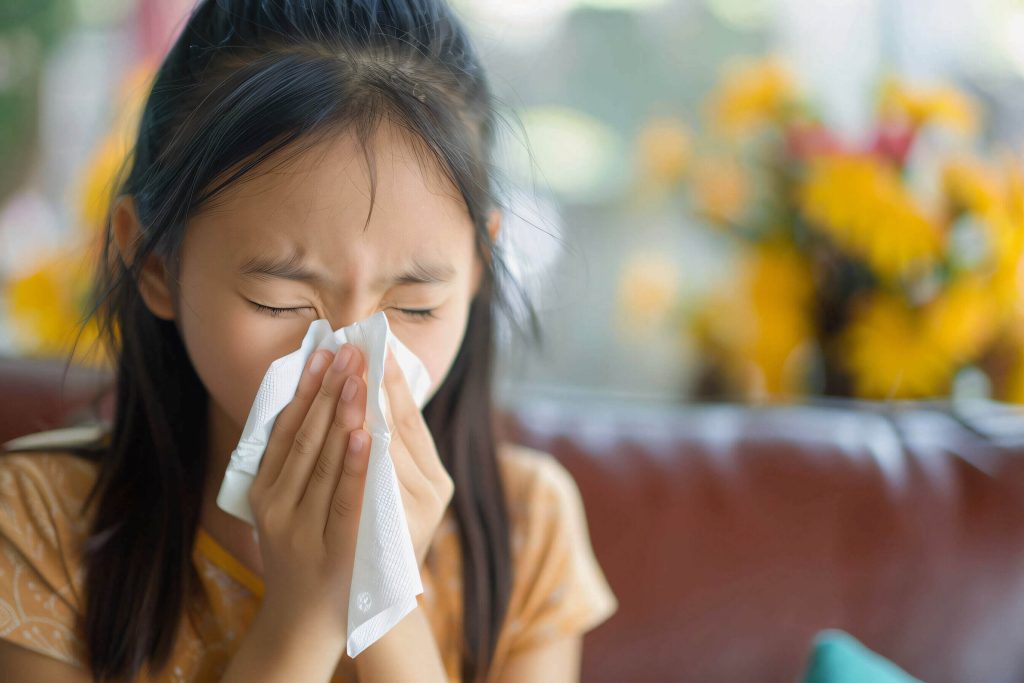
Paediatric infectious diseases often begin with mild, non-specific symptoms but can significantly disrupt a child’s daily routine and schooling.
For parents, it can be difficult to distinguish between a mild illness and something more serious. Dr Ch’ng explains that most infections in otherwise healthy children are self-limiting. If a fever lasts less than three days, the child remains active, and they are still able to eat and drink, even with reduced appetite, it is usually a mild infection. However, warning signs such as fever lasting more than three days, breathing difficulties, excessive drowsiness, persistent vomiting or diarrhea, or rapidly spreading rashes should never be ignored. Prompt medical attention is crucial when these symptoms appear.
Although rare, underlying immune disorders may be suspected when a child experiences unusually frequent or severe infections. These children may require repeated hospitalizations, suffer from recurring viral or fungal infections, or show poor growth and weight gain. In such cases, doctors may recommend specialized blood tests or referrals to immunologists, though these investigations are only done when there are clear indications.
A child’s immunity is influenced by various factors including genetics, environment, lifestyle, and preventive care. Conditions such as asthma, eczema, or allergies can make some children more prone to infections. Exposure to second-hand smoke, pollution, and crowded spaces can also increase illness frequency. While genetics cannot be altered, parents can support immune health through adequate sleep, regular physical activity, outdoor play, balanced low-sugar diets, sufficient intake of fruits and vegetables, vitamin D supplementation, and proper hand hygiene. Expensive supplements are generally unnecessary when healthy routines are in place.
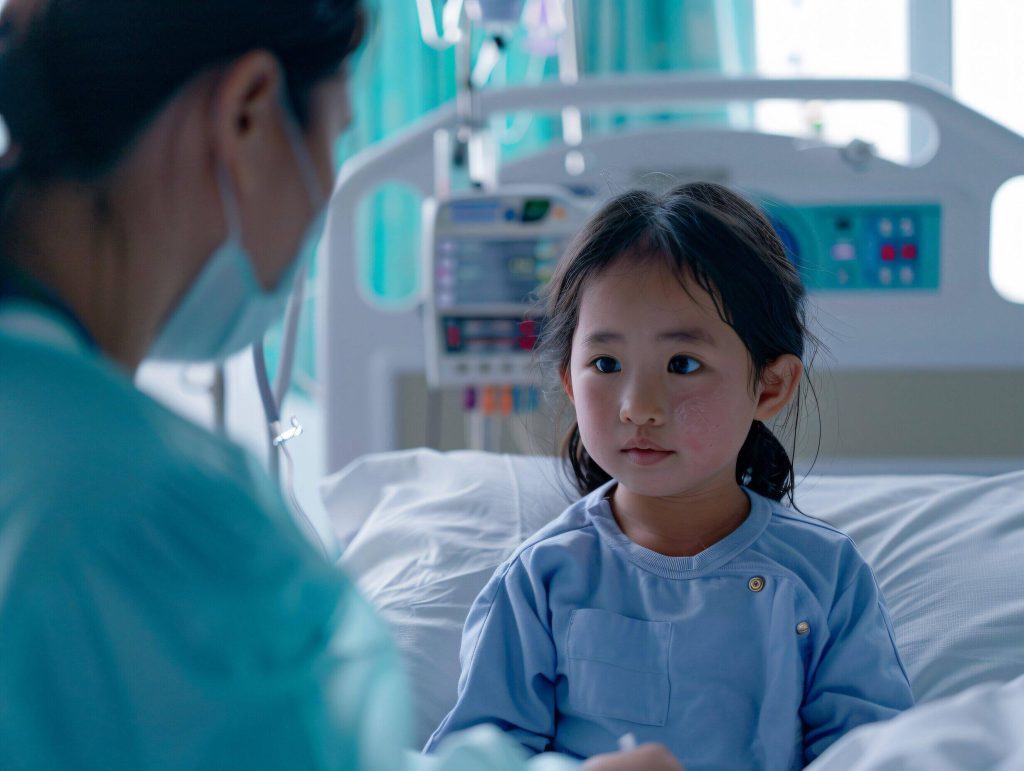
Warning signs such as prolonged fever, unusual drowsiness, or persistent vomiting may signal serious paediatric infections and require prompt medical attention.
Prevention remains a cornerstone of childhood health. Simple practices like handwashing and avoiding unnecessary exposure to crowds can significantly reduce infections. Vaccination is especially vital, as routine and optional vaccines protect children from severe and preventable diseases. Regular health check-ups also play an important role in monitoring growth, development, and overall wellbeing, rather than waiting until a child becomes ill.
Ultimately, childhood illnesses are a natural part of growing up. Parents should not feel guilty when their child falls sick. By recognizing warning signs, maintaining healthy habits, and seeking medical advice when necessary, families can navigate early childhood with greater confidence and peace of mind.