From conception through the first days of life, early care plays a crucial role in shaping a child’s lifelong health. According to Dr Sharmina Kamal Binti Shamsul Kamal, Consultant Obstetrician and Gynaecologist at Sunway Medical Centre, Sunway City (SMC), preparation for a healthy pregnancy should ideally begin even before a positive pregnancy test.
She explained that women are encouraged to undergo pre-pregnancy medical check-ups to detect conditions such as diabetes, hypertension or other underlying health issues that may affect pregnancy outcomes if left unmanaged. With the rising prevalence of these conditions among young Malaysians, early screening has become increasingly important. She also emphasised the need to review medications beforehand to ensure they are safe for use during pregnancy.

Dr Sharmina further highlighted the importance of folic acid supplementation, noting that it should be started even before conception. This is because the baby’s neural tube develops very early in pregnancy, and early supplementation offers the best protection against serious neural tube defects.
During pregnancy, each trimester represents important stages of development. The first trimester is the most delicate as the baby’s organs begin forming, while the second and third trimesters focus on growth, maturation and bonding as the baby becomes more responsive to sound and movement. She noted that nutrition plays a vital role throughout pregnancy, as deficiencies in the mother can directly affect the baby’s development.
She advised expectant mothers to avoid smoking and alcohol, limit caffeine intake and maintain a balanced diet. In Malaysia, iron, calcium and vitamin D deficiencies are commonly seen among pregnant women. Iron deficiency may lead to anaemia, causing fatigue and increasing the risk of poor foetal growth, while calcium and vitamin D deficiencies can affect bone health during and after pregnancy. However, supplements should only be taken under medical supervision, alongside a nutritious diet rich in protein, leafy greens, whole grains and dairy or fortified alternatives.

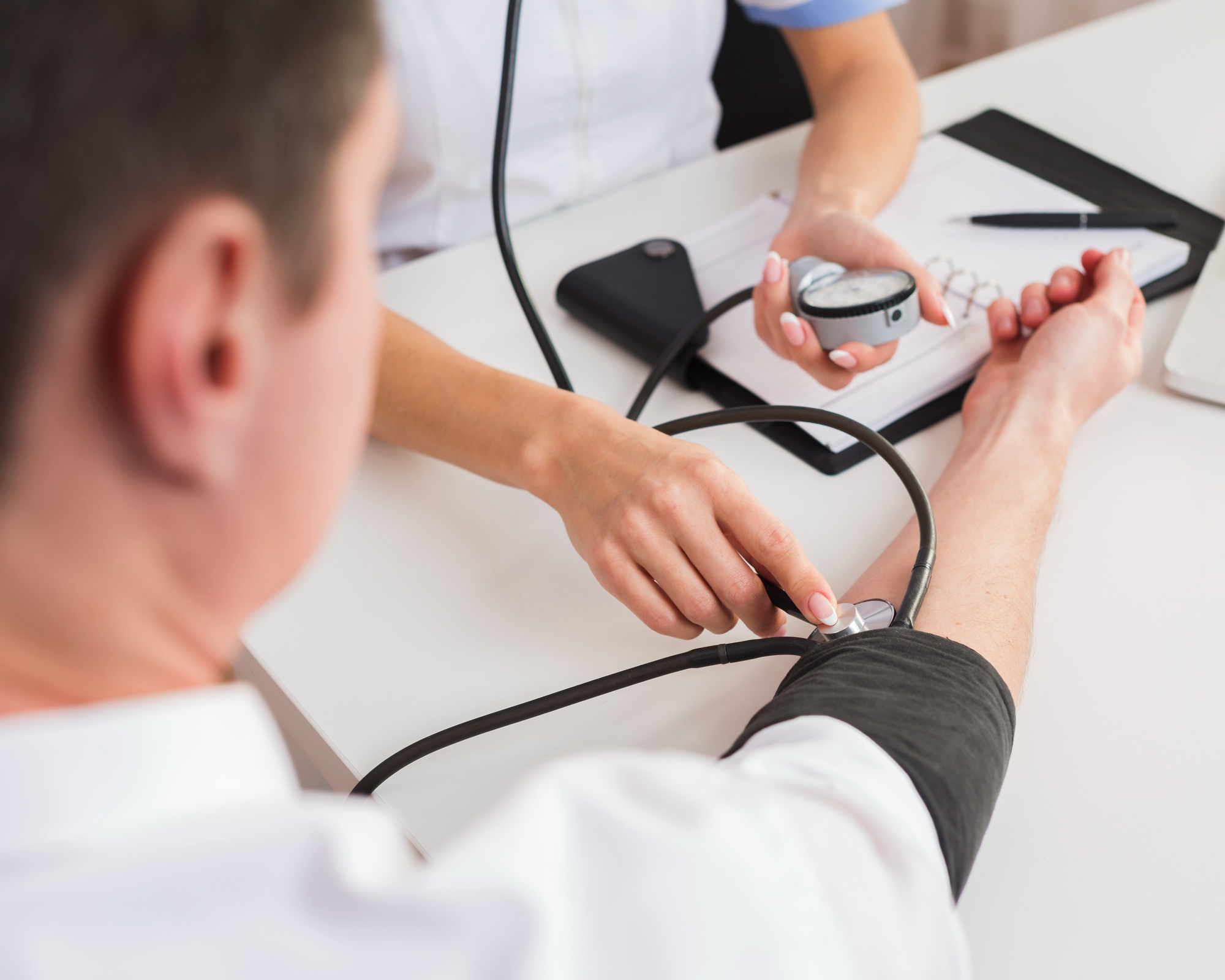
Antenatal visits, she stressed, are far more than routine check-ups. These appointments are essential for monitoring pregnancy progress, detecting complications early and ensuring the baby’s healthy development. Early scans help confirm pregnancy viability and establish accurate dating, while regular follow-ups allow doctors to closely monitor the baby, placenta and amniotic fluid. Conditions such as preeclampsia and gestational diabetes can often be identified before symptoms become severe.
During festive periods, Dr Sharmina encouraged mothers to practise moderation rather than restriction. She advised enjoying celebrations while maintaining balanced meals, avoiding alcohol, ensuring food is properly cooked and getting sufficient rest. Adequate sleep, hydration and proper pacing of activities are important for maternal wellbeing.

After delivery, the first hours are especially important for both mother and baby. She recommended immediate skin-to-skin contact, which helps stabilise the baby’s blood sugar, supports breastfeeding and strengthens early bonding.
Emotionally, many mothers may experience temporary postpartum blues, affecting around 60 to 80 per cent of women in the first two weeks after birth. However, persistent sadness, withdrawal or worsening symptoms may indicate postpartum depression and should be assessed by a medical professional. Physical recovery also requires attention, particularly if there is increasing pain, fever, poor wound healing or abnormal discharge.
During confinement, proper nutrition remains essential for recovery and breastfeeding. Adequate intake of protein, iron and fluids supports healing, while restricting water may lead to dehydration, reduced milk supply and increased risk of blood clots. Gentle movement is encouraged to improve circulation, while prolonged immobility should be avoided. Family support is equally important, especially in helping reduce household responsibilities so parents can focus on recovery and bonding with their newborn.
Breastfeeding provides significant benefits, although many mothers face challenges due to limited support or misinformation. Early milk production is naturally small, requiring frequent feeding to establish supply. Education, workplace support and family encouragement play a key role in helping mothers succeed.
As families come together to welcome a newborn, simple measures such as proper hand hygiene and limiting close contact when the baby is very young can help reduce infection risks while maintaining meaningful family bonding.
Dr Sharmina concluded that with informed decisions, appropriate medical care and strong family support, mothers can experience a healthier pregnancy journey and give their children the best possible start in life.