Category: Government & Public Sector

  • Kerangka Dasar Kerajaan bagi Akta Pekerja Gig 2025

    Gabungan pertubuhan bukan kerajaan (NGO) yang mewakili pelbagai kumpulan dalam ekosistem ekonomi gig, termasuk pekerja dan pengguna, telah mengeluarkan kenyataan media bersama bagi menggesa kerajaan mempertimbangkan penangguhan pelaksanaan Akta Pekerja Gig 2025 (Akta 872). Walaupun langkah kerajaan memperkenalkan rangka perundangan khusus bagi sektor ini dilihat sebagai sesuatu yang positif, gabungan tersebut berpendapat bahawa masih terdapat beberapa aspek penting yang perlu dikaji dan diperhalusi sebelum akta ini dilaksanakan secara menyeluruh.

    Antara isu utama yang dibangkitkan ialah takrifan pekerja gig yang dilihat terlalu luas, sekali gus berpotensi mewujudkan persaingan yang tidak seimbang, terutamanya kepada pekerja tempatan. Selain itu, cadangan penubuhan Tribunal Pekerja Gig dan Majlis Perundingan Gig turut menimbulkan persoalan berkaitan keberkesanan, ketelusan serta bidang kuasa, khususnya jika ia bertindih dengan sistem sedia ada tanpa memberikan impak yang jelas.

    Selain itu, prosedur penyahaktifan akaun juga dilihat kurang sesuai dengan sifat industri gig yang memerlukan tindakan segera dan responsif. Dalam masa yang sama, peruntukan berkaitan hak berpersatuan dianggap tidak cukup kukuh kerana tidak menyediakan kuasa rundingan kolektif seperti yang dimiliki oleh kesatuan sekerja. Dari sudut ekonomi pula, pengiktirafan formal pekerja gig boleh menyebabkan mereka terdedah kepada kewajipan cukai tanpa disertai jaminan perlindungan pendapatan yang mencukupi.

    Gabungan NGO turut menyuarakan kebimbangan terhadap proses libat urus yang dianggap tidak menyeluruh dan kurang telus. Terdapat persepsi bahawa dasar ini dirangka secara tergesa-gesa tanpa penglibatan sebenar semua pihak berkepentingan, sekali gus berisiko menjadikan pekerja gig sebagai “ujian dasar”. Di samping itu, peningkatan premium insurans juga memberi tekanan tambahan kepada pekerja gig dan berkemungkinan memberi kesan kepada pengguna melalui kenaikan kos perkhidmatan.

    Secara keseluruhannya, gabungan ini menegaskan bahawa cadangan moratorium bukan bertujuan menolak usaha kerajaan, tetapi untuk memastikan akta ini dibangunkan dengan lebih menyeluruh, praktikal dan selari dengan keadaan sebenar industri. Dengan pendekatan yang lebih telus dan inklusif, akta ini berpotensi menjadi satu dasar yang benar-benar melindungi serta memperkasakan pekerja gig di Malaysia.
  • Timor-Leste and Zchwantech Forge Historic Partnership to Build a Sovereign AI-Driven Digital Nation

    Timor-Leste and Zchwantech Forge Historic Partnership to Build a Sovereign AI-Driven Digital Nation

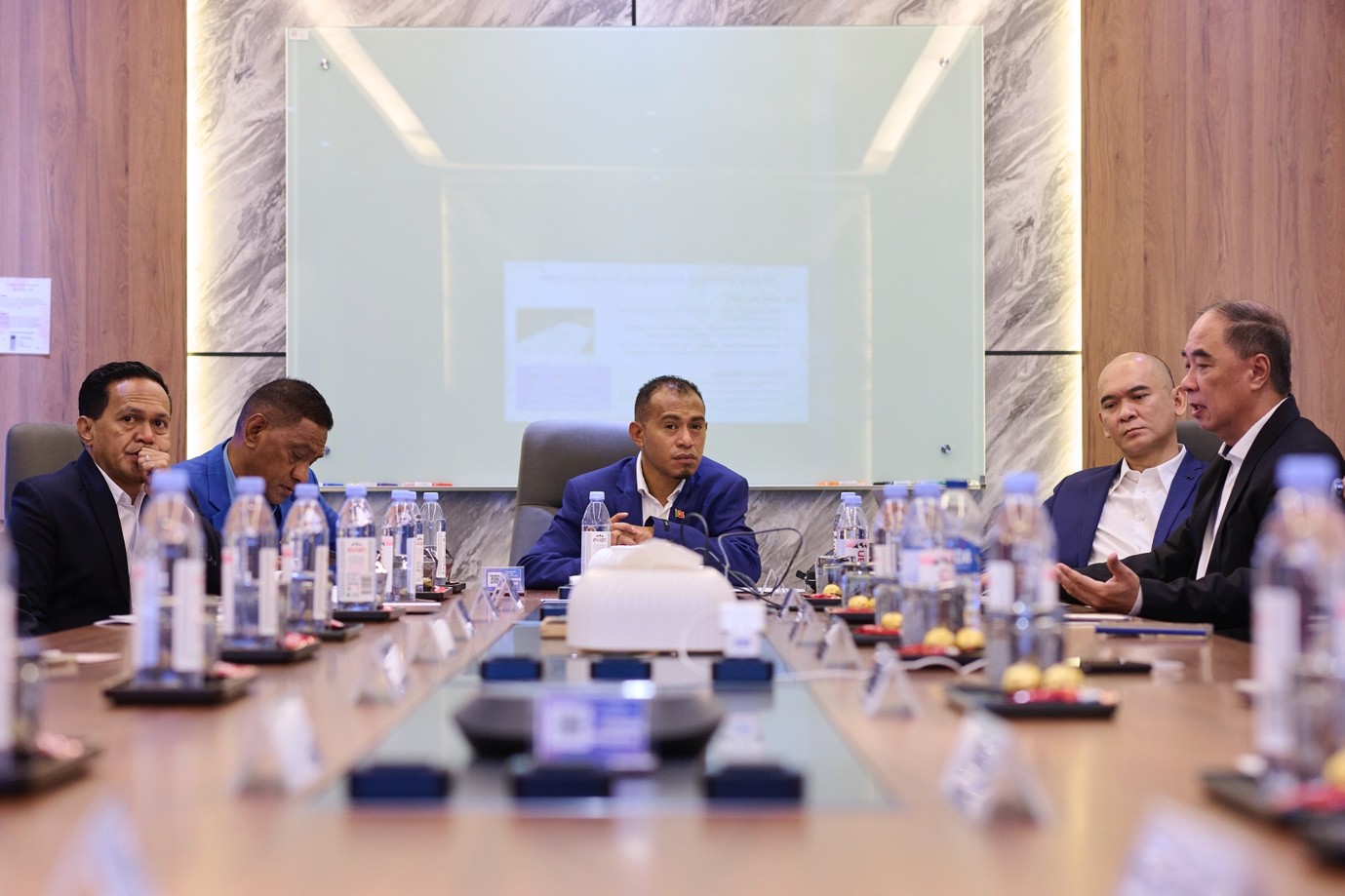
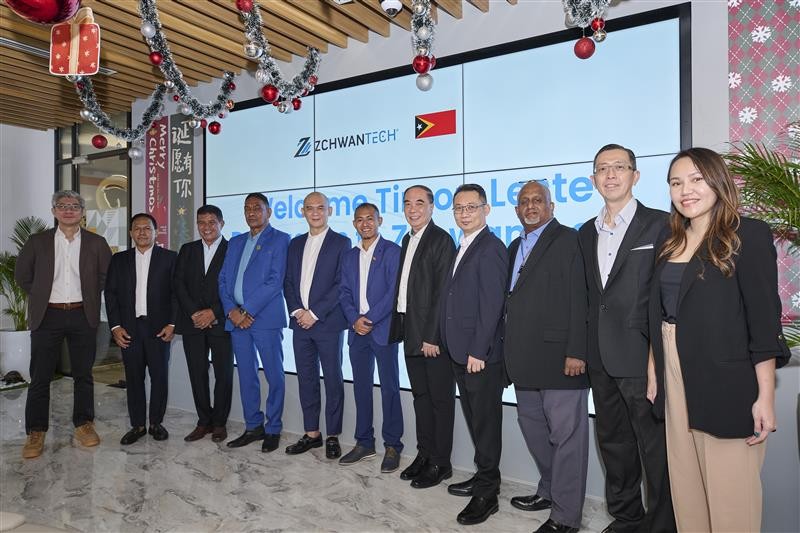
    The Government of the Democratic Republic of Timor-Leste and Malaysian technology architect Zchwantech Sdn. Bhd. have announced plans to establish a strategic partnership aimed at co-developing a sovereign, AI-powered national digital ecosystem. The announcement follows a successful high-level delegation visit to Kuala Lumpur and represents a major milestone in Timor-Leste’s long-term digital transformation agenda under the Timor Digital 2032 vision.

    The proposed collaboration focuses on building secure, future-ready national digital systems anchored in sovereignty, resilience and sustainable nation-building. Zchwantech, known for its end-to-end technology capabilities, is expected to play a key role in delivering sovereign digital infrastructure, cybersecurity frameworks, AI-driven platforms and governance models tailored to national needs.

    According to Zchwantech Chairman Datuk Seow Gim Shen, the partnership is designed to go beyond technology deployment. It aims to support Timor-Leste in developing trusted national systems that safeguard data sovereignty while enabling long-term operational resilience. This approach positions digital infrastructure as a strategic national asset rather than a standalone technology project.

    Zchwantech Executive Director Mr. Alex Chan emphasized that technology transfer and local capability development are central to the collaboration. By working closely with Timor-Leste’s institutions, the initiative seeks to ensure that local teams are equipped with the skills and knowledge required to operate, manage and progressively enhance national digital platforms. This model supports long-term sustainability and allows solutions to evolve in line with national priorities.

    As an initial step, both parties will conduct a feasibility study for a National Sovereign AI Cloud and Data Centre to be located within Timor-Leste and designed to Tier 3+ standards. This in-country infrastructure is intended to serve as the backbone for national digital services, strengthening cybersecurity, data sovereignty and continuity of operations.

    Building on this foundation, the partnership will explore the development of an AI-enhanced National Digital Identity system that integrates advanced biometrics and artificial intelligence. Envisioned as a unified digital key, the Digital ID platform aims to provide secure access to public services, social benefits and financial systems, enhancing inclusion, transparency and governance.

    The collaboration will also assess secure and smart border management solutions, including automated e-Gates, advanced biometric verification and predictive analytics. These initiatives are expected to improve national security, streamline traveler processing and enhance the overall tourism experience.

    Looking ahead, future phases of cooperation may extend to public service innovation initiatives such as smart healthcare, AI-optimized agricultural logistics, predictive maintenance for public infrastructure and personalized digital education platforms. In parallel, both parties will study the establishment of a Digital Trade Facilitation Corridor, including a National Single Window and AI-driven logistics systems, to improve customs efficiency, reduce trade costs and strengthen cross-border connectivity.

    Commenting on the initiative, Mr. Benigno Humberto Gregorio Da Cruz, Chief of Staff for the Minister of State Administration, said the partnership reflects Timor-Leste’s commitment to empowering its people through technology. He noted that the collaboration with Zchwantech represents a strategic move to build sovereign digital capabilities that will support equitable access to services and accelerate national development in line with the Timor Digital 2032 vision.