Category: Aviation & Airlines

  • Emirates Group Strengthens Global Position with Historic Profit and Revenue

    Emirates Group Strengthens Global Position with Historic Profit and Revenue

    Emirates Group recorded its highest-ever profit for the 2025-26 financial year, posting a pre-tax profit of AED24.4 billion (US$6.6 billion), an increase of seven per cent compared to the previous year. The Group also achieved record revenue of AED150.5 billion (US$41 billion) despite facing operational disruptions across the Gulf region during the reporting period.

    Emirates maintained its position as the world’s most profitable airline, reporting a pre-tax profit of AED22.8 billion (US$6.2 billion), up seven per cent year-on-year. The strong performance was driven by network expansion and the addition of new Airbus A350 aircraft equipped with the airline’s latest products and technologies.

    Meanwhile, dnata also delivered an impressive performance, recording its highest-ever revenue of AED23.6 billion (US$6.4 billion) alongside steady profit growth, supported by increased airport operations, catering and travel services activities.

    For the financial year ended 31 March 2026, Emirates Group also reported record cash assets of AED59.6 billion (US$16.2 billion), reflecting a 12 per cent increase compared to the previous year. The Group’s EBITDA reached AED41.1 billion (US$11.2 billion), highlighting strong operating profitability.

    The Group declared a dividend of AED3.5 billion (US$1 billion) to its owner, the Investment Corporation of Dubai (ICD). Following the increase in the UAE corporate tax rate from nine to 15 per cent due to the implementation of Pillar Two tax regulations, Emirates Group posted a profit after tax of AED21 billion (US$5.7 billion), up three per cent from the 2024-25 financial year.

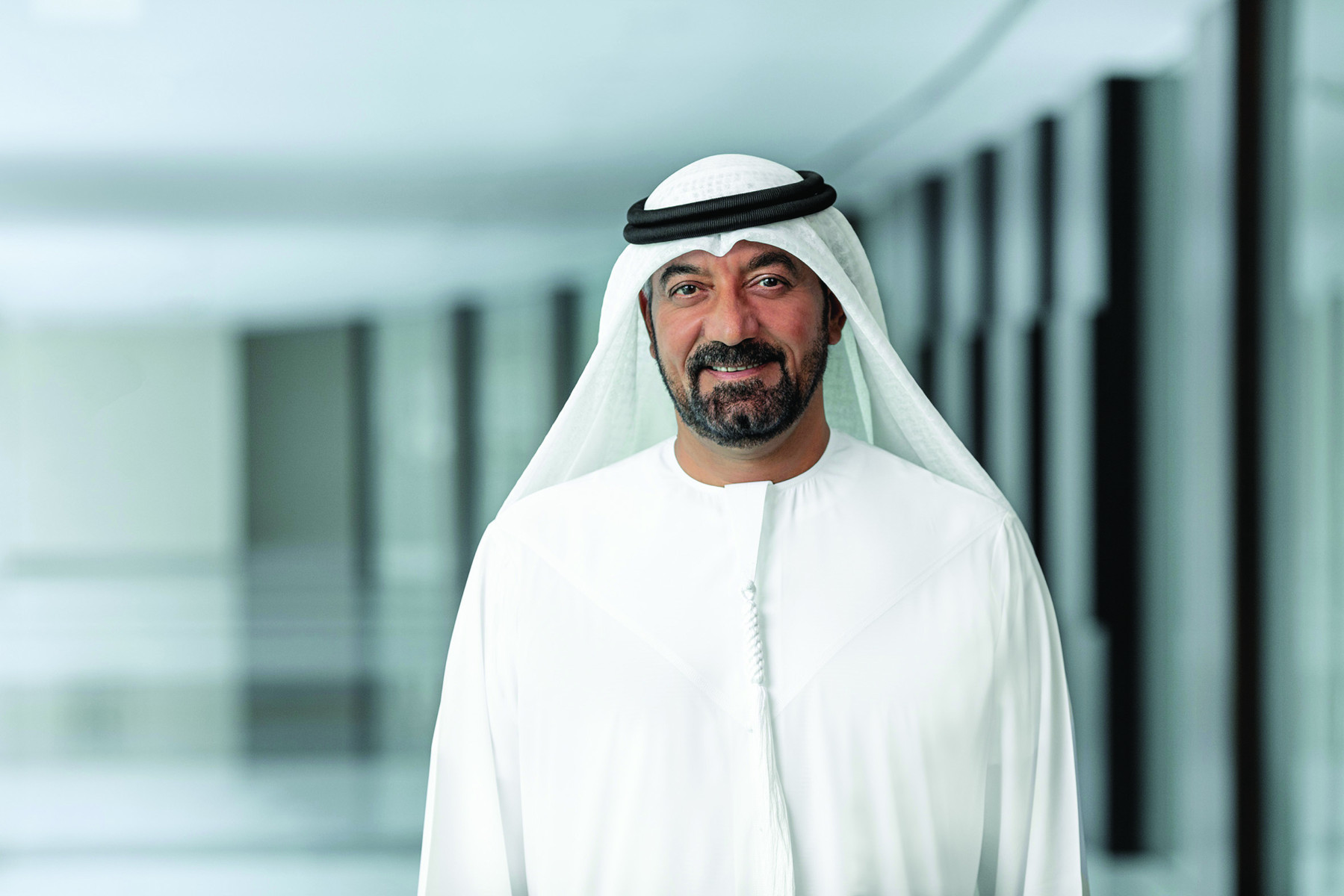
    Chairman and Chief Executive of Emirates Airline and Group, Sheikh Ahmed bin Saeed Al Maktoum, said the outstanding results demonstrated the resilience of Emirates Group’s business model, which is built on safety, innovation, service excellence, strong talent and strategic partnerships.
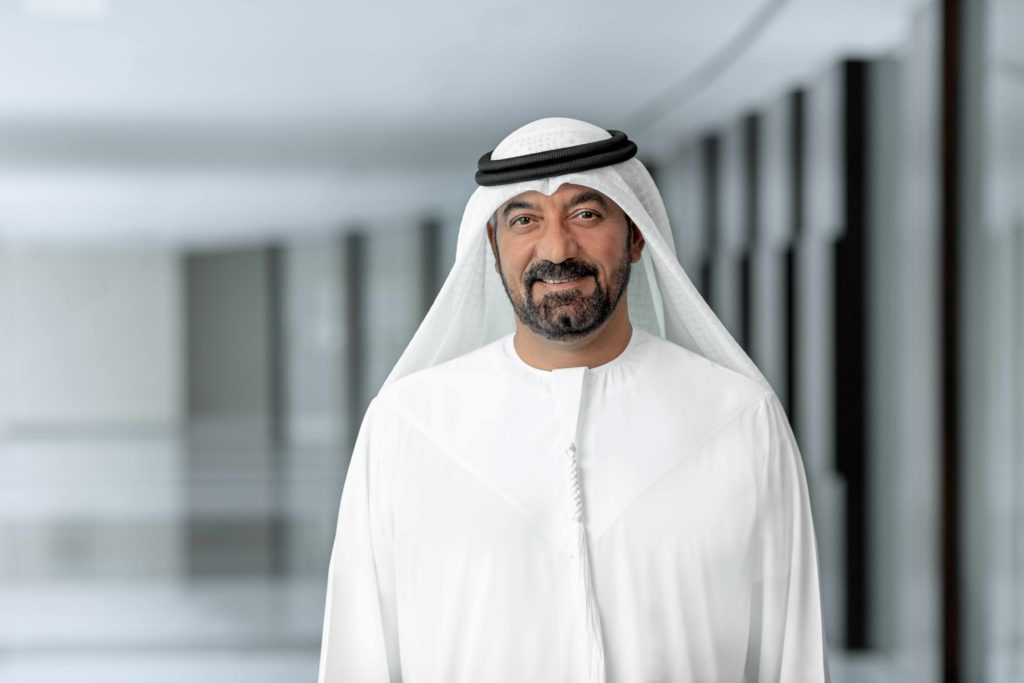
    He noted that during the first 11 months of the 2025-26 financial year, demand for Emirates and dnata products and services remained robust, contributing to higher revenue and healthy profit margins driven by continuous investments in products, technology, branding and people development.

    However, military activities in the Gulf region on 28 February significantly disrupted global commercial aviation operations, including in the UAE. Emirates and dnata responded swiftly by implementing measures to support affected customers and employees while ensuring operational continuity.

    Sheikh Ahmed said Dubai’s position as a global aviation hub, supported by modern infrastructure and a strong aviation ecosystem, enabled UAE authorities to act quickly in securing safe commercial flight corridors. Operations at Dubai International Airport (DXB) have since gradually recovered, although passenger capacity has yet to fully return to pre-disruption levels.

    He also highlighted the important role played by Emirates Group employees in ensuring the organisation remained agile and operationally efficient during challenging times. Sheikh Ahmed further expressed appreciation for Dubai’s leadership and its continued support for the aviation sector as a key driver of the emirate’s economy.

    Throughout the 2025-26 financial year, Emirates Group invested AED17.9 billion (US$4.9 billion) in new aircraft, facilities, equipment and advanced technologies to support future growth. The Group’s workforce also expanded by eight per cent to 130,919 employees, including a growing UAE national workforce which now exceeds 4,000 employees.

    Commenting on the outlook for 2026-27, Sheikh Ahmed said Emirates Group is entering the new financial year with a very strong cash position and solid business fundamentals. He added that the Group would continue its aircraft delivery and cabin retrofit programmes while maintaining investments in new facilities and world-class customer experiences.

    During the year, Emirates expanded its network with four new destinations: Da Nang, Hangzhou, Siem Reap and Shenzhen. As of 31 March 2026, Emirates’ global network covered 152 cities across 80 countries. The airline also strengthened its strategic partnerships with 32 codeshare partners and 117 interline partners, providing customers access to more than 1,700 cities worldwide.

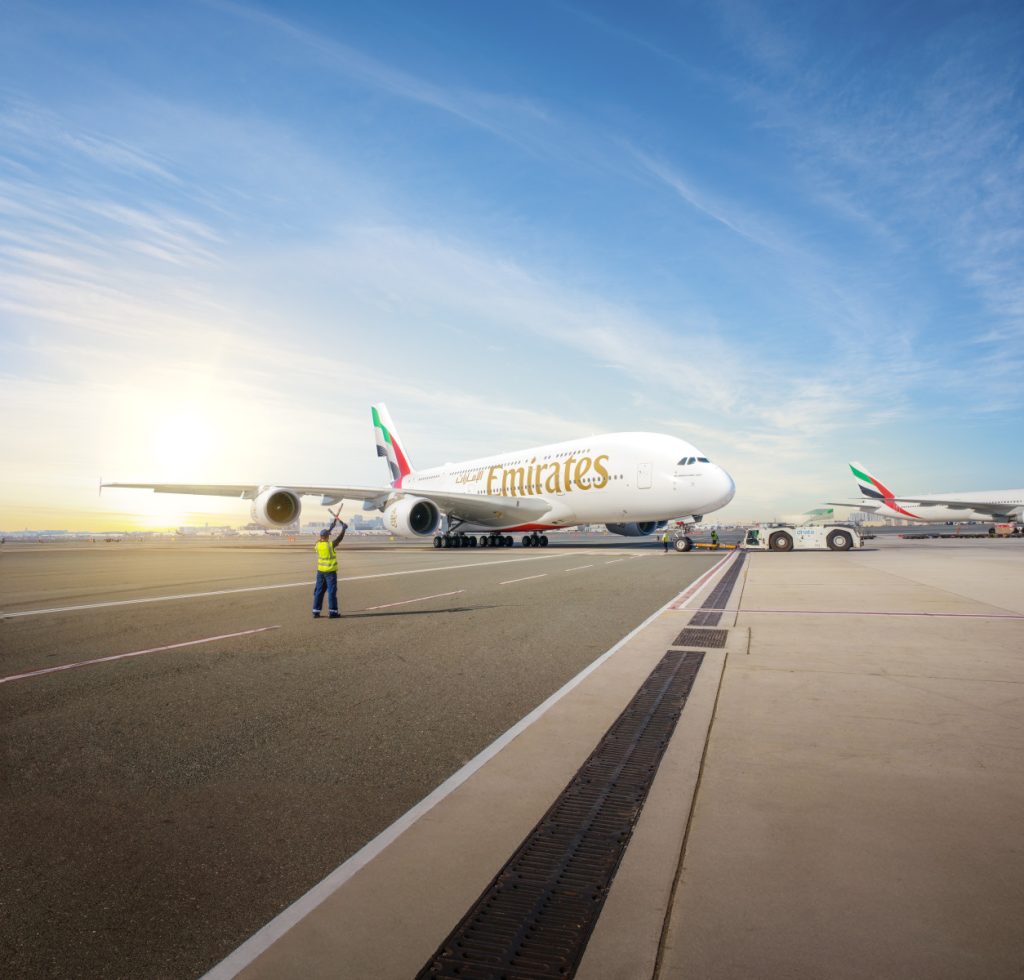
    Emirates received 15 new Airbus A350 aircraft during the financial year, enabling the airline to offer more premium products, including Premium Economy Class and next-generation inflight entertainment systems. By the end of March 2026, Emirates operated a fleet of 277 aircraft with an average fleet age of 10.8 years.

    Emirates’ revenue increased by two per cent to AED130.9 billion (US$35.7 billion), while profit after tax reached a record AED19.7 billion (US$5.4 billion). The airline carried 53.2 million passengers during the financial year, recording a passenger seat factor of 78.4 per cent.

    As part of efforts to enhance customer experience, Emirates introduced high-speed Starlink internet connectivity across its aircraft and continued its US$5 billion cabin retrofit programme. To date, 91 aircraft have completed the full refurbishment process.

    Emirates SkyCargo also delivered strong performance, handling 2.4 million tonnes of cargo, up three per cent from the previous year. The cargo division generated AED16.2 billion (US$4.4 billion) in revenue, contributing 12 per cent to Emirates’ total revenue.

    In addition, dnata continued to strengthen its global operations as revenue increased by 12 per cent to AED23.6 billion (US$6.4 billion). The growth was driven by increased aviation and travel activities across key markets including Australia, Europe, the UAE, the United Kingdom and the United States.

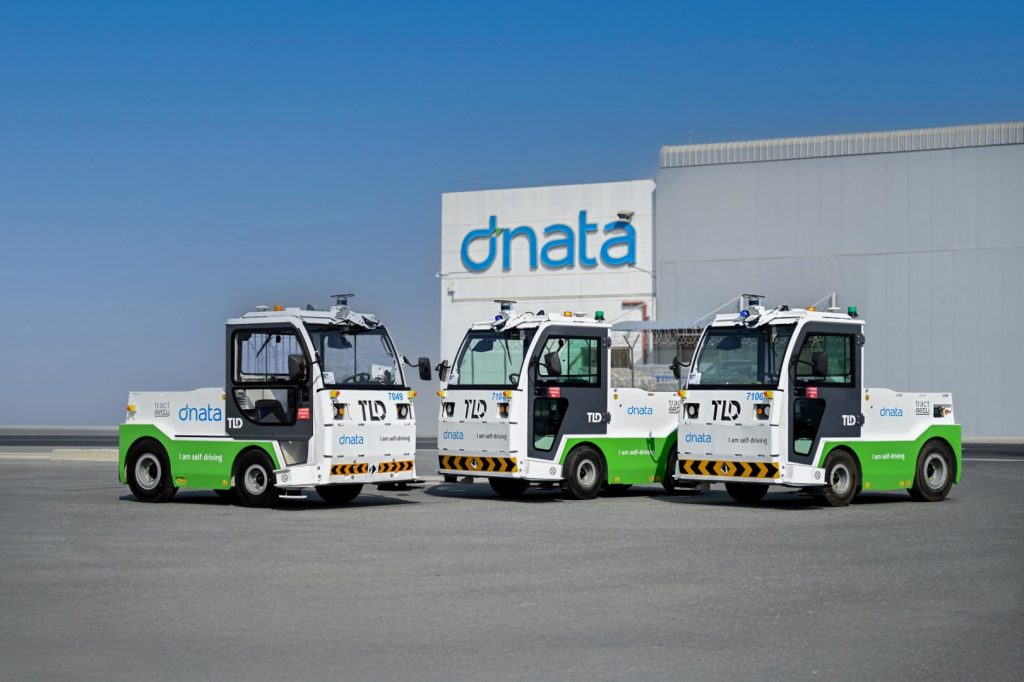
    dnata also invested AED858 million (US$234 million) to expand catering facilities, cargo operations and environmentally friendly ground support equipment. The company continued implementing sustainability initiatives, including the use of sustainable aviation fuel (SAF), food waste reduction programmes and the adoption of electric and hybrid vehicles in its operations.

    On the social responsibility front, Emirates Group continued supporting community programmes through the Emirates Airline Foundation and the dnata4good platform, including initiatives focused on education, healthcare and welfare assistance for underprivileged communities worldwide.

  • New Direct Flight Connects Chongqing to Kota Kinabalu

    New Direct Flight Connects Chongqing to Kota Kinabalu

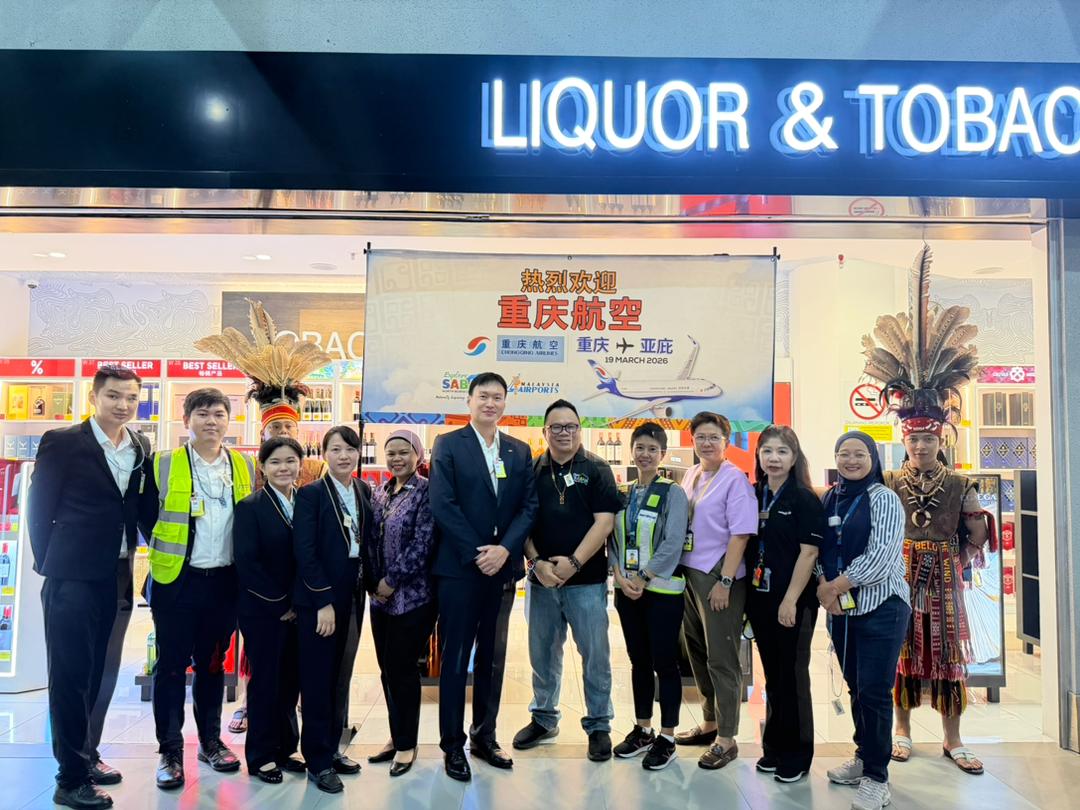
    Tourism Malaysia recently welcomed the inaugural direct service by Chongqing Airlines, linking Chongqing Jiangbei International Airport with Kota Kinabalu International Airport on 19 March 2026. The milestone marks a significant step forward in strengthening air connectivity between China and Sabah.

    Operating flight OQ2193, the new route connects Chongqing and Kota Kinabalu using a modern Airbus A320neo with a capacity of up to 195 passengers. The service runs three times weekly on Tuesdays, Thursdays and Saturdays, departing Chongqing at 19:00 and arriving in Kota Kinabalu at approximately 23:15. This development enhances travel convenience from China, one of Malaysia’s key tourism markets, while supporting continued growth in visitor arrivals.

    The introduction of this service highlights increasing interest among Chinese airlines in expanding their presence in Sabah, driven by rising demand for the state’s unique tourism offerings. The route improves accessibility for travellers from Western China, offering easier access to Sabah’s natural beauty, rich cultural heritage and renowned Malaysian hospitality. Currently, Sabah is connected to 10 cities in China via major gateways such as Kota Kinabalu International Airport and Tawau Airport, with a total of 112 weekly flights.

    According to Director General of Tourism Malaysia, Mr Mohd Amirul Rizal Abdul Rahim, the launch reflects growing demand for Sabah as a preferred destination. He noted that the collaboration with Chongqing Airlines plays an important role in strengthening Malaysia’s position as an accessible destination for nature, culture and premium travel experiences, while supporting inbound tourism from China under the Visit Malaysia 2026 (VM2026) campaign.

    The inaugural flight arrival was marked by a welcoming ceremony attended by representatives from Tourism Malaysia, led by Sabah Director Ms Haryanty Abu Bakar, together with officials from the Sabah Tourism Board, Chongqing Airlines and Malaysia Airports Holdings Berhad. The event commemorated the successful launch of the new route and its importance to the tourism sector.

    This new Chongqing–Kota Kinabalu connection reflects ongoing collaboration between tourism authorities, airport operators and airline partners to enhance Malaysia’s air connectivity. It provides seamless travel options for leisure, business and group travellers, while reinforcing Kota Kinabalu’s role as a key gateway to East Malaysia.

    China continues to play a vital role in Malaysia’s tourism growth. In 2025, Malaysia recorded 4.7 million arrivals from China, marking a 25.1 per cent increase compared to the previous year and highlighting the strong demand from the market.

    In line with the goals of Visit Malaysia 2026 (VM2026), the new route is expected to further improve international access and strengthen Kota Kinabalu’s standing as a regional hub alongside Kuala Lumpur. It is also anticipated to drive repeat visits, boost tourism spending and enhance Malaysia’s appeal as a destination for leisure, culture, food and shopping experiences.

    Tourism Malaysia also expressed its appreciation to Chongqing Airlines and Malaysia Airports Holdings Berhad for their continued support and collaboration, and looks forward to further joint efforts in promoting Malaysia’s diverse tourism offerings to travellers from Chongqing and across China in conjunction with Visit Malaysia 2026 (VM2026).

  • Juneyao Airlines Launches Direct Flights Between Wuxi and Kuala Lumpur

    Juneyao Airlines Launches Direct Flights Between Wuxi and Kuala Lumpur

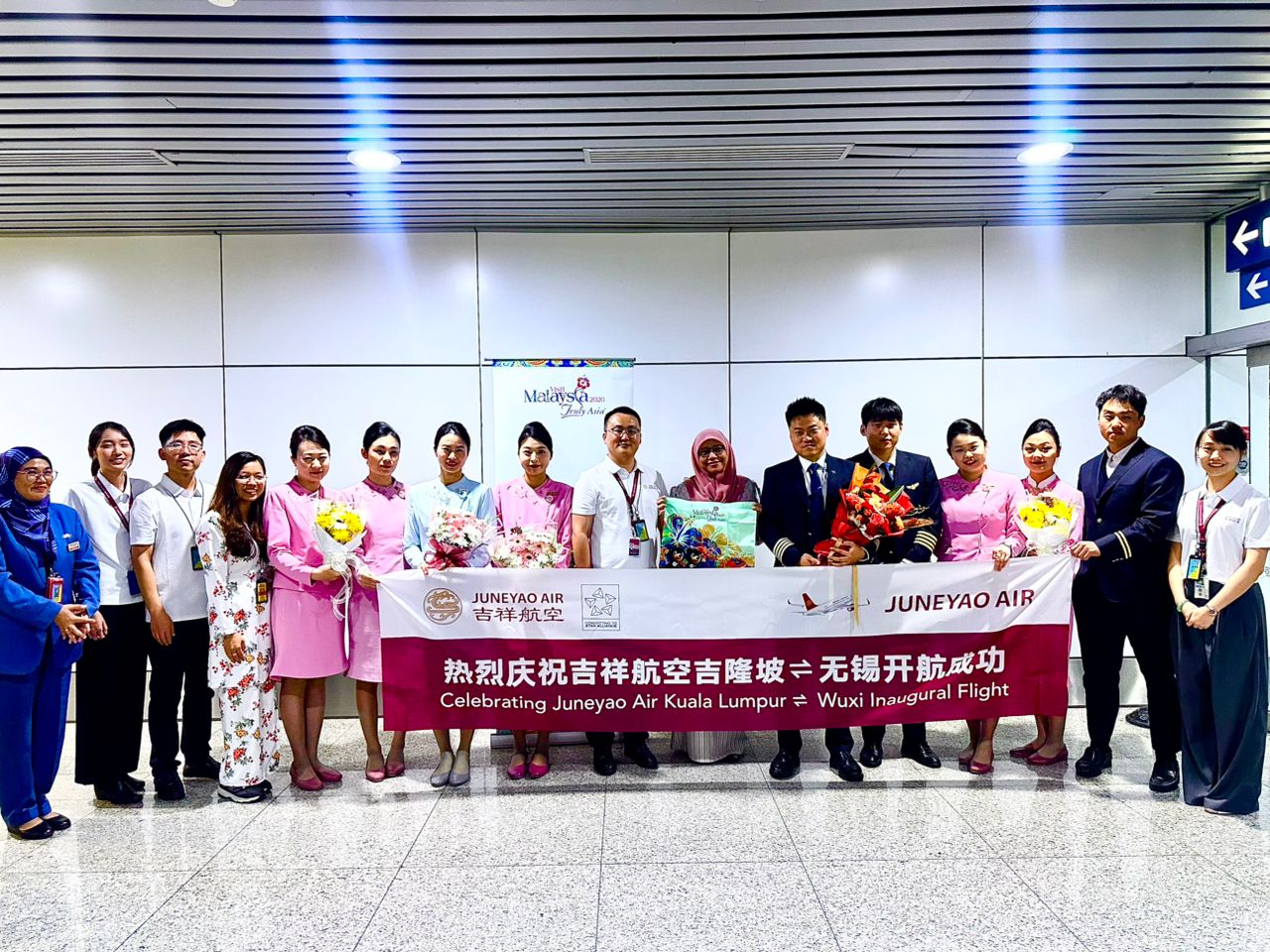
    Tourism Malaysia is celebrating the launch of Juneyao Airlines’ inaugural direct flight connecting Sunan Shuofang International Airport in Wuxi to Kuala Lumpur International Airport (KLIA) on 20 March 2026, marking a significant step in enhancing air connectivity between Malaysia and emerging Chinese cities.

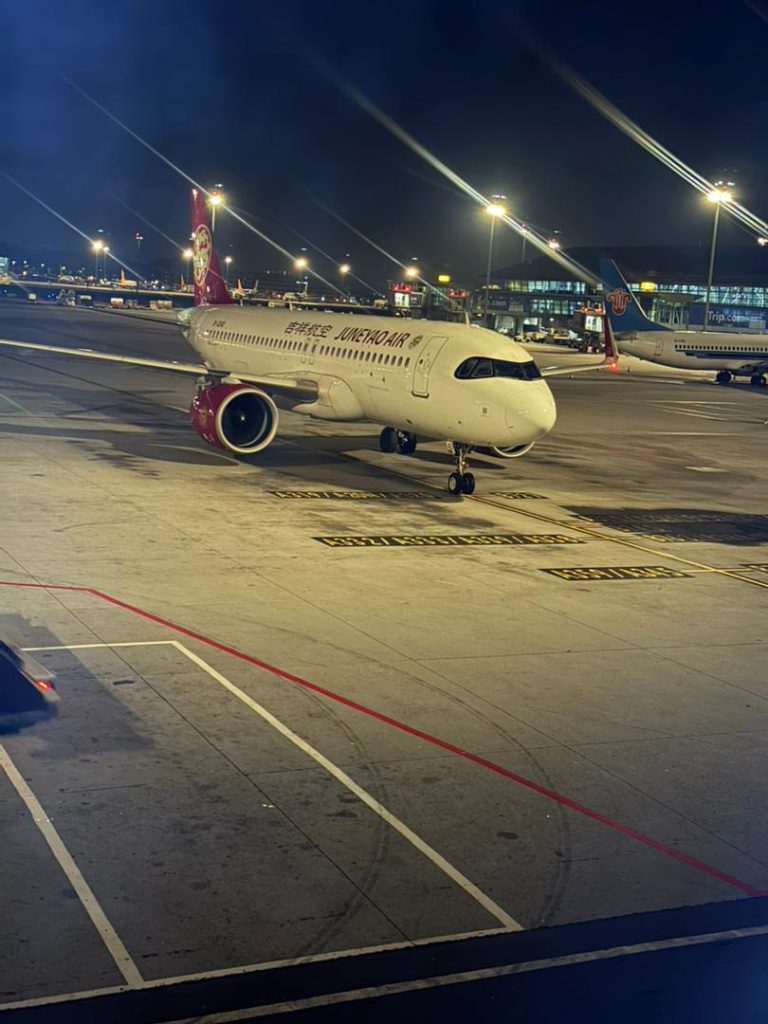
    The new HO1563 flight, operated with a state-of-the-art Airbus A320neo, will operate three times weekly on Tuesday, Thursday, and Saturday. Commencing on 19 March 2026, the service departs Wuxi at 22:55 and arrives in Kuala Lumpur at approximately 02:50.

    This route represents Juneyao Airlines’ expansion beyond its Shanghai network, improving travel links between the two countries and providing easier access for travellers connecting to other Malaysian destinations, including Tawau and Penang. By February 2026, Malaysia is connected to 30 cities in China, with major airports such as KLIA, Penang International Airport, and Kota Kinabalu International Airport collectively operating 871 weekly flights.

    “The introduction of this direct flight from Wuxi to Kuala Lumpur demonstrates the growing momentum in Malaysia–China tourism. This route not only strengthens air travel between the two nations but also opens opportunities for more visitors from Wuxi and surrounding areas to experience Malaysia’s rich culture, vibrant attractions, and unique travel offerings,” said Mr. Mohd Amirul Rizal Abdul Rahim, Director General of Tourism Malaysia.

    The inaugural passengers were warmly sent off at Sunan Shuofang International Airport, in a ceremony led by Mr. Aaron Gan, Director of Tourism Malaysia Shanghai, alongside Juneyao Airlines representatives. Upon arrival in Malaysia, they were greeted by Ms. Noriah Jaafar, Senior Deputy Director of Tourism Malaysia, together with the airline team.

    China remains one of Malaysia’s top source markets. In 2025, the country welcomed 4.7 million Chinese visitors, a 25.1 per cent increase from the previous year, highlighting strong recovery and sustained demand for travel. With this direct connection, tourists, business travellers, and organised tour groups now enjoy more convenient access, reinforcing Kuala Lumpur as a key gateway for aviation and tourism.

    This new service aligns with the goals of Visit Malaysia 2026 (VM2026), expanding international access and strengthening Kuala Lumpur’s position as a regional hub. The improved connectivity is expected to encourage repeat visits, boost tourism spending, and further highlight Malaysia as a destination renowned for its diverse culture, cuisine, shopping, and experiences.

    Tourism Malaysia also extends its gratitude to Juneyao Airlines for their continued support and partnership, looking forward to closer collaboration to promote Malaysia’s attractions to travellers from Wuxi and across China in support of VM2026.

  • Batik Air Expands Penang Operations, Launching Direct Services to Singapore and Medan

    Batik Air Expands Penang Operations, Launching Direct Services to Singapore and Medan

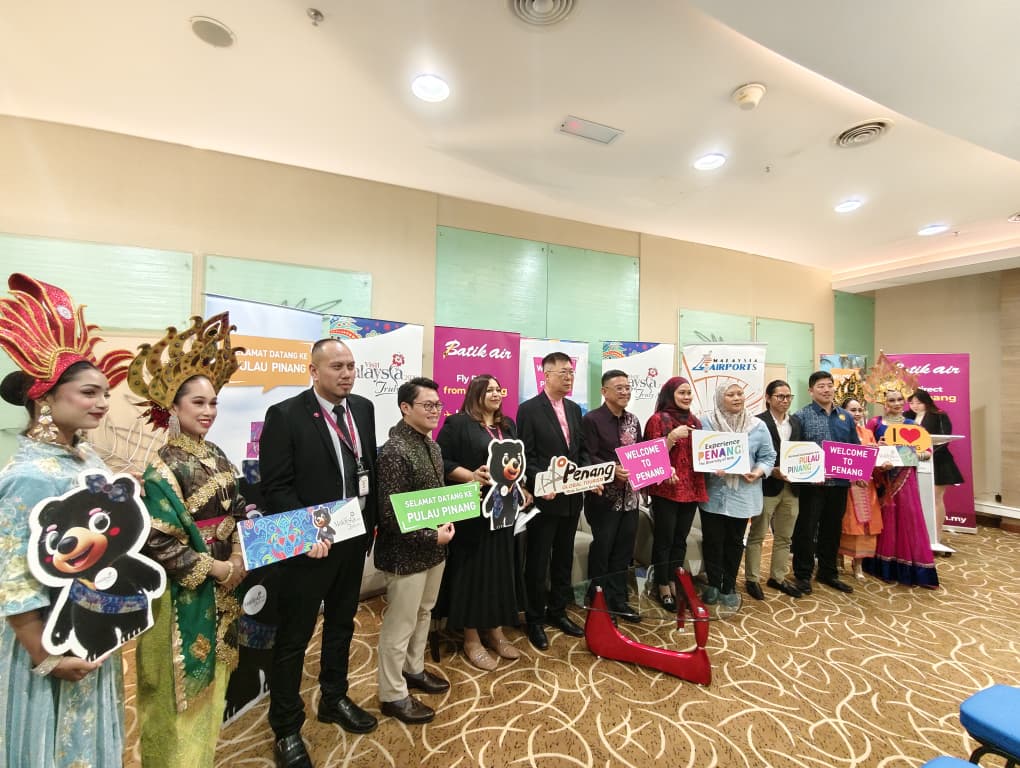
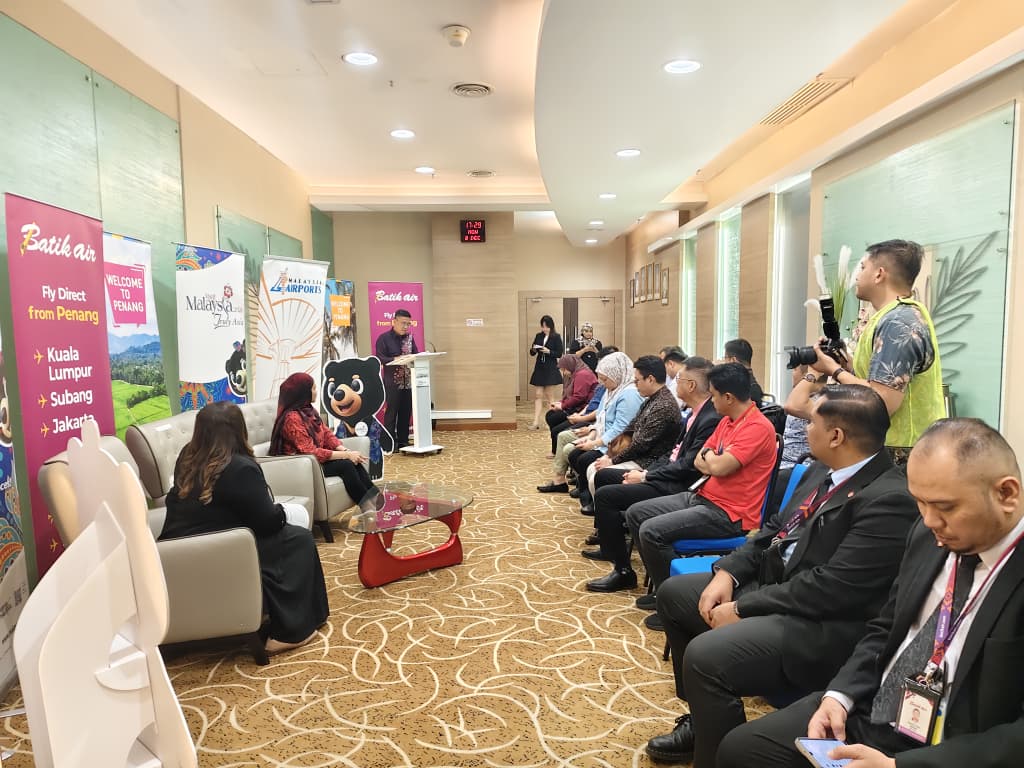
    Batik Air has officially expanded its northern Malaysia network with the launch of two strategic routes from Penang International Airport (PEN): Penang–Singapore and Penang–Medan. The airline’s latest move underscores its commitment to developing Penang as a northern hub and reinforcing regional travel links across Southeast Asia.

    Singapore remains a powerhouse tourism market for Malaysia, contributing over 14.0 million visitors between January and August 2025. The launch of direct flights between Penang and Singapore is set to stimulate even greater travel flow between the two destinations. The route caters to a diverse mix of travellers—including leisure tourists, corporate guests, and frequent weekend travellers—offering them fast and convenient access to Penang’s attractions, culinary scene, and world-class hospitality.

    The Penang–Medan connection expands opportunities for travellers from Indonesia, particularly those seeking medical care. Penang’s globally recognized hospitals and medical specialists have long attracted Indonesian families in search of trusted treatment and wellness services. By introducing direct services, Batik Air further enhances accessibility and strengthens Penang’s reputation as a medical tourism hub.

    Datuk Chandran Rama Muthy, Chief Executive Officer of Batik Air, explained that the addition of these routes aligns with the airline’s vision of creating a robust and future-ready network. With existing services to Kuala Lumpur and Jakarta, Batik Air is now positioned to deliver even stronger connectivity from Penang and better meet the growing needs of regional travellers.

    Penang’s tourism leadership welcomed the expansion, emphasizing that improved connectivity is crucial to driving economic growth and increasing international footfall. YB Wong Hon Wai highlighted that these new routes support Penang’s strategic goals in tourism, business, and medical travel, especially ahead of major national campaigns such as Visit Malaysia Year 2026 and Malaysia Medical Tourism Year 2026. Tourism Malaysia also praised the launch, noting its importance in achieving the nation’s tourism objectives.

    The launch of these new flights signifies a forward-looking step for Penang, enabling smoother regional travel and setting the stage for increased tourism, cross-border business, and healthcare-driven mobility. With strengthened links to Singapore and Indonesia, Penang’s status as a northern gateway continues to rise—bringing the region closer to the world.

  • Emirates concludes the Dubai Airshow with major strategic investments to drive future growth and unveil next-generation aviation innovations.

    Emirates concludes the Dubai Airshow with major strategic investments to drive future growth and unveil next-generation aviation innovations.

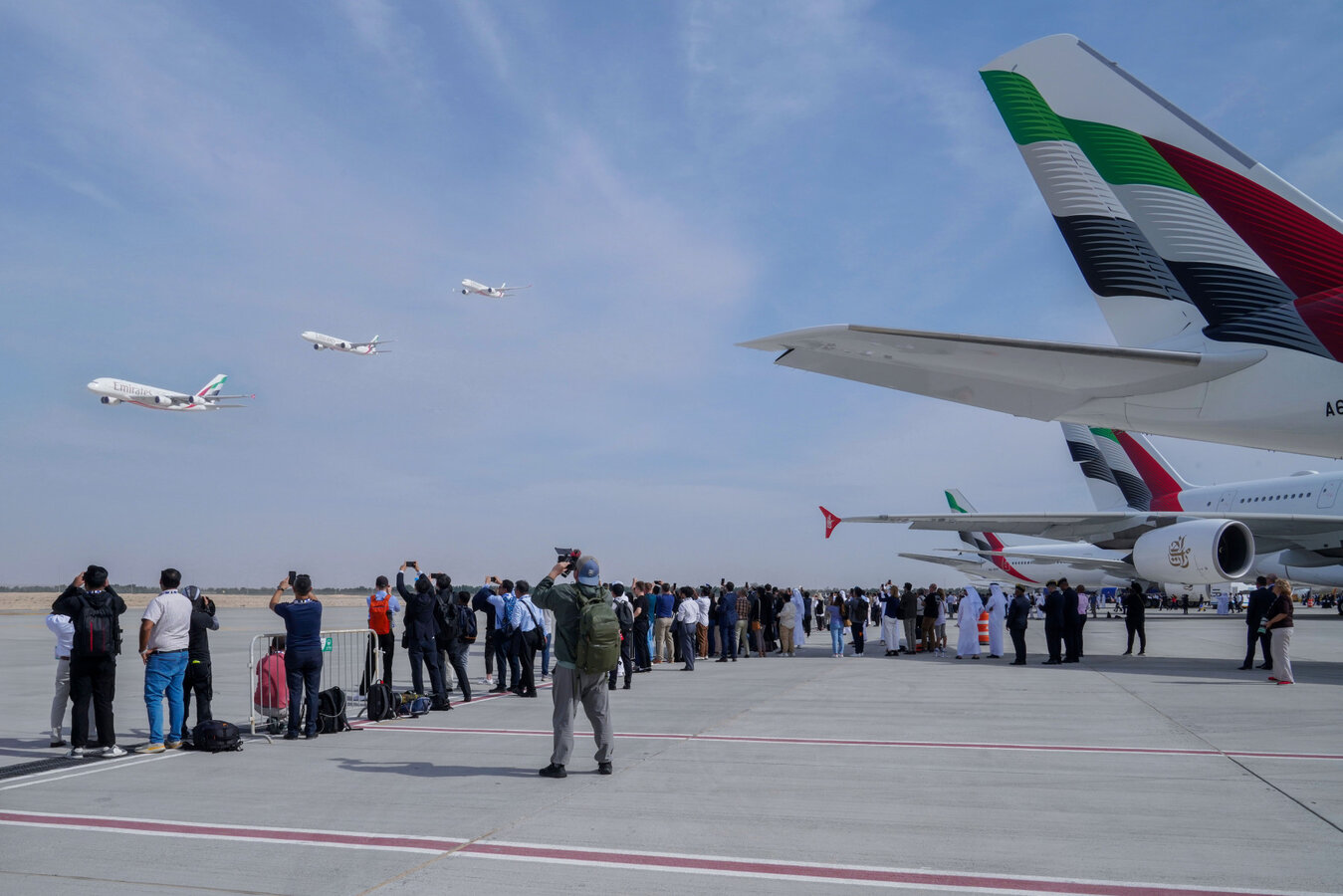
    Emirates capped off a highly successful week at the Dubai Airshow with major announcements, strategic partnerships, and technology showcases that reinforce its confidence in long-term growth and its role in advancing the UAE’s aerospace ambitions. Throughout the week, the airline unveiled significant commitments to expand its fleet, elevate the customer experience with new cabin innovations, strengthen industry partnerships, and enhance the UAE’s standing as an emerging global aerospace hub.

    Demonstrating strong public interest, Emirates’ largest-ever static display—featuring the Airbus A380, A350, and Boeing 777—drew over 82,000 visitors. More than 15,000 attendees also had the chance to test Emirates’ Starlink high-speed inflight Wi-Fi aboard a retrofitted Boeing 777, offering a glimpse into a more connected future of air travel.

    Emirates’ announcements throughout the airshow aligned closely with Dubai’s D33 economic agenda. The airline revealed a substantial fleet expansion with orders for 65 additional Boeing 777-9s and eight Airbus A350-900s, valued at US$41.4 billion. This brings Emirates’ total wide-body order book to 375 aircraft, ensuring capacity growth well into 2038.

    To further enhance the passenger experience, Emirates showcased its first aircraft equipped with Starlink, underscoring its plans to introduce high-speed connectivity on 232 aircraft within the next two years. The airline also confirmed that 111 existing aircraft will undergo a major cabin refresh featuring elevated interiors and next-generation entertainment systems.

    Emirates strengthened its global reach through expanded partnerships, including a reciprocal codeshare with South African Airways and an extended codeshare and loyalty partnership with Air Canada through 2032. The airline also highlighted the ongoing success of its close cooperation with flydubai, further supporting Dubai’s aviation ecosystem.

    Sustainability and efficiency were also central themes. Emirates signed an MoU with ENOC to explore sustainable aviation fuel (SAF) development in Dubai and entered into a research collaboration with dans and Thales aimed at reducing arrival holding patterns at DXB to improve airspace efficiency. In the technology space, Emirates announced a new partnership with OpenAI to deploy ChatGPT Enterprise across its organisation, supported by AI training programmes and strategic implementation frameworks.

    In logistics innovation, Emirates SkyCargo partnered with LODD Autonomous to pursue next-generation hybrid, unmanned heavy-lift cargo aircraft built in the UAE—signaling the airline’s intent to help shape the future of air freight.

    Further bolstering Dubai’s aerospace manufacturing and engineering capabilities, Emirates signed several landmark agreements. These include an MoU with Safran Seats to establish Dubai’s first aircraft seat manufacturing facility and another with the CCE Group to co-develop next-generation cabin and cargo products. Emirates also inked a long-term partnership with Rolls-Royce to enable Trent 900 engine MRO for its A380 fleet at a new purpose-built facility by 2027, extending their TotalCare support well into the 2040s. In a significant national milestone, Emirates Engineering achieved the UAE’s first Design Organisation Approval (DOA) from the GCAA, enabling the team to certify major aircraft modifications locally—an important step in building homegrown aerospace expertise.

    Crowning its achievements during the airshow, Emirates earned major industry accolades, including ‘Best Airline in the World’ for the eighth year in a row at the ULTRAs Travel Awards. The airline also took home Airline of the Year and Best First Class of the Year at the Aviation Business Middle East Awards 2025, reaffirming its leadership and excellence in global aviation.

  • Malaysia Airlines and Trip.Biz Sign Strategic Agreement to Support SME Travel Needs

    Malaysia Airlines and Trip.Biz Sign Strategic Agreement to Support SME Travel Needs

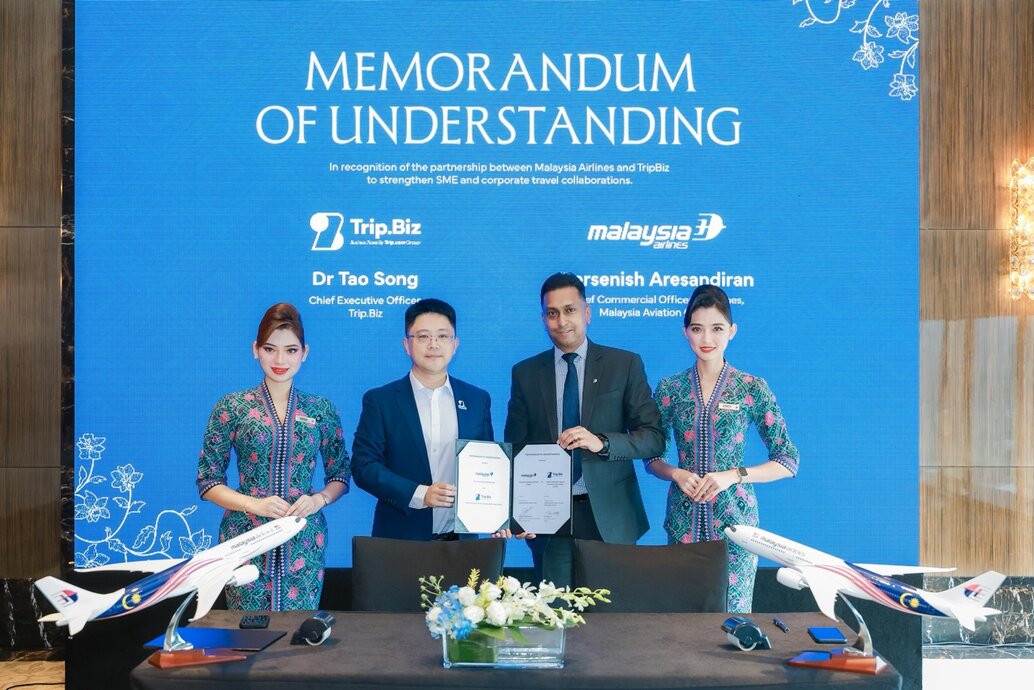
    Malaysia Airlines and Trip.Biz, the business travel arm of Trip.com Group, have entered into a strategic Memorandum of Understanding (MOU) aimed at enhancing business travel solutions for small and medium-sized enterprises (SMEs) across Asia, Europe, and key global markets. This long-term collaboration will allow Trip.Biz customers to seamlessly access Malaysia Airlines’ MHcorporate programme, strengthening the carrier’s position as a preferred travel partner on the Trip.Biz global booking platform. Through the agreement, Malaysia Airlines plans to extend access to its MHcorporate SME fares across 25 markets and IATA locations, providing greater flexibility, value, and convenience for business travellers worldwide.

    The partnership will also see Malaysia Airlines positioned as a preferred airline partner on Trip.Biz, enabling the carrier to reach a broader network of SME clients globally. Trip.Biz, in turn, may support the MHcorporate SME programme by promoting enrolment and exploring deeper technical integration, including potential API connectivity between its online booking tool (OBT) and the MHcorporate portal. This integration aims to streamline the booking process and improve accessibility for SME users seeking efficient and cost-effective travel management.

    Leaders from both organisations highlighted the shared vision behind the collaboration. Dersenish Aresandiran, Chief Commercial Officer of Airlines from Malaysia Aviation Group (MAG), emphasised that the partnership reflects Malaysia Airlines’ commitment to simplifying corporate travel and empowering SMEs to explore new opportunities. He noted that the collaboration with Trip.Biz will enhance the airline’s reach across multiple global markets and strengthen its ability to deliver personalised travel experiences. Meanwhile, Dr. Tao Song, Chief Executive Officer of Trip.Biz, expressed enthusiasm for partnering with a carrier known for its Malaysian Hospitality and robust regional network, underscoring their mutual goal of providing smarter, more efficient, and cost-effective business travel solutions as SMEs expand internationally.

    By combining Malaysia Airlines’ extensive global network and service excellence with Trip.Biz’s digital innovation and expertise in business travel management, the partnership seeks to build a more connected and customer-centric travel ecosystem. This synergy aims to support companies of all sizes in managing travel budgets more effectively while enabling them to grow and thrive in an increasingly globalised business environment. Malaysia Airlines’ MHcorporate SME programme, which requires no minimum spend, offers SMEs access to corporate-level travel benefits such as exclusive discounts, flexible fare options, and simplified account management. Complementing this, Trip.Biz continues to lead with a digital-first approach, integrating predictive insights, bleisure travel trends, and strategic offerings within the Trip.com Group ecosystem to help businesses travel smarter, safer, and more sustainably—now and in the future.

  • Emirates is accelerating its inflight innovation, announcing plans to equip 232 Boeing 777 and A380 aircraft with Starlink, making it the world’s largest international wide-body fleet with ultra-fast Wi-Fi onboard.

    Emirates is accelerating its inflight innovation, announcing plans to equip 232 Boeing 777 and A380 aircraft with Starlink, making it the world’s largest international wide-body fleet with ultra-fast Wi-Fi onboard.

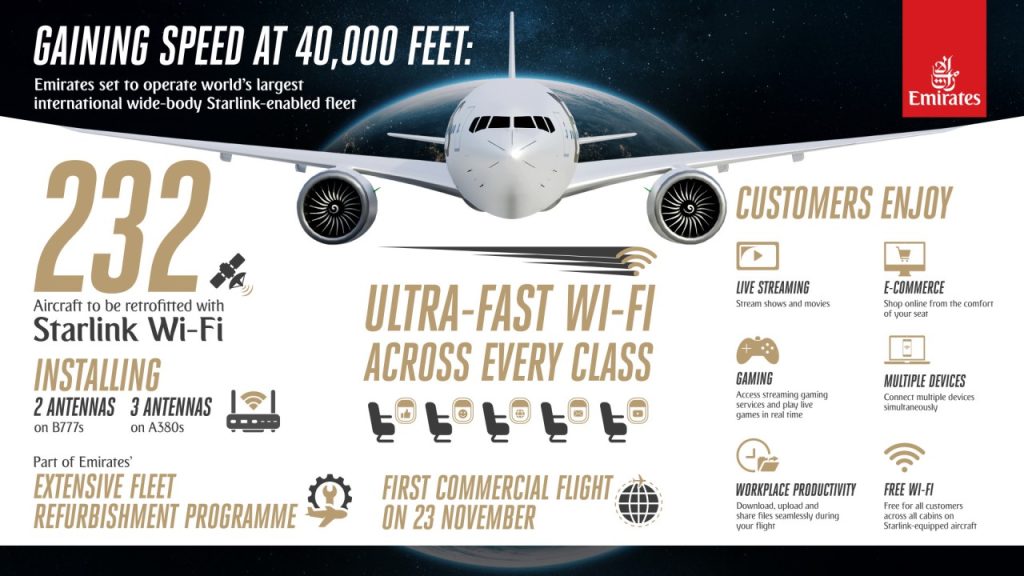
    Emirates is set to redefine inflight connectivity as it becomes the largest international airline to deploy Starlink Wi-Fi across its entire in-service fleet. The rollout begins with Boeing 777 aircraft in November 2025, with full installation across 232 aircraft—including both Boeing 777s and Airbus A380s—scheduled for completion by mid-2027. Offering complimentary, ultra-fast, ground-like internet at cruising altitude, the enhancement reinforces Emirates’ long-standing commitment to delivering world-leading inflight connectivity and elevating the passenger experience.

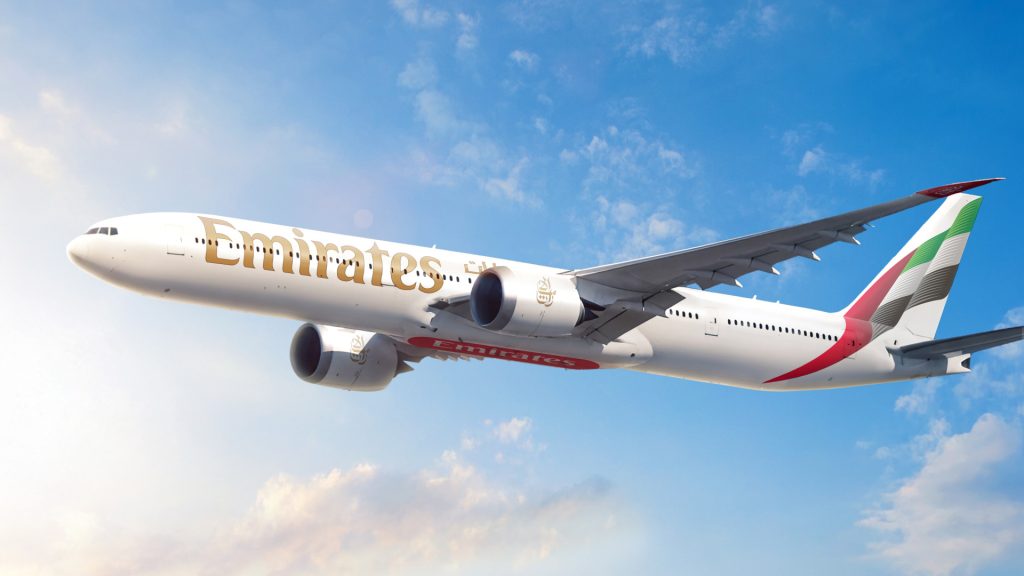
    With Starlink onboard, customers will enjoy seamless streaming, gaming, calls, work productivity, and social media browsing throughout the flight—using both seatback screens and personal devices simultaneously. Emirates showcased its first Starlink-equipped aircraft, the Boeing 777-300ER (A6-EPF), at the Dubai Airshow, allowing visitors to experience the difference firsthand. After the event, A6-EPF will operate the airline’s first commercial flight equipped with Starlink, marking the beginning of an accelerated monthly installation pace of around 14 aircraft. Starlink installation on the A380 fleet will commence in February 2026.

    To ensure exceptional capacity and coverage, Emirates will install two antennae on each Boeing 777 and an industry-first three antennae on every Airbus A380—setting a new standard in aviation connectivity. The airline will also introduce Live TV over Starlink, first on personal devices and later on seatback screens from late December 2025. Importantly, Starlink Wi-Fi will be free for all passengers, with simple one-click access and no Skywards membership required.

    Sir Tim Clark, President of Emirates Airline, described the Starlink partnership as another milestone in the airline’s mission to ensure customers “fly better.” He highlighted that the introduction of the world’s fastest inflight Wi-Fi is part of Emirates’ larger fleet transformation, which includes its ambitious cabin refurbishment programme. This ongoing retrofit—one of the largest in aviation—features new Premium Economy cabins, an enhanced Business Class, refreshed First Class suites, upgraded entertainment systems, and refined cabin finishes across all classes. Sir Tim emphasized Emirates’ commitment to consistency, ensuring passengers enjoy the airline’s best products across the entire fleet, rather than on select routes or aircraft.

    Chad Gibbs, VP of Starlink Business Operations at SpaceX, added that customers will enjoy the same digital freedom in the air as they do on the ground, with the ability to stream, game, and video call effortlessly. He expressed excitement about transforming the Emirates travel experience while supporting rapid and high-quality Starlink installations.

    Starlink joins an extensive list of Emirates’ onboard innovations, including its award-winning ice entertainment system with more than 6,500 channels, the iconic A380 Onboard Lounge, and the exclusive First Class Shower Spa. The rollout also aligns with Emirates’ nearly 220-aircraft retrofit programme, with 76 refurbished aircraft already re-entering service with refreshed cabin designs and upgraded features.

    For more information about the Emirates retrofit programme, visit the airline’s media centre.

  • Emirates Group Achieves Record-Breaking Half-Year Profit for 2025-26

    Emirates Group Achieves Record-Breaking Half-Year Profit for 2025-26

    The Emirates Group has announced a record-breaking financial performance for the first half of the 2025-26 fiscal year, posting a profit before tax of AED 12.2 billion (US$ 3.3 billion), marking the fourth consecutive year of record half-year profitability. After accounting for income tax, the Group’s profit after tax reached AED 10.6 billion (US$ 2.9 billion), up 13% compared to the same period last year. Revenue for the first six months rose to AED 75.4 billion (US$ 20.6 billion), a 4% increase from the previous year, while EBITDA grew 3% to AED 21.1 billion (US$ 5.7 billion). The Group ended the period with a record cash position of AED 56.0 billion (US$ 15.2 billion), supporting new aircraft deliveries, debt obligations, and dividend payments.

    His Highness Sheikh Ahmed bin Saeed Al Maktoum, Chairman and CEO of Emirates Airline and Group, highlighted that the record performance reflects strong customer demand, growing preference for the Group’s products and services, and the company’s ongoing investments in innovation, technology, and employee development. He added that global air transport demand remains resilient despite geopolitical and economic challenges, with further growth anticipated as new aircraft join the fleet and dnata’s facilities expand.

    Emirates Airline continued to expand its network and services during the first half of 2025-26. New flights were launched to Danang, Siem Reap, Shenzhen, and Hangzhou, while additional weekly services strengthened connectivity to cities such as Antananarivo, Johannesburg, Muscat, Rome, Riyadh, and Taipei. Codeshare agreements with Air Seychelles, Condor, and Aurigny further enhanced passenger options. Emirates received five new A350 aircraft and completed the retrofit of 23 planes with refreshed interiors, expanding Premium Economy availability to 61 cities. The airline also unveiled “Emirates First” at Dubai Airport, offering a luxurious check-in experience for First Class passengers and Platinum Skywards members. Environmental initiatives, including the adoption of sustainable aviation fuel (SAF) at 37 airports, were also advanced.

    During this period, Emirates reinforced its global brand presence through high-profile sports sponsorships, including partnerships with FC Bayern Munchen, Real Madrid Basketball, Investec Champions Cup, and the ATP Tour, while extending its shirt sponsorship with Olympique Lyonnais until 2030. Overall passenger traffic rose 4% to 27.8 million, with capacity up 5% and an average passenger seat factor of 79.5%. Emirates SkyCargo transported 1.25 million tonnes, supported by three new Boeing 777 freighters and the launch of Emirates Courier Express for door-to-door express shipping.

    dnata, Emirates Group’s services arm, also recorded strong growth in the first half of 2025-26. Revenue reached AED 11.7 billion (US$ 3.2 billion), a 13% increase from last year, while profit before tax rose 17% to AED 843 million (US$ 230 million) and profit after tax grew 22% to AED 697 million (US$ 190 million). dnata expanded its operations with new contracts and enhanced capabilities across cargo, ground handling, catering, retail, and travel services. Investments included 800 new ground support equipment units valued at US$ 110 million and the launch of its UK airport hospitality brand, marhaba, as well as strategic investments in corporate travel solutions. dnata also entered its first major sports sponsorship with Dubai Basketball, reinforcing brand visibility.

    The Group’s robust performance reflects Emirates and dnata’s ability to capitalize on global travel demand, strengthen operational capabilities, and maintain resilience amid market challenges. With record profits, expanding networks, and ongoing investment in services, the Emirates Group solidifies its position as the world’s most profitable airline and integrated aviation services provider for the first half of 2025-26.