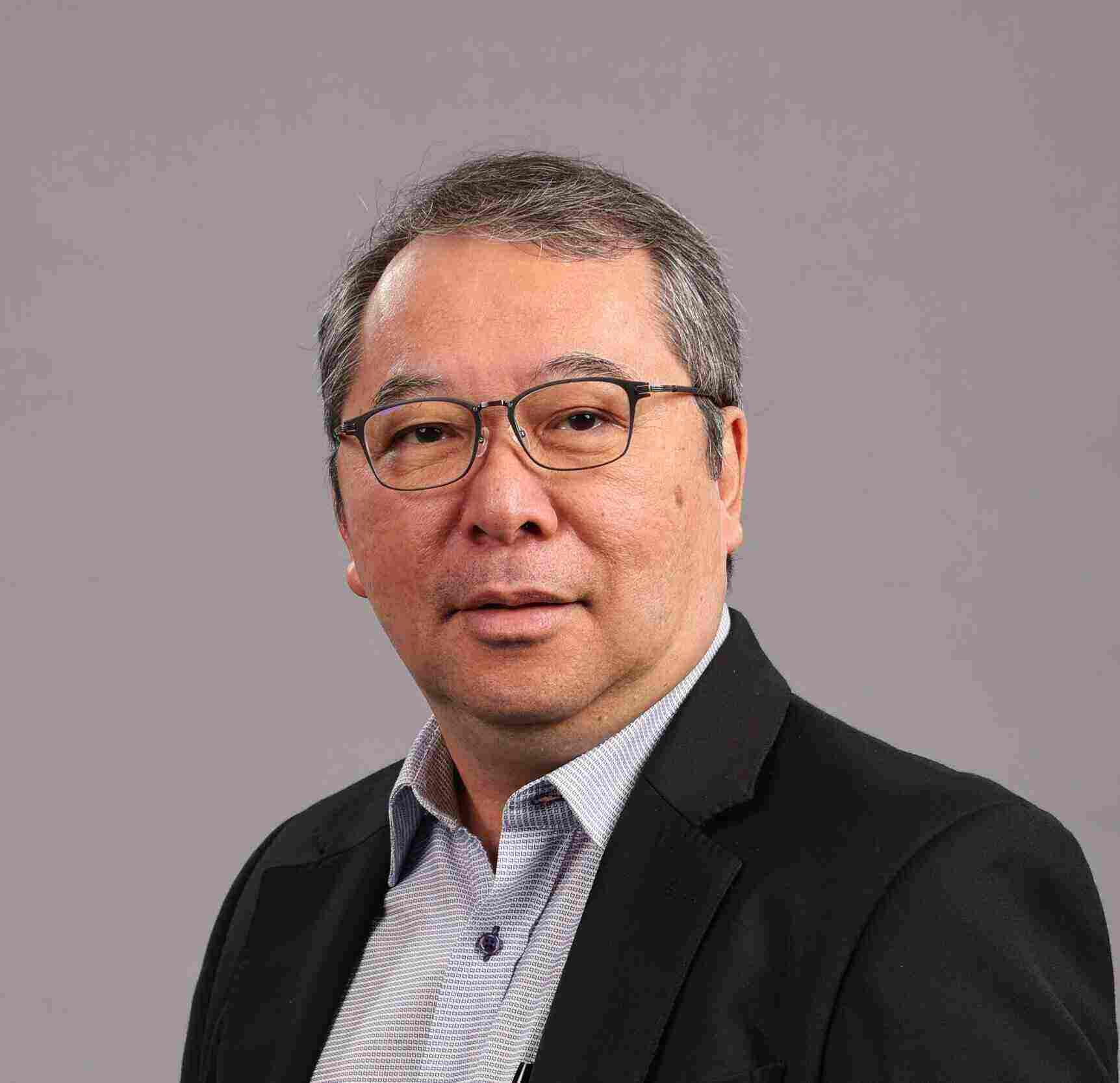
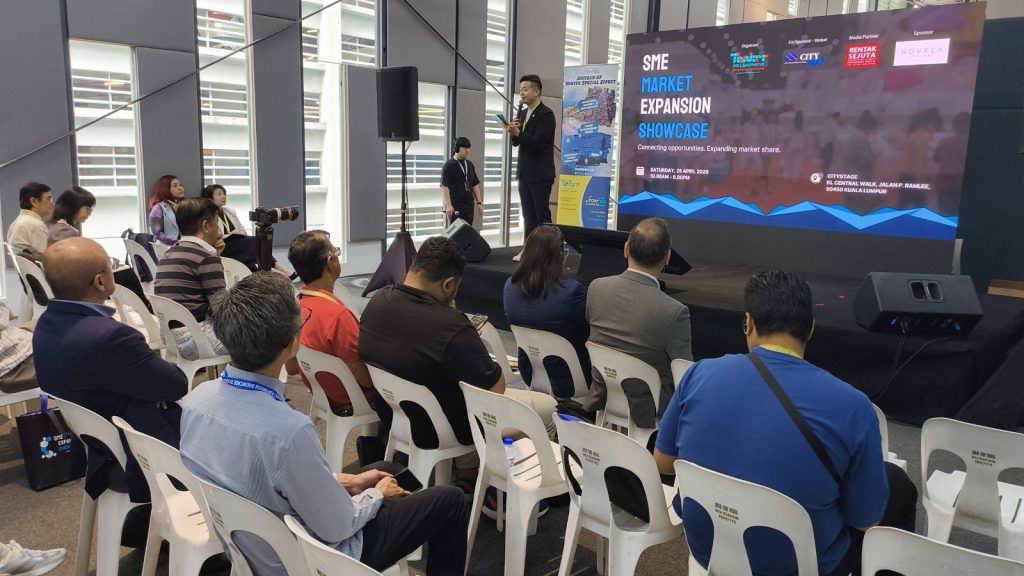
The inaugural SME Market Expansion Showcase, officially presented to the business community today, brought together more than 30 curated businesses and serious industry visitors at CityStage @ KL City Walk, located in the heart of Kuala Lumpur’s Golden Triangle. The showcase went beyond a traditional marketplace, serving as a dynamic business growth platform where brands gained exposure, conducted direct sales, and forged strategic partnerships. The programme focused on key areas such as direct customer engagement, on-the-spot sales opportunities, industry forum sessions, and networking with decision-makers, creating a high-energy environment designed to help participants learn, connect, and grow.
The one-day event attracted a strong turnout of SME owners, entrepreneurs, corporate professionals, decision-makers, as well as buyers and investors. Forum talks and panel discussions explored a wide range of topics, including market expansion strategies, the adoption of artificial intelligence for digital growth, access to financing and grants, smart scaling approaches, and the sharing of entrepreneurial success stories. The showcase also provided attendees with valuable direct access to founders and key decision-makers.
In her welcome address, Tanker Collaborative Director Janet New highlighted the vital role of SMEs as the backbone of the economy, noting that the showcase aimed to build a meaningful ecosystem where entrepreneurs could access funding insights, embrace digital growth, prioritise health, and establish strategic partnerships for sustainable success. She also elaborated on the event’s objectives and emphasised the importance of maximising both booth presence and forum participation. She added that the true value of the event lies in active engagement, encouraging exhibitors to present not just products but solutions and collaboration opportunities, while urging visitors to approach each interaction with purpose and curiosity to strengthen the overall business ecosystem.
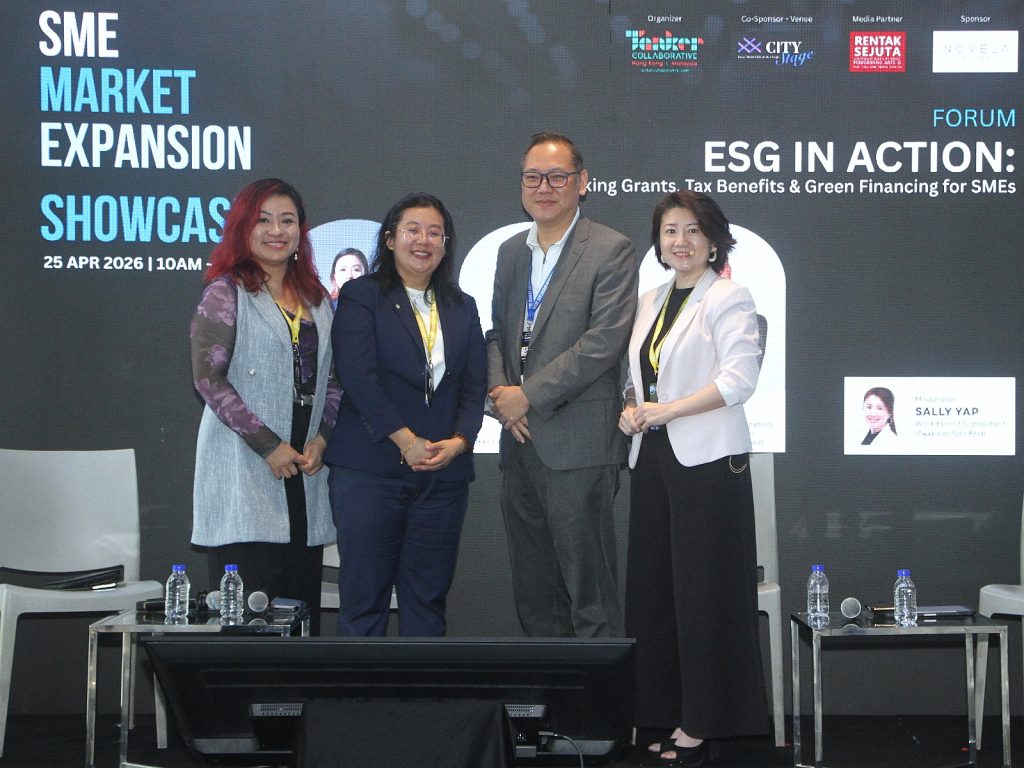
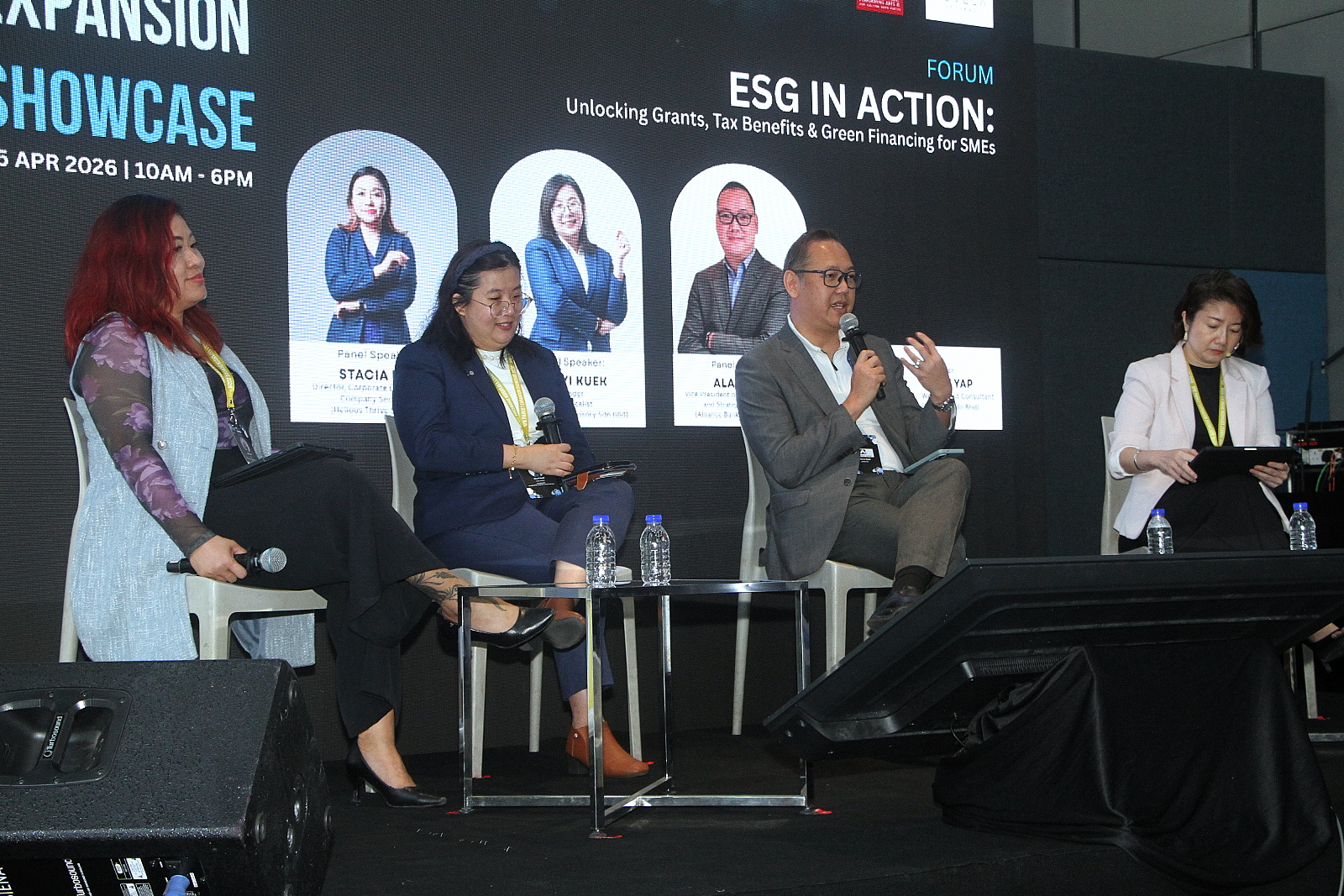
A key highlight of the forum sessions was the focus on Environmental, Social and Governance (ESG) and its role in measuring a company’s sustainability, ethical impact, and operational risks. Leading the ESG discussion was Stacia Lim, Director for Corporate Governance, who provided in-depth insights into integrating ESG into SME strategies and explained why it is no longer optional. She also outlined practical frameworks for adoption and noted that Malaysia’s National Sustainability Reporting Framework and amended Bursa Malaysia Listing Requirements now encompass Scope 1, 2, and 3 emissions, with a phased mandatory implementation leading up to 1 January 2027, significantly reshaping obligations for suppliers and SMEs.
The discussion was further expanded in a panel session featuring Lim, Shu Yi Kuek, founder of KPL Corporate Advisory Sdn. Bhd., and Alan Chin, Vice President of Group Sustainability and Strategic Partnerships at Alliance Bank Malaysia Berhad, moderated by Sally Yap of PeakJob Sdn Bhd. The session explored ESG in action, including access to grants, tax incentives, compliance requirements, and green financing opportunities, while also sharing practical case studies and strategies for unlocking green loans. Lim emphasised that ESG adoption does not have to be costly and encouraged SMEs to start from their current capabilities, while Chin highlighted that sustainability is not merely a compliance exercise but a competitive advantage that can position SMEs ahead of their peers.
The discussion also touched on Malaysia’s new incentive framework, effective from 1 March 2026, which introduces a more targeted and outcome-based approach, with ESG practices as a key eligibility criterion. The framework will initially apply to the manufacturing sector, with the services sector timeline to be announced later, and offers incentives of up to 15 years.
Other forum sessions included a health talk by Nutrition Consultant Dr. JC Wong from JC Lifestyle Coaching, who shared insights on protecting heart health through proper dietary practices, including understanding good and bad fats, reducing harmful oils, adopting suitable cooking methods, and managing cholesterol naturally. He later joined Dr. Anandarajah Shanmugam, co-founder of Healthy Lifestyle Solutions, in a panel discussion that explored heart disease beyond conventional medical and diagnostic approaches.
Marketing influencer Kien Lim, founder of Attitude Ideology, presented on market expansion strategies for SMEs, covering entry into new markets, the use of digital channels, partnership models, and scaling without significant overheads. In the final panel session, Kien Lim was joined by Newspin Communication’s PR Director Marc Ng and Brand and Communication Consultant Clarence Koh to discuss content creation, public relations, social media, and the role of key opinion leaders in today’s attention economy. The session was moderated by Gina Woon, co-founder of Novela Boutique.
Throughout the day, exhibitors were also given the opportunity to deliver 90-second introductions of their businesses during networking sessions, enabling them to showcase their offerings and connect with potential partners and clients.
The event was organised by Tanker Collaborative Sdn Bhd, a dynamic event and business activation company with operations in Malaysia and Hong Kong. The company specialises in large-scale showcases, corporate events, and market expansion platforms, designing and executing high-impact experiences that connect brands, businesses, and communities. Through curated exhibitions and strategic collaborations, Tanker drives visibility, engagement, and measurable commercial outcomes, serving as a growth enabler for SMEs and enterprises seeking to expand their reach across regional markets. With a strong focus on execution excellence and results, the company continues to deliver seamless, purpose-driven events that transform ideas into impactful business opportunities.