Tag: #artificialintelligence

  • Malaysian Businesses Accelerate AI Use Despite Growing Security and Governance Gaps

    Malaysian Businesses Accelerate AI Use Despite Growing Security and Governance Gaps

    TrendAI™, a global leader in AI security, has released new research revealing that organisations worldwide are continuing to accelerate AI deployment despite known security and compliance risks.

    In Malaysia, the study found that 75% of IT decision makers and 70% of business leaders feel pressured to approve AI initiatives even when security concerns exist. One in seven respondents described these concerns as “extreme,” yet said they were still overridden in order to keep pace with competitors and internal demand.

    AI adoption is clearly outpacing governance and control. Only 29% of Malaysian business decision makers reported being very or extremely confident in their understanding of legal frameworks governing AI, compared to 63% of IT decision makers. Around 52% of IT leaders said they already have comprehensive AI policies in place, while 39% are still developing them. Nearly half (51%) cited limited security or data expertise as the main barrier to safe AI adoption, followed closely by a lack of clear regulations and compliance standards (49%).
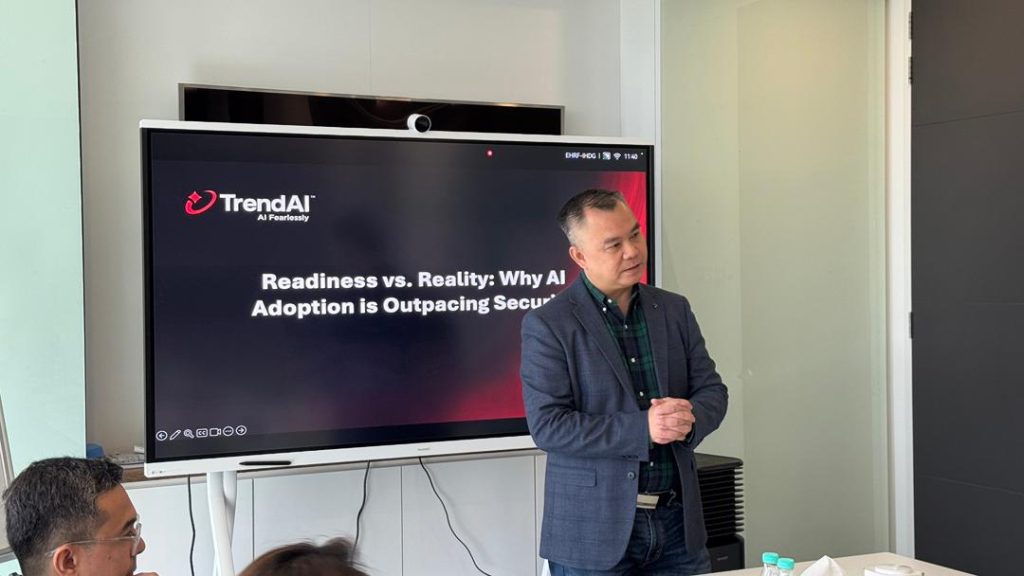
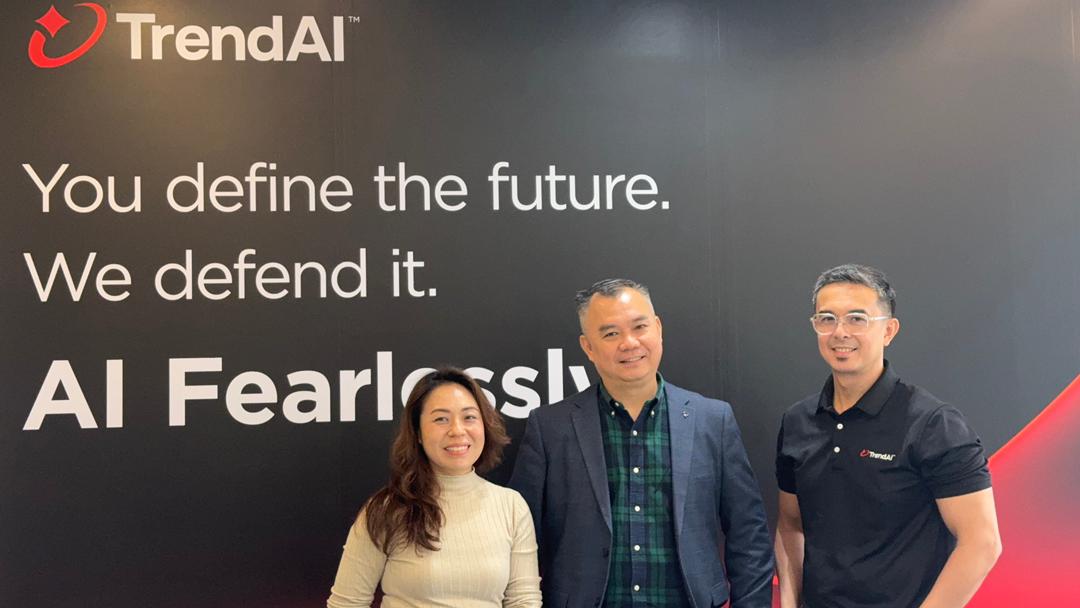
    According to Goh Chee Hoh, Managing Director for Malaysia at TrendAI™, organisations in Malaysia are deploying AI faster than they can manage the associated risks, creating a widening gap between ambition and oversight. He noted that this reflects a broader disconnect in governance maturity among business leaders. To close this gap, leadership must move beyond reactive security and focus on full visibility into how AI interacts with data, supported by a centralised framework that embeds accountability and risk oversight into system architecture. He added that initiatives such as the MY-AI Standards are a positive step in addressing risks like deepfakes and algorithmic bias. However, as Malaysia moves towards its goal of becoming an AI Nation by 2030, organisations must strengthen governance and defensive resilience to ensure AI adoption leads to a sustainable digital future.
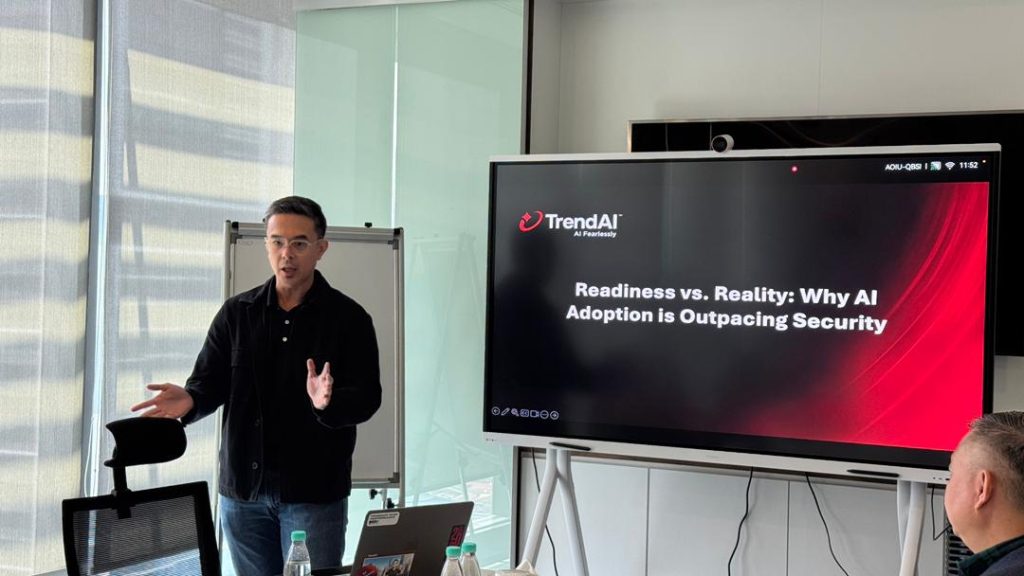
    Rachel Jin, Chief Platform & Business Officer and Head of TrendAI, said that organisations are not lacking awareness of risk, but rather the conditions needed to manage it effectively. She explained that when AI deployment is driven by competitive pressure instead of governance maturity, systems are often integrated into critical infrastructure without sufficient controls, increasing exposure to risk. She emphasised that TrendAI remains focused on helping organisations achieve strong business outcomes while maintaining effective risk management.

    The research also highlights that pressure-driven AI rollout is being worsened by inconsistent governance and unclear accountability for AI-related risks. Security teams are often forced to react to top-down AI decisions, which can lead to workarounds and increased use of unsanctioned or “shadow” AI tools. TrendAI’s latest threat research further shows that attackers are already using AI to automate reconnaissance, scale phishing campaigns, and lower barriers to cybercrime, increasing both the speed and scale of attacks.

    Trust in autonomous AI systems remains at an early stage among business leaders. Fewer than half (44%) of Malaysian decision makers believe agentic AI will significantly improve cyber defence in the short term, citing concerns around data access, misuse, and lack of oversight.

    More than half of organisations (57%) identify AI agents accessing sensitive data as their biggest risk. Around 45% are concerned about malicious prompts compromising security, while 37% fear misuse of trusted AI systems and risks linked to autonomous code deployment. At the same time, 36% admit they lack sufficient observability or auditability over these systems, raising concerns about how they can be effectively monitored or controlled once deployed.

    Nearly half (48%) of organisations support the introduction of an AI “kill switch” to shut down systems in the event of failure or misuse, while more than half remain undecided. This highlights a broader lack of consensus on how to maintain control over increasingly autonomous AI systems.

    “Agentic AI is moving organisations into a new risk category,” added Rachel Jin. “The concerns are already clear, from sensitive data exposure to loss of oversight. Without visibility and control, organisations risk deploying systems they do not fully understand or govern, and that risk will continue to grow unless action is taken.”

    Read the full global report: Securing the AI-Powered Enterprise – Governance Gaps, Visibility Challenges and Rising Risk.

    *TrendAI commissioned SAPIO Research to survey 3,700 IT and business decision makers across 23 countries globally.

    About TrendAI™
    TrendAI™, the global AI security leader and enterprise business unit of Trend Micro, empowers organisations with full AI visibility and unified security to drive innovation while reducing risk. Trusted by leading enterprises and governments across 185 countries, TrendAI™ secures organisations from identities to infrastructure and data.

    Global Fortune 500 companies rely on TrendAI™ to reduce risk and detect threats up to three months earlier, powered by advanced threat intelligence.

    Through ecosystem partnerships with NVIDIA, Anthropic, AWS, Google, and Microsoft, TrendAI™ helps organisations adopt AI securely and at scale.

    AI Fearlessly.
  • AMD and Upstage deepen their strategic partnership to accelerate the development of sovereign AI infrastructure in Korea.

    AMD has expanded its strategic collaboration with Upstage to accelerate the development of next-generation artificial intelligence technologies in South Korea. The partnership reflects a shared ambition to strengthen the country’s sovereign AI ecosystem, combining AMD’s global leadership in high-performance computing with Upstage’s expertise in advanced AI models and Artificial General Intelligence (AGI).

    Infrastructure & Deployment

    As part of this expansion, Upstage will deploy AMD Instinct™ MI355 GPUs through a multi-phase rollout over the coming year. These powerful AI accelerators will support the scaling of large language models (LLMs) and document processing engines, enabling more efficient enterprise workflows and enhancing AI-driven services. The collaboration also plays a role in Korea’s government-led initiative to develop a proprietary sovereign AI foundation model.

    Software & Ecosystem Optimization

    The partnership will leverage AMD’s ROCm™ open software ecosystem to optimize the development and performance of Upstage’s AI models. This integration ensures greater flexibility, efficiency, and scalability for building advanced AI solutions tailored to enterprise, government, and regulated industries. By combining hardware and software innovation, both companies aim to deliver a robust and open AI development environment.

    Strategic Impact

    This collaboration highlights a broader effort to strengthen Korea’s domestic AI capabilities while reducing reliance on external infrastructure. By developing sovereign AI technologies, organizations gain greater control over data, security, and performance. The partnership between AMD and Upstage is expected to position Korea as a competitive force in the global AI landscape.

    Industry Outlook

    With the rapid evolution of AI technologies, collaborations like this demonstrate the importance of aligning cutting-edge hardware with specialized AI expertise. AMD and Upstage’s joint efforts are set to accelerate innovation, support national AI strategies, and unlock new opportunities across industries in Korea and beyond.

  • AMD and NAVER Cloud have announced a strategic partnership aimed at strengthening and advancing AI infrastructure in Korea.

    AMD and NAVER Cloud have announced a strategic collaboration to advance sovereign AI infrastructure in South Korea. This partnership focuses on building scalable, high-performance systems that support national-level AI capabilities, combining AMD’s advanced computing platforms with NAVER Cloud’s growing AI and cloud ecosystem.

    Infrastructure Expansion

    As part of the collaboration, NAVER Cloud will expand its deployment of AMD EPYC™ processors, including the upcoming 6th-generation EPYC “Venice” chips. These processors are designed to handle intensive AI workloads such as large-scale training and inference. In addition, AMD will provide early access to its next-generation Instinct™ MI455X GPUs, enabling NAVER Cloud to enhance both its cloud services and production environments with cutting-edge AI performance.

    Software Optimization & Innovation

    Beyond hardware integration, both companies will work closely to optimize NAVER Cloud’s AI services and software stacks on AMD platforms, including the ROCm™ open software ecosystem. This effort aims to improve efficiency, flexibility, and performance for developers and enterprises building AI applications. The partnership also includes joint research and development initiatives to unlock new AI-driven services and solutions.

    Strategic Impact

    This collaboration highlights a shared vision of strengthening sovereign AI capabilities—allowing organizations in Korea greater control over their data, scalability, and infrastructure performance. By leveraging open and high-performance technologies, AMD and NAVER Cloud are positioning Korea to remain competitive in the rapidly evolving global AI landscape.

    Industry Outlook

    With increasing demand for AI-powered solutions, partnerships like this demonstrate how global technology leaders and regional cloud providers can work together to accelerate innovation. The AMD–NAVER Cloud alliance is expected to play a key role in shaping the next generation of AI infrastructure in Asia and beyond.

  • The Future of Connectivity: How 5.5G and AI are Redefining Mobile Experiences at MBBF 2024

    The Future of Connectivity: How 5.5G and AI are Redefining Mobile Experiences at MBBF 2024

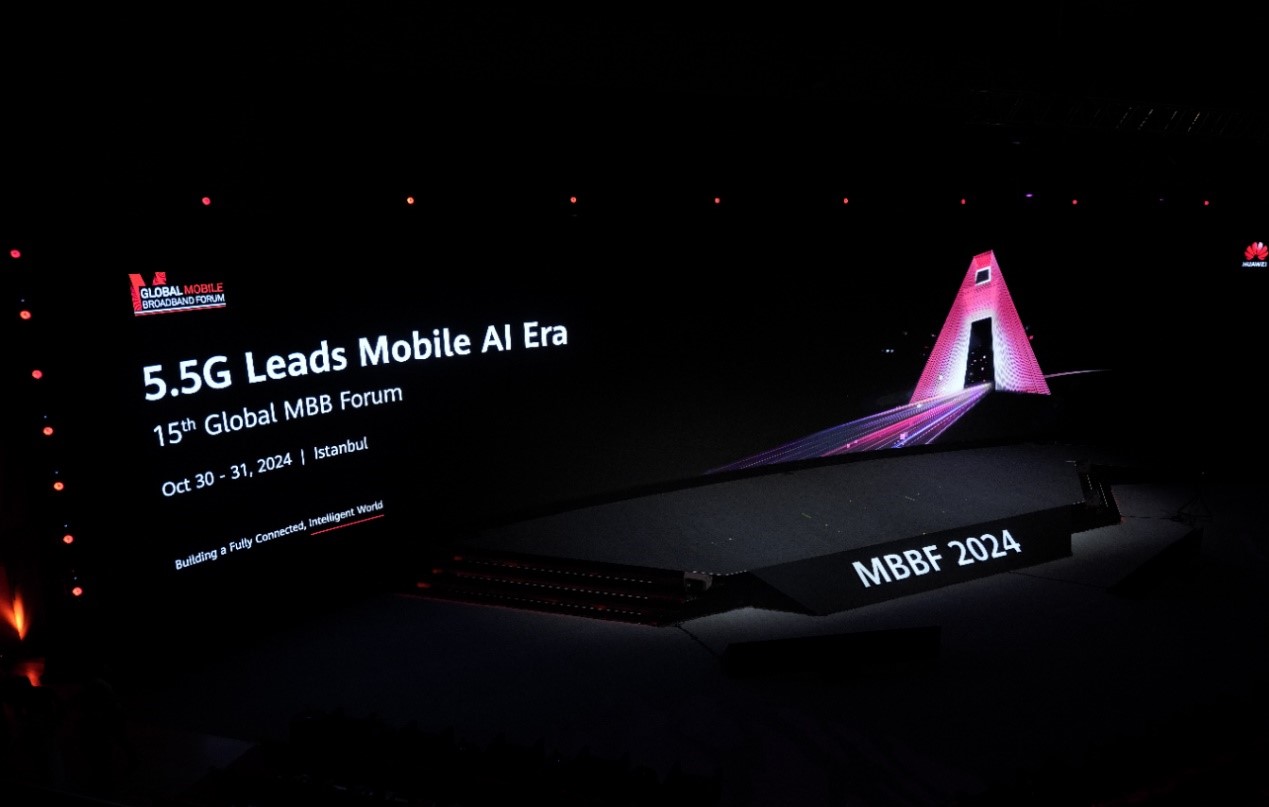
    As technology advances at an unprecedented pace, the convergence of 5.5G and artificial intelligence (AI) is opening new possibilities in mobile connectivity, and this year’s Global Mobile Broadband Forum 2024 (MBBF 2024), held in Istanbul, Türkiye, is at the center of these discussions. Hosted by Huawei with support from GSMA and GTI, the two-day event highlights the theme “5.5G Leads Mobile AI Era,” bringing together industry leaders, network operators, and vertical industry players. With a spotlight on the integration of 5.5G networks and AI, the forum aims to uncover how these technologies can drive innovation across various sectors, from business to consumer applications.

    The deployment of 5.5G, also known as “New 5G,” offers substantial improvements over existing 5G networks, including enhanced speed, latency, and capacity. Coupled with AI’s ability to analyze data and optimize systems in real-time, 5.5G stands as a crucial technology in shaping the Mobile AI era.

    Huawei’s Rotating Chairman, Ken Hu, opened the forum by emphasizing AI’s transformative potential in mobile connectivity. According to Hu, mobile networks have historically played a significant role in making digital services accessible to everyone, and AI will take this a step further, enabling new applications for users across various devices and environments. “In the future, AI will change everything. Everyone will be able to use it, anytime and anywhere,” said Hu, setting a vision of AI as an integral part of everyday life.

    The mobile AI era is not only about enhancing connectivity but also about creating new business models and interactions. Li Peng, Huawei’s Senior Vice President and President of ICT Sales & Service, highlighted the significance of these developments in his keynote, where he detailed the structural changes the industry can expect in traffic patterns, device interaction, and intelligent service delivery. According to Li, this new phase brings opportunities for telecom providers and device manufacturers to reshape their offerings, maximizing customer engagement through personalized AI-driven experiences.

    Li outlined two primary ways carriers can capitalize on these opportunities. First, networks should be upgraded to support AI capabilities, prioritizing enhancements in uplink, latency, and network capacity. Second, AI itself can support network management through automation, ensuring optimal performance and improving the user experience. Leading carriers worldwide are already deploying AI on live 5.5G networks, leveraging its capabilities across varied scenarios—from personalized services for individual users to smart infrastructure for industries.

    The MBBF 2024 includes a robust display of AI-powered connectivity solutions that cater to diverse needs across multiple domains, including homes, vehicles, industries, and personal devices. Attendees are offered hands-on experiences with state-of-the-art AI devices, such as AI-enabled phones, wearables, intelligent cockpits for vehicles, and augmented reality (AR) glasses. Each demo showcases how AI can create highly personalized user interactions, real-time translation, and advanced human-device engagement.

    Part of the appeal of 5.5G and AI lies in their potential to support multiple vertical industries, from smart cities and manufacturing to healthcare and transportation. Intelligent applications like digital human interfaces and AI-generated content (AIGC) are examples of how these technologies can reshape user engagement in various fields. These solutions demonstrate how, with the support of 5.5G, AI can provide not only efficiency but also richer, more interactive experiences for users.

    Beyond showcasing technological advancements, MBBF 2024 serves as a collaborative platform for industry stakeholders to discuss the future of mobile AI. By aligning with the achievements of 5G, 5.5G promises to build on an already robust foundation, accelerating growth in areas such as automation, network efficiency, and user experience enhancement.

    One of the core themes explored at MBBF 2024 is how stakeholders can achieve commercial success in the 5.5G landscape. The key to this success, according to industry experts, lies in leveraging AI’s ability to analyze vast datasets, optimize network performance, and deliver adaptive services tailored to user needs. By transforming operations and creating new business models, telecom providers can ensure their services remain relevant and competitive in a rapidly evolving market.

    As the Mobile AI era unfolds, the convergence of 5.5G and AI represents a transformative step for mobile networks and consumer experiences. By collaborating with ecosystem partners and harnessing these technologies, telecom providers and industry leaders can drive a future of seamless, intelligent connectivity that is accessible, efficient, and innovative.

    Looking ahead, MBBF 2024 has set the stage for further development in the mobile AI space. As Huawei, GSMA, GTI, and other partners continue to advance these initiatives, they will likely pave the way for a new generation of intelligent applications that not only improve connectivity but also empower users and industries to achieve more with AI-enhanced, 5.5G-enabled technology. For more information, please visit MBBF2024 at: https://www.huawei.com/en/events/mbbf2024.

  • The Future of Mobile AI: Expert Panel Unveils Collaborative and Responsible AI Innovation

    The Future of Mobile AI: Expert Panel Unveils Collaborative and Responsible AI Innovation

    Samsung Electronics unveiled a record number of new products at Galaxy Unpacked 2024 on July 10 including the Galaxy Z Fold6, Galaxy Z Flip6, Galaxy Watch Ultra, Galaxy Watch7, Galaxy Ring and Galaxy Buds3 series. Now, the Galaxy AI ecosystem is stronger than ever with the expansion to foldables and wearables.

    On June 11, Samsung underscored its commitment to mobile AI with a panel discussion called Salon d’AI at 3 Mazarium — a modern convention space characterised by traditional Parisian architecture. Industry leaders and partners from Google, Qualcomm Technologies, the Organization for Economic Co-operation and Development (OECD) and others joined Samsung on stage for a lively discussion about the future of AI.

    (From left to right) Dr. Chris Brauer, Lucia Russo, Don McGuire, Won-joon Choi, Jenny Blackburn, Daehyun Kim and moderator Carolina Milanesi

    More than 300 media and attendees packed the auditorium to hear what the experts had to say. At a time when advancements in AI are set to impact lives on an unprecedented scale, Samsung Newsroom reflected on some valuable insights from participants at Salon d’AI.

    A Human-Centric Approach to Mobile AI

    Won-joon Choi, Executive Vice President and Head of the Mobile R&D Office, Mobile eXperience Business at Samsung Electronics, took to the stage and started the panel.

    “With the industry leaders and decision makers on stage today, let’s talk about the future of mobile AI based on consumer experiences, the importance of responsible AI development and the critical role of collaboration in shaping AI for humanity,” he said.

    Audience members listened attentively, taking notes on their laptops and smartphones.

    Won-joon Choi from Samsung Electronics

    Moderator Carolina Milanesi, CEO and Founder of Heart of Tech and President of Creative Strategies, initiated the discussion by asking panelists to share their views on the development of mobile AI.

    “When we first developed Galaxy AI, we studied users’ needs extensively. Our Galaxy AI started with a deep understanding of our consumers,” said Choi. “Based on our research, we developed practical Galaxy AI features — not just gimmick features — that provide meaningful experiences to our users.”

    Dr. Chris Brauer from the University of London

    Then, Samsung announced the results of a global academic study conducted in partnership with the Goldsmiths’ Institute of Management Studies at the University of London.

    “This study with Samsung is the first-of-its-kind, academic-grade research to understand the effects of mobile AI on quality of life,” said Dr. Chris Brauer, Director of Innovation at Goldsmiths’ Institute of Management Studies, University of London. “What we learned gave us a clear indication of the immense potential that AI has.”

    According to the data, frequent users of AI are more likely to report a higher quality of life compared to those who rarely use AI. These respondents view AI as more than a tool to automate tasks.

    (From top to bottom) Daehyun Kim from Samsung Electronics and Don McGuire from Qualcomm Technologies

    In addition, the panelists looked at the role of mobile AI in stimulating creativity and improving productivity. Daehyun Kim, Executive Vice President of the Global AI Center, Samsung Research at Samsung Electronics, pointed to the study as proof that AI will unlock people’s creativity.

    “Frequent AI users are two times more likely to express themselves creatively,” he said. “With all this AI technology, we’re making a meaningful difference in people’s lives.”

    Don McGuire, Senior Vice President and Chief Marketing Officer of Qualcomm Technologies, weighed in on how the findings signal where AI is headed — moving beyond “prompt and response” functions.

    “We’re seeing AI transition beyond novelty to be truly useful,” he said. “AI has to become more suggestive and anticipatory. Samsung has perfected this with some of the features launched on Galaxy AI.”

    Mobile AI Innovation Driven by Open Collaboration

     Collaboration emerged as one of the conversation’s biggest themes. Through open collaboration with Google, Qualcomm Technologies and others, Samsung is providing state-of-the-art AI-based user experiences.

    Jenny Blackburn from Google

    “The launch of Circle to Search with the Galaxy S24 series was such a canonical example of the collaboration between Google and Samsung,” said Jenny Blackburn, Vice President of User Experience for Gemini Experiences and Google Assistant at Google. “It took a while for us to align on how we introduce that feature — to create something that works for everyone across different devices in a range of situations.”

    (From left to right) Qualcomm Technologies’s Don McGuire, Samsung’s Won-joon Choi, Google’s Jenny Blackburn

    The hybrid AI approach that Galaxy AI adopted became another focal point of the discussion.

    “Years from now, the hybrid approach to mobile AI will be considered the only approach to mobile AI,” said Kim. “Hybrid AI combines the responsiveness of on-device AI with the vast resources and experiences powered by cloud-based AI.”

    Although Samsung has carefully developed its own generative AI model, the company strives to innovate and collaborate with the goal of developing human-centric AI.

    “The scaling of AI will need to be hybrid for many practical reasons but also from a user experience perspective,” said McGuire. “We’re committed to working with Samsung, Google and others to provide strong on-device AI and cloud-based AI together.”

    Expanding AI in a Safe and Inclusive Way

     Finally, the panelists addressed the need to promote responsible innovation and inclusive AI development.

    “Regulation is still working to fully catch up with the speed of AI innovation,” said Lucia Russo, Economist and Policy Analyst in the Artificial Intelligence (AI) Unit, Digital Economy Policy Division at OECD. “We want to encourage innovation but not at the cost of ethics or privacy.”

     Lucia Russo from OECD

    “Privacy is the most important thing in this hyperconnected era. We aim to provide innovation and safety under three core principles — fairness, transparency and accountability,” said Kim. “With the Galaxy AI Dashboard, users can choose cloud-based services or have some features operate entirely on-device.”

    “In the near future, AI will be multi-modal to process various types of input including text, images, audio, and video. At the same time, AI will become contextual to grasp the situation at hand,” he continued. “Providing users with choice and control is a constant consideration in mobile AI innovation.”

    The first AI media event for Galaxy, Salon d’AI demonstrated how Samsung is moving beyond technological innovation in its AI development efforts by improving quality of life. In its pursuit of developing AI for all, Samsung looks forward to opening new opportunities through AI — with an eye on enhanced security and open collaboration.

    To pre-order the latest Galaxy devices, please click the respective links below:


  • HONOR Memperkenalkan ‘AI Defocus Eye Protection’ dan ‘AI Deepfake Detection’ Di MWC Shanghai 2024

    HONOR Memperkenalkan ‘AI Defocus Eye Protection’ dan ‘AI Deepfake Detection’ Di MWC Shanghai 2024

    Jenama teknologi global HONOR mengumumkan dua inovasi AI pada peranti yang meneraju industri yang dicipta untuk memperkasakan individu dan memperkenalkan tahap baharu keselamatan pengguna di MWC Shahghai 2024, semalam. 

    Pada ucaptama HONOR di MWC Shanghai 2024 bertajuk “The Human-AI Synergy: Intelligent Devices Will Empower People Better,” jenama tersebut mempersembahkan kemajuan terkininya dalam kepintaran buatan (AI) berciri kemanusiaan iaitu AI Defocus Eye Protection dan AI Deepfake Detection. Selain itu, HONOR juga menegaskan tumpuan ke arah AI pada peranti yang berciri kemanusiaan, serta keyakinan dalam potensi bagi perkakasan berkeupayaan AI untuk memperkasakan pengguna dengan menyediakan perkhidmatan pemperibadian sambil melindungi privasi pengguna. 

    “AI merevolusikan kehidupan kita dan memandu industri telefon pintar ke hadapan, tetapi industri lebih bertumpu ke arah AI yang berteraskan awan, yang merupakan sebahagian daripada keseluruhan keupayaan AI ini. AI pada peranti yang beroperasi pada telefon pintar memahami kami dengan lebih baik berbanding peranti lain dan berupaya memberikan perkhidmatan yang diperibadikan kepada kami dan kemahuan kami secara unik,” kata Ketua Pegawai Eksekutif HONOR Device Co., Ltd., George Zhao.  

    “Di HONOR, kami percaya bahawa AI pada peranti mempunyai potensi untuk memperkasakan pengguna dan menjadi lebih berupaya dalam apa saja yang mereka lakukan. Kami mempelawa para pemain industri untuk menyertai kami bagi menerokai potensi AI pada peranti yang belum diketahui,” tambah Zhao.

    Teknologi perlindungan mata yang sentiasa berevolusi daripada pencegahan ke pemulihan

    Merujuk kepada peningkatan kes rabun jauh global akibat penggunaan skrin pada jangka masa panjang, teknologi AI Defocus Eye Protection memanfaatkan AI bagi meniru cermin mata nyahfokus pada paparan peranti pintar. Cermin mata nyahfokus penting kepada kesihatan mata kerana direka untuk mendorong nyahfokus terkawal dalam bidang visual persisian pengguna bagi membantu mengekalkan penglihatan berpusat yang jelas. 

    Efek ini akan mewujudkan persepsi visual terubah yang memperlahankan proses lekangan retina, yang mengakibatkan rabun jauh. Daripada perlindungan mata kepada pencegahan sehinggalah ke ciptaan teknologi yang boleh membawa kelegaan kepada pengguna, AI Defocus Eye Protection HONOR telah berjaya mengurangkan rabun sementara sebanyak 13 darjah selepas membaca selama 25 minit, dengan segelintir pengguna mengalami pengurangan maksimum sebanyak 75 darjah.

    Mengurangkan Penipuan dengan AI Deepfake Detection 

    Bagi mengelakkan penipuan dan mengesan kandungan yang dimanipulasi secara digital, AI Deepfake Detection memeriksa maklumat dari bingkai ke bingkai seperti pandangan mata, pencahayaan, kejelasan imej, dan video ulang semula untuk mengenal pasti kecacatan yang tidak dapat dikesan dengan mata kasar. 

    Selain itu, ciri AI Deepfake Detection telah diuji latih melalui set data besar video dan imej yang berkaitan dengan penipuan rangkaian, membolehkan AI menjalankan identifikasi, saringan, dan perbandingan dalam masa tiga saat. Sekiranya ciri ini dapat mengesan kandungan yang sintetik atau telah diubah suai, satu amaran risiko akan dikeluarkan kepada pengguna bagi menghalang mereka daripada terlibat dengan sebarang individu atau aktiviti yang berpotensi sebagai tipuan.

    Untuk maklumat lanjut, sila layari laman web rasmi HONOR di https://www.honor.com/my/

  • HONOR Reveals Advanced AI Architecture and Expands Collaboration with Google Cloud for Enhanced AI Experiences at VivaTech 2024

    HONOR Reveals Advanced AI Architecture and Expands Collaboration with Google Cloud for Enhanced AI Experiences at VivaTech 2024

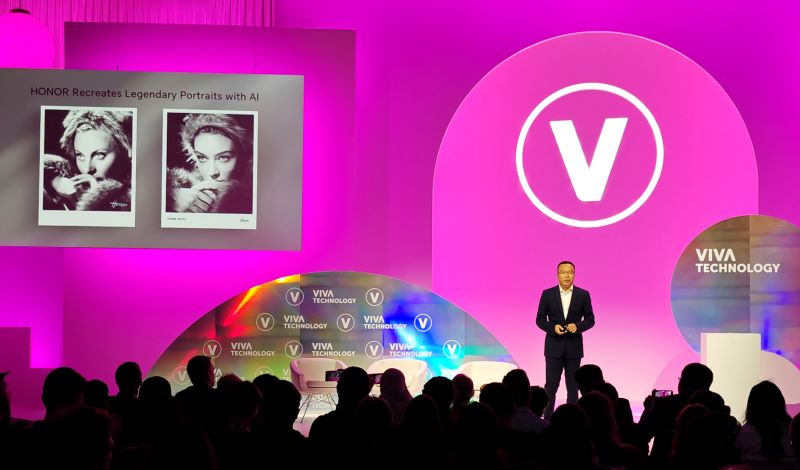
    HONOR, the global technology brand, made its highly anticipated debut at VivaTech, a prominent tech and innovation event in Europe. At its keynote, HONOR highlighted its cutting-edge on-device AI technology and introduced its groundbreaking Four-layered AI Strategy. HONOR has also revealed its plans for upcoming Gen-AI experiences in collaboration with Google Cloud. These experiences will be showcased on their highly anticipated smartphones, promising to bring a whole new level of excitement and enhancement to user experiences.

    “At HONOR, we firmly believe that, by combining the power of on-device AI’s personalization, intuitiveness, and privacy protection, everyone can unlock the full potential of AI safely and securely,” said George Zhao, CEO of HONOR Device Co., Ltd. “We are also delighted to forge ahead with Google Cloud, leveraging our combined expertise to unlock the potential of this hybrid approach and deliver even more seamless AI experiences to our users,” he said.

    Introducing HONOR’s Four-Layer AI Architecture

    At the keynote, HONOR showcased its Four-Layer AI Architecture and showcased its commitment to seamlessly incorporating AI into MagicOS. The Four-Layer Architecture consists of separate layers. At the core, the open ecosystem is built upon Cross-device and Cross-OS AI, enabling the seamless sharing of computing power and services across various devices and operating systems.

    Enhancing on this foundation, the Platform-level AI layer empowers a customized operating system, facilitating intuitive human-computer interaction and personalized resource distribution. In the third layer, App-level AI is ready to bring forth a wave of groundbreaking, creative AI applications that will completely transform user experiences. Finally, positioned at the forefront, the Interface to Cloud-AI services layer grants users convenient entry to extensive cloud services while placing utmost importance on safeguarding privacy, resulting in a comprehensive and forward-thinking AI encounter.

    As part of MagicOS 8.0, Magic Portal is the industry’s first intent-based UI, which understands user behavior and streamlines complex tasks into single-step processes. Currently, Magic Portal supports 100 top applications across seven scenarios, including travel, productivity, messaging, search, entertainment, shopping, and social media, with plans to expand usage scenarios to provide even more seamless and intelligent AI experiences in the future.


    As part of HONOR’s Four-Layer Architecture, HONOR is set to integrate cutting-edge Gen-AI experiences, powered by Google Cloud, into its upcoming smartphones, promising to deliver a new level of intelligence and innovation to users with enhanced privacy protection.

    Revolutionizing Portrait Experience with HONOR 200 Series

    Following the successful launch of AI Motion Sensing Capture, a cutting-edge feature that leverages AI to automatically capture fast-moving actions, HONOR also announced that the upcoming HONOR 200 Series will take mobile photography to new heights with an all-new AI-enhanced Portrait experience. The HONOR 200 Series is poised to revolutionize portrait photography by bringing the mastery of Studio Harcourt, a legendary French photography studio known for its expertise in capturing classic portrait shots with iconic figures, to every step of the process, leveraging AI technology to recreate the iconic studio’s legendary lighting and shadow effects.

    By using AI to learn from a vast dataset of Studio Harcourt portraits, the HONOR 200 Series has successfully broken down the entire portrait photography process into nine distinct steps, and perfectly replicates the full Studio Harcourt method, ensuring flawless and studio-quality portraits with every shot.

    The HONOR 200 Series is set to launch in Paris on June 12, powered by MagicOS 8.0, further solidifying HONOR’s commitment to democratizing AI technology. In a move to make AI more accessible to a wider audience, HONOR also announced plans to roll out MagicOS 8.0 to its HONOR Magic V2 and HONOR 90 devices, empowering more users to experience the transformative power of AI.

    The Human-AI Synergy: Smart Devices for a Better Future

    At the event, HONOR also hosted an insightful panel discussion featuring esteemed industry expert Dr. Justine Cassell. The discussion delved into the future of multimodal interaction, highlighting how this integration enhances convenience and privacy protection for smart device users.

    “On-device AI can better empower individuals,” emphasized George. “The on-device offers personalized recommendations while safeguarding user privacy by keeping data on the device. For instance, HONOR’s Magic Portal design ensures users retain control over service selection and decision-making, highlighting the human-centric focus of HONOR’s AI.”

    In terms of multimodal interaction, Dr. Justine Cassell noted, “Humans live multimodally. The rise of on-body devices like rings, and pins, alongside powerful smartphones, shows growing comfort with AI integrating verbal language, nonverbal cues like gestures and facial expressions, and paraverbal elements like speech intonation. This predicts the adoption of multimodally-sensitive AI on phones. The more modalities that we can engage into an AI system, the more different kinds of people we can help with that AI system,” said Justine.

    “Human-centric is HONOR’s design philosophy, with human at the center of all devices,” George envisioned. “Empowered by AI, cross-device integration can combine the unique advantages of different devices in the future. Rather than learning user behaviors in isolation on each device, this approach allows for macro-level, unified user intent recognition, offering tailored recommendations and suggestions.”

  • Exploring the Learning Curve: Unveiling the Foundation of Teaching AI New Languages

    Exploring Samsung Research centers worldwide, we delve into the cutting-edge mobile AI experiences that Samsung is spearheading. Discover how Galaxy AI is empowering users to unlock their full potential. Galaxy AI has expanded its language support to include 16 languages. This means that more individuals can now enhance their language skills, even without an internet connection. The on-device translation feature, which includes Live Translate, Interpreter, and Note Assist, enables users to conveniently translate text in various languages. However, the process of AI language development may be of interest to you. In this series, we explore the obstacles encountered while working with mobile AI and the strategies we employed to overcome them. Our first destination is Indonesia, where we explore the fascinating process of teaching AI to speak a new language.

    Samsung R&D Institute Indonesia (SRIN) suggests starting with setting goals. The foundation of great AI is high-quality, relevant data. The head of artificial intelligence at SRIN, Junaidillah Fadlil, recently added support for Bahasa Indonesia (the Indonesian language) to Galaxy AI, explaining that their team dove deep into understanding the linguistic needs and specific conditions of their country because every language demands a distinct manner to process this. “All processes for adding languages to Galaxy AI begin with us planning what information we need and can legally and ethically obtain,” the researchers explained, explaining that “local language development has to be led by insight and science.”

    Galaxy AI features such as Live Translate perform three core processes: automatic speech recognition (ASR), neural machine translation (NMT) and text-to-speech (TTS). Each process needs a distinct set of information.

    ASR, for instance, needs extensive recordings of speech in numerous environments, each paired with an accurate text transcription. Varying background noise levels help account for different environments. “It’s not enough just to add noises to recordings,” explains Muchlisin Adi Saputra, the team’s ASR lead. “In addition to the language data we obtained from authorized 3rd party partners, we must go out into coffee shops or working environments to record our own voices. This allows us to authentically capture unique sounds from real life, like people calling out or the clattering of keyboards.”

    The ever-changing nature of languages must also be considered. Saputra adds: “We need to keep up to date with the latest slang and how it is used, and mostly we find it on social media!”

    Next, NMT requires translation training data. “Translating Bahasa Indonesia is challenging,” says Muhamad Faisal, the team’s NMT lead. “Its extensive use of contextual and implicit meanings relies on social and situational cues, so we need numerous translated texts that the AI could reference for new words, foreign words, proper nouns, and idioms – any information that helps AI understand the context and rules of communication.”

    TTS then requires recordings that cover a range of voices and tones, with additional context on how parts of words sound in different circumstances. “Good voice recordings could do half the job and cover all the required phonemes (units of sound in speech) for the AI model,” adds Harits Abdurrohman, TTS lead. “If a voice actor did a great job in the earlier phase, the focus shifts to refining the AI model to clearly pronounce specific words.”

    Stronger Together

    It takes vast resources to plan for much data, and SRIN worked closely with linguistics experts. “This challenge requires creativity, resourcefulness and expertise in both Bahasa Indonesia and machine learning,” Fadlil reflects. “Samsung’s philosophy of open collaboration played a big part in getting the job done, as did our scale of operations and history of AI development.”

    Working with other Samsung Research centers around the world, the SRIN team was able to quickly adopt best practices and overcome the complexities of establishing data targets. Furthermore, collaboration was good for advancing not only technology but also culture. When the SRIN team joined their counterparts in Bangalore, India, they observed the local fasting customs, creating deeper connections and expanding their understanding of different cultures.

    For the team, Galaxy AI’s language expansion project took on a new significance. “We are particularly proud of our achievements here as this was our first AI project, and it won’t be our last as we continue to refine our models and improve the quality of output,” Fadlil concludes. “This expansion not only reflects our values of openness but also respects and incorporates our cultural identities through language.”

    In the next episode of The Learning Curve, we will head to Samsung R&D Institute Jordan to speak to the team who led Galaxy AI’s Arabic language project. Tune in to learn about the complexities of building and training an AI model for a language with diverse dialects.