Category: Community

  • IJN Achieves Historic Milestone as Asia’s First EAPC-Accredited Sports Cardiology Centre

    Institut Jantung Negara (IJN) has successfully obtained accreditation from the European Association of Preventive Cardiology (EAPC) for Sports Cardiology, becoming the first centre in Asia to receive this recognition under the EAPC Preventive Cardiology Centre Accreditation programme. This achievement underscores IJN’s commitment to delivering high-quality cardiovascular care in line with international standards. The accreditation signifies that IJN meets stringent criteria in cardiovascular preventive care, particularly in Sports Cardiology, including adherence to the latest clinical guidelines, well-established infrastructure, and a highly trained multidisciplinary team.

    Chief Executive Officer of IJN, Prof. Dato’ Sri Dr. Mohamed Ezani Md Taib, said the accreditation reflects the institution’s continuous efforts to enhance patient care and outcomes. He described the recognition as a significant milestone that demonstrates IJN’s commitment to delivering high-quality, evidence-based cardiovascular care. He added that the accreditation validates the strength of IJN’s Sports Cardiology service, which is built on sound clinical governance, up-to-date guidelines, a capable multidisciplinary team, and the appropriate infrastructure to support improved patient outcomes. As the first centre in Asia to receive this recognition under the programme, he emphasised that IJN remains committed to advancing its capabilities in line with international standards while reinforcing its position as a leading cardiac centre in the region.

    Dato’ Sri Dr. Azmee Mohd Ghazi, Director of Sports Cardiology at IJN, said the accreditation highlights the importance of specialised cardiovascular care in supporting active individuals and athletes. He noted that the recognition reflects the strength of IJN’s Sports Cardiology programme in delivering comprehensive, evidence-based care for athletes and physically active individuals. It also reinforces IJN’s role in ensuring safe sports participation through proper cardiovascular assessment, risk management, and continuous monitoring aligned with international best practices.

    The EAPC accreditation programme aims to establish benchmarks in preventive cardiology practice, ultimately improving the quality of care and cardiovascular health outcomes globally. With this recognition, IJN joins a global network of accredited centres committed to advancing preventive cardiology, fostering collaboration, and promoting best practices in the prevention of cardiovascular disease.

    Director of Sports Cardiology at IJN, Dato’ Sri Dr. Azmee Mohd Ghazi, noted that the accreditation highlights the importance of specialised cardiovascular care in supporting athletes and physically active individuals. He explained that the recognition reflects the strength of IJN’s Sports Cardiology programme in delivering comprehensive, evidence-based care, while reinforcing its role in ensuring safe sports participation through proper cardiovascular assessment, risk management, and continuous monitoring aligned with international best practices.

    The EAPC accreditation programme aims to establish benchmarks in preventive cardiology practice, ultimately improving the quality of care and cardiovascular health outcomes globally. With this recognition, IJN joins a global network of accredited centres dedicated to advancing preventive cardiology, fostering collaboration, and promoting best practices in the prevention of cardiovascular disease.

  • Kerjasama KPJ Healthcare–Novo Nordisk Tingkatkan Penjagaan Metabolik dan Pengurusan Berat Badan

    Kerjasama KPJ Healthcare–Novo Nordisk Tingkatkan Penjagaan Metabolik dan Pengurusan Berat Badan

    KPJ Healthcare Berhad dan Novo Nordisk Malaysia hari ini memeterai kerjasama strategik melalui Memorandum Persefahaman (MoU) bagi memperkukuh penjagaan berstruktur berasaskan hospital di Malaysia. Inisiatif ini dilaksanakan selaras dengan peningkatan permintaan terhadap sokongan yang lebih selamat, terselaras dan dipantau secara perubatan untuk individu yang mengalami obesiti serta keadaan metabolik berkaitan. Kerjasama ini akan menyokong pembangunan Program Pengurusan Metabolik dan Berat Badan KPJ, iaitu model penjagaan berasaskan hospital yang menyediakan rawatan berstruktur, dipimpin oleh pakar serta mengaplikasikan pendekatan multidisiplin dalam persekitaran penjagaan kesihatan yang terkawal.

    Kerjasama ini dilaksanakan ketika Malaysia terus berdepan beban kesihatan obesiti dan metabolik yang ketara. Data saringan terkini Kementerian Kesihatan menunjukkan seorang daripada dua orang dewasa di Malaysia mempunyai berat badan berlebihan daripada 1.2 juta individu yang disaring, sekali gus mencerminkan skala dan keperluan mendesak untuk menangani isu ini. Selain itu, sebanyak 15.6 peratus orang dewasa, iaitu kira-kira satu daripada enam, hidup dengan diabetes, dengan ramai yang masih tidak menyedari keadaan tersebut. Obesiti juga dianggarkan menelan kos melebihi RM64 bilion setahun melalui perbelanjaan kesihatan, kehilangan produktiviti dan kematian pramatang.

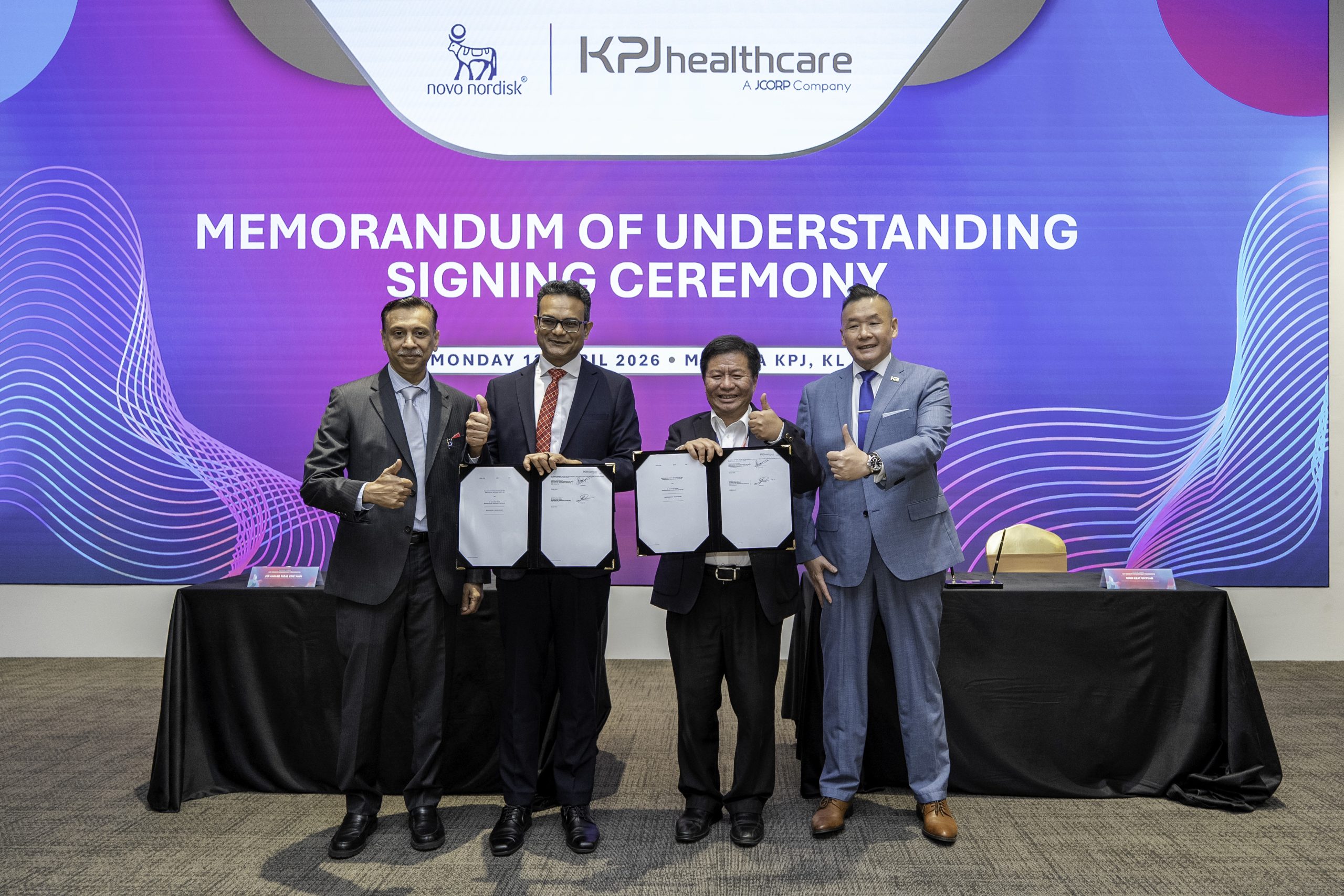
    [Dari Kiri ke Kanan] Puan Patricia Tan, Pengarah Pemasaran Bersekutu Novo Nordisk
    Pharma (M) Sdn Bhd (“Novo Nordisk), Encik Ahmad Rizal Che Wan, Pengarah Kewangan &
    Operasi Bersekutu Novo Nordisk, Dr Praful Chakkarwar, Pengurus Besar Novo Nordisk,
    Encik Chin Keat Chyuan, Presiden dan Pengarah Urusan KPJ Healthcare, Dato’ Mohd Farid
    Salim, Ketua Pegawai Operasi (Operasi Hospital) KPJ Healthcare dan Profesor Dato’ Dr
    Hanafiah Harunarashid, Ketua Pegawai Perubatan KPJ Healthcare mengambil gambar
    kenangan selepas majlis pelancaran Program Pengurusan Berat Badan KPJ.

    Di bawah kerjasama ini, kedua-dua pihak akan menyokong pembangunan laluan penjagaan yang lebih komprehensif dengan menggabungkan rundingan pakar, sokongan dietetik, panduan gaya hidup serta terapi perubatan yang bersesuaian secara klinikal. Pada fasa pertama, program ini dijangka diperkenalkan di 10 hospital KPJ, iaitu Ampang Puteri Specialist Hospital, Damansara Specialist Hospital, Damansara 2 Specialist Hospital, Ipoh Specialist Hospital, Johor Specialist Hospital, KPJ Klang Specialist Hospital, KPJ Penang Specialist Hospital, KPJ Selangor Specialist Hospital, Kuching Specialist Hospital dan Tawakkal Specialist Hospital, dengan pelaksanaan diperluas secara berperingkat dalam tempoh 12 bulan. Pesakit dijangka boleh mengakses program ini melalui laluan saringan kesihatan hospital serta rujukan dalaman.

    Program ini akan mengintegrasikan saringan kesihatan bersama profesional kesihatan sekutu merangkumi bidang endokrinologi, perubatan dalaman, pembedahan bariatrik, psikologi, fisioterapi, rehabilitasi, dietetik dan farmasi di bawah satu model penjagaan yang lebih tersusun. Penjagaan pesakit dalam laluan ini melibatkan penilaian awal, saringan komposisi badan, penilaian risiko metabolik, perancangan rawatan yang diperibadikan, kaunseling tingkah laku serta susulan berkala, dengan tempoh penjagaan lazim sehingga enam bulan bergantung kepada keperluan klinikal individu.

    Encik Chin Keat Chyuan, Presiden dan Pengarah Urusan KPJ Healthcare semasa
    berucap di majlis pelancaran Program Pengurusan Berat Badan KPJ.

    Presiden dan Pengarah Urusan KPJ Healthcare Berhad, Chin Keat Chyuan, berkata obesiti merupakan penyakit kronik yang kompleks dan berkait rapat dengan pelbagai penyakit metabolik serta tidak berjangkit lain, justeru memerlukan pengurusan jangka panjang yang terselaras. Beliau menjelaskan bahawa kerjasama ini memperkukuh pendekatan penjagaan yang lebih berstruktur dan bersepadu di seluruh hospital KPJ, selaras dengan KPJ Health System yang menggabungkan kepakaran klinikal, sokongan kesihatan bersekutu serta intervensi berasaskan bukti dalam model penjagaan yang konsisten. Menurut beliau, usaha ini mencerminkan komitmen berterusan KPJ dalam menyediakan penjagaan berpusatkan pesakit yang mudah diakses, lestari dan berfokuskan hasil. Selain penjagaan pesakit, kerjasama ini turut meneroka aspek pendidikan klinikal serta komunikasi bertanggungjawab berkaitan pengurusan obesiti, termasuk penggunaan terapi berasaskan GLP-1 dalam persekitaran penjagaan kesihatan terkawal, yang dijangka merangkumi sesi Pendidikan Perubatan Berterusan dan kandungan pendidikan di media sosial. Fasa pertama dijangka melibatkan 10 hospital KPJ dan 19 pakar endokrinologi perunding.

    Pengurus Besar Novo Nordisk Malaysia, Praful Chakkarwar, berkata obesiti merupakan penyakit kronik yang memerlukan pengurusan jangka panjang berasaskan bukti. Seiring dengan peningkatan kesedaran di Malaysia, beliau menegaskan kepentingan memastikan pesakit disokong melalui laluan penjagaan yang dipantau secara perubatan dengan kepakaran klinikal yang tepat serta susulan berterusan. Beliau turut menyatakan bahawa kerjasama ini diharap dapat menyumbang kepada penjagaan menyeluruh bagi individu yang mengalami obesiti, yang lazimnya melibatkan pelbagai keadaan kesihatan yang saling bertindih, serta mengiktiraf KPJ Healthcare sebagai rakan strategik yang signifikan dalam usaha tersebut.

    Encik Praful Chakkarwar, Pengurus Besar Novo Nordisk semasa berucap
    mengenai Novo Nordisk di majlis pelancaran Program Pengurusan Berat Badan
    KPJ.

    Kerjasama ini juga bertujuan meningkatkan kesedaran mengenai obesiti sebagai penyakit kronik yang boleh dirawat dalam kalangan pesakit, majikan dan masyarakat umum. Dalam beberapa tahun kebelakangan ini, pakar klinikal dan kesihatan di Malaysia semakin menekankan bahawa obesiti perlu diuruskan melalui pendekatan penjagaan jangka panjang yang menyeluruh, bukannya sekadar intervensi jangka pendek atau sementara. Dengan menggabungkan kepakaran klinikal, sokongan berstruktur serta pendidikan yang bertanggungjawab, KPJ Healthcare Berhad dan Novo Nordisk Malaysia berharap dapat memajukan penjagaan obesiti secara mampan, berasaskan bukti dan memberi impak yang signifikan kepada rakyat Malaysia.

  • TP-Link dan UiTM Meterai MoU untuk Pembangunan Kemahiran Perangkaian Industri

    TP-Link dan UiTM Meterai MoU untuk Pembangunan Kemahiran Perangkaian Industri

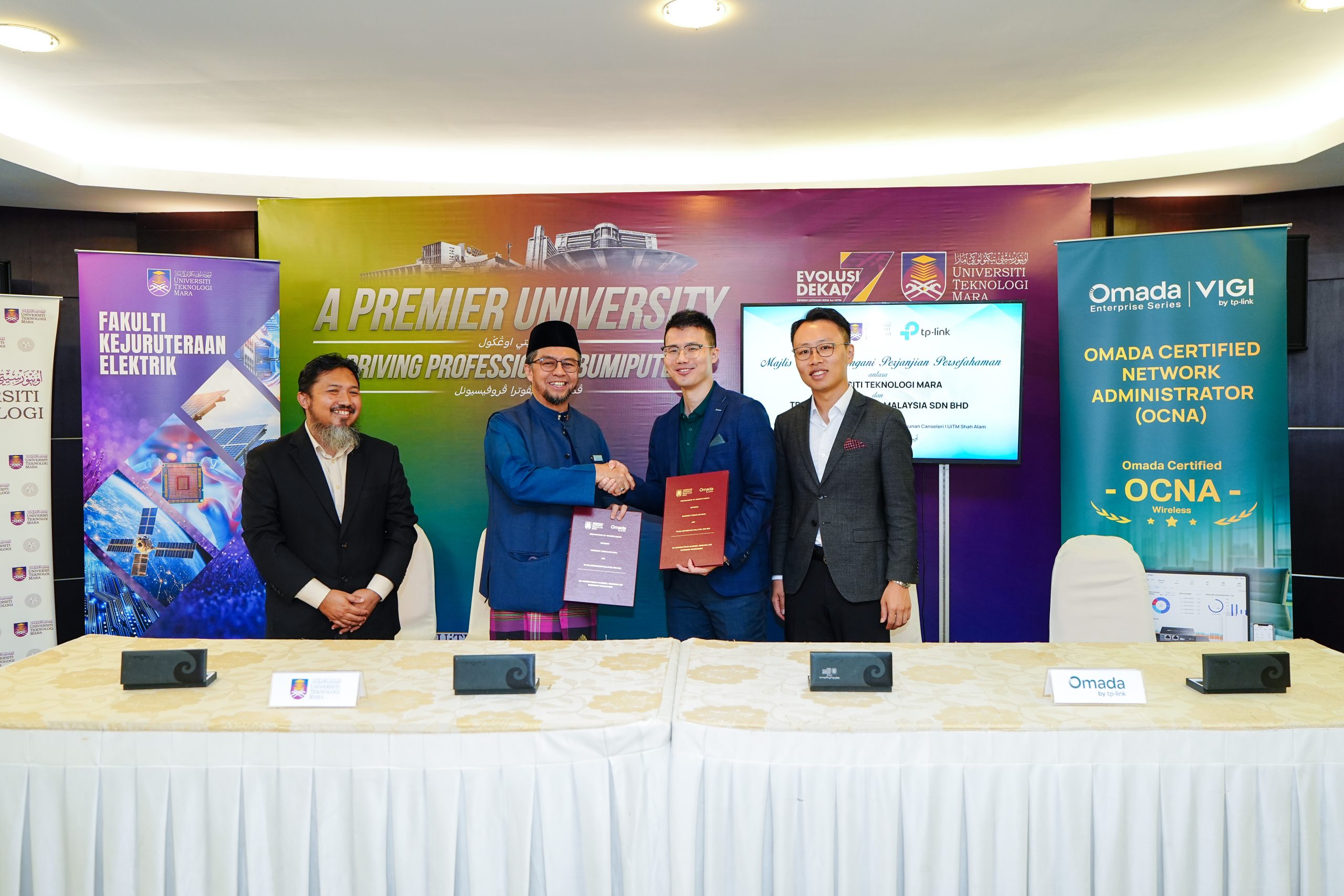
    TP-Link Distribution Malaysia Sdn. Bhd. (TP-Link Malaysia) dan Universiti Teknologi MARA (UiTM) telah menandatangani Memorandum Persefahaman (MoU) strategik bagi memperkasa pelajar dengan kemahiran perangkaian yang selaras dengan keperluan industri, pengalaman perusahaan secara praktikal serta pensijilan yang diiktiraf di peringkat global.

    Kerjasama selama tiga tahun ini dirangka untuk merapatkan jurang antara pembelajaran akademik dan keperluan sebenar industri. Melalui inisiatif ini, pelajar UiTM berpeluang menamatkan pengajian dengan kebolehan praktikal yang sejajar dengan keperluan semasa industri, sekali gus mengukuhkan kolaborasi antara sektor akademia dan industri.

    Sebagai teras utama kerjasama, penyelesaian rangkaian perusahaan Omada oleh TP-Link akan dilaksanakan di makmal UiTM bagi memberi pendedahan langsung kepada pelajar terhadap infrastruktur yang digunakan dalam persekitaran perniagaan sebenar. Inisiatif ini turut disokong oleh program latihan berstruktur, bengkel teknikal serta akses kepada laluan pensijilan Omada Certified Network Administrator (OCNA).

    Pelajar juga akan mendapat manfaat daripada peluang latihan industri dan penempatan praktikal bersama TP-Link, sekali gus membuka laluan yang lebih jelas daripada dunia akademik ke alam pekerjaan dalam ekonomi digital Malaysia yang semakin pesat berkembang.

    Kerjasama ini turut dibina berasaskan kejayaan inisiatif terdahulu antara TP-Link Malaysia dan Universiti Malaya, di mana lebih 500 pelajar telah menyertai program pensijilan pada tahun 2025, sekali gus mencerminkan permintaan tinggi terhadap kemahiran dan pensijilan rangkaian yang relevan dengan industri.

    Pengarah Serantau TP-Link Distribution Malaysia Sdn. Bhd., Hugo Cai, berkata bahawa merentasi pelbagai industri, organisasi kini sedang memperluas infrastruktur digital mereka, namun masih berdepan kekurangan tenaga profesional yang memiliki kepakaran dalam rangkaian perusahaan. Beliau menegaskan bahawa kerjasama ini memberi tumpuan kepada usaha merapatkan jurang tersebut dengan melengkapkan pelajar dengan kemahiran praktikal yang disokong pensijilan serta relevan dengan keperluan industri sejak awal kerjaya mereka.

    Sementara itu, Naib Canselor Universiti Teknologi MARA, Prof. Datuk Ts. Dr. Shahrin Sahib @ Sahibuddin, menekankan kepentingan melahirkan graduan yang bukan sahaja kukuh dari segi akademik, tetapi juga memiliki kemahiran praktikal yang relevan dengan perkembangan pesat landskap digital. Menurut beliau, kerjasama seperti ini membolehkan program pengajian diselaraskan dengan kemajuan teknologi serta jangkaan industri semasa.

    Selain pembangunan bakat, kedua-dua pihak turut akan meneroka peluang kerjasama dalam bidang penyelidikan, perundingan serta pertukaran pengetahuan, sekali gus memperkukuh hubungan antara jurutera TP-Link dan ahli fakulti UiTM.

    Seiring dengan usaha Malaysia memperkukuh aspirasi ekonomi digital, inisiatif yang menghubungkan pendidikan secara langsung dengan keperluan industri ini dijangka memainkan peranan penting dalam memastikan negara kekal berdaya saing dalam membangunkan serta mengekalkan infrastruktur digital moden.

    Untuk maklumat lanjut mengenai penyelesaian rangkaian perusahaan Omada oleh TP-Link, sila layari laman web rasmi mereka.

  • Mega Raya ANSARA 2026: Platform Memperkasa Ekosistem Alumni MRSM ke Arah Pembangunan Negara

    Mega Raya ANSARA 2026: Platform Memperkasa Ekosistem Alumni MRSM ke Arah Pembangunan Negara

    Persatuan Bekas Pelajar MRSM Malaysia (ANSARA Malaysia) dengan bangganya menganjurkan Mega Raya ANSARA 2026 (MR2026), iaitu salah satu acara perdana tahunan yang menghimpunkan ribuan alumni Maktab Rendah Sains MARA (MRSM) daripada pelbagai generasi di seluruh negara.

    Bertemakan Busana Klasik Melayu, penganjuran tahun ini bukan sekadar sebuah majlis sambutan Aidilfitri, malah berfungsi sebagai platform strategik untuk memperkukuh ekosistem alumni melalui empat tonggak utama iaitu silaturahim, penghargaan, jaringan strategik dan inovasi.

    Majlis ini turut mendapat sokongan padu daripada sektor korporat melalui ANSARA Business Community serta rakan penaja daripada pelbagai industri termasuk perbankan, telekomunikasi, makanan dan minuman (F&B) serta automotif. Kemuncak acara akan menyaksikan pertukaran Memorandum Persefahaman (MoU) antara ANSARA Malaysia dengan beberapa entiti korporat dan akademik, termasuk rakan strategik seperti Islamic Relief Malaysia, Premier Integrated Labs, Sunway Medical Centre, Al-Ikhsan Sports Sdn Bhd dan Authenteqa Sdn Bhd.

    Kerjasama strategik ini akan memberi fokus kepada pembangunan kerjaya melalui program latihan industri untuk graduan muda MRSM, inisiatif sosioekonomi seperti pembiayaan perniagaan khas untuk ahli, serta pengukuhan bidang pendidikan melalui penyelidikan dan pemberian biasiswa kepada anak-anak ahli ANSARA.

    Majlis yang dihadiri antara 1,000 hingga 1,500 tetamu ini turut akan diserikan dengan kehadiran Ketua Setiausaha Negara (KSN) selaku Tetamu Kehormat, Ketua Pengarah MARA serta barisan pengurusan tertinggi MARA. Turut hadir ialah tokoh-tokoh alumni yang kini memegang jawatan penting dalam kerajaan, syarikat berkaitan kerajaan (GLC) dan sektor korporat, selain bekas guru serta pesara MRSM yang akan diraikan secara istimewa.

    Antara pengisian utama majlis termasuk sesi rangkaian profesional serta pembentangan Takwim ANSARA 2026/2027 oleh Presiden ANSARA Malaysia sebagai hala tuju organisasi bagi sesi akan datang. Majlis turut akan diserikan dengan persembahan istimewa oleh artis tersohor, Imran Ajmain, yang bakal menyemarakkan suasana nostalgia Aidilfitri.

    Presiden ANSARA Malaysia menegaskan bahawa penganjuran Mega Raya ANSARA 2026 bukan sekadar sebuah jamuan, sebaliknya merupakan manifestasi kekuatan jaringan alumni MRSM dalam menyumbang kepada pembangunan negara serta kelestarian institusi MARA.

    Ditubuhkan sebagai wadah penyatuan bekas pelajar MRSM, ANSARA Malaysia kini berkembang menjadi organisasi alumni yang dinamik dengan keahlian mencecah puluhan ribu di seluruh negara. ANSARA kekal komited sebagai jambatan antara alumni dan MARA, penggerak modal insan serta peneraju dalam aktiviti kesukarelawanan dan pembangunan ekonomi Bumiputera.

    Disediakan oleh:
    Sekretariat Mega Raya ANSARA 2026
    ANSARA Malaysia

    Untuk maklumat lanjut, sila hubungi:
    Cipot
    019-279 4499

  • Workplace Happiness in Malaysia at 70%, but Stress and Burnout Persist

    Workplace Happiness in Malaysia at 70%, but Stress and Burnout Persist

    Most workers in Malaysia report feeling happy at work, but that optimism comes with important caveats employers should not overlook. According to Jobstreet by SEEK’s latest Workplace Happiness Index, 70% of Malaysian workers say they feel somewhat or extremely happy in their jobs, yet far fewer are comfortable with the pressures that come with their roles. While a similar majority feel valued and 68% find their work fulfilling, underlying stress and burnout continue to shape the overall employee experience.

    The Workplace Happiness Index is based on responses from around 1,000 individuals aged 18 to 64 who are currently part of the workforce in Malaysia. The study offers a comprehensive snapshot of how employees feel about their jobs today, providing valuable insights for employers, HR leaders, and policymakers looking to build more positive and productive workplaces. These findings come against the backdrop of a relatively strong labour market, with steady job opportunities and low unemployment. However, beneath the surface, three in ten workers feel either unhappy or neutral about their work, highlighting clear room for improvement.

    For many Malaysians, workplace happiness is rooted in the fundamentals of daily work. Employees report being happiest with where they work (69%), who they work with (65%), and what they do on a day-to-day basis (65%). Predictable routines, supportive colleagues, and meaningful responsibilities contribute to a sense of control and ownership, which consistently underpin positive workplace experiences.

    Despite generally positive sentiment, stress and burnout have emerged as significant concerns. Only 36% of workers are satisfied with their stress levels, while 41% say they feel burnt out or exhausted by their jobs. Burnout is closely linked to workplace dissatisfaction, with unhappy workers being twice as likely to report feeling burnt out compared to those who are happy. Among those who are unhappy, 71% say that improving work-life balance would increase their happiness, second only to higher pay. This underscores a pressing reality: unmanaged stress and burnout can negatively affect wellbeing, absenteeism, and long-term productivity.

    According to Nicholas Lam, Managing Director at Jobstreet by SEEK Malaysia, while it is encouraging that 70% of workers feel happy, a significant proportion still feel disengaged, burnt out, or unsupported. He emphasised that although salary remains important, a sense of purpose is what truly sustains workplace happiness. The research shows that 64% of Malaysian workers are satisfied with the sense of purpose they derive from their work, reinforcing the strong link between meaningful work and overall job satisfaction. While competitive pay plays a key role in attracting and retaining talent, workplace happiness is more likely to thrive when employees feel their contributions are meaningful and connected to a larger purpose.

    Lam added that workplace happiness in Malaysia is a shared responsibility. When employers invest in purpose-driven roles, supportive cultures, and actively listen to the diverse needs of their workforce, the impact is tangible in the form of higher engagement, productivity, and retention. Ultimately, building happier workplaces is not only beneficial for employees but is also critical for long-term business success.

    Workplace happiness also varies across generations. Gen Z employees tend to report lower levels of happiness and higher stress as they navigate early career pressures, skill development, and the need to prove themselves. They are more likely to say that reducing stress would significantly improve their happiness (40%), compared to 35% of Millennials and 27% of Gen X workers. Industry differences further shape workplace experiences, with Professional Services and Construction sectors reporting the highest levels of happiness at 78%, while the Public Sector (62%), Industrial (61%), and Retail, Hospitality and Sports (55%) sectors rank lower, reflecting ongoing challenges related to workload, recognition, and flexibility.

    To strengthen workplace happiness in the year ahead, Jobstreet by SEEK encourages employers to focus on fostering a stronger sense of purpose by clearly linking employees’ daily responsibilities to broader organisational goals and values, building positive and supportive workplace cultures that help reduce stress and burnout, and recognising the differing needs across generations by tailoring approaches to suit various life and career stages. The full Workplace Happiness Index: Malaysia report is available for download.

  • Moratorium Pinjaman Bersasar Wajar Dipertimbang Bagi Ringankan Beban Rakyat

    Dalam keadaan ketidaktentuan geopolitik global yang memberi tekanan kepada ekonomi negara, ramai rakyat kini berdepan cabaran dalam mengurus perbelanjaan harian serta komitmen kewangan sedia ada. Situasi ini secara langsung menjejaskan aliran tunai isi rumah dan keupayaan mereka untuk berbelanja dengan lebih yakin.

    Sehubungan itu, KEADILAN Putrajaya berpandangan bahawa kerajaan wajar mempertimbangkan semula pelaksanaan moratorium pinjaman bank secara bersasar sebagai langkah segera bagi membantu meringankan beban rakyat. Moratorium bukanlah penghapusan hutang, sebaliknya merupakan penangguhan bayaran komitmen kewangan yang dapat memberi ruang kepada isi rumah untuk menyusun semula keutamaan perbelanjaan mereka.

    Dalam tempoh tersebut, lebihan tunai yang tersedia boleh dimanfaatkan untuk keperluan asas, sekali gus memberikan kelegaan kepada rakyat dalam mengurus kehidupan seharian. Pada masa yang sama, langkah ini berpotensi meningkatkan semula kuasa beli rakyat. Apabila aliran tunai bertambah, perbelanjaan domestik turut dirangsang dan seterusnya memberi manfaat kepada perniagaan tempatan, khususnya perusahaan kecil dan sederhana. Kesan berganda ini penting bagi memastikan ekonomi domestik terus kekal aktif dan berdaya tahan.

    Walau bagaimanapun, pelaksanaan moratorium perlu dirangka dengan teliti dan dilaksanakan secara bersasar. Keutamaan harus diberikan kepada golongan yang benar-benar memerlukan, termasuk kumpulan B40 dan sebahagian M40 yang terjejas. Pendekatan menyeluruh secara pukal wajar dielakkan bagi memastikan keseimbangan antara membantu rakyat dan mengekalkan kestabilan sistem kewangan negara. Pendekatan ini juga selari dengan peranan kerajaan sebagai penstabil ekonomi yang bertanggungjawab, di mana intervensi bersasar mampu memberi impak yang lebih menyeluruh jika dilaksanakan secara berhemah.

    Pada masa yang sama, kerjasama erat dengan Bank Negara Malaysia serta institusi kewangan adalah penting bagi memastikan pelaksanaan dasar ini tidak menjejaskan keutuhan sistem perbankan negara. Pendekatan yang pragmatik dan tersusun diyakini mampu memberikan kelegaan kepada rakyat, di samping membantu merangsang semula aktiviti ekonomi domestik secara lebih mampan.

  • Empowering Wellness: Responsible Supplement Use in Malaysia

    Empowering Wellness: Responsible Supplement Use in Malaysia

    Consumers today are more aware than ever of the importance of maintaining good health and preventing illness. Preventive healthcare has become a priority in the Asia Pacific region, with 92% of respondents acknowledging its significance for overall well-being, and an even higher 95% in Malaysia, according to a recent Herbalife study.

    Dr. Alex Teo, Director of Research Development and Scientific Affairs, Asia Pacific at Herbalife, explained that many individuals are taking proactive steps to improve their health, including making healthier food choices, exercising regularly, and taking dietary supplements. Supplements are increasingly seen as a tool to support general health, boost immunity, and help individuals achieve their wellness goals, often recommended by doctors, nutritionists, healthcare providers, and peers.

    Herbalife’s survey of 9,000 consumers across 11 markets in May 2025 found that two in five Malaysians take supplements regularly. However, only 65% of respondents felt confident in making responsible supplement choices. Responsible supplementation requires a clear understanding of product ingredients, quality, recommended dosages, upper intake limits, and potential interactions with other supplements or medications. Without this knowledge, consumers may struggle to gain the full benefits of supplementation or to use it safely as part of preventive healthcare.

    The study also highlighted knowledge gaps across age groups. Many consumers are unclear on how to take supplements safely and effectively, particularly when combining multiple products. Among Malaysian participants, 24% were unaware of the risks of over-consuming supplements. Boomer respondents were the least concerned and least confident in their supplement decisions, with only 42% expressing confidence. In contrast, Gen Z respondents were the most confident (58%) and the most committed to making informed supplement choices (47%).

    Another concern is consumers’ understanding of supplement-medication interactions. For example, St. John’s Wort can reduce the effectiveness of medications such as warfarin or certain statins, while excessive calcium intake can cause hypercalcemia, potentially weakening bones and increasing the risk of kidney stones. Herbalife’s survey revealed that 59% of Malaysian respondents were unaware of daily calcium limits, and 74% did not know the effects of over-consuming it.

    Malaysians recognize their own role in responsible supplementation, with 84% acknowledging the importance of making informed decisions. However, the responsibility is shared. Consumers must seek accurate information and guidance, healthcare professionals need to provide science-based advice, and supplement providers must ensure clear labeling, transparency, and quality control. Stringent safety and efficacy standards are essential to building trust in supplements.

    Herbalife’s findings underline that supplements play a key role in supporting health and wellness, highlighting the need for proper consumption and guidance. To promote better health outcomes, supplement providers should collaborate closely with consumers, offer evidence-based insights, and educate the public on safe practices. By empowering consumers to make informed choices, responsible supplementation can become a sustainable part of daily life, helping people across the region maintain their health and well-being for the long term.

  • Herbalife Acquires Bioniq to Boost Personalized Nutrition Worldwide

    Herbalife Acquires Bioniq to Boost Personalized Nutrition Worldwide

    Herbalife Ltd. (NYSE: HLF), a leading health and wellness company, community, and platform, has announced an agreement to acquire certain assets from Bioniq, a UK-based personalized supplements company focused on making health more accessible and actionable. This acquisition supports Herbalife’s vision of evolving into a technology-enabled, data-driven health and wellness platform.

    “Health and wellness are increasingly becoming personalized and guided by data,” said Herbalife Chief Executive Officer Stephan Gratziani. “By combining Bioniq’s personalized supplement technology with Pro2col and leveraging our global distributor network, we are expanding our ability to deliver personalized wellness solutions on a global scale.”

    Chief Executive Officer of Herbalife, Stephan Gratziani [left] and Vadim Fedotov, Founder and President of Bioniq [right].

    Bioniq develops personalized supplement formulas using its patented product personalization engine, an individual’s health background, and a proprietary database of biomarkers. These formulations are designed to meet the needs of a wide range of individuals, from everyday wellness consumers to elite athletes, including Cristiano Ronaldo.

    The acquisition of Bioniq complements Herbalife’s prior acquisitions of Pro2col and Link BioSciences, allowing the company to offer a broader range of personalized nutritional supplements in multiple delivery formats. Combined with Herbalife’s global manufacturing expertise, this will enable the company to expand personalized nutrition efficiently and at scale.

    “I founded Bioniq in 2019 with the goal of helping people optimize their wellbeing through a science-driven approach to nutrition that integrates biomarker and lifestyle data,” said Vadim Fedotov, Founder and President of Bioniq. “Joining Herbalife, with its global distributor network and commitment to wellness at scale, is an exciting step forward for us.”

    As a long-time global nutrition partner of Herbalife and a shareholder of Bioniq, Cristiano Ronaldo shares the vision of accelerating access to personalized nutritional supplements through Herbalife’s global distribution network. “Biometrics and personalized nutrition have been central to helping me perform at the highest level,” said Ronaldo. “Having used both Herbalife and Bioniq products, I know how tailored nutrition can optimize performance. I am thrilled that Bioniq’s personalized supplements will now reach more people worldwide through Herbalife.”

    The transaction is expected to close in the second quarter of 2026, subject to customary closing conditions and regulatory approvals. The USD55 million purchase price will be paid over five years, including an initial USD10 million payment at closing, with up to USD95 million in contingent payments tied to future performance.

    As part of the deal, Herbalife also obtained a call option to acquire Bioniq LAB, a platform focused on small molecules and peptides, providing strategic flexibility for potential long-term opportunities in a capital-efficient manner. Bioniq’s personalized nutritional supplements are expected to be offered later this year through Herbalife independent distributors in select European and U.S. markets, with additional regions to follow.

    For more information, visit www.herbalife.com.

  • Nestlé Malaysia Celebrates Ramadan by Supporting 300,000+ Malaysians

    Nestlé Malaysia Celebrates Ramadan by Supporting 300,000+ Malaysians

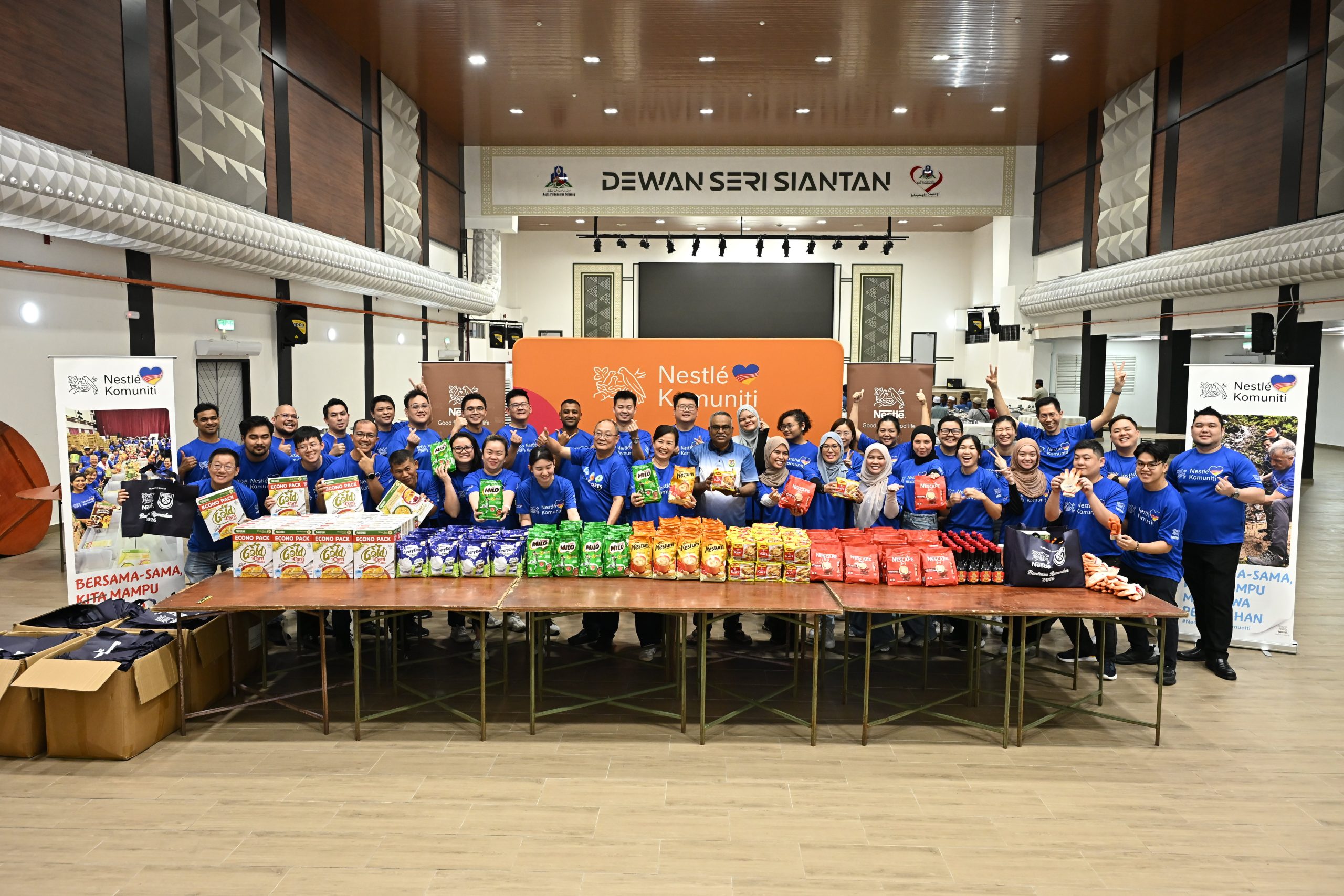
    In the spirit of Ramadan, a month defined by compassion, unity, and generosity, Nestlé Malaysia brought these values to life through its “Ramadan Penuh Bermakna bersama Nestlé” programme, ensuring underprivileged communities nationwide had access to nourishing meals and essential food items during the holy month. Through close collaboration with local religious authorities, NGOs, media partners, and universities, Nestlé Malaysia’s efforts reached over 300,000 beneficiaries, supported by approximately RM2 million worth of food aid.

    Juan Aranols, Chief Executive Officer of Nestlé Malaysia, said, “The month of Ramadan calls on all of us to care for one another. In line with our ongoing efforts to uplift Malaysians, we are committed to easing the burden of underserved communities who may face additional challenges during this period. Through ‘Ramadan Penuh Bermakna bersama Nestlé,’ we work hand in hand with our partners and mobilise our Nestlé Sayang Komuniti employee volunteers to ensure that nourishing food reaches those who need it most, reflecting our promise of Good Food, Good Life.”

    Central to this year’s nationwide outreach was the packing and distribution of more than 15,000 Bakul Ramadan, alongside provisions for iftar and the nationwide distribution of MAGGI Bubur Lambuk. Working with various partners, Nestlé delivered essential products including MILO, MAGGI, NESCAFÉ, EVERYDAY Milk, NESTUM, NESTLÉ GOLD Cornflakes, and MAGGI to help families stay nourished throughout the fasting month.

    A key partner in these efforts was the Department of Islamic Development Malaysia (JAKIM), which helped distribute 1,500 Bakul Ramadan to vulnerable communities across the Klang Valley and other regions, including Tanjung Malim and Hulu Selangor. Nestlé also supported JAKIM’s Iftar MADANI programme by providing beverage sampling for breaking fast and contributed a two-week supply of NESCAFÉ and MILO products to 70 mosques, including those under JAKIM and six State Religious Authorities, benefiting nearly 40,000 mosque community members.

    Nestlé Malaysia also collaborated with media organisations to extend aid to the urban poor, East Coast communities, and charitable foundations supporting the homeless, indigenous children, and orphanages. Partnerships with PRESMA and Ali Maju further expanded outreach, enabling support for an additional 3,500 Ramadan Relief packages. Beyond these efforts, the company provided targeted community support through product contributions and financial aid via Malaysian Humanitarian Aid and Relief (MAHAR), benefitting 500 refugee households, and engaged in gotong-royong activities, including providing a year’s worth of food support to an orphanage in collaboration with the Selangor Youth Community (SAY).

    In addition to food aid, Nestlé continued its cherished tradition of preparing and sharing MAGGI Bubur Lambuk, reaching over 400,000 individuals across more than 300 locations nationwide, including zakat-eligible students at UiTM, UMT, and UMK. The initiative brought together Nestlé Sayang Komuniti volunteers and university students in meaningful gotong-royong efforts, strengthening the spirit of volunteerism among youth.

    With a longstanding presence in Malaysia since 1912, Nestlé remains committed to creating a positive impact in the communities it serves. Through “Ramadan Penuh Bermakna bersama Nestlé,” the company continues to uphold its promise of Good Food, Good Life, ensuring that care, generosity, and togetherness remain at the heart of every Ramadan.

  • Workers in Southeast Asia Worry More About AI Dependence Than Losing Jobs

    A new study by Milieu Insight, surveying 3,000 workers across six Southeast Asian markets—Singapore, Thailand, Malaysia, Indonesia, the Philippines, and Vietnam—reveals how employees perceive the risks associated with artificial intelligence (AI). Over-dependence on AI emerged as the top concern across all six markets, cited by 53% of respondents, ahead of privacy issues at 40% and job loss at 34%. While fears of job displacement remain notable, employees are increasingly questioning how AI might influence decision-making, critical thinking, and professional autonomy, highlighting unease over the potential erosion of human judgment and capabilities rather than the risk of outright replacement.

    Respondents represented a variety of organisation types, led by private large companies with 200 or more employees, followed by local SMEs and multinational corporations. They also span a diverse range of industries, including engineering, manufacturing, retail, and information technology. Across markets, the concern over AI dependency is highest in Indonesia at 61%, followed by Thailand at 55%, the Philippines at 53%, Vietnam at 50%, and Malaysia and Singapore at 49% each. In contrast, concerns about job loss rank consistently lower, suggesting that workers are more focused on maintaining their independent capabilities than fearing replacement.

    Looking ahead, 41% of respondents expect AI to assist them without replacing core tasks, using it to streamline routine work and improve efficiency. Over half (51%) said AI will help them save time on repetitive tasks, allowing them to focus on higher-value responsibilities. Meanwhile, 26% anticipate significant parts of their roles being automated, requiring adaptation to new methods, while 10% believe their jobs could be entirely replaced and another 10% expect AI to create new opportunities or responsibilities.

    Overall sentiment toward AI is largely optimistic. Forty-one percent describe themselves as somewhat optimistic, believing the benefits outweigh the risks, and 13% are very optimistic. Vietnam (66%) and Thailand (58%) record the highest optimism, while Singapore shows the highest combined pessimism at 15%. This optimism across emerging Southeast Asian markets reflects expectations that AI will drive productivity, digital innovation, and new economic opportunities.

    Despite strong interest in AI adoption, readiness gaps remain. Data security and privacy concerns are the most cited barrier, followed by lack of technical skills, cost, and employee resistance. Digital infrastructure gaps are more pronounced in Thailand and Indonesia than in Malaysia and Singapore, reflecting varying organisational maturity. Only a small proportion of respondents report that their organisations are fully prepared with strategies, resources, and training, while most describe themselves as only somewhat prepared. Active encouragement from employers to use AI is limited, ranging from 25% in Singapore to 38% in Vietnam.

    This gap between enthusiasm for AI and organisational readiness highlights a broader challenge in the region. While businesses recognise AI’s potential, many are still in the early stages of building governance, training, and infrastructure needed to support widespread adoption. Sundip Chahal, Group CEO of Milieu Insight, explained that workers are not just worried about being replaced but are concerned about becoming overly reliant on AI at the expense of judgment, capability, and independent thinking. He emphasised that while the workforce is open to AI, organisations must focus on providing the right training, guardrails, and disciplines to ensure it is used responsibly and effectively.