Vivo Malaysia is bringing the vivo V80 Lite 5G First Sale Power Roadshow to IOI City Mall Putrajaya this Saturday,…
Read More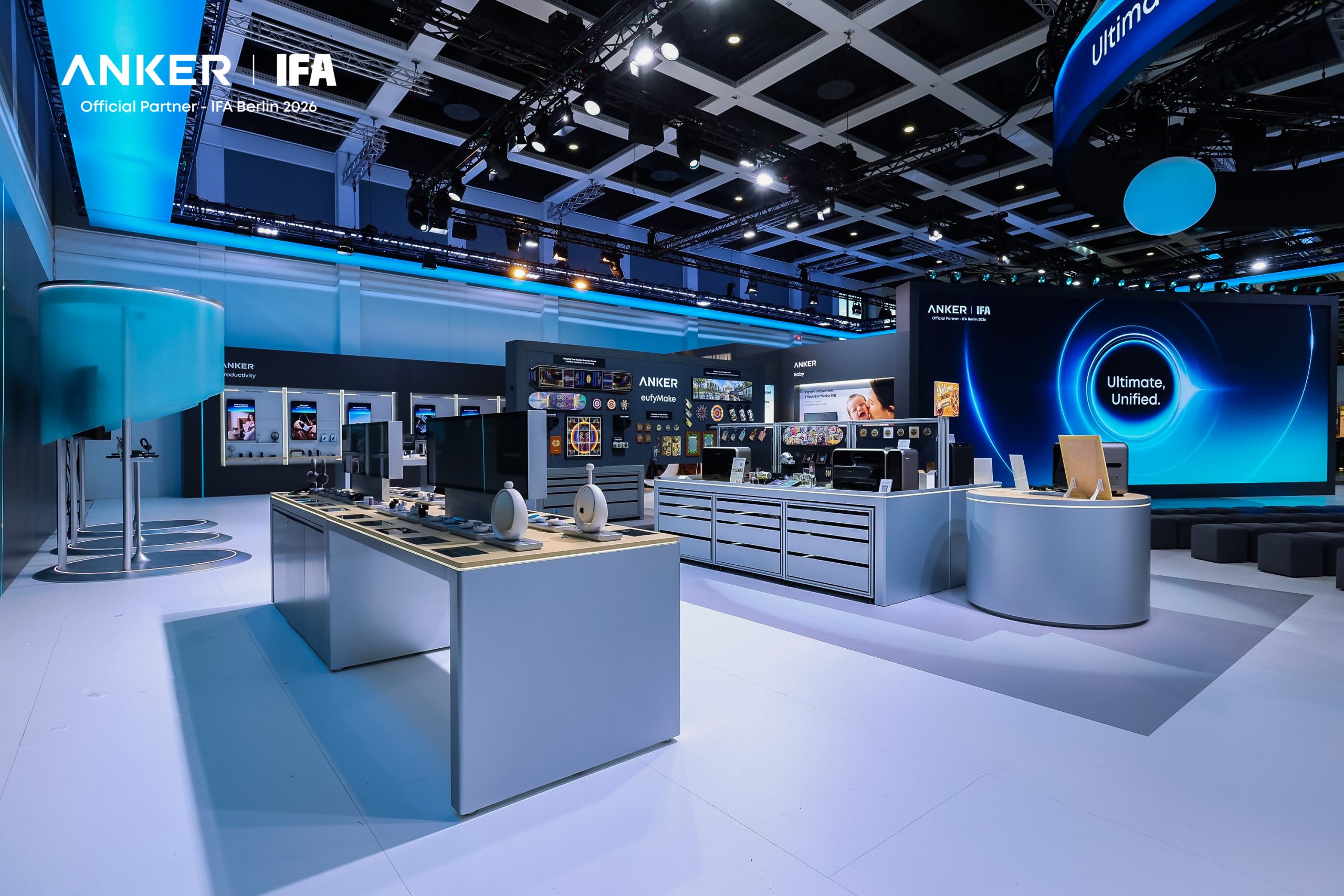
Anker Strengthens Technology Ecosystem With New Unified Brand Vision
Anker Innovations is entering a new phase of growth with the consolidation of its five major brands under a single…
Read More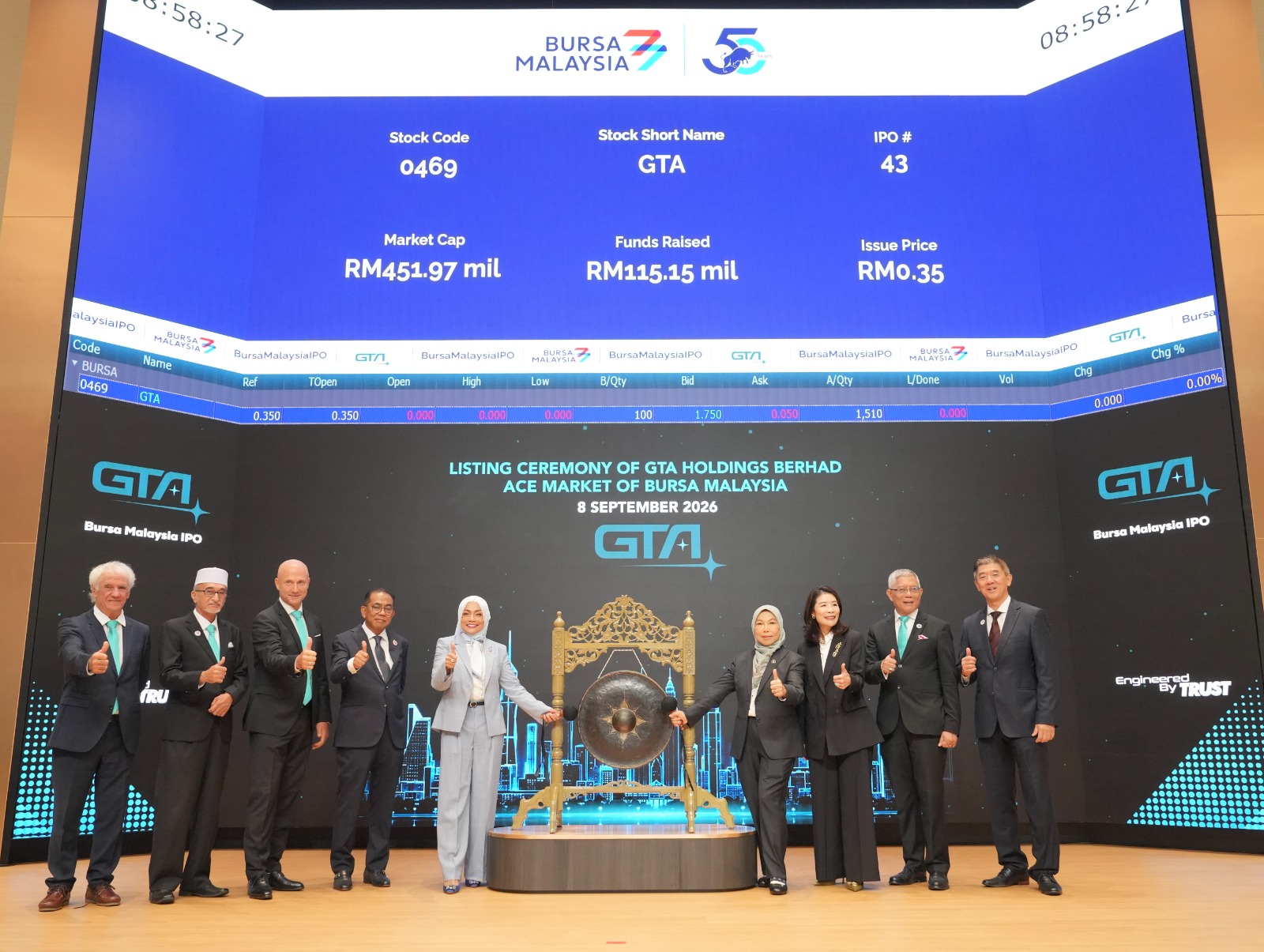
GTA Holdings Berhad Debut Di Bursa Malaysia Dengan Harga Pembukaan RM0.35 Sesaham
KUALA LUMPUR, 8 September 2026 – GTA Holdings Berhad (“GTA” atau “Syarikat”), sebuah syarikat pegangan pelaburan yang anak syarikatnya terlibat…
Read More
SCIB Perluas Operasi Sabah Melalui Pelaburan Aset Strategik Di Kota Kinabalu
Sarawak Consolidated Industries Berhad (SCIB) terus memperkukuhkan kedudukannya di Sabah menerusi langkah pengambilalihan aset strategik di Kolombong, Kota Kinabalu bernilai…
Read More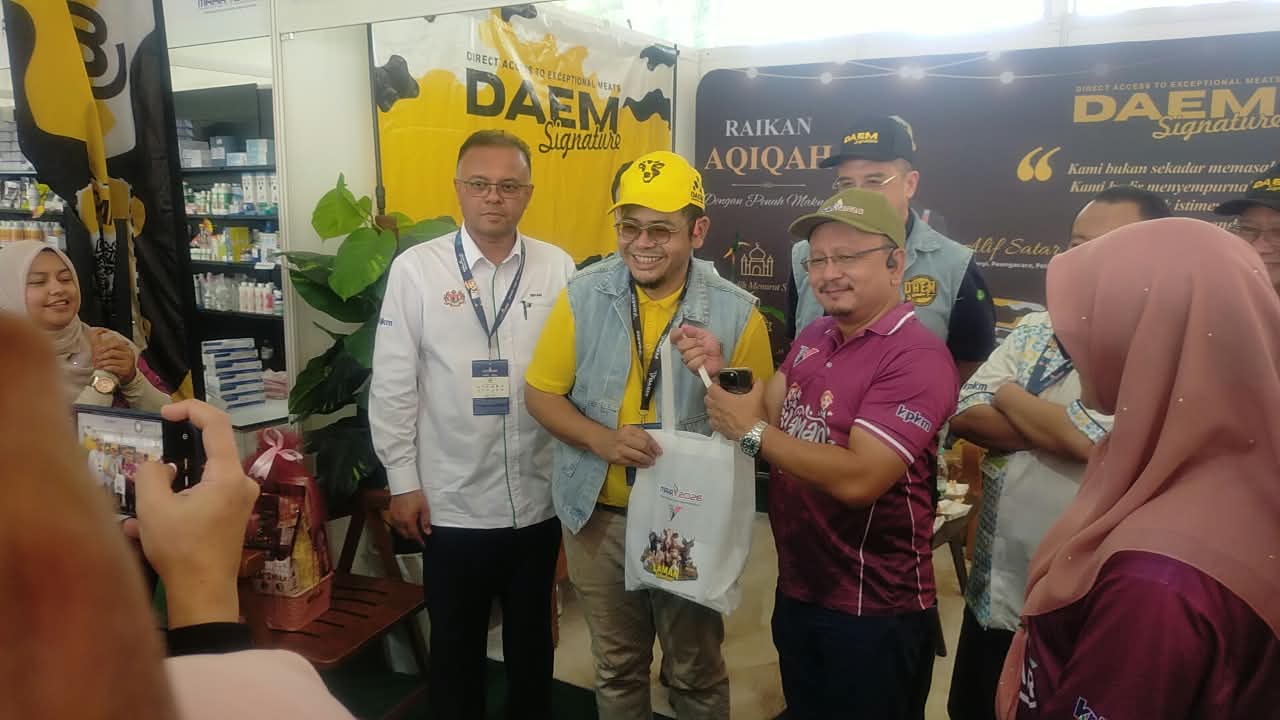
DAEM Lancar IMAN, Sistem Tempahan Daging Berasaskan AI Menerusi WhatsApp
SERDANG, 5 September – Ketua Setiausaha Negara, YBhg. Tan Sri Shamsul Azri bin Abu Bakar, hari ini menyempurnakan peluncuran IMAN…
Read MoreMaxim Malaysia Embraces Independence Month 2026 with Meaningful Community and Inclusive Activities
Maxim Malaysia used the 2026 Merdeka season to strengthen its connection with local communities through initiatives focused on inclusion, community…
Read More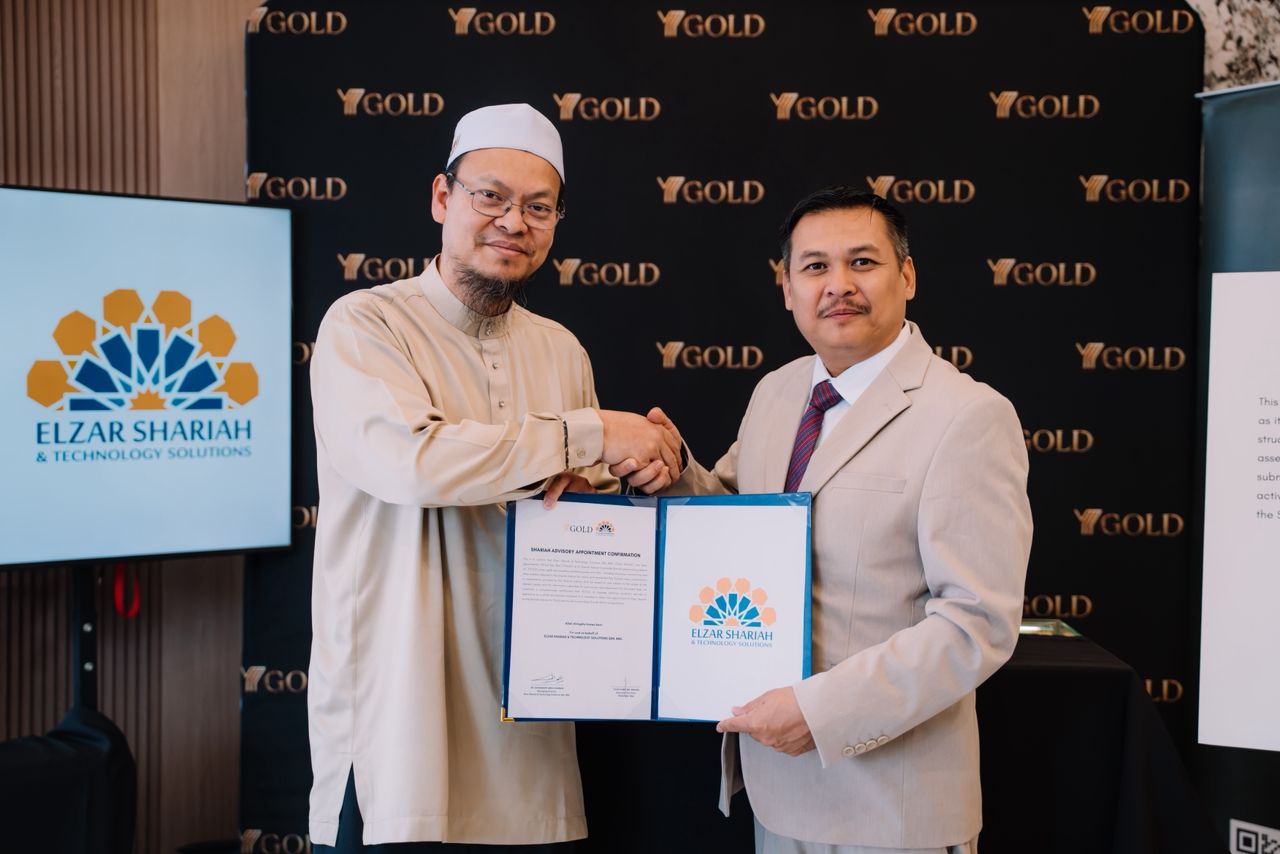
Dr Haji Zaharudin Abd Rahman Dilantik Penasihat Syariah YGold
YGold Sdn Bhd terus memperkukuh komitmennya terhadap pematuhan Syariah dalam urus niaga emas apabila melantik Pengarah Urusan Elzar Shariah &…
Read More
Killa Driz dan ChronicalZ Bergabung Dalam “STUNTMAN”
Killa Driz kembali dengan single baharu berjudul “STUNTMAN”, sebuah karya penuh tenaga yang menampilkan penyanyi rap ChronicalZ. Dipacu bunyi sintesis…
Read More
Prestasi Kukuh Segmen Pembiayaan Pacu Keuntungan Sunzen Pada TK2026
Sunzen Group Berhad (“Sunzen” atau “Kumpulan”), sebuah syarikat yang mempunyai portfolio pelbagai dalam produk kesihatan, peranti dan perkhidmatan perubatan serta…
Read More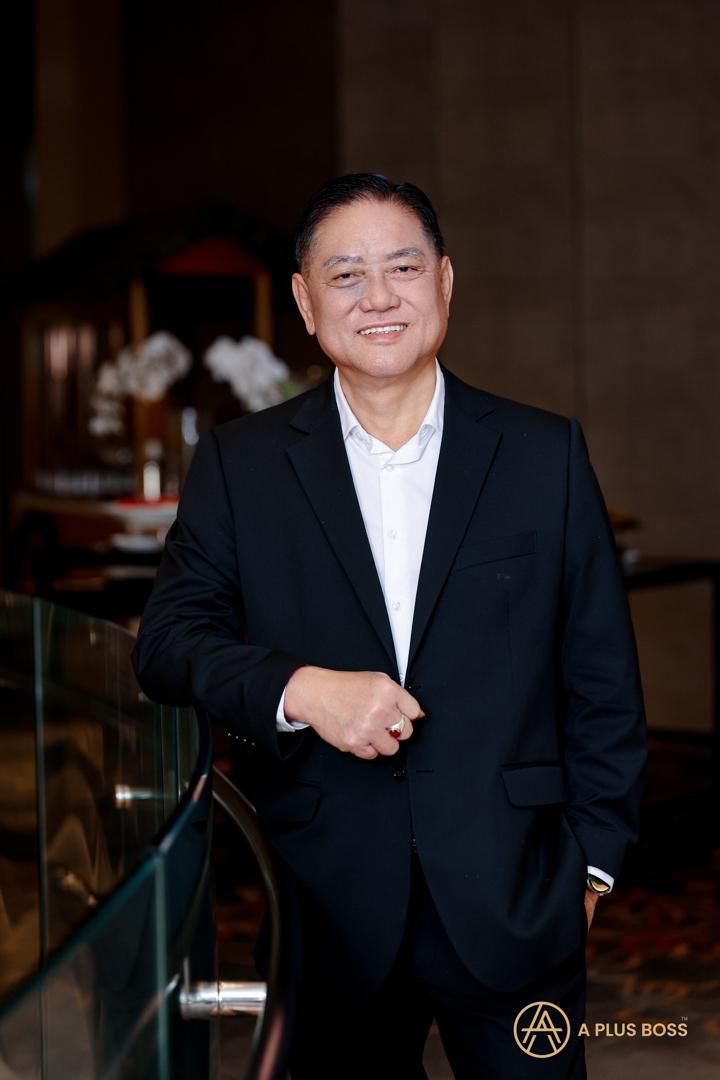
DPS Resources Rekod Keuntungan Bersih RM2.25 Juta, Segmen Perabot Jadi Pemacu Utama
DPS Resources Berhad (“DPS” atau “Syarikat”) mencatatkan prestasi kewangan yang lebih kukuh bagi suku pertama berakhir 30 Jun 2026 (“Suku…
Read More