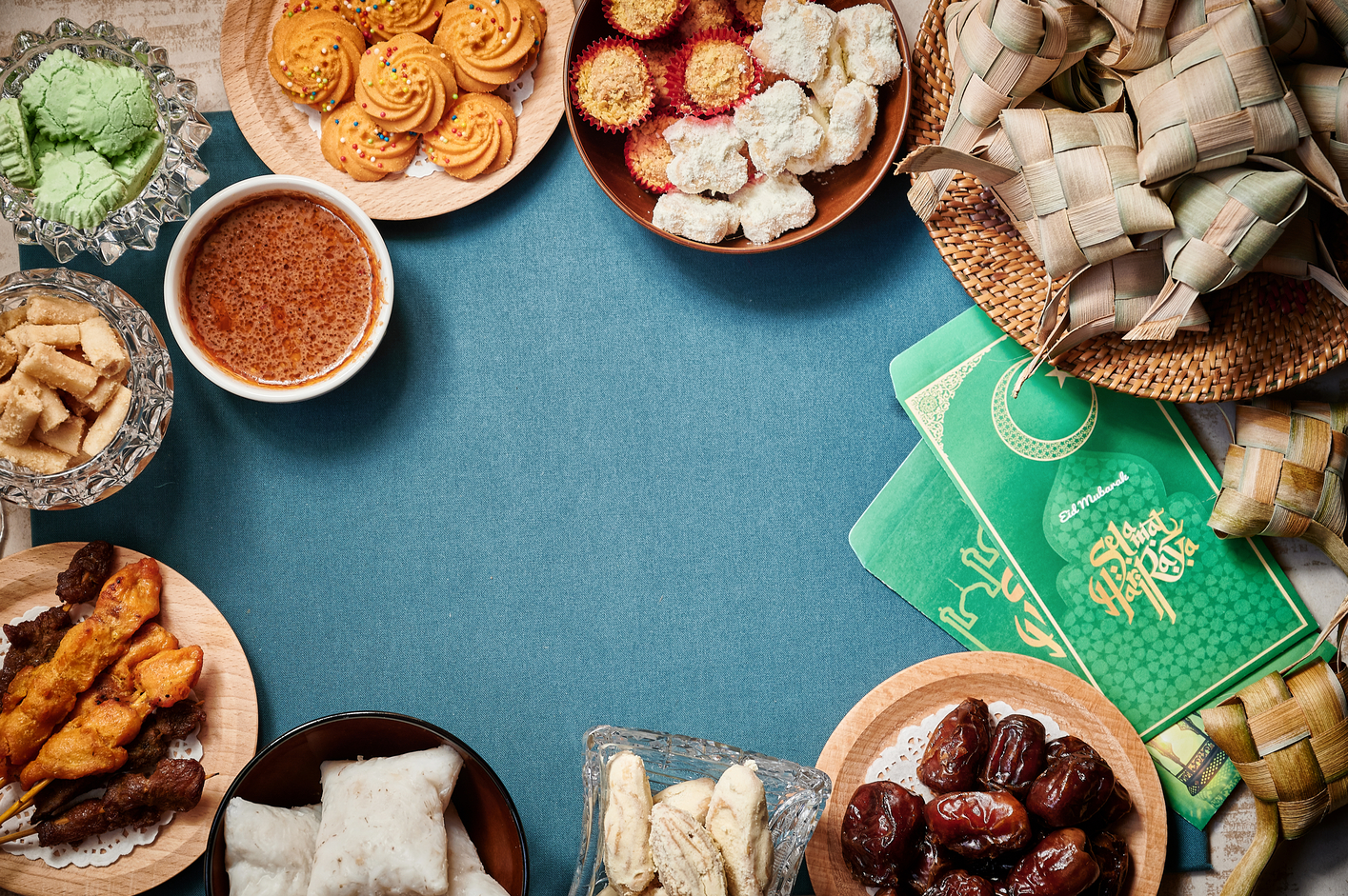
Festive seasons are often associated with joy, togetherness and the warmth of reconnecting with loved ones. In Malaysia, celebrations such as Hari Raya are also marked by generous open houses where families and friends gather to enjoy a variety of traditional dishes. Popular festive favourites including rendang, lemang, kuah kacang and an array of colourful kuih are typically served across multiple gatherings, often over several consecutive days. While such culinary traditions form an important part of the celebration, repeated indulgence in heavy meals within a short period can place considerable strain on the digestive system.
One of the most common digestive issues that arises during festive seasons is dyspepsia, more widely known as indigestion. It is estimated that between 15 and 25 percent of Malaysians experience dyspepsia, making it among the most frequent gastrointestinal complaints in the country. Symptoms may include upper abdominal bloating, early satiety, nausea, excessive belching and a burning sensation in the upper abdomen. These symptoms are often linked to how the stomach functions rather than structural abnormalities in the digestive tract.

According to consultant gastroenterologist and hepatologist Dr Deborah Chew Chia Hsin of Sunway Medical Centre Velocity, festive eating patterns can easily aggravate digestive discomfort. Dishes high in fat, such as those prepared with coconut milk, can slow the process of gastric emptying. As food remains in the stomach for a longer period, individuals may experience prolonged fullness, bloating and discomfort. Consuming large meal portions repeatedly over several days further increases pressure within the stomach, preventing it from recovering between meals.
Sweet desserts, sugary beverages and carbonated drinks may also worsen digestive symptoms by increasing gas production and stomach distension. Meanwhile, spicy foods can trigger discomfort in individuals with sensitive stomachs or conditions such as gastritis, acid reflux or functional dyspepsia. Although spicy ingredients do not necessarily damage the stomach lining, they can intensify the sensation of burning or pain for those already prone to digestive sensitivity.
Lifestyle habits during festive gatherings can further contribute to indigestion. Remaining sedentary or lying down immediately after a large meal slows digestion and increases the likelihood of acid reflux. Medical experts generally recommend waiting at least two to three hours after eating before lying down to allow the stomach sufficient time to empty.

While occasional indigestion is usually temporary, persistent symptoms should not be ignored. If discomfort lasts longer than two to three weeks or is accompanied by warning signs such as unexplained weight loss, vomiting, black stools or difficulty swallowing, medical evaluation may be necessary. Diagnostic assessments may include blood tests, Helicobacter pylori testing or upper endoscopy to determine the underlying cause.
Ultimately, prevention remains the most effective strategy. Practising portion control, pacing meals and maintaining balanced eating habits can help minimise digestive discomfort during festive celebrations. By listening to the body and avoiding excessive indulgence, individuals can enjoy the festive season while keeping their digestive health in check.