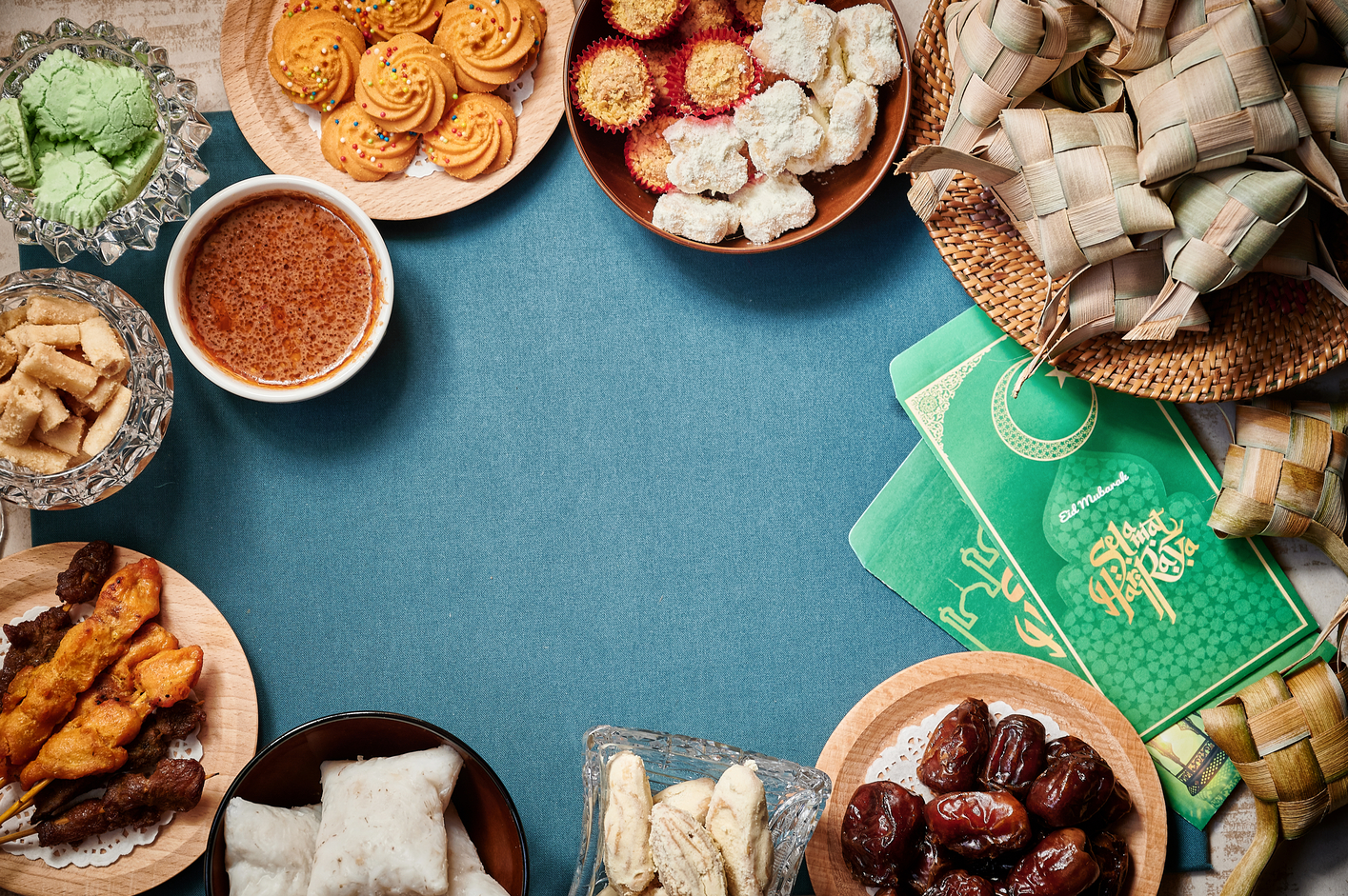
KUALA LUMPUR (10 March 2026) – Festive seasons are often associated with joy, forgiveness and togetherness, where families and friends gather for open houses and indulge in a variety of traditional dishes. From favourites like rendang and lemang to kuah kacang and an array of festive kuih, celebrations usually span several days with generous servings of rich foods. While these festive feasts are an integral part of the celebration, repeated heavy meals in a short period can place significant strain on the digestive system. One of the most common digestive complaints during this time is Dyspepsia, commonly known as indigestion, which is estimated to affect between 15 to 25 percent of Malaysians.
According to Consultant Gastroenterologist and Hepatologist Dr Deborah Chew Chia Hsin from Sunway Medical Centre Velocity, dyspepsia refers to a group of symptoms originating from the upper gastrointestinal tract. Patients often experience bloating, early satiety, nausea, excessive belching and discomfort in the upper abdomen. These symptoms may arise even when medical scans or endoscopy show no visible structural abnormalities. Dr Deborah explains that in many cases, the issue lies in how the stomach functions rather than physical damage to the digestive tract. Slower gastric emptying or increased sensitivity to stomach stretching after meals can cause individuals to feel discomfort despite normal diagnostic results.
During festive periods, doctors frequently observe an increase in patients experiencing gastric issues. The combination of large meal portions, repeated eating sessions and rich ingredients contributes to digestive strain. Dishes high in fat, particularly those prepared with coconut milk such as rendang, slow down gastric emptying and prolong the feeling of fullness. At the same time, sugary desserts and beverages increase osmotic load while carbonated drinks introduce excess gas into the stomach, further worsening bloating and discomfort. Spicy foods may also intensify symptoms for individuals with sensitive stomachs or underlying conditions such as Gastritis, Peptic Ulcer Disease and Gastroesophageal Reflux Disease.
Another factor that aggravates indigestion is lying down immediately after a heavy meal. According to Dr Deborah, remaining sedentary or going to bed soon after eating can slow digestion and increase the risk of acid reflux. This may cause burning sensations, bloating and persistent discomfort. Experts recommend waiting at least two to three hours after a meal before lying down to allow the stomach enough time to empty. Over several days of continuous feasting, the cumulative effect of large meals combined with poor post-meal habits can overwhelm the digestive system.
While occasional indigestion after a festive meal is usually temporary, persistent or worsening symptoms should not be ignored. Warning signs such as unexplained weight loss, persistent vomiting, black stools, anaemia or difficulty swallowing may require medical evaluation. Diagnostic tests may include blood tests, screening for Helicobacter pylori infection and upper endoscopy. In certain cases where symptoms remain unexplained, doctors may recommend advanced procedures such as Endoscopic Ultrasound, which combines endoscopy and ultrasound technology to provide detailed images of the digestive tract and surrounding organs.
Despite the potential digestive challenges during festive celebrations, prevention remains the most effective approach. Practising portion control, pacing meals and allowing sufficient time between heavy dishes can help reduce the risk of indigestion. Maintaining moderate eating habits, staying active after meals and listening to the body’s signals are simple yet effective ways to enjoy festive gatherings comfortably. As Dr Deborah emphasises, festive celebrations are about connection and togetherness rather than overindulgence, and mindful eating ensures that the joy of the season is not overshadowed by digestive discomfort.