Tag: #MalaysiaDigital

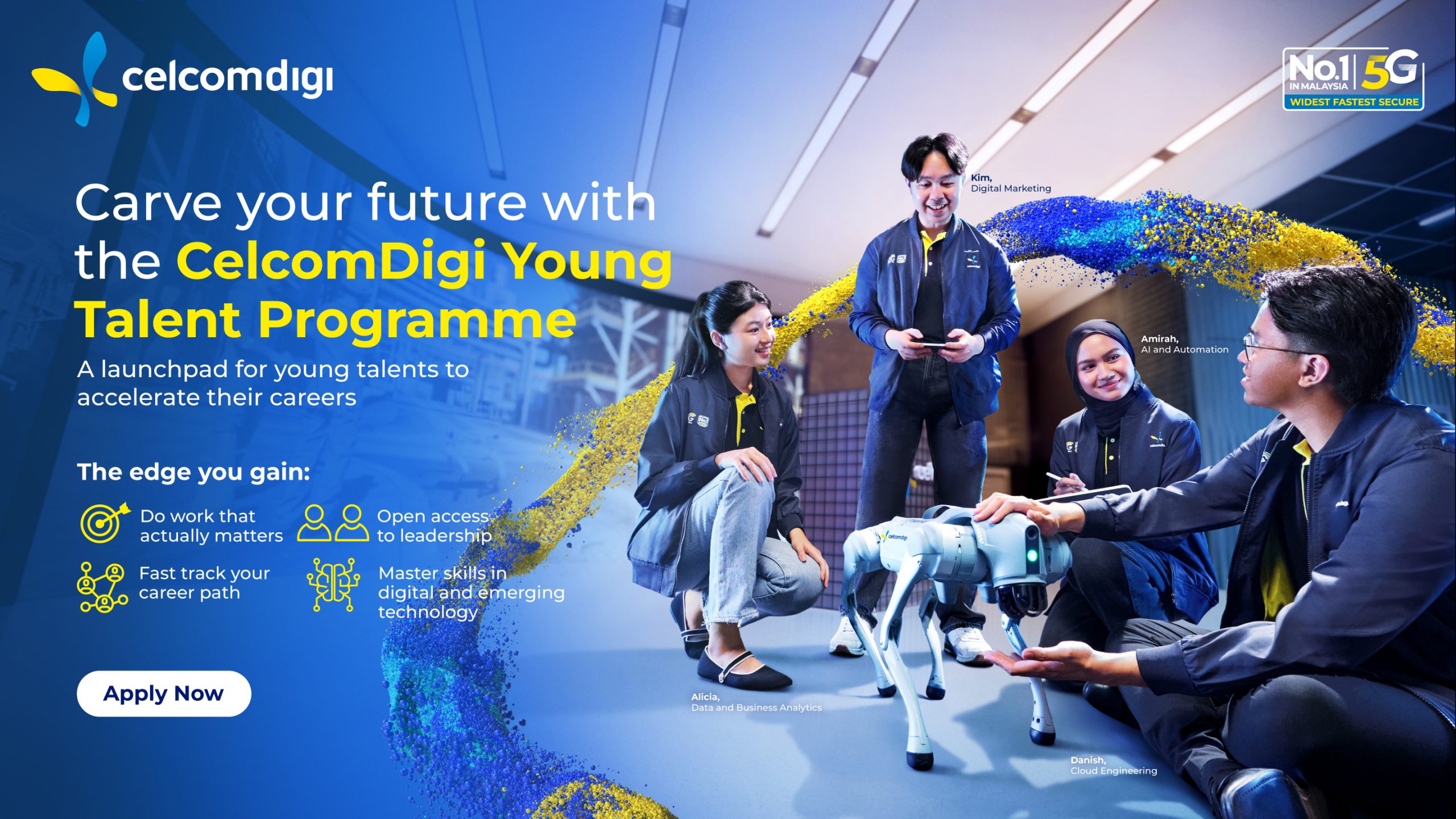
  • CelcomDigi Pelawa Graduan dan Profesional Muda Sertai Young Talent Programme

    CelcomDigi Pelawa Graduan dan Profesional Muda Sertai Young Talent Programme

    CelcomDigi Berhad (“CelcomDigi”) membuka permohonan bagi pengambilan kedua Young Talent Programme (YTP), sebuah program pecutan kerjaya berstruktur selama dua tahun yang dirangka untuk melahirkan bakat muda Malaysia berpotensi tinggi sebagai pemimpin digital generasi akan datang. Program ini merupakan sebahagian daripada komitmen CelcomDigi dalam memperkasa aspirasi digital negara menerusi pembangunan bakat yang memiliki kemahiran teknikal kukuh, pemahaman perniagaan yang mendalam serta keupayaan kepimpinan yang tinggi.

    YTP disasarkan kepada individu yang bersedia berkembang dalam persekitaran kerja yang dinamik, dipacu data dan berteraskan pelanggan, sambil menyumbang kepada pembangunan penyelesaian serta hasil perniagaan yang memberi impak bermakna. Program ini turut memberi peluang kepada peserta untuk memperkukuh kepakaran profesional dan membina pengalaman dalam landskap digital yang sentiasa berkembang.

    Ketua Pegawai Sumber Manusia CelcomDigi, Azmi Ujang berkata, kepesatan transformasi digital ketika ini memerlukan generasi bakat yang mempunyai asas teknikal kukuh, memahami keperluan perniagaan, mampu menyesuaikan diri serta sentiasa bersedia untuk belajar dan berkembang dalam persekitaran yang pantas berubah. Menurut beliau, menerusi CelcomDigi YTP, syarikat itu membina barisan bakat digital yang mampu memainkan peranan penting dalam membentuk bagaimana teknologi dapat memberi impak bermakna kepada pelanggan, perniagaan dan negara. Beliau berkata, berbeza daripada program graduan konvensional, YTP direka sebagai platform pecutan kerjaya yang membolehkan bakat muda membina kepakaran mendalam, memperoleh pendedahan kepada cabaran sebenar perniagaan serta berkembang bersama pasukan yang menerajui agenda transformasi utama CelcomDigi.

    Susulan sambutan memberangsangkan bagi pengambilan sulung yang menerima hampir 3,600 permohonan untuk 20 tempat yang ditawarkan, CelcomDigi sekali lagi mencari bakat muda Malaysia yang cemerlang dan bersedia berkembang dalam persekitaran kerja pantas serta menyumbang kepada impak sebenar perniagaan. Permohonan dibuka mulai 13 Mei hingga 3 Julai 2026 kepada graduan Malaysia dan profesional muda yang mempunyai pengalaman kerja kurang daripada dua tahun.

    Calon yang berjaya akan mengikuti penempatan berstruktur dalam salah satu daripada lima bidang kepakaran utama iaitu Cloud Engineering, Cybersecurity, Data & Business Analytics, Digital Product Development serta AI & Automation. Sepanjang tempoh dua tahun program, peserta akan bekerjasama dengan pasukan dan pemimpin berpengalaman dalam menangani cabaran sebenar perniagaan selain membangunkan penyelesaian teknologi yang menyokong transformasi berterusan CelcomDigi sebagai syarikat yang dipacu teknologi 5G dan AI.

    CelcomDigi YTP merupakan sebahagian daripada inisiatif pembangunan bakat syarikat di bawah CD:NXT, iaitu strategi jangka panjang CelcomDigi dalam membangunkan tenaga kerja digital masa hadapan Malaysia. Melalui pelaburan berterusan dalam memperkasa bakat muda berpotensi tinggi, CelcomDigi komited memperkukuh keupayaan negara dalam bidang utama seperti AI, teknologi, data dan analitik, di samping menyokong pertumbuhan digital serta daya saing negara untuk jangka panjang.

    Maklumat lanjut dan permohonan boleh dibuat menerusi laman rasmi Young Talent Programme CelcomDigi

  • Microsoft Elevate Dilancar, Malaysia Perkukuh Agenda AI dan Pembangunan Bakat Masa Depan

    Microsoft Elevate Dilancar, Malaysia Perkukuh Agenda AI dan Pembangunan Bakat Masa Depan

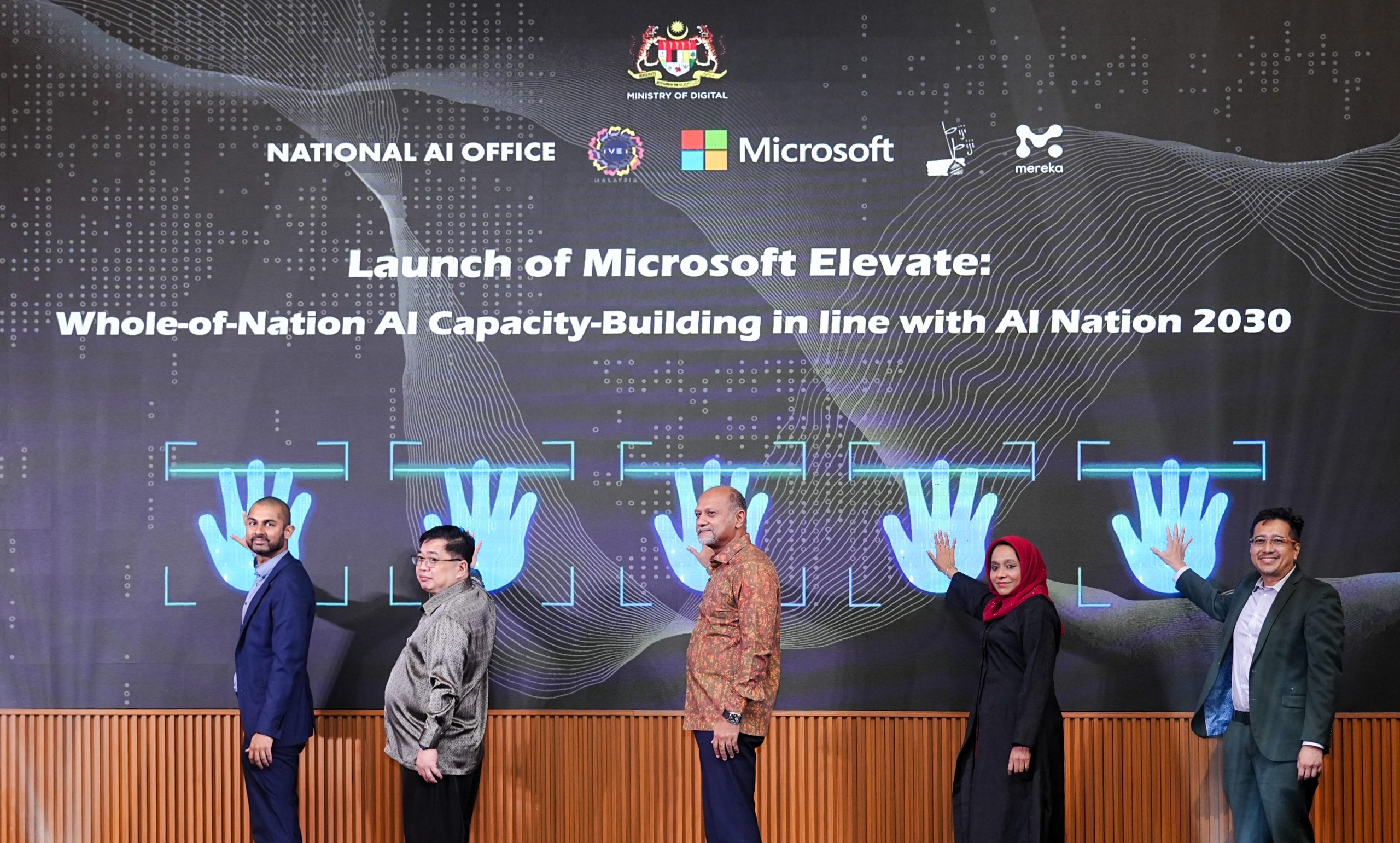
    Kementerian Digital Malaysia dan Microsoft hari ini mengumumkan pelancaran Microsoft Elevate, sebuah inisiatif pembinaan kapasiti kecerdasan buatan (AI) yang diperluas bagi mengukuhkan tahap kesediaan AI Malaysia, selaras dengan aspirasi negara untuk menjadi Negara AI menjelang tahun 2030.

    Kerjasama ini dirasmikan oleh Menteri Digital, YB Gobind Singh Deo, dan memperluaskan agenda pembangunan kemahiran negara dengan merangkumi golongan pendidik, perusahaan mikro, kecil dan sederhana (PMKS), pesara angkatan tentera, institusi pendidikan serta penjawat awam. Inisiatif ini dilaksanakan dengan kerjasama Pejabat AI Kebangsaan (NAIO), Sekretariat Majlis TVET Negara serta Biji-Biji Initiative dan Mereka, sekali gus mencerminkan komitmen menyeluruh bagi memastikan semua lapisan masyarakat Malaysia bersedia menghadapi era AI.

    Microsoft Elevate bertujuan memperluas peluang peningkatan kemahiran di Malaysia melalui pelan berfasa sehingga tahun 2030, bermula dengan pengaktifan kemahiran dan tenaga kerja, diikuti pendalaman sektor serta penginstitusian dan kemampanan jangka panjang. Sebagai sebahagian daripada fasa perintis yang dilancarkan pada Januari tahun ini, inisiatif ini telah berjaya memperkasakan seramai 80,000 peserta setakat ini.

    Inisiatif ini turut mencerminkan komitmen berterusan Microsoft terhadap pembangunan digital dan AI di Malaysia, termasuk usaha melengkapkan 800,000 rakyat dengan kemahiran AI menerusi inisiatif AIForMYFuture, serta program Bersama Malaysia yang telah memperkasakan 1.53 juta rakyat dengan kemahiran dalam bidang pengkomputeran awan, AI dan keselamatan siber.

    YB Gobind Singh Deo menyatakan bahawa dalam usaha Malaysia menjadi hab AI serantau, pembangunan keupayaan digital yang inklusif merentasi semua lapisan masyarakat adalah amat penting. Beliau menegaskan bahawa kemajuan bermakna di peringkat nasional memerlukan kerjasama erat antara sektor awam dan swasta, dan mengalu-alukan Microsoft Elevate sebagai satu inisiatif penting dalam memperkukuh kesediaan AI serta keterangkuman digital agar rakyat Malaysia bersedia menghadapi masa depan berteraskan teknologi tersebut.

    Dalam persekitaran kerja yang semakin dipacu oleh AI, kekuatan tenaga kerja masa depan Malaysia bergantung kepada pembangunan kemahiran yang bermula sejak awal, dilaksanakan secara berterusan dan selari dengan keperluan dunia sebenar. Visi Negara AI 2030 mengiktiraf bahawa pembinaan sebuah negara berteraskan AI bukan sahaja melibatkan penggunaan teknologi, tetapi juga pembangunan insan yang mampu memahami dan menggunakan AI dengan yakin, institusi yang berupaya mengguna pakai AI secara bertanggungjawab dan berskala, serta ekosistem yang dapat memanfaatkan keupayaan AI untuk menghasilkan impak nyata.

    Pendekatan menyeluruh ini merangkumi pelbagai segmen masyarakat. Golongan pendidik dan institusi pengajian daripada peringkat prasekolah hingga universiti termasuk TVET akan dilengkapkan dengan kemahiran AI praktikal untuk mengintegrasikan teknologi dalam pengajaran, reka bentuk kurikulum dan keterlibatan pelajar. Sektor PMKS pula akan menerima latihan berfokus bagi mengguna pakai alat dan platform AI untuk meningkatkan operasi, keterlibatan pelanggan serta daya saing. Pesara angkatan tentera akan dibekalkan dengan kemahiran asas AI bagi menyokong peranan mereka dalam masyarakat, manakala pemimpin dan pengurusan institusi akan dilatih untuk menerajui penggunaan AI secara bertanggungjawab dalam organisasi masing-masing. Pada masa yang sama, pelajar dan belia akan dibangunkan dengan kemahiran asas serta praktikal yang relevan dengan keperluan dunia sebenar bagi membina bakat masa depan negara.

    Rashvin Pal Singh menjelaskan bahawa untuk memastikan AI benar-benar memberi impak, keupayaan tersebut perlu diterapkan secara praktikal dalam bilik darjah dan komuniti. Menurut beliau, melalui Microsoft Elevate, kerjasama erat dengan pelbagai pihak membolehkan konsep AI diterjemahkan ke dalam amalan harian secara bertanggungjawab, inklusif dan relevan, sekali gus memastikan tiada pihak yang ketinggalan dalam usaha membina masa depan berteraskan AI.

    Dr. Jasmine Begum pula menegaskan bahawa AI hanya akan menghasilkan nilai sebenar apabila masyarakat memahami cara menggunakannya secara bermakna dan bertanggungjawab dalam kehidupan seharian serta proses membuat keputusan. Beliau menyatakan bahawa teknologi bertindak sebagai pemangkin, manakala impak sebenar bergantung kepada bagaimana individu, organisasi dan institusi mengaplikasikan AI secara praktikal, dipercayai dan selari dengan keperluan dunia sebenar. Beliau turut menjelaskan bahawa Microsoft Elevate dirangka untuk membina keupayaan pada skala besar dengan menyokong komuniti, perusahaan dan institusi sektor awam mengguna pakai AI dengan yakin dan bertanggungjawab, sekali gus membantu merealisasikan aspirasi AI Malaysia melalui impak jangka panjang.

    Microsoft Elevate merupakan inisiatif global oleh Microsoft yang bertujuan memperkasa komuniti melalui penyediaan kemahiran, pengetahuan dan alat berkaitan AI kepada individu serta organisasi. Inisiatif ini sedang dilaksanakan di beberapa negara di Asia Tenggara bagi menyokong usaha kerajaan dan institusi dalam mempersiapkan masyarakat menghadapi ekonomi yang dipacu oleh AI. Untuk maklumat lanjut dan pendaftaran, orang ramai boleh melayari laman sesawang rasmi program tersebut.

  • BICSI SEA 2026 Returns: Driving the Future of ICT Infrastructure and AI in Malaysia

    BICSI SEA 2026 Returns: Driving the Future of ICT Infrastructure and AI in Malaysia

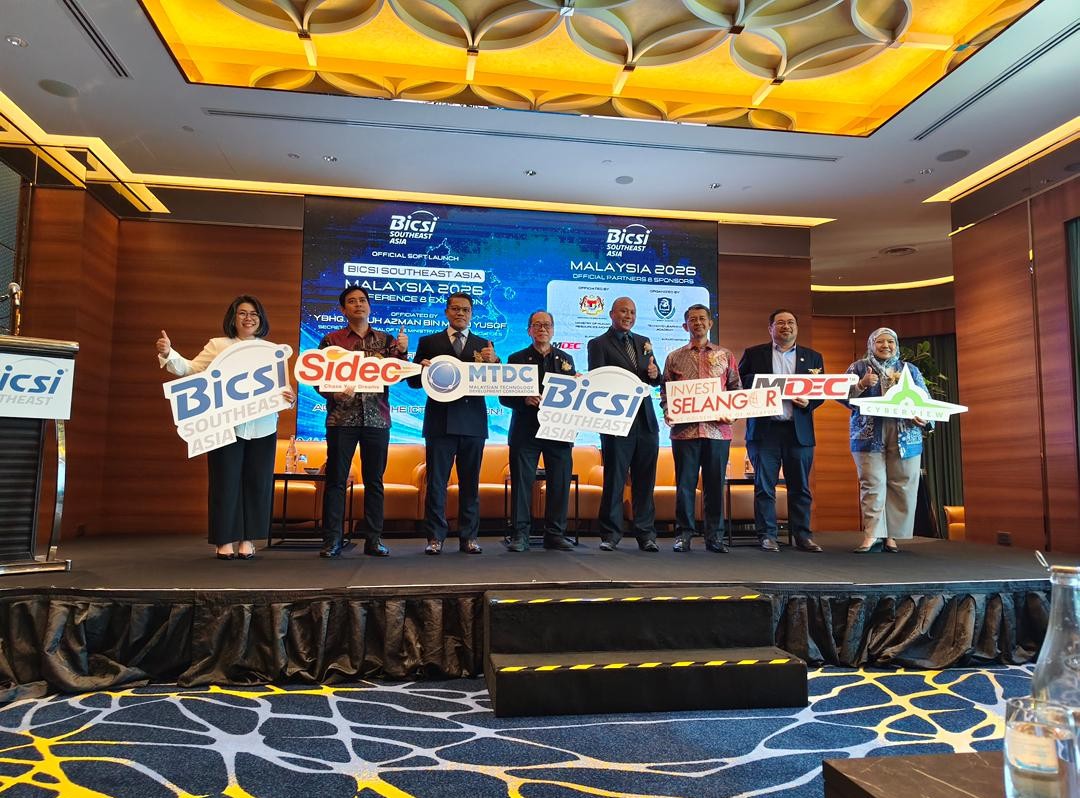
    The return of the BICSI Southeast Asia Malaysia Conference & Exhibition 2026 marks a pivotal moment in Malaysia’s journey toward becoming a primary digital infrastructure hub for the region. Recently introduced via a soft launch officiated by Datuk Azman Mohd Yusof, Secretary General of the Ministry of Human Resources, the event is set to take place on July 21 and 22 at Sunway Resort Hotel. This second edition builds upon the momentum of previous successful gatherings in Johor Bahru and Vietnam, specifically targeting the advancement of ICT infrastructure within a world increasingly shaped by artificial intelligence.

    Mary Elizabeth Cheng, Founder of TECLA and Executive Director of BICSI Southeast Asia, stressed the importance of investing in specialized training and global certifications to build a sustainable, future-ready talent pipeline for the ICT industry.

    At the heart of this initiative is a focus on human capital. With the ICT sector currently contributing nearly a quarter of Malaysia’s national economy and supporting over 1.25 million jobs, the demand for specialized talent has never been more pressing. Datuk Azman highlighted that with RM342 billion in digital investments approved in recent years, the industry is poised to create over 114,000 new roles. However, the complexity of these roles—ranging from data center management to AI network design—requires a workforce equipped with globally recognized certifications. By aligning with international bodies like BICSI, Malaysia aims to bridge the skills gap and ensure its professionals meet the highest global standards.

    Organized by Tecnoviq Learning Academy (TECLA), the conference serves as a strategic intersection for industry-driven training and national policy, such as the Dasar TVET Negara 2030. Dr. Garies Chong, Executive Chair of BICSI Southeast Asia, emphasized that the organization’s mission remains focused on nurturing a resilient ICT ecosystem through regional collaboration and standardized excellence. This commitment was evident at the soft launch, which saw participation from key government and digital agencies including MDEC, Invest Selangor, and Cyberview, as well as major technology associations like PIKOM.

    The BICSI SEA Beyond 2026 Forum hosted an insightful session where industry partners explored the future of digitalization within today’s AI-driven landscape.

    The upcoming July event is set to be a significant gathering of regional policymakers, educators, and technology providers. Supported by an array of international corporate sponsors—including Softing AG, SENKO Advanced Components, and Datwyler AG—the exhibition provides a unique platform for organizations to showcase innovation and engage directly with the stakeholders driving the digital economy. As preparations continue, the organizers remain open to corporate partnerships, inviting industry leaders to help shape the future of Southeast Asia’s digital landscape.

  • Infrastructure at a Turning Point: Five Key Predictions Defining AI, Resilience, and Digital Sovereignty in 2026

    Infrastructure at a Turning Point: Five Key Predictions Defining AI, Resilience, and Digital Sovereignty in 2026

    As organizations look toward 2026, infrastructure is emerging as a decisive factor in business competitiveness, no longer viewed merely as a cost center but as a strategic enabler. Power availability, operational resilience, data sovereignty and sustainability are now shaping success not only in mature economies, but also in high-growth markets such as Malaysia. Following a major shift in 2025, data centers—particularly colocation facilities—are increasingly recognized as essential partners that underpin the continuous flow of data and power keeping digital economies running.

    One of the most pressing trends is the challenge of unlocking AI’s full potential, especially within financial services. While AI promises transformative capabilities, its progress is often constrained by physical infrastructure limitations, particularly power density. As banks and financial institutions accelerate AI adoption, including GPU-driven workloads, they are encountering ceilings in power and computing capacity. In 2026, meaningful AI outcomes will depend on high-performance environments capable of supporting intensive data processing, making infrastructure upgrades an immediate necessity rather than a future ambition.

    In a digital-first world, resilience has become the baseline expectation. Always-on access is no longer optional, and downtime is increasingly unacceptable to both regulators and customers. Colocation data centers play a critical role by providing redundancy, proximity and scalability for sectors such as e-commerce, gaming and financial services. In Malaysia, regulatory frameworks including Bank Negara Malaysia’s operational resilience guidelines and broader cybersecurity policies have formalized the need for robust, reliable infrastructure, reinforcing resilience as a fundamental business requirement.

    Data sovereignty is also reshaping infrastructure strategies, particularly in sectors such as life sciences and healthcare. While global collaboration and data-driven insights are essential for innovation, sensitive data must often remain within national borders. Hybrid models that enable local data processing while supporting global connectivity are becoming the winning strategy. By interconnecting compute environments without moving data across borders, organizations can preserve compliance while accelerating research, drug discovery and innovation timelines.

    Another defining shift is the move toward agentic AI, where intelligence goes beyond generating content to taking real-time action. This requires AI inference to be deployed closer to users and systems, rather than relying solely on centralized training clusters. In Malaysia, such capabilities are being piloted across smart cities, disaster prediction, traffic management and fraud detection—areas where real-time responsiveness is critical to public safety and service efficiency. As AI becomes embedded across the network edge, infrastructure providers must bridge the gap between central capacity and distributed intelligence.

    Finally, sustainability is set to define Malaysia’s leadership in the years ahead. Driven by national initiatives such as the National Energy Transition Roadmap and growing ESG expectations, sustainability has become a strategic imperative for data centers and digital-led businesses. Energy-efficient design, renewable energy adoption and climate-resilient infrastructure are no longer optional. As Malaysia enters 2026, organizations that deploy infrastructure strategies that are resilient, sustainable and globally connected will be best positioned to navigate regulatory demands, meet ESG goals and thrive in an increasingly digital and climate-conscious economy.

  • Jelajah Malaysia Digital @ Sabah Dorong Transformasi Digital dan Tingkatkan Daya Saing Ekonomi Negara

    Kementerian Digital (KD) meneruskan komitmennya dalam memperkasa ekonomi digital negara melalui penganjuran Jelajah Malaysia Digital (JMD) @ Sabah, yang berlangsung di Pasar Taman Semarak, Tawau. Majlis pelancaran disempurnakan oleh YAB Datuk Seri Panglima Anwar bin Ibrahim, Perdana Menteri Malaysia, sekali gus menandakan langkah penting dalam usaha kerajaan memperluas manfaat transformasi digital ke seluruh pelosok negara.

    Program ini mencerminkan tekad kerajaan untuk memastikan rakyat di semua lapisan, termasuk komuniti luar bandar, turut menikmati peluang yang dibawa oleh ekonomi digital. Melalui tumpuan terhadap pembangunan bakat, pemerkasaan komuniti, serta penciptaan peluang ekonomi baharu, inisiatif ini seiring dengan aspirasi AI Nation 2030 dan Malaysia MADANI yang menekankan nilai kemampanan, kesejahteraan, dan keterangkuman.

    Dalam ucapannya, Perdana Menteri menegaskan bahawa agenda pendigitalan negara bukan sekadar mengenai penerapan teknologi, tetapi merupakan sebahagian daripada usaha membina sebuah negara MADANI yang maju dan inklusif. Di bawah seliaan Kementerian Digital, JMD @ Sabah berperanan memperkukuh ekosistem digital negeri serta memperkasakan komuniti di peringkat akar umbi supaya lebih bersedia menghadapi arus perubahan ekonomi digital global.

    Program ini menjadi platform penting bagi merapatkan jurang digital antara wilayah dan memastikan rakyat Sabah turut menikmati manfaat kemajuan teknologi — selaras dengan matlamat kerajaan untuk menjadikan Malaysia sebuah negara digital yang berdaya saing di rantau ini.

  • Malaysia Perkasa Ekonomi Pintar Melalui Inisiatif 5G dan Kecerdasan Buatan

    Malaysia Perkasa Ekonomi Pintar Melalui Inisiatif 5G dan Kecerdasan Buatan

    Kementerian Digital telah menandakan satu lagi kejayaan dalam agenda transformasi digital negara apabila Geran Perusahaan 5G dan Bandar AI diserahkan secara rasmi kepada beberapa syarikat serta pihak berkuasa tempatan. Majlis berlangsung di Pusat Perdagangan dan Pameran Antarabangsa Malaysia (MITEC) dengan perasmian disempurnakan oleh Menteri Digital, YB Gobind Singh Deo.

    Menurut beliau, aspirasi Malaysia untuk muncul sebagai hab kecerdasan buatan ASEAN semakin jelas melalui inisiatif ini. Geran yang diberikan bukan sahaja bertujuan menyediakan dana kepada projek terpilih, tetapi lebih penting lagi berperanan memacu transformasi ke arah masa depan negara yang lebih pintar, inklusif dan selamat. Projek-projek yang diluluskan memanfaatkan kelebihan teknologi 5G yang menawarkan komunikasi ultra boleh dipercayai serta kependaman rendah, digabungkan dengan kecerdasan buatan bagi memperkukuh proses automasi dan membuat keputusan pintar.

    Cadangan projek yang dipilih melibatkan sektor penting seperti pertanian, kesihatan, logistik, pembuatan dan pendidikan. Usaha ini menjadi bukti bagaimana teknologi dapat memberi impak secara terus kepada masyarakat dan menjawab cabaran nyata di lapangan. Ketua Pegawai Eksekutif Digital Nasional Berhad (DNB), Datuk Azman Ismail, menyifatkan majlis hari ini sebagai pencetus kepada gelombang inovasi baharu yang bakal memperkasa komuniti dan menghubungkan penyelesaian teknologi dengan rakyat.

    Dalam masa yang sama, inisiatif Bandar AI yang digerakkan oleh DNB bersama MDEC turut diketengahkan sebagai komponen utama dalam pelaksanaan geran ini. Ia akan dipamerkan dalam Ekspo Bandar Pintar Kuala Lumpur 2025 pada bulan September, yang dijangka menjadi platform utama untuk mempamerkan keupayaan digital Malaysia serta mengukuhkan kerjasama dengan pelbagai pihak berkepentingan dalam membangunkan bandar pintar.

  • MDEC Strengthens ASEAN Digital Ties with Launch of DEX Connex Philippines 2025

    MDEC Strengthens ASEAN Digital Ties with Launch of DEX Connex Philippines 2025

    Malaysia Digital Economy Corporation (MDEC) has officially launched DEX CONNEX Philippines 2025, marking the beginning of a new chapter in Malaysia’s regional digital expansion strategy. This two-day initiative, held in Manila, brings together 49 Malaysian tech companies and 43 Filipino partners, setting the stage for enhanced digital trade and innovation within ASEAN. Organised under MDEC’s flagship Digital Exports (DEX) Programme, the event reinforces Malaysia’s commitment to fostering high-impact, cross-border collaborations. By facilitating market access and connecting industry leaders, DEX CONNEX continues to accelerate the global outreach of Malaysia’s digital ecosystem. The Philippines marks the first stop for this year’s DEX CONNEX programme.

    One of the key highlights of the launch was the signing of 14 Memorandums of Understanding (MoUs), symbolising strong bilateral interest in digital innovation. A major milestone was the MoU between MDEC and DBP Data Centre Incorporated (DCI), signalling a strategic collaboration to develop digital infrastructure and services. MDEC CEO, Anuar Fariz Fadzil, and Michielson L. Luakian, President and CEO of DCI, signed the MoU in the presence of key stakeholders from both countries. This partnership will focus on knowledge-sharing, innovative ICT solutions, and joint commercial ventures across Malaysia and the Philippines. The MoUs collectively reflect a strong commitment to digital transformation in the region.

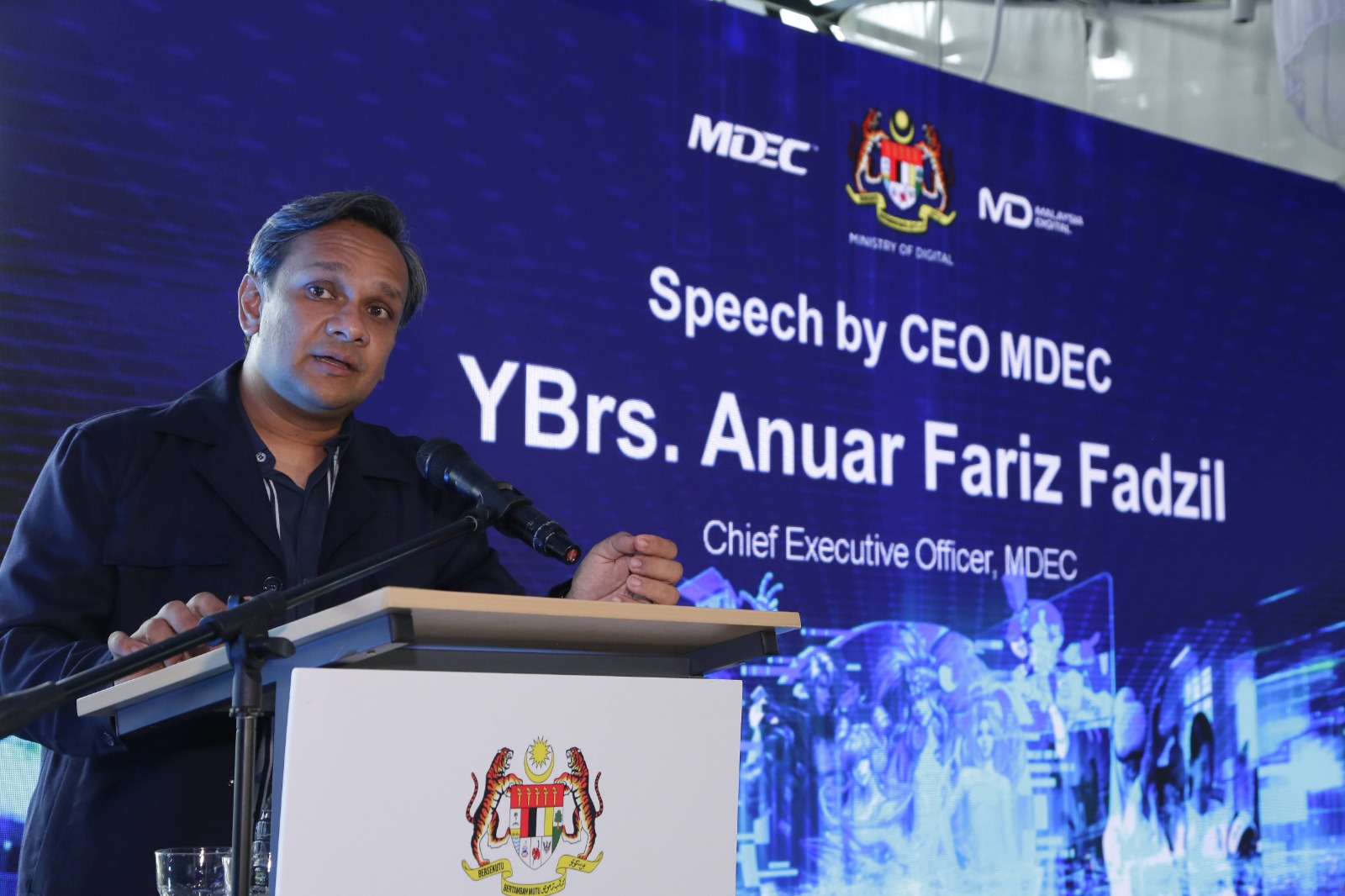
    In his opening speech, Anuar emphasised Malaysia’s ambition to become a regional digital powerhouse through meaningful partnerships. “DEX CONNEX is not just a platform—it is a bridge for innovation and opportunity between nations,” he said. He further stressed the importance of inclusive and sustainable growth, highlighting that collaborative frameworks are essential to unlock ASEAN’s digital potential. “Together, we can elevate our regional tech capabilities and empower local digital champions to thrive in international markets,” Anuar added. His remarks underscored MDEC’s broader mission to drive impactful, long-term economic outcomes.

    The Malaysian Ambassador to the Philippines, Dato’ Abdul Malik Melvin Castelino, praised the initiative and reaffirmed Malaysia’s leadership as ASEAN Chair in 2025. He said that digital connectivity, innovation, and inclusivity remain top priorities for regional cooperation. “Platforms like DEX CONNEX are critical in scaling innovation across borders, enabling our enterprises to grow together,” he said. He also acknowledged the role of public-private partnerships in shaping a stronger, unified ASEAN digital economy. The Ambassador’s presence reflected strong diplomatic support for MDEC’s initiatives abroad.

    The 14 MoUs signed during the programme involved notable tech players from both Malaysia and the Philippines. Among the key collaborations are Easystore Commerce with BilisBenta Corporation and LBC Express, IX Telecom with Eastern Telecommunications Philippines and RISE, and Enginemailer with KreativExpo Inc.. Other signings included GoFluence, ReSkills EdTech, FieldEx, and FinHero, with each partnership tailored towards knowledge exchange and business scalability. These alliances are expected to generate over RM150 million in business engagements, demonstrating strong regional demand for Malaysian tech solutions.

    Beyond just business development, DEX CONNEX Philippines 2025 also aims to foster a sustainable digital innovation ecosystem. Curated business matching sessions and knowledge-sharing forums will continue throughout the second day of the event. This structure allows participants to explore real-time commercial opportunities, co-develop products, and understand local market dynamics. It also helps identify long-term strategic synergies between Malaysian digital exporters and Filipino stakeholders. The inclusive approach ensures that small and medium tech players also benefit from international exposure.

    This year’s edition of DEX CONNEX builds on past successes in Indonesia, Thailand, Vietnam, and previously in the Philippines. Since its inception, the programme has connected more than 180 companies and unlocked over US$271.35 million (RM1.196 billion) in regional commercial opportunities. MDEC’s ongoing efforts demonstrate a strong focus on export acceleration and high-impact digital diplomacy. By maintaining strong engagement with foreign governments and local industry bodies, MDEC is helping Malaysian companies scale faster and smarter. This reflects Malaysia’s vision for a globally competitive digital economy.

    DEX CONNEX Philippines 2025 is made possible through collaboration with the Embassy of Malaysia in Manila, MATRADE Manila, DBP Data Centre Incorporated, and local industry enablers. The programme exemplifies a united effort to support regional tech ecosystems through strategic cooperation and innovation. As DEX CONNEX continues to expand its ASEAN footprint, the programme remains a key pillar of Malaysia’s digital export strategy. MDEC’s leadership ensures that Malaysian digital talents and businesses stay competitive in global markets. The initiative continues on 24 April with more opportunities for collaboration and impact.

  • New Creative Grant Powers Malaysia’s Rise in Global Digital Economy

    New Creative Grant Powers Malaysia’s Rise in Global Digital Economy

    Malaysia is stepping up its game in the global digital arena with a bold move to fund its fast-growing creative industries. The Malaysia Digital Economy Corporation (MDEC) has unveiled a suite of new financial incentives to boost the development of local talents and position the country as a world-class hub for digital content creation.

    Speaking at the Digital Creative Industry Engagement Session 2025, MDEC Chief Executive Officer Anuar Fariz Fadzil described the digital creative sector encompassing games, animation, and immersive experiences as a strategic industry with long-term economic potential. “This is a high-value ecosystem that generates skilled jobs, exports, and local intellectual property,” he said.

    He added that the newly launched programmes are tailored to strengthen the entire creative pipeline from nurturing talent and producing original content to enabling market expansion at the global level. “The industry is driven by passion and creativity, and our role is to support these creators in turning their ideas into viable, world-class products,” Anuar noted.

    Over the past decade, Malaysia’s digital content industry has recorded RM87.25 billion in revenue and RM11.18 billion in export value, while employing more than 11,000 Malaysians. These figures, MDEC believes, underscore the importance of further empowering the sector with targeted support.

    Among the new initiatives announced are three flagship programmes that focus on key creative segments:

    • Digital Games Testbed Programme (DGTP): With RM3.5 million in funding, this initiative supports at least five Malaysian-owned game development companies. Each studio is eligible to receive up to RM700,000 to innovate, expand their IPs, explore new genres, and establish international collaborations. DGTP aims to solidify Malaysia’s position as a competitive force in global game development.
    • Animation Shorts Challenge: Aimed at amplifying Malaysia’s animation capabilities, this competition-based initiative will support 12 local animators in producing original short films with strong IP potential. With RM1.2 million in total funding, the programme offers industry mentorship, technical support, and a platform to scale local talent to international recognition.
    • Business in Metaverse Programme: Targeted at 200 Malaysian businesses, this RM1 million programme offers up to RM5,000 per company to explore immersive branding using metaverse technologies. From virtual storefronts to gamified marketing and branded digital assets, the initiative is designed to help local businesses future-proof their marketing strategies and boost digital engagement.

    Anuar reiterated MDEC’s mission to grow a robust and inclusive digital economy that nurtures innovation, attracts global investment, and creates jobs for Malaysians. “These incentives are more than just funding they’re about building a sustainable ecosystem that gives our creators and businesses the tools they need to thrive globally,” he said.

    For more information on how to apply for these programmes, visit https://mdec.my.

  • Bridging the Digital Divide for Malaysian MSMEs

    Bridging the Digital Divide for Malaysian MSMEs

    The Business Digitalisation Initiative (BDI) is emerging as a game-changer for Malaysia’s MSMEs, offering comprehensive support to help businesses transition into the digital economy. Industry leaders have expressed their strong endorsement of the initiative, highlighting its role in equipping businesses with essential digital tools, financial aid, and strategic guidance. As the global economy becomes increasingly digital, initiatives like BDI ensure that small businesses are not left behind.

    A key component of the initiative is its RM1.5 billion funding pool, which is made possible through collaborations with financial institutions, digital banks, and P2P lending platforms. This funding allows MSMEs to invest in digital tools, improve operational efficiencies, and expand their market presence. With financial barriers reduced, businesses can focus on growth and sustainability.

    Digital Minister YB Gobind Singh Deo underscored the importance of this initiative in enhancing business resilience and competitiveness. He stated that the Madani Government’s commitment to digitalization is aimed at empowering MSMEs with technology-driven solutions that enhance productivity and efficiency.

    Among the key offerings under BDI is its affordable e-invoicing solution, which is based on the Peppol framework. These digital invoicing tools, supported by 21 MDEC-accredited service providers, enable businesses to streamline financial transactions, ensure compliance, and enhance overall efficiency.

    E-invoicing significantly reduces the complexity of managing business finances. By automating invoicing processes, businesses can minimize errors, speed up payment cycles, and maintain better financial records. This, in turn, allows MSMEs to allocate resources more effectively and focus on their core operations.

    MDEC CEO Anuar Fariz Fadzil stressed that BDI is designed to address real-world challenges faced by small businesses. Many MSMEs struggle with limited access to funding, digital literacy gaps, and uncertainty about where to start their digital journey. The initiative provides a structured approach to help businesses overcome these obstacles.

    The long-term benefits of digital adoption extend beyond operational efficiency. Businesses that embrace technology can access broader markets, improve customer engagement, and gain a competitive edge. With BDI’s support, MSMEs can confidently step into the digital future and harness new opportunities.

    As Malaysia accelerates its digital transformation efforts, BDI plays a crucial role in ensuring that MSMEs remain at the forefront of innovation. By bridging the digital divide, the initiative strengthens the nation’s economy and empowers businesses to achieve sustainable growth.

  • Digital Economy: A New Strategy to Enhance National Competitiveness and Prosperity

    Digital Economy: A New Strategy to Enhance National Competitiveness and Prosperity

    KUALA LUMPUR, 17 February 2025 – Malaysia’s digital economy remains at the forefront of national growth, with an increasing focus on enhancing innovation, boosting productivity, and shaping new business models that transcend industries. The Malaysia Digital Economy Corporation (MDEC) is steadfast in its role as a catalyst for the country’s digital transformation.

    CEO Anuar Fariz Fadzil highlighted that Malaysia’s strategic focus on digital initiatives, particularly Artificial Intelligence (AI) and talent development, has positioned the country as a regional leader in digital excellence. Public-private collaborations further bolster Malaysia’s role as a hub for groundbreaking technologies like AI and quantum computing, with transformative impacts across various sectors including manufacturing, finance, and services.

    “We remain committed to reaching or surpassing the 25.5% digital economy contribution to GDP by the end of 2025,” Anuar said. “MDEC is actively advancing digital transformation, talent development, and technology adoption to help businesses evolve and thrive in the digital age.”

    The digital sector continues to be a significant driver for the national economy, with foreign direct investments (FDIs) playing a pivotal role in shaping Malaysia’s economic landscape. Data centre investments reached an impressive RM86 billion in 2024, solidifying Malaysia as Southeast Asia’s leading data centre hub, with 77 data centres nationwide.

    Malaysia’s economic growth saw a significant boost in 2024, with the country’s GDP growing by 5.1%, surpassing the 3.6% growth recorded in 2023. The growth was driven by strong export performance, substantial investment approvals, and progress in long-term public-private projects, including digital economy initiatives under the Digital Economy Blueprint and the New Industrial Master Plan 2030.

    “The digital economy is an increasingly significant pillar of Malaysia’s recovery and prosperity,” Anuar emphasized. “The acceleration of digital investments is providing essential support for job creation, high-value employment, and national competitiveness.”

    Under the Malaysia Digital (MD) initiative, approved digital investments for 2024 reached RM163.6 billion, exceeding 2023’s total by an extraordinary 250%. These investments have created over 48,000 new jobs, more than doubling the number of jobs created in the previous year, further demonstrating the growing role of the digital industry as a key driver of high-skilled employment.

    Malaysia’s strategic location at the heart of ASEAN, coupled with its rich talent pool and expansive land resources, makes it an attractive destination for global investment. Top FDI inflows come from countries like Singapore, the United States, China, Australia, and India. Key sectors such as Global Business Services (RM139 billion), Information Technology (RM23 billion), and Creative Content (RM887 million) are all contributing to Malaysia’s vibrant digital economy and creating a significant number of high-value jobs.

    MDEC’s emphasis on state-level digital development aims to enhance digital infrastructure, foster AI ecosystems, and drive digital transformation for SMEs across the nation. This state-focused strategy ensures that every region can contribute meaningfully to Malaysia’s overall digital economy goals.

    “We will continue to attract world-class AI companies to set up operations in different states and promote the expansion of our homegrown tech champions into international markets,” Anuar said.

    Anuar recently led a delegation to Johor, where he met with Chief Minister Datuk Onn Hafiz Ghazi and other state leaders to explore opportunities for collaboration. Anuar recognized Johor as a state with immense potential in the digital economy, owing to its strategic location and progressive policies that foster innovation and growth.

    “Johor is on track to become a key regional hub for data centres, fintech, and digital content, supported by initiatives like the Johor-Singapore Special Economic Zone and the Iskandar Animation and Games Hub,” Anuar said. “These initiatives create an environment ripe for attracting international investments and generating high-value job opportunities.”

    MDEC is set to return to Johor in the coming week to implement the plans discussed, ensuring that these digital economy initiatives are carried forward with actionable results.