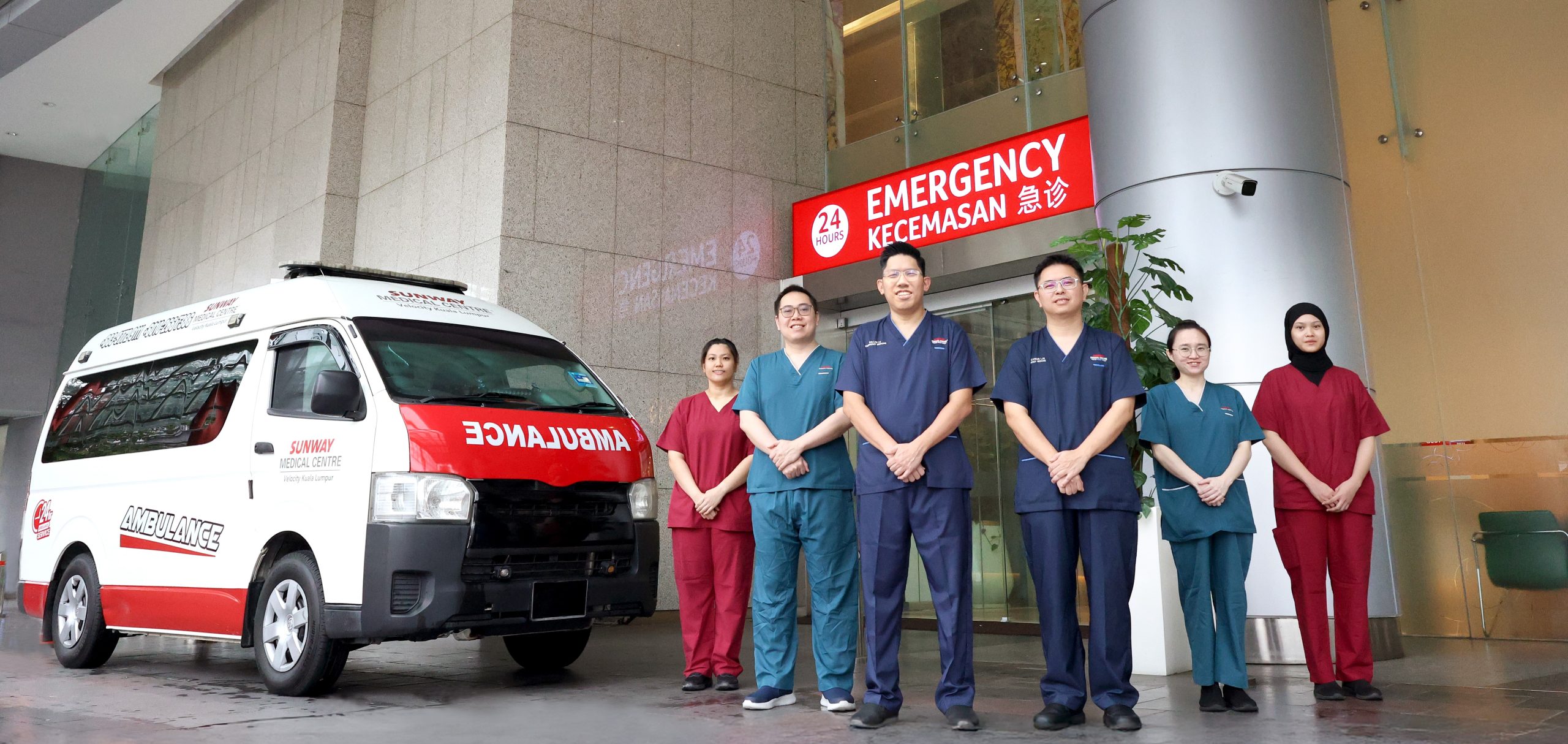
Why “feeling fine” after an accident can hide dangerous, delayed internal complications.
Road traffic accidents persist as a significant public safety challenge in Malaysia, with the Royal Malaysia Police recording 221,661 cases nationwide as of April 2026. While the physical impact of a collision occurs in seconds, the physiological consequences—particularly those involving traumatic brain injury (TBI)—can manifest and escalate over several hours. Medical experts emphasize that the severity of a head injury is not always reflected by its immediate presentation at the scene.
Patients may initially appear lucid and stable while internal complications, such as cerebral oedema or intracranial hemorrhaging, develop progressively. This delayed onset necessitates rigorous neurological monitoring to prevent a seemingly minor incident from evolving into a permanent disability or a life-threatening condition.
The clinical spectrum of head injuries is broad, encompassing concussions, brain trauma, and skull fractures. A primary injury occurs at the moment of impact through direct force or rotational movement, while secondary injuries involve subsequent complications like hypoxia or increased intracranial pressure. Because the human skull is a rigid, non-expansive structure, any internal swelling or bleeding can severely restrict blood flow to the brain, leading to ischemia and irreversible cellular damage.
Modern diagnostic protocols, including CT imaging and cervical spine stabilization, are essential tools used in Accident and Emergency departments to identify these hidden pathologies that remain invisible to the naked eye during initial on-site assessments.
Identifying “red flag” symptoms is crucial for timely medical intervention. While early indicators may be as subtle as persistent headaches or mild confusion, more advanced symptoms such as repeated vomiting, slurred speech, unequal pupil size, or seizures signal urgent neurosurgical risk. Furthermore, trauma to specific areas like the frontal lobe can result in significant behavioral and emotional shifts, including increased irritability or personality changes.
Given that these warning signs can be delayed, the 24 to 48 hours following an impact are considered a critical observation window. Families and caregivers must remain vigilant for any decline in a patient’s cognitive or physical status, as early detection remains the most effective defense against the long-term risks of neurodegenerative diseases.
Ultimately, the management of head trauma focuses on stabilizing the patient and mitigating secondary damage through tailored treatment plans, ranging from structured rest to emergency neurosurgery. For individuals requiring expert consultation or emergency assessment, Sunway Medical Centre Velocity is located at Lingkaran SV, Sunway Velocity. For professional enquiries, please contact +603 9772 9191 or via email at smcv-enquiry@sunway.com.my.
Detailed information regarding specialized care and neurological services can be found at www.sunwaymedicalvelocity.com.my or via the Sunway Medical Centre Velocity Facebook page. Early medical evaluation is not merely a precaution but a vital step in ensuring long-term functional recovery and survival.