
Have you ever heard of someone being hospitalised after a fall? What may seem like a small incident can, for many, change everything. According to the World Health Organisation (WHO), falls are the second leading cause of unintentional injury deaths worldwide, claiming an estimated 684,000 lives each year. Despite how common they are, falls are often underestimated, with many only seeking medical help when symptoms worsen.
“We have had patients walk into the Accident and Emergency Department after a fall, talking and moving normally, only for scans to reveal serious internal injuries such as bleeding in the brain or abdomen,” shared Dr Cyrus Lai Sin Nan, Consultant Emergency Physician at Sunway Medical Centre Velocity (SMCV). “Just because there is no broken bone doesn’t mean there is no problem. Some injuries, particularly in the head or abdomen, may not show symptoms immediately—and that timely response can make all the difference.”
While falls are often associated with the elderly and remain one of the top reasons for Accident and Emergency Department visits among older adults, they are also common among children, working adults, and athletes. Dr Cyrus explained that falls rarely occur due to a single cause; instead, they typically result from a combination of environmental, lifestyle, and medical factors.
Most incidents happen at home, particularly in bathrooms and staircases where wet or uneven surfaces make slipping more likely. A sedentary lifestyle further increases the risk, as reduced muscle strength and balance make falls easier to occur. Underlying health issues such as poor vision, osteoporosis, or low blood pressure also heighten vulnerability, especially when combined with medications that cause dizziness or instability. With all these factors in play, even a seemingly minor fall can lead to serious consequences.
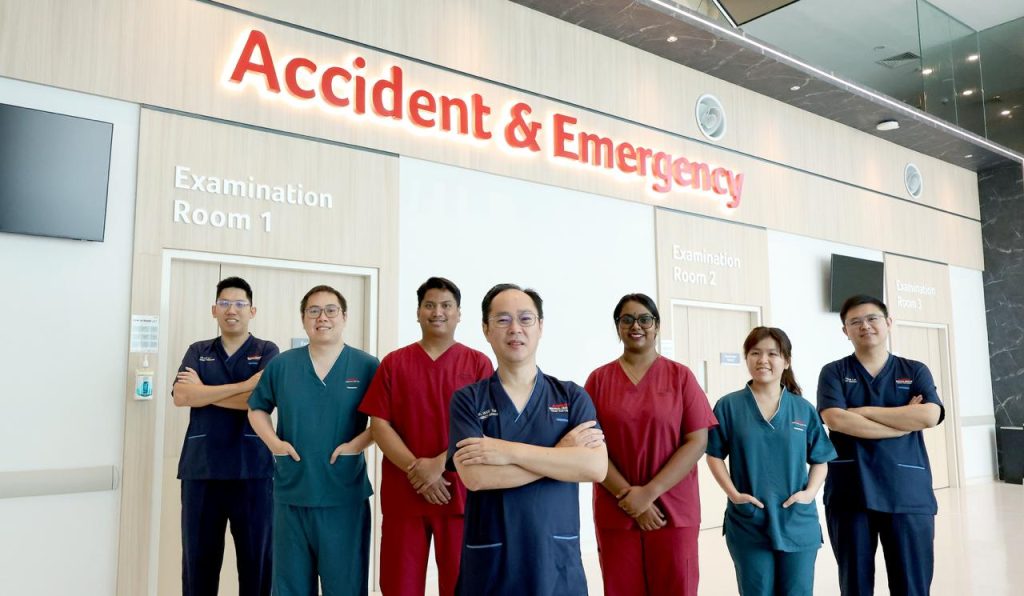
Given how falls can cause anything from minor injuries to severe trauma, having access to a trauma-ready emergency department is crucial. At SMCV, trauma cases are managed through a multidisciplinary approach, uniting physicians and surgeons from various specialties to deliver comprehensive care. This coordinated system ensures that even hidden injuries are detected and treated promptly, reducing complications and improving recovery outcomes.
A seemingly minor bump to the head, for instance, can cause internal bleeding within the brain, potentially leading to loss of consciousness and long-term complications that affect physical, cognitive, and emotional functions. These may include headaches, seizures, memory loss, poor concentration, mood changes, and difficulty managing daily activities or work. In severe cases, traumatic brain injury (TBI) may increase the risk of neurodegenerative diseases such as Alzheimer’s, Parkinson’s, and chronic traumatic encephalopathy (CTE), a progressive brain disease caused by repeated trauma.
Although falls can affect anyone, their consequences are most severe among the elderly. A single fall can lead to hip fractures that often require surgical procedures, such as total hip replacement, to restore mobility and quality of life. This concern is expected to grow, as hip fracture cases in Malaysia are projected to rise 3.5-fold by 2050—from around 6,000 to more than 21,000 cases. “When an elderly person sustains a hip fracture from a fall, total hip replacement is often the best treatment,” Dr Cyrus noted. “It not only repairs the trauma but also helps them return to daily activities with less pain and better function.”
Dr Cyrus also emphasised that seeking medical attention immediately after a fall can make a crucial difference in recovery. He warned against relying on home remedies, a common misconception among many. “Drinking something sweet may make a person feel better temporarily, but it doesn’t treat any injury,” he explained. Similarly, applying ointments or massaging bruised areas right after a fall can worsen swelling or bleeding. Instead, he advised resting, applying ice, and getting checked if pain or swelling persists. “Early assessment allows us to identify hidden injuries and stabilise patients before complications set in. The longer patients wait, the harder recovery becomes.”
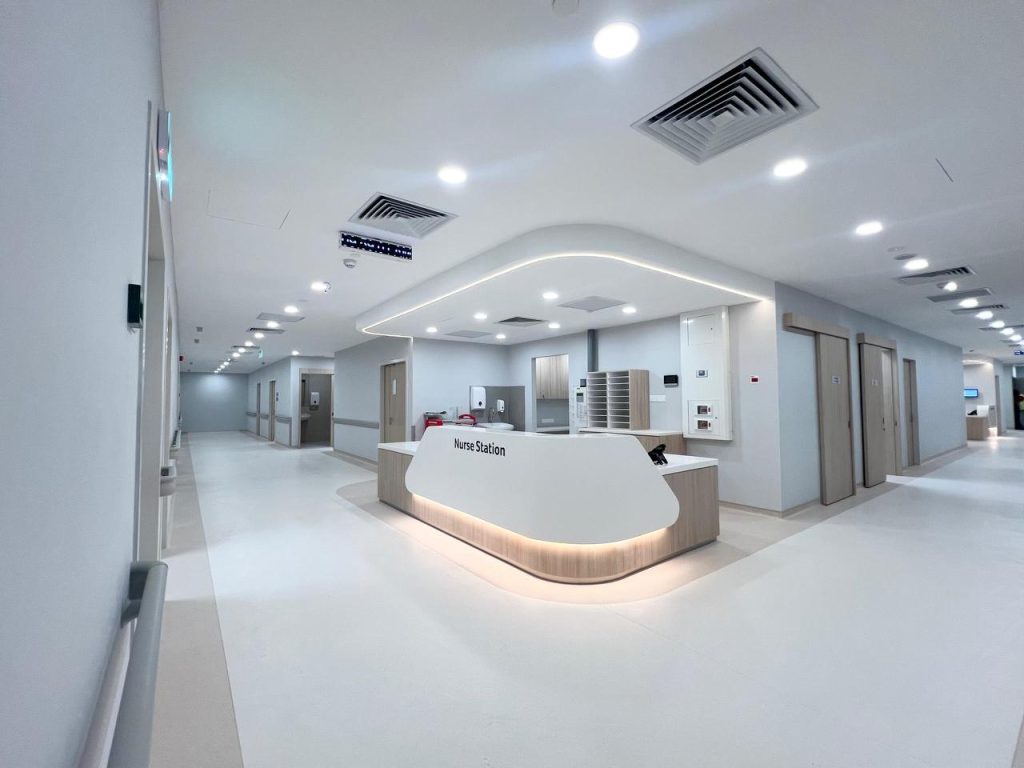
With falls being one of the most frequent reasons for emergency visits, timely access to proper care is essential to prevent complications and promote better recovery. In line with this, SMCV has expanded and upgraded its Accident and Emergency Department and increased its bed capacity to enhance accessibility, improve patient flow, and strengthen readiness for critical care. The upgraded facility features a redesigned layout with improved triage areas, additional treatment and observation bays, inpatient beds, and faster on-site testing to ensure patients receive prompt and coordinated attention.
“Accident and Emergency care is often the first line of defence in saving lives. Our expansion reflects SMCV’s commitment to providing swift, efficient, and compassionate care for every patient who walks through our doors, because when it comes to emergencies, every second counts,” said Dr Wee Tong Ming, Medical Director and Consultant Emergency Physician at SMCV.
As Malaysia’s population continues to age and lifestyles grow increasingly sedentary, the risk of falls remains a pressing public health concern. Early recognition, timely emergency care, and continued public awareness can prevent many of these incidents from leading to life-altering complications. Through its expanded Accident and Emergency Department, increased bed capacity, and multidisciplinary expertise, Sunway Medical Centre Velocity reaffirms its commitment to keeping the community safe by ensuring every patient receives swift, comprehensive, and compassionate care when it matters most.
Sunway Medical Centre Velocity is located at Lingkaran SV, Sunway Velocity. For enquiries, contact +603 9772 9191 or email smcv-enquiry@sunway.com.my. For more information, visit www.sunmedvelocity.com.my or follow Sunway Medical Velocity on Facebook.

