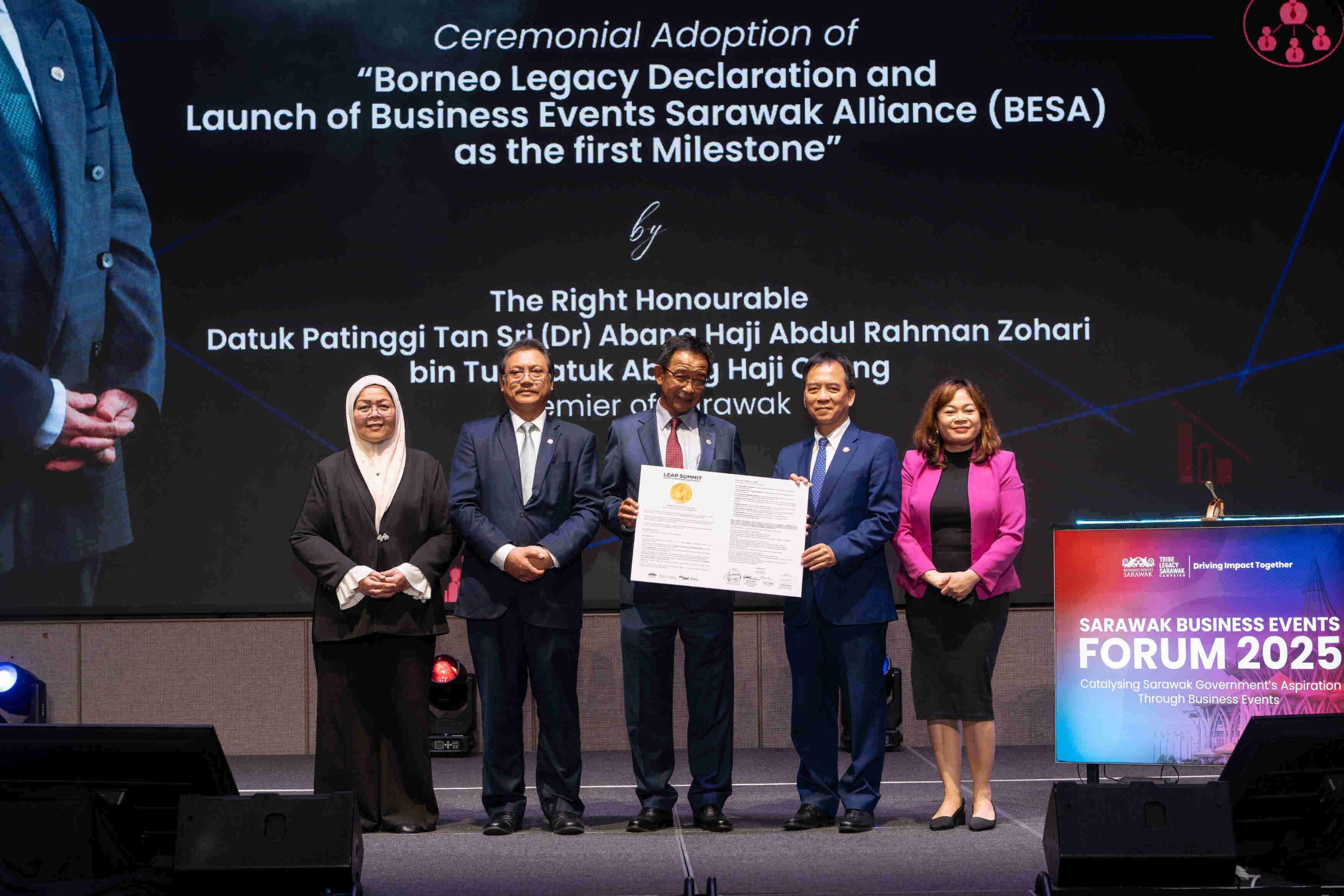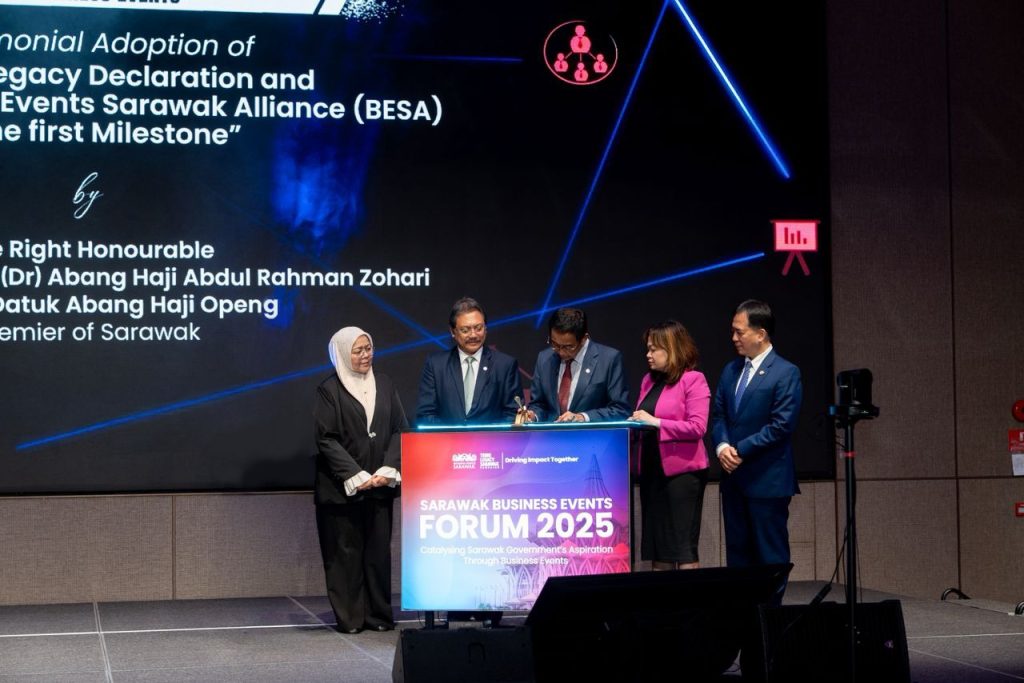
Sarawak is reinforcing its commitment to strengthening collaboration within Malaysia’s business events ecosystem as part of its long-term development agenda. The Ministry of Tourism, Creative Industry and Performing Arts Sarawak recently reaffirmed its support for business events organisers across the country, highlighting that stronger national partnerships will play a crucial role in achieving the goals outlined in Sarawak’s Post COVID-19 Development Strategy 2030 (PCDS 2030).
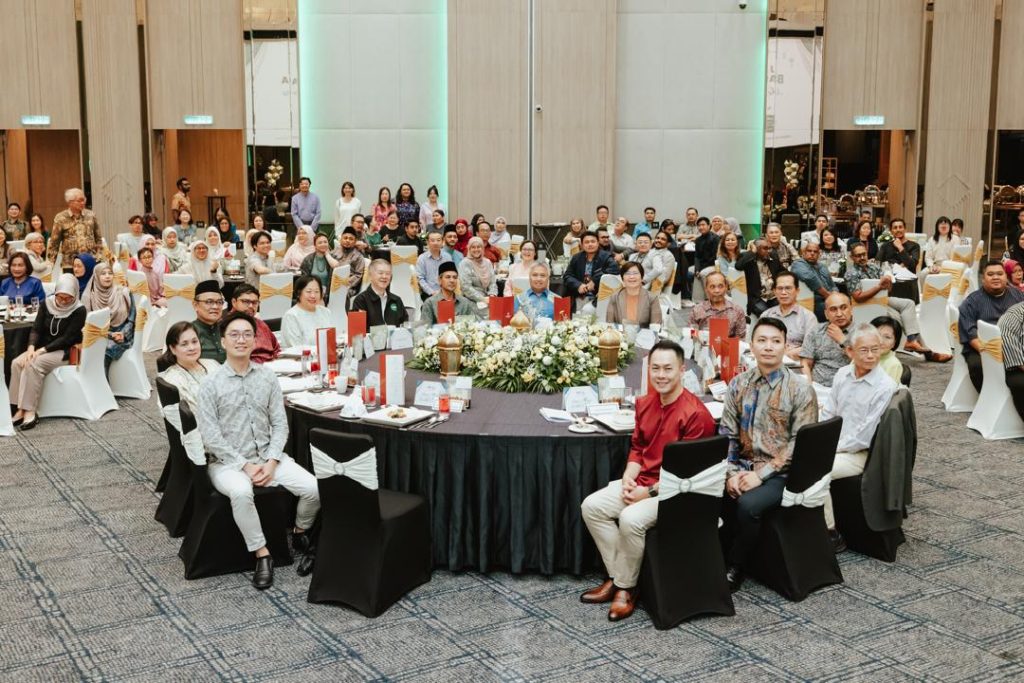
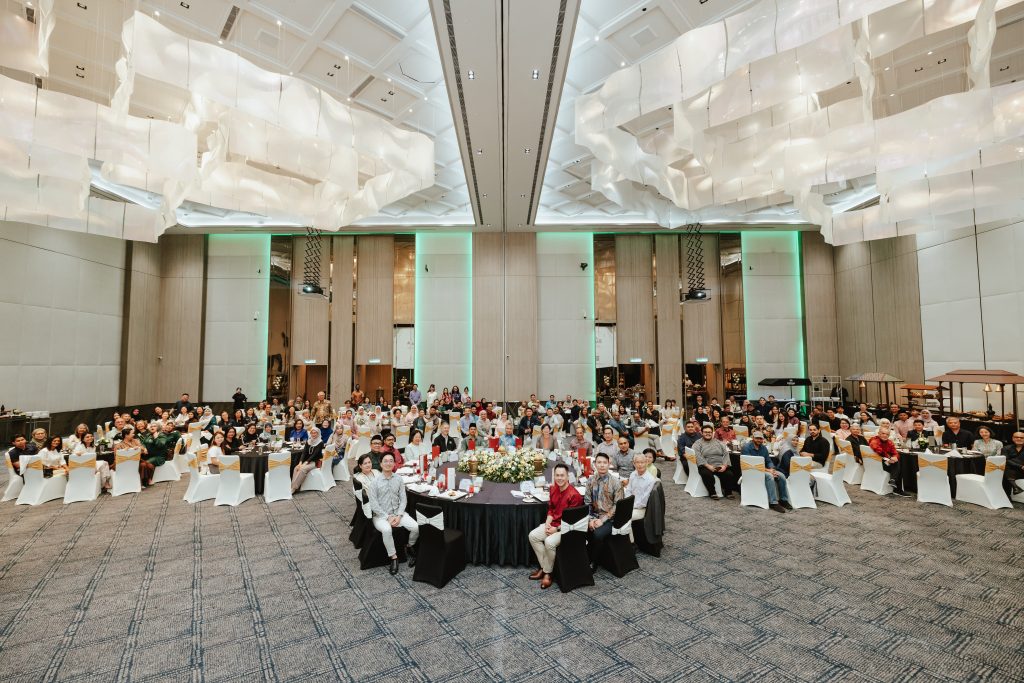
The message was emphasised during Business Events Sarawak’s (BESarawak) Ramadan engagement session in Kuala Lumpur, which formed part of a broader initiative to deepen industry collaboration and strengthen ties with national stakeholders. The engagement series aims to expand future bid pipelines, foster stronger partnerships with event organisers across Malaysia and position business events as a strategic platform that drives long-term economic and social impact.
The timing of the engagement is particularly significant as Sarawak enters the final phase of its development roadmap under PCDS 2030. As the state moves toward the final stretch of the strategy, collaboration with partners from across Malaysia will be essential in transforming strategic plans into tangible outcomes that benefit industries, communities and the broader national economy.
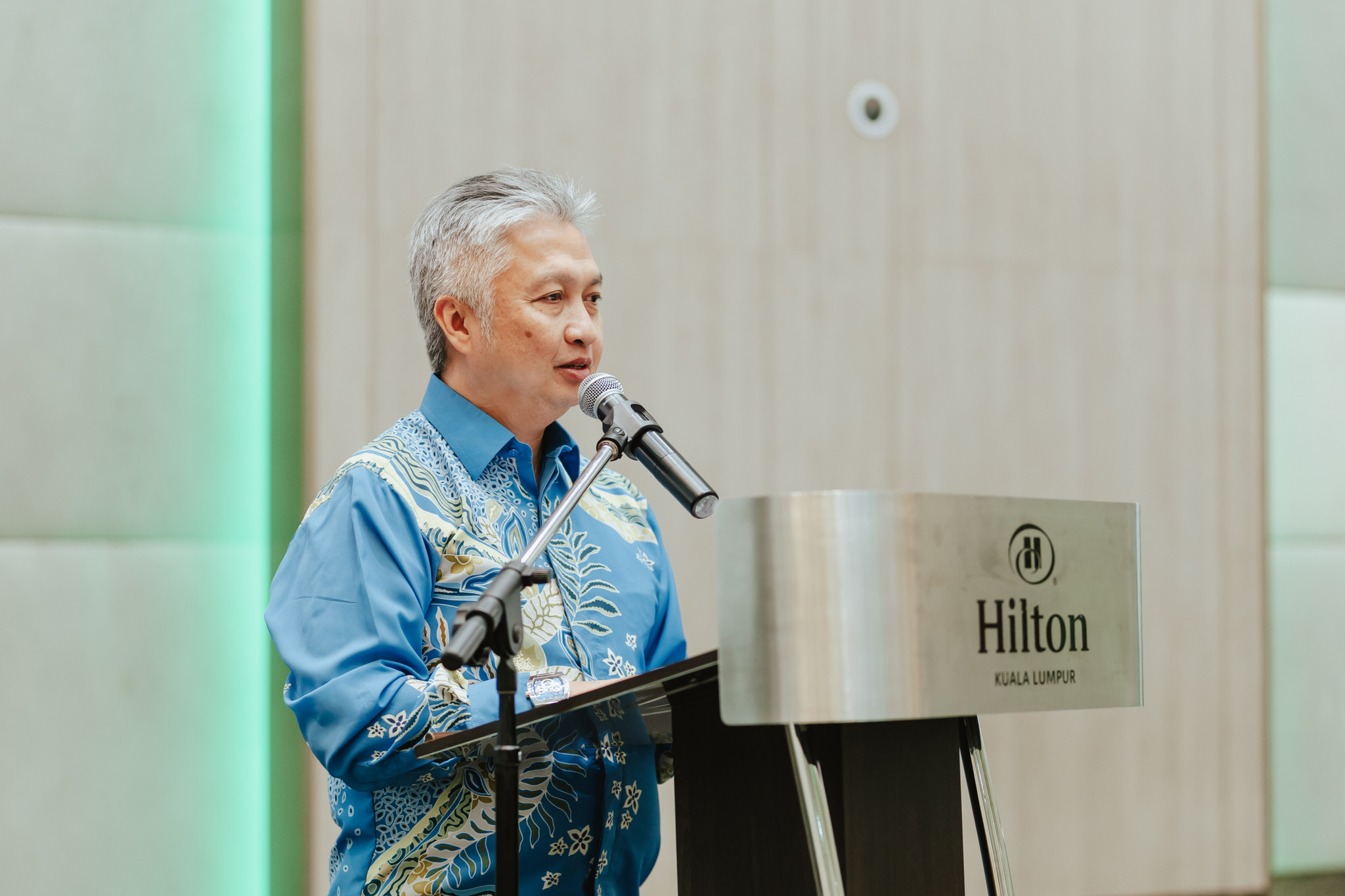
Representing the Minister of Tourism, Creative Industry and Performing Arts Sarawak, Deputy Minister Datuk Snowdan Lawan emphasised that the ministry remains committed to supporting organisations interested in bringing impactful business events to Sarawak. He noted that through Business Events Sarawak, the state continues to provide strong support and resources to organisations across the country that seek to host conferences, exhibitions and other high-value business events in the region.
According to Jason Tan Chin Foo, Acting Chief Executive Officer of BESarawak, collaboration has long been the foundation of Sarawak’s success as a business events destination. He explained that through its legacy impact initiatives and comprehensive support programmes for event organisers, BESarawak aims to strengthen industry contributions while fostering partnerships that create meaningful and lasting legacies for Sarawak, Malaysia and the wider region.
Among the initiatives introduced is the Academic Mobility Programme, a newly launched platform designed to encourage universities to organise study tours and technical visits to Sarawak. The programme aims to strengthen the link between academic research and local development priorities by providing opportunities for students, researchers and academic institutions to engage directly with Sarawak’s industries, communities and development sectors.
By bridging academia with industry, the initiative supports Sarawak’s broader vision of positioning itself as the “Legacy Capital of Business Events” in Malaysia and Borneo. The programme also reflects the state’s long-term strategy of ensuring that business events generate meaningful knowledge exchange, innovation and sustainable development outcomes beyond the events themselves.
As Sarawak continues to strengthen its position in the regional business events landscape, collaboration with national partners will remain a key pillar in ensuring that the sector delivers lasting economic, social and intellectual impact for Malaysia.