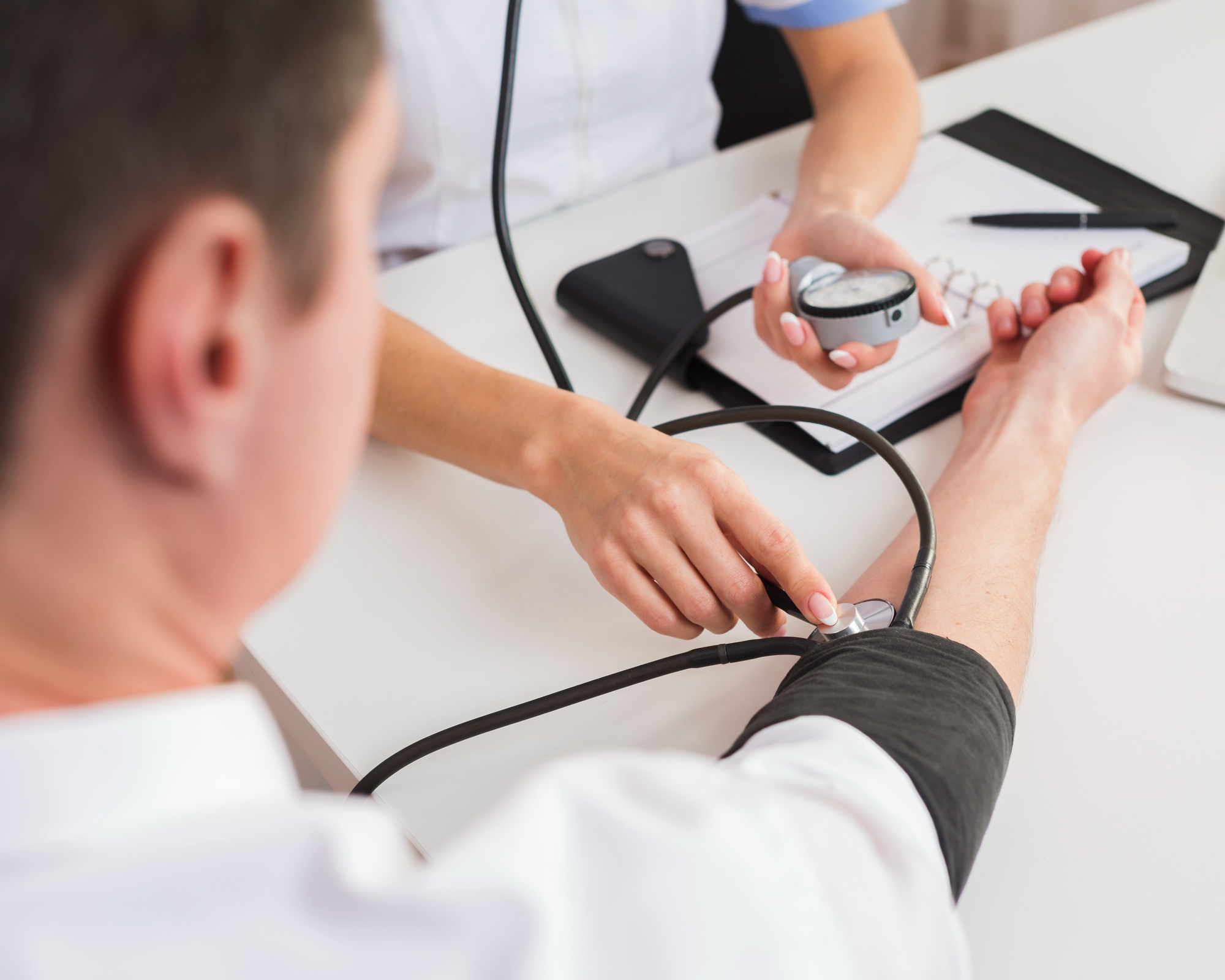
High blood pressure often does not present immediate warning signs and is frequently perceived as just a number on a screen. However, if left untreated, it can quietly place continuous strain on the heart and blood vessels, significantly increasing the risk of serious and long-term cardiovascular complications.
In Malaysia, nearly one in three adults is affected by hypertension, yet many remain unaware of their condition. Often described as a “silent killer,” it typically begins with vague symptoms while hidden damage gradually accumulates over time. In conjunction with World Hypertension Day, Consultant Cardiologist and Electrophysiologist at Sunway Medical Centre, Sunway City (SMC), Dr Gary Lee Chin Keong, highlights the importance of understanding high blood pressure, recognising its symptoms, and being aware of key health numbers to protect heart health.
The heart and blood vessels function as a continuous circulatory system, with the heart acting as a pump and the vessels serving as a network of pathways. When blood pressure remains elevated over time, the heart is forced to work harder to circulate blood throughout the body. According to Dr Gary, the heart initially adapts by becoming thicker and stronger, but this adaptation is not beneficial in the long term. The ongoing strain eventually causes the heart muscle to stiffen, reducing its ability to fill and pump efficiently.

One of the earliest manifestations of this process is left ventricular hypertrophy (LVH), a thickening of the heart’s main pumping chamber. As the muscle wall thickens, the chamber has less space to fill with blood, and the heart may struggle to receive sufficient oxygen. Over time, it becomes stiffer, less flexible, and more vulnerable to failure. LVH is particularly concerning because it can develop long before any symptoms appear and is often only detected through tests such as an echocardiogram, which reveals structural changes in the heart.
Many individuals with hypertension remain unaware of underlying heart damage because they feel completely well even as critical changes occur within the heart. Symptoms such as chest pain, shortness of breath, palpitations, dizziness, or fainting are often mistaken for stress, fatigue, or indigestion. By the time these symptoms become more obvious, complications may already be advanced. This is why regular health screening is essential, even in the absence of symptoms, as long-term high blood pressure increases the risk of heart failure, stroke, heart attack, kidney disease, and abnormal heart rhythms.

Dr Gary also highlights the link between hypertension and atrial fibrillation, an irregular heart rhythm that can disrupt normal blood flow and increase the risk of blood clot formation, potentially leading to stroke. He explains that hypertension does not only affect the heart but also has wide-ranging effects on the brain, kidneys, and blood vessels throughout the body. Stroke remains one of the leading causes of death in Malaysia, making early detection and prevention critically important.
He further notes a concerning trend of increasing hypertension and heart disease among younger Malaysians. Previously considered a condition affecting older adults, hypertension is now being diagnosed more frequently in individuals in their 20s and 30s. Modern lifestyle factors such as long working hours, chronic stress, insufficient sleep, lack of physical activity, smoking, excessive salt intake, and high consumption of processed foods are major contributors. Obesity and diabetes further increase the risk, creating what Dr Gary describes as a “dangerous cluster” of cardiovascular risk factors. As a result, complications are appearing earlier and persisting for longer periods.
The good news, however, is that early detection can significantly improve outcomes. Dr Gary encourages Malaysians to begin monitoring their health numbers as early as their 20s, including blood pressure, cholesterol, blood sugar, and body weight. Depending on individual risk profiles, doctors may also recommend further tests such as ECG, echocardiography, stress tests, or CT cardiac scans. When hypertension is detected early and managed appropriately, changes to the heart may be slowed and, in some cases, partially reversed or improved over time.
Management typically involves a combination of medication, dietary modifications, regular exercise, weight control, smoking cessation, stress management, and consistent follow-up care. Dr Gary also emphasises that patients should not stop their medication without first consulting their treating doctor.
He concludes with a simple but powerful message: know your numbers and take action. Early detection and timely intervention remain the most effective ways to protect heart health and reduce the risks associated with high blood pressure.