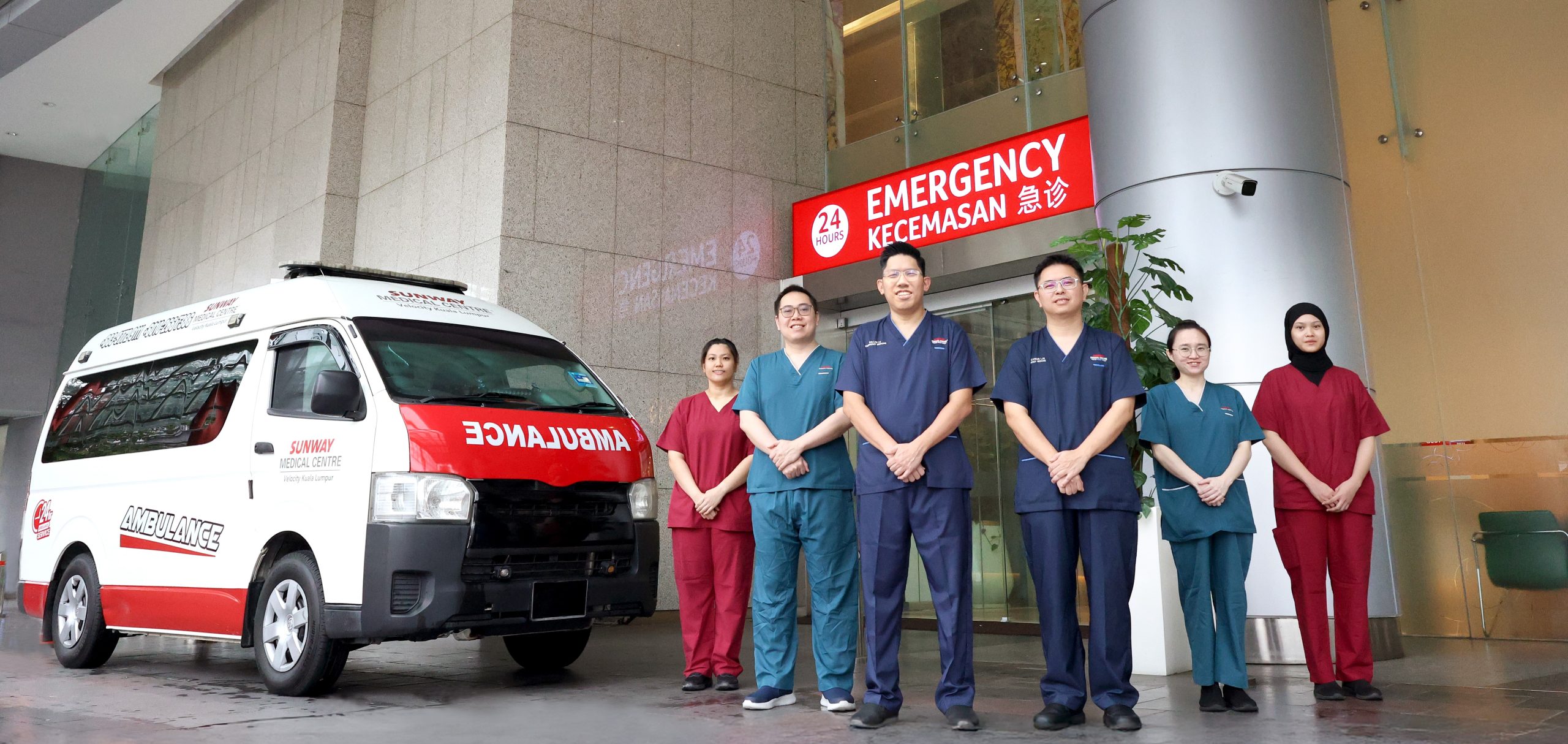
It is often shrugged off as “just a dizzy spell” or a “moment of weakness,” but medical specialists at Sunway Medical Centre Velocity (SMCV) are highlighting a deadlier reality: fainting can be the first symptom of a failing heart. While the majority of fainting cases are non-life-threatening, the subset known as Cardiac Syncope acts as a silent alarm for serious underlying heart disease.
Statistics show that while syncope accounts for up to 3% of emergency room visits, those linked to the heart carry the highest risk of sudden deterioration and mortality.
Sudden, Silent, and Severe
Cardiac syncope occurs when the heart’s output drops so abruptly that the brain is momentarily starved of oxygen. Unlike typical fainting—which often gives warning signs like lightheadedness or “seeing spots”—cardiac-related collapses frequently happen without any notice.

Dr. Lim Chiao Wen, Consultant Cardiologist and Electrophysiologist at SMCV, explains that structural defects often hide behind these episodes. “Conditions such as a narrowing aortic valve or inflammation of the heart muscle (myocarditis) can cause the heart to lose its pumping efficiency instantly. Because these issues can be intermittent, a person might pass a routine check-up but still be at risk of a sudden, fatal collapse,” she warns.
The A&E: A Race Against Time
When a patient arrives at the Accident & Emergency (A&E) department after a collapse, the clock is ticking to differentiate a harmless spell from a cardiac emergency.
“A person who wakes up quickly and feels ‘normal’ may still be in grave danger,” says Dr. Cyrus Lai Sin Nan, Consultant Emergency Physician at SMCV. “In the A&E, we look for high-risk indicators like abnormal ECG readings or raised cardiac markers in the blood. For older adults or those with pacemakers, the suspicion of a heart-related cause is even higher, but we are also seeing these risks in younger patients with inherited heart rhythm disorders.”
Beyond Stabilization: Long-Term Solutions
SMCV adopts a multidisciplinary approach to ensure that once a patient is stabilized, the root cause is eradicated. Advanced diagnostic tools such as Holter monitoring (extended rhythm tracking) and stress testing help specialists “catch” the heart in the act of malfunctioning.
Depending on the diagnosis, life-saving interventions at SMCV include:
- Ablation procedures to correct electrical pathways.
- Implantable Defibrillators (ICD) to prevent sudden cardiac arrest.
- Emergency Angioplasty to open blocked arteries if a heart attack is detected.
Know the Red Flags
SMCV urges the public to prioritize a medical evaluation if fainting occurs under the following circumstances:
- Exertion-based: Fainting during or immediately after physical activity.
- Recurrent: Multiple unexplained episodes within a short period.
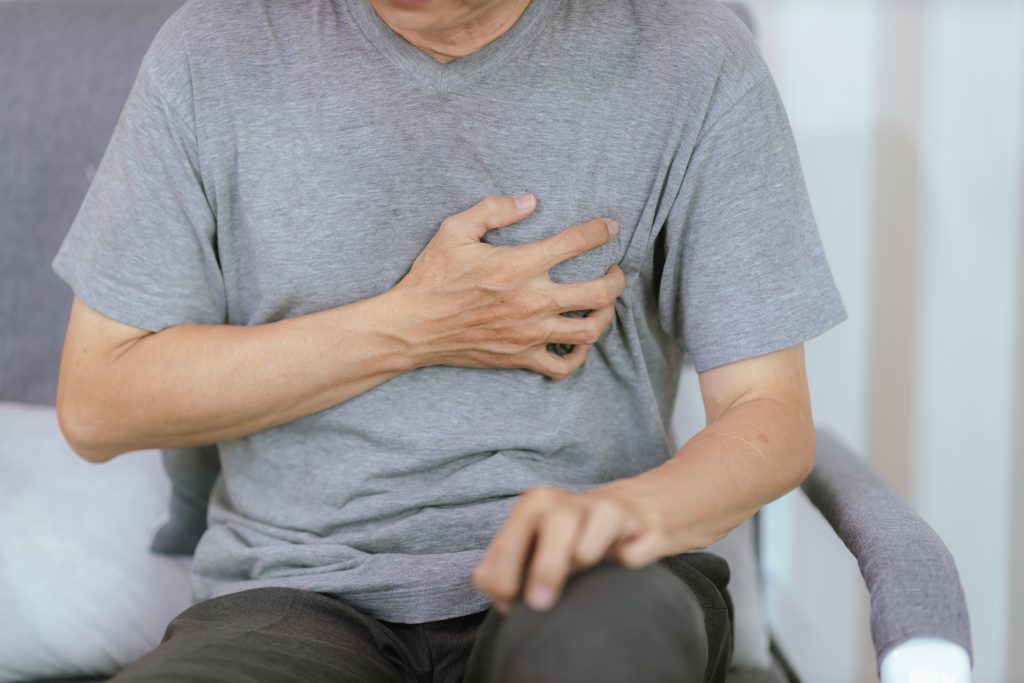
- Symptom-heavy: Accompanied by chest pressure, palpitations, or severe breathlessness.
- Family History: If a close relative suffered sudden cardiac death at a young age.
“Early detection is the only way to turn a potential tragedy into a manageable condition,” Dr. Cyrus concludes. “If your body shuts down, even for a few seconds, it’s a message you cannot afford to ignore.”