Tag: #digitaltransformation

  • Boosting Workspace Momentum: Epson’s New WorkForce DS-530III Promises Seamless Large-Scale Digitization for SMEs

    Boosting Workspace Momentum: Epson’s New WorkForce DS-530III Promises Seamless Large-Scale Digitization for SMEs

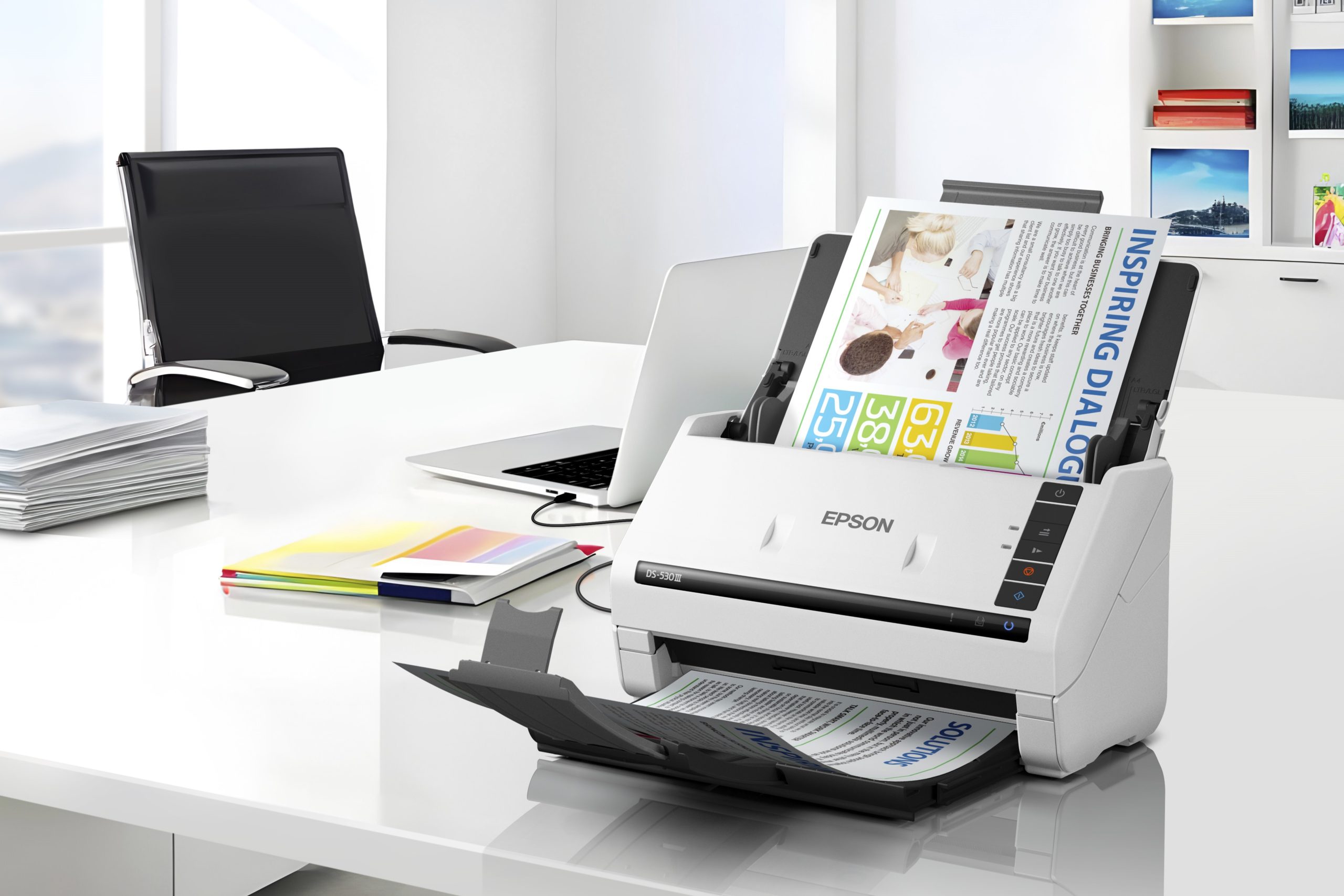
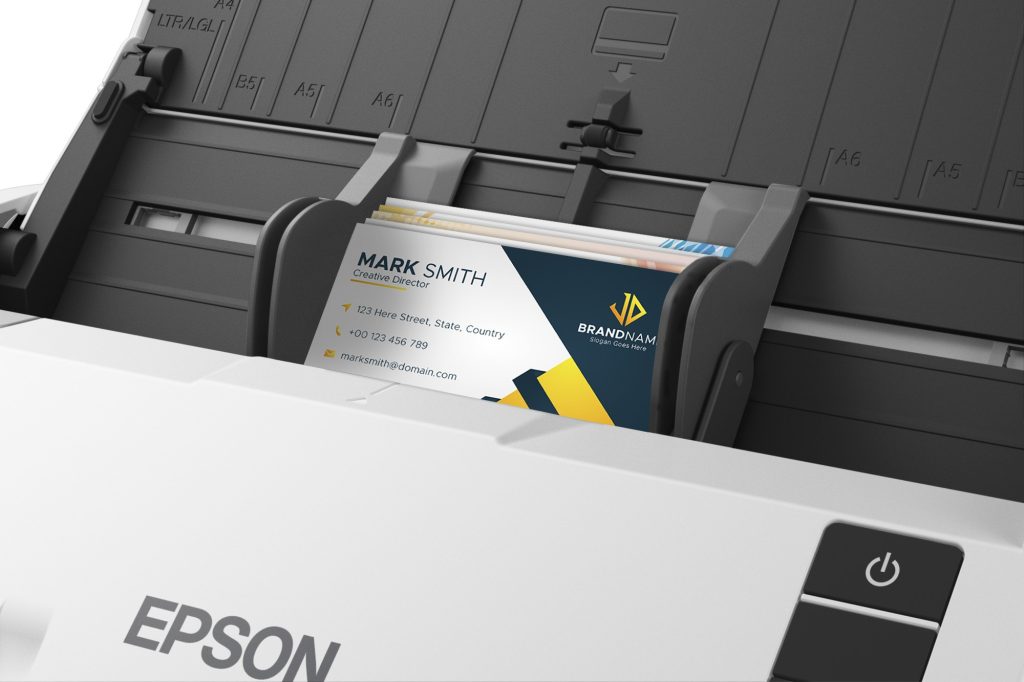
    The global leader in document scanner unit shipments for 2025 has officially unveiled the WorkForce DS-530III, a sophisticated A4 Duplex Sheet-fed color scanner built by Epson to enhance speed and reliability for today’s digital-first office. Engineered for high-performance office environments, the DS-530III combines superior speed, intelligent media handling, and advanced workflow integration within a compact footprint, addressing the growing demand for reliable large-scale digitization solutions.

    The WorkForce DS-530III is built to sustain high-volume productivity, offering scanning speeds of up to 40 pages per minute, or 80 images per minute in duplex mode. With a daily duty cycle of 6,500 pages, the device is tailored for SMEs that require consistent performance for intensive document processing. Its automatic feeding mode further enhances efficiency, allowing for the continuous batch scanning of documents of varying sizes into a single, organized digital file, thereby minimizing manual intervention and streamlining administrative tasks.

    Central to the scanner’s reliability is Epson’s suite of intelligent protection technologies. The DS-530III features advanced paper protection and Double Feed Detection Skip (DFDS) technology, which proactively identifies abnormal feeds to safeguard documents with staples, folds, or stickers from potential damage. Furthermore, a glass dirt detection sensor alerts users to surface debris in real time, ensuring high-quality outputs and reducing the necessity for repetitive re-scanning. These features, combined with an ultrasonic sensor for overlapping page detection, guarantee precision and data integrity throughout the scanning process.

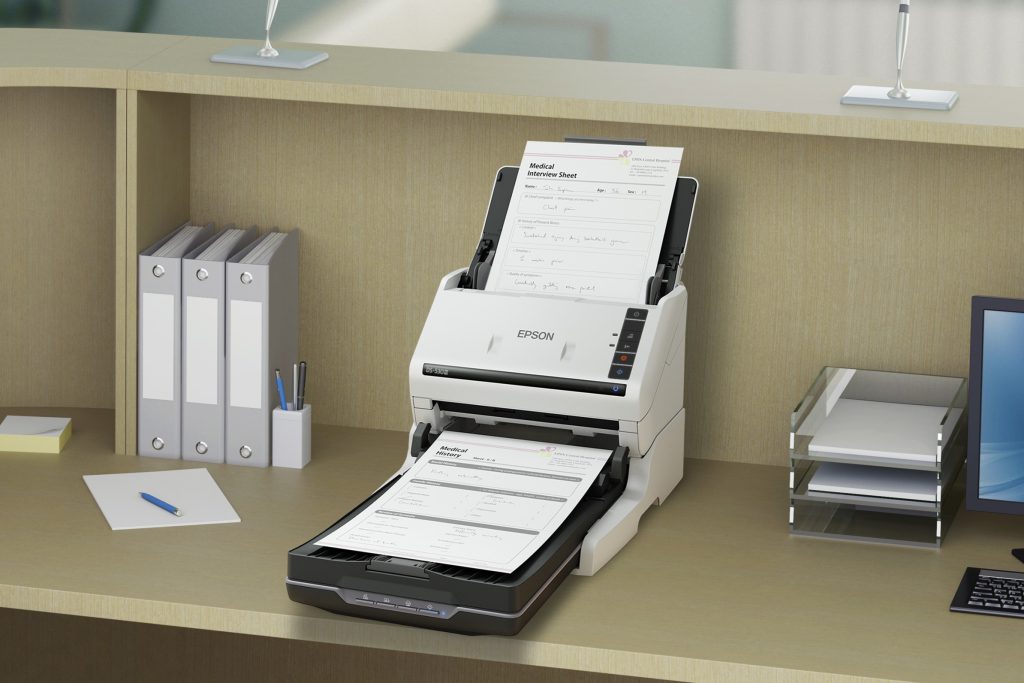
    For businesses requiring diverse media support, the DS-530III offers significant versatility. The scanner includes a one-pass duplex scanning feature and supports carrier sheets for fragile or irregular-sized documents. For even greater flexibility, the unit can be integrated with an optional flatbed dock and the Epson Perfection V39II flatbed scanner, enabling the digitization of bound books, receipts, and other delicate materials. This hybrid capability allows SMEs to manage a wide array of document types without compromising office space or operational simplicity.

    The hardware is complemented by a comprehensive software ecosystem, including Epson Scan 2 and Document Capture Pro. This integration allows for advanced image optimization, such as skew correction and text enhancement, alongside built-in Optical Character Recognition (OCR) for creating searchable, secure PDFs. Alvin Tan, Managing Director of Epson Malaysia, stated that the DS-530III reflects Epson’s commitment to providing flexible, high-performance solutions that empower organizations to work smarter. The WorkForce DS-530III is available across Malaysia via authorized dealers, offering a scalable solution for businesses looking to enhance their workspace momentum.

  • Visa Perkukuh Ekosistem Pembayaran Pintar Melalui Program Agentic Ready di Malaysia

    Visa, peneraju global dalam pembayaran digital, hari ini melancarkan program Visa Agentic Ready di rantau Asia Pasifik termasuk Malaysia. Program global ini diperkenalkan bagi menyokong ekosistem pembayaran dalam era perdagangan berejen yang semakin berkembang pesat.

    Pada peringkat awal pelaksanaannya, Visa Agentic Ready memberi fokus kepada kesediaan pengeluar dengan menyediakan pendekatan berstruktur untuk menguji, mengesahkan dan memahami transaksi yang dimulakan oleh ejen AI dalam persekitaran terkawal bertaraf pengeluaran. Program ini membolehkan pengeluar menilai sendiri bagaimana ejen AI boleh memulakan serta melengkapkan transaksi bagi pihak pengguna, di samping menguji tahap kesiapsiagaan mereka dalam menyokong perdagangan berejen tanpa menjejaskan elemen kepercayaan, kawalan dan perlindungan yang menjadi tunjang kepada rangkaian Visa.

    Pengurus Negara Visa Malaysia, Previn Pillay berkata, ketika perdagangan semakin bergerak ke arah automasi, aspek kebolehpercayaan, keselamatan dan kawalan pengguna menjadi semakin penting. Menurut beliau, Visa Agentic Ready menawarkan pendekatan yang praktikal dan tersusun kepada pengeluar di Malaysia untuk memahami bagaimana pembayaran yang dimulakan oleh ejen boleh beroperasi dalam rangkaian Visa sebelum teknologi tersebut diperluaskan secara lebih meluas.

    Beliau turut menjelaskan bahawa Visa kini bekerjasama dengan peniaga, platform dan rakan teknologi di peringkat global bagi membolehkan penggunaan perdagangan berpacukan ejen yang dipercayai. Langkah ini bertujuan memastikan pengalaman tersebut dapat diintegrasikan secara lancar ke dalam keseluruhan ekosistem apabila teknologinya semakin matang. Menurutnya, pendekatan ini membantu memastikan inovasi berkembang secara bertanggungjawab sambil pengguna terus mempunyai kawalan terhadap bagaimana dan bila pembayaran dilakukan.

    Visa Agentic Ready dipacu oleh keupayaan teras rangkaian Visa yang menggabungkan token, identiti, pengurusan risiko dan kawalan untuk menentukan bagaimana pembayaran dimulakan ejen yang dipercayai boleh digunakan dalam pelbagai situasi. Inisiatif ini turut memanfaatkan Visa Intelligent Commerce, iaitu portfolio penyelesaian dan inisiatif Visa yang menyediakan pengalaman perdagangan berpacukan AI secara selamat dan dipercayai pada skala besar.

    Bagi merealisasikan perdagangan berejen secara meluas, Visa menekankan kepentingan kerjasama merentas ekosistem pembayaran. Sehubungan itu, beberapa rakan kerjasama daripada 10 pasaran di rantau Asia Pasifik telah menyertai program Agentic Ready termasuk Alliance Bank Malaysia Berhad, CIMB Bank Berhad, Hong Leong Bank dan Maybank di Malaysia. Visa menjangkakan lebih ramai rakan kerjasama akan turut serta apabila program ini diperluaskan kepada lebih banyak peniaga dan pemain ekosistem.

    Ketua Pegawai Perbankan Pengguna Alliance Bank Malaysia Berhad, Gan Pai Li berkata, persediaan untuk pembayaran yang dimulakan oleh ejen tidak boleh dilaksanakan secara bersendirian oleh institusi kewangan. Beliau berkata program seperti Visa Agentic Ready membolehkan pihak bank menguji serta memahami aliran transaksi baharu ini sebagai sebahagian daripada ekosistem pembayaran yang lebih luas dan dipercayai.

    Ketua Pegawai Eksekutif CIMB Malaysia dan CIMB Bank Berhad, Gurdip Singh Sidhu pula berkata teknologi AI kini sedang membentuk semula tingkah laku pengguna dan model perniagaan dengan pantas. Menurut beliau, Visa Agentic Ready mencerminkan visi CIMB untuk menyediakan pengalaman perbankan yang lebih intuitif dan terintegrasi dalam kehidupan harian, selain memberi peluang kepada institusi itu untuk menguji, mempelajari dan bersedia menghadapi pembayaran yang dimulakan oleh ejen AI. Beliau berkata pendekatan tersebut membolehkan CIMB menawarkan perkhidmatan berasaskan AI secara selamat dan bertanggungjawab sambil mengekalkan keyakinan serta kawalan yang diharapkan pelanggan.

    Sementara itu, Pengarah Urusan Perkhidmatan Kewangan Peribadi Hong Leong Bank, Andrew Jong berkata pembayaran yang dimulakan oleh ejen memperkenalkan dimensi baharu terhadap cara transaksi dimulakan dan ditadbir. Menurut beliau, Visa Agentic Ready memberi peluang kepada institusi kewangan untuk mengesahkan senario pembayaran baharu lebih awal, memahami implikasinya dalam situasi sebenar serta menilai bagaimana ia boleh disokong secara bertanggungjawab sebelum diterima secara lebih meluas.

    Ketua Kad, Perkhidmatan Kewangan Komuniti Kumpulan Maybank, B. Ravintharan A/L K. Balakrishnan pula berkata kebolehpercayaan kekal menjadi faktor utama dalam kemunculan kaedah pembayaran baharu. Beliau menjelaskan bahawa Visa Agentic Ready membolehkan Maybank meneroka pembayaran dimulakan ejen dalam persekitaran terkawal sekali gus membantu membina keyakinan dan menilai bagaimana model tersebut boleh diskalakan secara bertanggungjawab tanpa menjejaskan keselamatan serta kawalan pelanggan.

    Melalui persekitaran ujian bertaraf pengeluaran yang terkawal, program ini memperlihatkan bagaimana pembayaran dimulakan ejen boleh dilaksanakan dalam situasi dunia sebenar dan membantu pengeluar membina keyakinan terhadap kaedah pembayaran baharu yang semakin berkembang.

    Inisiatif ini juga menyokong peralihan lebih luas Visa ke arah perdagangan pintar yang boleh diatur cara, di mana maklumat pengesahan dan keupayaan rangkaian yang dipercayai membolehkan pembayaran dilaksanakan secara selamat dan fleksibel berdasarkan niat, konteks serta kawalan pengguna. Dalam situasi lebih banyak proses pembelian diautomasikan, pendekatan ini membantu memastikan ejen AI dapat bertindak secara lancar bagi pihak pengguna sambil memastikan kawalan utama kekal di tangan manusia.

    Visa kini bekerjasama dengan platform dan pembangun AI, peniaga serta rakan ekosistem di seluruh dunia bagi membolehkan pelaksanaan pembayaran dimulakan ejen secara selamat pada skala besar. Visa Agentic Ready membantu memastikan pengeluar bersedia untuk menyokong transaksi tersebut dengan yakin dan selamat.

    Pelancaran di Asia Pasifik ini menyusuli pelancaran program tersebut di Eropah sebelum ini dan dibangunkan berdasarkan maklum balas awal daripada rakan kerjasama global. Ketika ini, program berkenaan tersedia di Australia, Hong Kong, Jepun, Malaysia, New Zealand, Singapura, Korea Selatan, Taiwan, Thailand dan Vietnam. Pihak yang berminat untuk menyertai program Visa Agentic Ready boleh menghubungi wakil akaun Visa untuk maklumat lanjut.

  • Snowflake Expands AI Data Cloud with Malaysia’s ILMU Sovereign LLM

    Snowflake, the AI Data Cloud company, today announced the integration of ILMU Malaysia’s homegrown sovereign large language model (LLM) developed by YTL AI Labs into its platform, enabling organisations in Malaysia to run generative AI on governed enterprise data through Snowflake’s secure governance framework. The integration is further strengthened by Snowflake’s availability on the AWS Asia Pacific (Malaysia) region, enabling secure, in-country deployment of enterprise AI capabilities.

    With this move, Snowflake becomes among the first global AI and data cloud providers to support integration with a locally developed sovereign LLM within a fully in-country deployment. This enables enterprises to accelerate AI adoption while meeting stringent data governance and residency requirements.

    The integration of ILMU gives enterprises access to a sovereign LLM specifically trained on Malaysian linguistic nuances and cultural contexts. This strengthens Snowflake’s AI capabilities through a deeper understanding of Bahasa Melayu, Manglish and regional dialects, enabling more accurate interpretation of locally contextualised enterprise data. Organisations can therefore unlock greater value from their data by developing AI-driven applications that are more relevant, accurate and locally attuned without compromising performance or scalability.

    By enabling ILMU to operate within Snowflake’s governed environment, sensitive data remains securely managed under Snowflake’s established security framework. This allows organisations to adopt AI while ensuring proprietary data remains within national borders and under full governance controls. The capability is especially important for regulated industries such as the public sector, financial services, telecommunications and retail, where data governance and residency are critical requirements.

    The collaboration reflects growing enterprise demand in Malaysia for AI solutions that combine local data governance requirements with broader efforts to strengthen the country’s position in the global AI economy.

    “With Malaysia’s RM2 billion Sovereign AI Cloud commitment underscoring data localisation as a national priority, organisations need AI solutions they can trust to keep their data onshore,” said Satchit Joglekar, Regional Vice President, Snowflake ASEAN. “With Snowflake now available in the AWS Asia Pacific (Malaysia) region and the integration of ILMU into our platform, we are giving Malaysian enterprises the confidence to adopt AI securely within their enterprise data environment, in the language their customers speak, without compromising governance or compliance.”

    Foong Chee Mun, CEO of YTL AI Labs, described the integration of the ILMU sovereign LLM with the Snowflake environment as a significant milestone in localising high-performance AI. He said YTL AI Labs has focused on providing the sovereign infrastructure needed to support these workloads and that seamless access to Malaysia’s national language model through a secure global platform like Snowflake would allow Malaysian enterprises to deploy AI solutions that are culturally relevant, legally compliant and hosted within Malaysia.

    The ILMU integration and Snowflake’s availability in the AWS Asia Pacific (Malaysia) region come at a time when enterprise use cases in Malaysia are increasingly translating into practical applications of governed AI.

    “At Ryt Bank, our priority is to provide secure and innovative financial services that truly serve Malaysian customers,” said Nic Ngoo, Chief Technology Officer of Ryt Bank. “YTL AI Labs provides ILMU — a sovereign, locally built LLM and AI services that allow our bank to build the world’s first AI-powered bank that redefines the banking experience. With ILMU and Snowflake’s in-country deployment, our customers can bank using natural, culturally nuanced language for everything from transferring money and seeking personalised financial advice to seamless customer support, while ensuring the highest standards of data residency and governance.”

    Among the early adopters is property developer S P Setia Bhd (Setia), which recently received a Malaysia Technology Excellence Award for its AI innovations in the real estate sector, including AI sales agents and AI vision-based inspection solutions.

    “As one of the nation’s leading property developers, Setia has long been entrusted with shaping communities that reflect the values, aspirations and way of life of Malaysians,” said Datuk Zaini Yusoff, President and Chief Executive Officer of Setia. “This integration represents a strategic milestone in how we elevate the property journey through personalisation and innovation. By leveraging Snowflake’s local data infrastructure and AI capabilities built for the Malaysian market, we look forward to continuously improving how we engage with customers in language that feels natural and familiar across every touchpoint — from home discovery to property management — while reinforcing the trust that underpins our long-standing leadership in the industry.”

    Snowflake is the platform for the AI era, helping enterprises innovate faster and derive greater value from data. More than 13,300 customers worldwide, including hundreds of the world’s largest companies, use Snowflake’s AI Data Cloud to build, use and share data, applications and AI solutions. Further information is available at snowflake.com (NYSE: SNOW).

  • Malaysia’s Emergence as a Digital Investment Hub Requires a Stronger Skilled Workforce

    Malaysia’s Emergence as a Digital Investment Hub Requires a Stronger Skilled Workforce

    Growing Momentum in Malaysia’s Digital Economy

    Malaysia is entering an important phase in its digital economic development, as global technology investors increasingly look to Southeast Asia as a strategic region for expansion. With its strong infrastructure, business-friendly policies, and strategic location within ASEAN, Malaysia is steadily positioning itself as an attractive destination for digital investments.

    From data centres and artificial intelligence to financial technology and digital services, the country is witnessing growing interest from international companies seeking to establish or expand their regional presence. This momentum reflects the broader transformation of Malaysia’s economy, which is rapidly embracing digitalisation across multiple industries.

    According to a report jointly published by Knight Frank Malaysia and the Malaysia Digital Economy Corporation (MDEC) in February 2026, Malaysia approved more than RM342 billion in digital investments between 2022 and 2025. These investments span several high-growth sectors including cloud infrastructure, global business services, artificial intelligence, and fintech, highlighting strong confidence in the country’s digital ecosystem.


    The Talent Challenge Behind Digital Growth

    While these figures reflect positive momentum for Malaysia’s digital ambitions, they also raise an important question — whether the country has sufficient skilled talent to support this rapid expansion.

    The same report estimates that these digital investments could generate more than 114,000 new jobs, with nearly 97 percent classified as knowledge-based roles. Many of these positions require specialised expertise in areas such as artificial intelligence, data analytics, cybersecurity, cloud computing, and digital operations.

    This signals a clear shift in workforce expectations. As industries evolve alongside digital technologies, future job roles will demand stronger technical competencies and digital literacy. Without a workforce equipped with these skills, sustaining long-term growth in the digital economy may become increasingly challenging.


    Competing in the Global Talent Race

    Across the region, countries are not only competing to attract digital investments but also striving to develop and retain highly skilled technology professionals. Nations such as Singapore, Vietnam, and India have made significant progress by strengthening digital education, investing in technology training programmes, and encouraging industry-academia collaboration.

    For Malaysia to remain competitive, workforce development strategies must continue evolving alongside technological advancements. This includes strengthening collaboration between government agencies, universities, industry players, and professional training institutions.

    Upskilling and reskilling initiatives will be critical in enabling both graduates and experienced professionals to adapt to emerging technologies and digital business models. Industry-relevant certifications, technology-focused training, and continuous learning programmes will play a key role in preparing Malaysians for future job opportunities.


    Digital Skills Are No Longer Optional

    The digital transformation taking place today extends far beyond the technology sector itself. Businesses across industries such as finance, logistics, manufacturing, retail, and hospitality are increasingly integrating artificial intelligence, automation, and digital tools into their operations.

    As a result, digital literacy is no longer a niche skill reserved for technology professionals. Instead, it is becoming a fundamental competency for the modern workforce. Employees across various sectors will need at least a foundational understanding of digital systems, data usage, and emerging technologies in order to remain relevant in an increasingly digitalised economy.


    Building a Sustainable Digital Future

    Malaysia stands at a pivotal moment in its economic transformation. With strong investor confidence, expanding digital infrastructure, and its strategic role within ASEAN, the country is well positioned to strengthen its status as a regional digital hub.

    However, infrastructure and investment alone will not determine success. The true strength of a digital economy lies in the people who can build, operate, and innovate within it.

    By prioritising talent development and equipping Malaysians with the necessary digital skills, the nation can ensure that current digital investments translate into sustainable economic growth, innovation, and long-term global competitiveness.

    Ultimately, Malaysia’s digital future will depend not just on technology, but on the readiness of its workforce to lead and shape the next phase of digital transformation.

    Written By;

    Ts. Shashi Muniandy is the Chief Operating Officer of Skill Wave Academy and an MBOT Certified Technologist involved in digital workforce development initiatives in Malaysia

  • Reflections on My Transformative Journey at Huawei Malaysia By William Syrillus Tunsin

    Reflections on My Transformative Journey at Huawei Malaysia By William Syrillus Tunsin

    After 17 years of serving within the government, I have witnessed firsthand how the efficiency of government services has steadily improved over the years. While I have always believed in the value of continuous improvement, my career took an unexpected turn when I applied for the Cross Fertilisation Programme (CFP) under the Public Service Department. The program offers public officers the opportunity to spend a year in the private sector to learn, exchange knowledge, and bring back best practices to the government.

    At the time, I had no particular company in mind for my placement, but fate had other plans. To my surprise, I was selected by Huawei Technologies (Malaysia) Sdn Bhd, a company I initially did not associate with public service innovation. Joining Huawei in November 2023 marked the beginning of a journey that would profoundly change my perspective on technology, leadership, and the future of both the public and private sectors.

    My initial impression of Huawei was limited to its consumer products—smartphones, tablets, and wearables. I wrongly assumed that these were the company’s primary business areas. However, as I delved deeper into the company’s operations, I quickly realised how small the consumer segment was in comparison to Huawei’s broader impact. In fact, the consumer business only accounted for five per cent of Huawei’s total revenue, while its core business activities spanned across several sectors—Carrier Network Business, Enterprise Business, Cloud and AI Business, and Digital Power Business.

    I was particularly fascinated to learn that Huawei’s presence in Malaysia dates back to 2001 and that the company now serves over 95 per cent of the country’s connectivity needs. Huawei’s role in building the digital infrastructure of Malaysia was far greater than I had ever imagined, and it made me realise the depth of the company’s commitment to the region’s technological advancement.

    One of the most striking aspects of Huawei’s corporate culture was the company’s commitment to upskilling, reskilling, and cross-skilling its workforce. At Huawei, learning is not a one-time event but a continuous, integral part of an employee’s development. All employees, including myself, were required to complete a minimum of one hour of learning each week and to undergo compulsory exams via Huawei’s “iLearning” platform. This emphasis on learning was not just about technical knowledge but also about fostering a culture of innovation and agility—skills that are crucial for success in today’s fast-evolving technological landscape.

    Although I initially found it challenging to grasp Huawei’s comprehensive approach to digital transformation, my experience at the Digital Leadership Excellence (DLE) Programme in Shenzhen, China was a game changer. The DLE programme, which was inspired by Prime Minister Dato’ Seri Anwar bin Ibrahim’s call for leadership in digital transformation at the Malaysia ICT Summit, provided me with a deeper understanding of Huawei’s global strategy. The visit to Huawei’s Headquarters in Shenzhen was a pivotal moment in my journey, offering me invaluable insights into the company’s mission and vision.

    At Huawei’s headquarters, I came to appreciate the company’s central mission: to “bring digital to every person, home, and organisation for a fully connected, intelligent world.” This vision is customer-centric, focusing on how technology can elevate individuals and societies alike. Huawei’s commitment to customer satisfaction and innovation permeates all aspects of its operations and has allowed the company to lead in fields like 5G technology, cloud computing, and AI.

    As I observed Huawei’s transformation from a small company to a global tech leader, it became clear to me that the company’s greatest asset is its people. Huawei’s leadership in the digital space is not just due to its advanced technology but is also a product of a strong corporate culture that places a high value on collaboration, learning, and sustainable growth.

    As my tenure as Environmental, Social, and Governance (ESG) Manager at Huawei comes to a close, I am left with a profound appreciation for the company’s values and business model. I have gained new insights that I believe can be applied to improve public service administration back home. Huawei’s emphasis on continuous learning, agility in decision-making, and collaborative work culture are principles that could greatly benefit public institutions.

    Perhaps the most inspiring lesson I take away from my experience at Huawei is the power of technology to drive change. Seeing Shenzhen’s remarkable transformation from a small fishing village to a global tech hub is a testament to the role that visionary leadership and innovation can play in societal development. It is this transformative power of technology and the lessons from Huawei’s success that will continue to inspire me as I move forward in my career.

    I am deeply grateful to Vice President Mr. Oliver Liu and the talented staff at Huawei Malaysia’s Business Environment Department (BED) for their unwavering support and mentorship throughout my journey. The opportunity to be part of Huawei’s dynamic team has been one of the most rewarding experiences of my career. As I bid farewell to Huawei, I will carry with me not only the best practices and insights I have gained but also a newfound appreciation for how the private sector can lead the way in innovation, leadership, and digital transformation.

    I look forward to leveraging these lessons as I continue my work in the government sector, and I remain hopeful that the cross-pollination of ideas between the private and public sectors can create even greater synergies in the years to come.

    As I close this chapter, I carry with me an immense sense of gratitude for Huawei Malaysia and the incredible journey I’ve had with them—one that will serve as a beacon for the future of public service in Malaysia.

  • ASEAN Manufacturing’s Digital Transformation Takes Center Stage at Conclusion of Intelligent Manufacturing Kuala Lumpur 2024

    ASEAN Manufacturing’s Digital Transformation Takes Center Stage at Conclusion of Intelligent Manufacturing Kuala Lumpur 2024

    Key figures from Intelligent Manufacturing Kuala Lumpur 2024:

    • 2,189 visits
    • 330 conference attendees
    • 27 speakers from 10 countries and regions (Brazil, China, Greece, Malaysia, Mexico, the Netherlands, Singapore, Switzerland, Taiwan and the UK)
    • 25 conference sessions and 16 Tech Lab sessions
    • 21 product showcases from 9 countries and regions (Germany, India, Malaysia, the Philippines, Singapore, South Africa, Switzerland, Taiwan and the US)

    Ms Fiona Chiew, General Manager of Messe Frankfurt (HK) Ltd commented on the event’s impact: “We are pleased to see the ASEAN manufacturing community come together once again at Intelligent Manufacturing Kuala Lumpur 2024. The positive feedback we are receiving from companies at different stages of digital maturity confirms that the event is successfully addressing the region’s growing need for practical guidance on digital transformation. We are committed to further developing this platform to ensure it remains a valuable resource for professional growth and industrial enhancement in the region.”

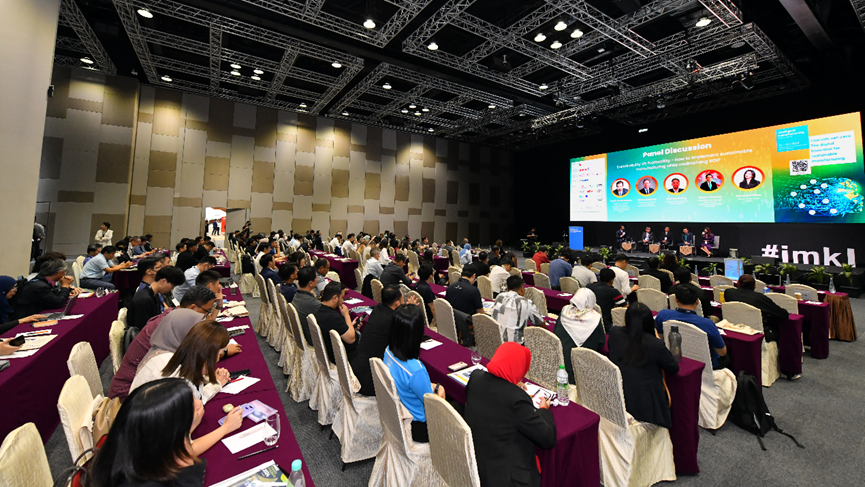
    Held at the Kuala Lumpur Convention Centre (KLCC) in Malaysia, the event employed a variety of formats to engage participants. Central to the programme was a two-day conference, accompanied by Tech Lab sessions and product showcases.

    At the conference, speakers presented in-depth yet approachable insights on AI, digital twins, ESG implementation and other relevant smart manufacturing topics. Dr Chua Wen-Shyan, Head of Malaysian Smart Factory at SHRDC, the conference co-organiser, explained: “Intelligent Manufacturing Kuala Lumpur’s conference brings in technology experts to share global trends and perspectives. We have topics ranging from how smart factories are created internationally to where the Malaysian industry is today in comparison to global benchmarks. We want to make it relatable for Malaysian industries, to show that it is not a far-off journey, but something they can start today.”

    Alongside the main conference, attendees could attend Tech Lab sessions and join the product showcase area. These components provided further expert-led discussions and practical demonstrations of the technologies and concepts presented in the conference sessions.

    Feedback from speakers:
    “This is my second time speaking at Intelligent Manufacturing Kuala Lumpur. At the first edition, the vision was set to establish it as the region’s definitive smart manufacturing event. This year, the programme is focused on pairing digitalisation with sustainability, a particularly important topic, as both market demand and regulations are pushing companies toward these twin transformations.”
    Prof Dr David Romero, Scientific Vice-Chairman, World Manufacturing Foundation and Professor of Advanced Manufacturing, Tecnológico de Monterrey, Mexico

     “Digitalisation is a broad concept that companies often find challenging to navigate. Intelligent Manufacturing Kuala Lumpur does a great job of raising awareness and helping participants understand how digitalisation applies to their specific business contexts. Importantly, the event brings together people from the private sector, public institutions, government and research institutes, encouraging the kind of collaboration needed to bring forward digitalisation regionally.”
    Mr Zeger-Jan van de Weg, CEO, Flowfuse

     “As a first-time speaker at Intelligent Manufacturing Kuala Lumpur, I am impressed by the event’s emphasis on Industry 4.0, highlighting efforts from both government and private organisations. There is an excellent mix of international and local content, which allows companies to benchmark themselves globally. The setup and delegate quality are exceptional. It has been a massive success, and we’ll be back next year.”
    Dr Bala Amavasai, Chief Technology Officer – Industry, Celebal Technologies

     “At the conference, I was able to reach over 200 participants at once, something that would take a year going factory to factory. The audience was highly engaged, asking great questions. Then, we could reinforce these ideas at our booth. People could come and say ‘You say this works, but how?’, and we could show them right there. It has been a productive event for us. We’ve had a continuous stream of visitors, and we look forward to participating again next year.”
    Mr Sakthivel Narayanasamy, Chairman, Quantum Computing

    “At Synergies, we have seen a shift in the global supply chain from China to Southeast Asia, particularly Malaysia and Vietnam. Our partner, FSBM, recommended Intelligent Manufacturing Kuala Lumpur because it brings together a mix of government policy leaders, technology providers and customers. It is very unique, having so many different industry stakeholders at one conference. The audience was highly engaged, and we saw a lot of international faces in the audience.”
    Dr Michael Chang, Chief Executive Officer, Synergies Intelligent Systems

    Feedback from product showcase contributors:

    “For MPDV, our decision to attend Intelligent Manufacturing Kuala Lumpur was driven by last year’s strong audience turnout. The event’s format is very effective. The conference encourages active participation and learning, while the product showcases provide a deeper understanding of the practical aspects. This setup attracts delegates with very specific needs and objectives, and through this focus, I think that it is well-positioned to advance the manufacturing sector in the region.”
    Mr Kyle Ong, Sales Manager, MPDV Malaysia Sdn Bhd

     “Today, we have met with many of our target clients – end users from the manufacturing sector seeking practical solutions. They are coming with clear objectives and showing strong interest in our offerings. While we are open to immediate business, our main focus is on finding quality leads and getting a feel for the industry’s direction. It’s a platform that allows everyone in the industry to participate, to share their pain points and requirements.”
    Mr Pang Kiew Kun, Managing Director, FSBM MES Elite Sdn Bhd

    “We are seeing a lot of C-level executives here, which is something that is uncommon at other events. These visitors can make decisions for their companies – exactly our target audience. The Tech Lab is a great addition as well, as it gives us a chance to share our knowledge and showcase our factory monitoring and ESG solutions. We’re seeing more people engage with the Tech Labs as the event progresses.”
    Mr Zulfadli Saifun, Key Account Sales, Advantech Co Malaysia Sdn Bhd

    Feedback from conference delegates and visitors:

    “As a data analysis vendor, I came to this event looking for MES systems for my client. The sessions have been really helpful, especially the one on work order planning. It’s given me a lot of ideas and insights to share with my clients. After attending for two days, I have a better understanding of what the industry is currently working on. I’ll likely join the next edition as well.”
    Ms Euriss Sow Poh Ling, Senior Technical Manager, ATG-Nexus Sdn Bhd

    “I was particularly impressed by the presentations from FSBM and the sessions on Arduino and Raspberry Pi. In academia, we tend to concentrate on textbooks and theory, so the practical exposure offered at this event has been very beneficial. This year, I’ve noticed that the programme includes a greater emphasis on AI, with interactive presentations and case studies that made the sessions more engaging.”
    Dr Ho Kok Hoe, Senior Lecturer, School of Engineering, Monash University Malaysia

     “The Tech Lab sessions introduced me to manufacturing concepts beyond my usual software development sphere. The speakers were highly experienced in their fields and were adept at explaining complex topics. I’ve gained a broader perspective on current trends in the industry, and look forward to implementing some of these ideas in my role.”
    Mr Kam Wah Lee, Principal Engineer, Western Digital

    The next edition of Intelligent Manufacturing Kuala Lumpur will be held from 7 – 9 May 2025.

    Intelligent Manufacturing Kuala Lumpur is organised by Messe Frankfurt (HK) Ltd. The conference session is co-organised with the Selangor Human Resources Development Centre (SHRDC). The event is supported by a number of prominent organisations and industry associations, including:

    • Communication 21 Media Group Sdn Bhd
    • International Alliance of Robotics Associations (IARA)
    • Machinery and Engineering Industries Federation (MEIF)
    • Malaysian Industrial Development Finance Berhad (MIDF)
    • Malaysia Productivity Corporation (MPC)
    • Malaysia Robotics & Automation Society (MyRAS)
    • Malaysian Rubber Products Manufacturer’s Association (MRPMA)
    • Malaysian Timber Council (MTC)
    • The National ESG Association of Malaysia
    • TusStar Malaysia
    • Smart4wrd