Menjelang penghujung 2025, kedudukan pelaburan langsung asing (FDI) Malaysia berjaya melepasi angka RM1 trilion buat pertama kali dalam sejarah. Dengan nilai mencecah RM1.069 trilion, pencapaian ini menunjukkan keyakinan pelabur antarabangsa terhadap hala tuju ekonomi Malaysia terus berada pada tahap yang kukuh. Kalau beberapa tahun lalu perkara ini dilihat sukar untuk dicapai, kini ia sudah menjadi realiti.
Antoine Veillon, Group CEO of IEC Telecom Group, shared that Malaysia represents one of Southeast Asia’s most dynamic digital growth markets, driven by strong investment momentum, supportive policies, and increasing demand for reliable, enterprise-grade connectivity.
Apa yang lebih menarik, aliran modal ini bukan sekadar angka di atas laporan kewangan. Nama-nama besar yang terlibat membuktikan potensi sebenar Malaysia di mata dunia. Microsoft misalnya mengumumkan pelaburan bernilai USD2.2 bilion untuk pembangunan infrastruktur awan dan teknologi AI di Malaysia, manakala Google pula menyusul dengan pelaburan USD2 bilion bagi pembangunan pusat data serta perluasan perkhidmatan awan mereka.
Pelaburan seperti ini bukan dibuat secara suka-suka atau bersifat sementara. Ia adalah komitmen jangka panjang daripada syarikat global yang sangat teliti dalam menilai risiko dan potensi sesebuah pasaran. Kehadiran syarikat-syarikat gergasi ini menunjukkan Malaysia kini bukan lagi sekadar pasaran membangun yang diperhatikan dari jauh, tetapi sudah mula dilihat sebagai destinasi penting untuk pelaburan digital bertaraf global.
Hisham Ghaffar, Managing Director, APAC, IEC Telecom, emphasised that operational continuity will be key to Malaysia’s digital transformation, with hybrid connectivity models and LEO satellite solutions playing an increasingly integral role in strengthening network resilience.
Bagi mereka yang mengikuti perkembangan ekonomi dan teknologi di rantau ini, momentum seperti ini sebenarnya bukan sesuatu yang mengejutkan. Malaysia sejak beberapa tahun kebelakangan ini menunjukkan perkembangan yang konsisten dalam sektor digital dan teknologi.
Menurut Antoine Veillon, Ketua Pegawai Eksekutif Kumpulan IEC Telecom yang mempunyai lebih tiga dekad pengalaman dalam industri telekomunikasi satelit global, Malaysia kini berada dalam kelompok pasaran digital yang berkembang paling pantas di Asia Tenggara. Syarikatnya juga baru-baru ini membuka operasi di Malaysia sebagai sebahagian daripada strategi pengembangan serantau mereka.
As Malaysia’s digital economy expands rapidly, ensuring consistent and reliable connectivity across all regions remains essential to support SMEs, enable nationwide growth, and fully realise the country’s digital ambitions.
Menurut beliau lagi, gabungan pelaburan yang semakin kukuh, dasar kerajaan yang mesra pembangunan serta permintaan tinggi terhadap sambungan yang stabil menjadikan Malaysia sebuah pasaran yang cukup menarik untuk pembangunan infrastruktur jangka panjang. Dalam dunia hari ini, sambungan bukan lagi sekadar kemudahan, tetapi sudah menjadi faktor penting yang menentukan daya saing ekonomi sesebuah negara.
Globally, as investments in cloud, AI, and digital infrastructure accelerate, resilient and multi-layered connectivity networks are becoming a critical foundation for sustaining growth and competitiveness in the digital economy.
Namun begitu, pengumuman pelaburan besar hanyalah sebahagian daripada cerita yang lebih besar. Persoalan utama sekarang ialah sama ada infrastruktur sambungan sedia ada mampu bergerak seiring dengan kepesatan pembangunan yang sedang berlaku. Inilah perkara yang akan menentukan sama ada Malaysia benar-benar mampu muncul sebagai hab digital serantau yang kukuh atau sekadar berkembang lebih laju daripada kemampuan infrastrukturnya sendiri.
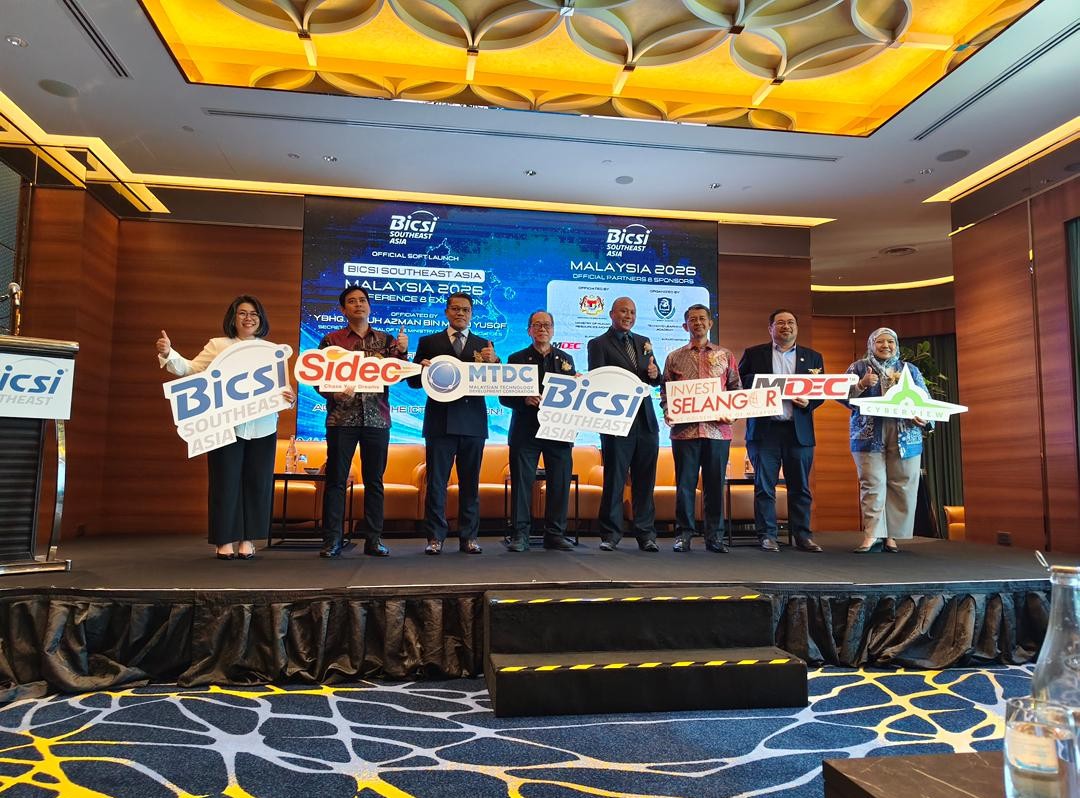
The return of the BICSI Southeast Asia Malaysia Conference & Exhibition 2026 marks a pivotal moment in Malaysia’s journey toward becoming a primary digital infrastructure hub for the region. Recently introduced via a soft launch officiated by Datuk Azman Mohd Yusof, Secretary General of the Ministry of Human Resources, the event is set to take place on July 21 and 22 at Sunway Resort Hotel. This second edition builds upon the momentum of previous successful gatherings in Johor Bahru and Vietnam, specifically targeting the advancement of ICT infrastructure within a world increasingly shaped by artificial intelligence.
Mary Elizabeth Cheng, Founder of TECLA and Executive Director of BICSI Southeast Asia, stressed the importance of investing in specialized training and global certifications to build a sustainable, future-ready talent pipeline for the ICT industry.
At the heart of this initiative is a focus on human capital. With the ICT sector currently contributing nearly a quarter of Malaysia’s national economy and supporting over 1.25 million jobs, the demand for specialized talent has never been more pressing. Datuk Azman highlighted that with RM342 billion in digital investments approved in recent years, the industry is poised to create over 114,000 new roles. However, the complexity of these roles—ranging from data center management to AI network design—requires a workforce equipped with globally recognized certifications. By aligning with international bodies like BICSI, Malaysia aims to bridge the skills gap and ensure its professionals meet the highest global standards.
Organized by Tecnoviq Learning Academy (TECLA), the conference serves as a strategic intersection for industry-driven training and national policy, such as the Dasar TVET Negara 2030. Dr. Garies Chong, Executive Chair of BICSI Southeast Asia, emphasized that the organization’s mission remains focused on nurturing a resilient ICT ecosystem through regional collaboration and standardized excellence. This commitment was evident at the soft launch, which saw participation from key government and digital agencies including MDEC, Invest Selangor, and Cyberview, as well as major technology associations like PIKOM.
The BICSI SEA Beyond 2026 Forum hosted an insightful session where industry partners explored the future of digitalization within today’s AI-driven landscape.
The upcoming July event is set to be a significant gathering of regional policymakers, educators, and technology providers. Supported by an array of international corporate sponsors—including Softing AG, SENKO Advanced Components, and Datwyler AG—the exhibition provides a unique platform for organizations to showcase innovation and engage directly with the stakeholders driving the digital economy. As preparations continue, the organizers remain open to corporate partnerships, inviting industry leaders to help shape the future of Southeast Asia’s digital landscape.
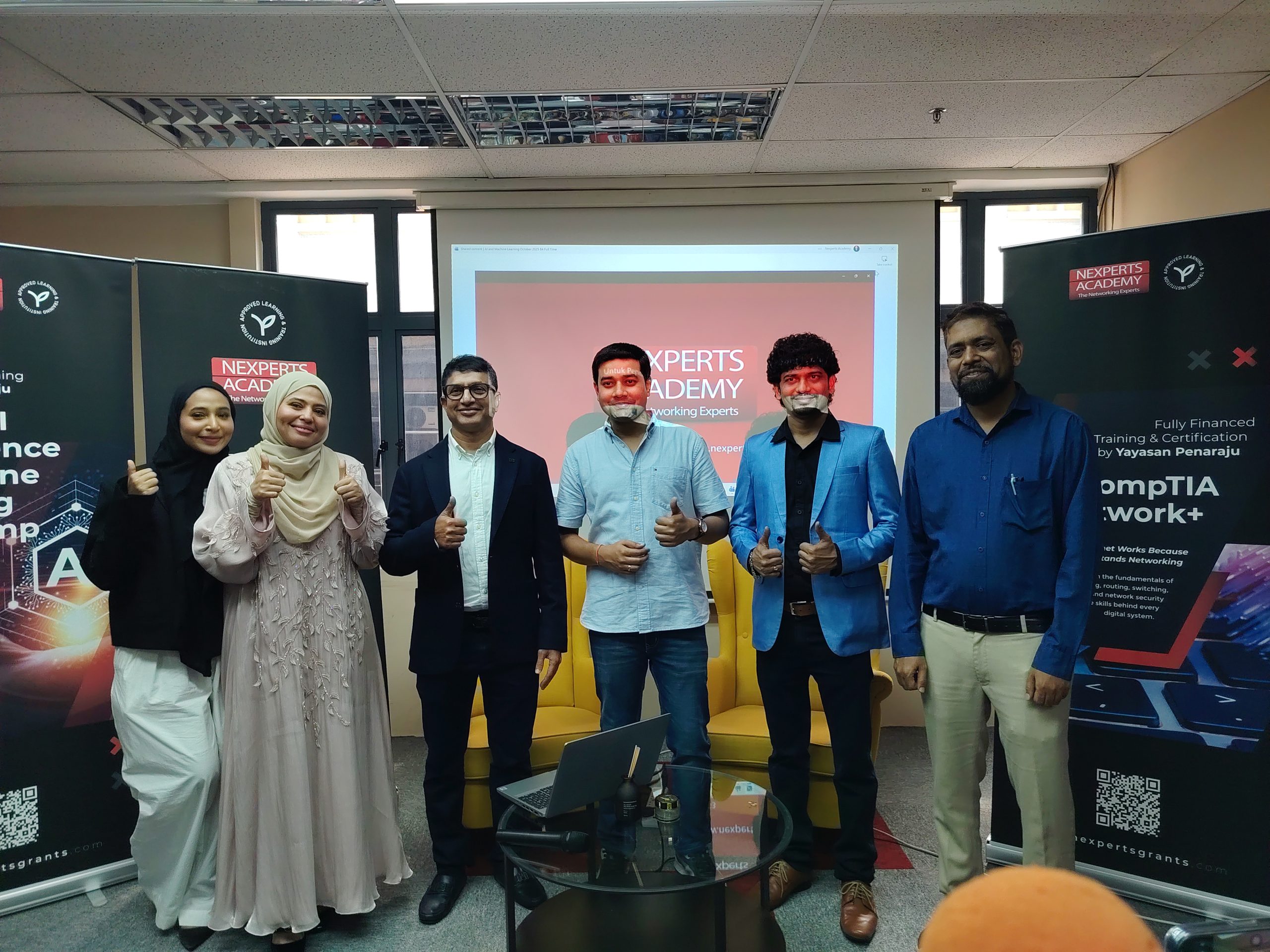
Sejak diperkenalkan pada Mac/April 2025, inisiatif pembiayaan pendidikan oleh Yayasan Peneraju telah menjadi pemangkin penting dalam memperluas penyertaan Bumiputera dalam sektor teknologi bernilai tinggi. Menjelang penutupannya pada Disember 2025, program ini telah memberi peluang kepada Bumiputera berusia 16 tahun ke atas daripada pelbagai latar belakang untuk mengikuti latihan profesional dalam bidang Artificial Intelligence (AI), Machine Learning (ML), Cybersecurity, Networking dan Cloud Computing, iaitu bidang teras yang menggerakkan transformasi ekonomi digital negara.
Walaupun inisiatif ini berada dalam fasa penutupan, permohonan bagi pengambilan terakhir masih dibuka. Nexperts Academy turut menyediakan elaun latihan kepada peserta yang layak di bawah program ini. Skim pembiayaan ini menawarkan mekanisme yang amat digalakkan peserta, termasuk 0% bayaran balik (Silver-tier) apabila syarat dipenuhi. Bagi kursus yang mempunyai peperiksaan, pembiayaan akan menjadi tanpa bayaran balik apabila peserta mencapai kehadiran yang ditetapkan dan lulus peperiksaan. Bagi kursus tanpa peperiksaan, pembiayaan bertukar kepada pembiayaan tanpa bayaran balik setelah peserta menamatkan keseluruhan kursus. Maklumat lengkap boleh dirujuk di laman rasmi Yayasan Peneraju.
Sebagai salah satu penyedia latihan dilantik (ALTI), Nexperts Academy Sdn. Bhd. yang beroperasi di Petaling Jaya merupakan antara institusi yang menawarkan kursus berfokus industri di bawah inisiatif ini, selain universiti dan penyedia latihan lain. Peserta bebas memilih kursus dan penyedia latihan sebelum memohon pembiayaan melalui Yayasan Peneraju.
Permintaan terhadap tenaga mahir dalam bidang Cloud Computing, Networking, AI, Keselamatan Siber dan analitik data semakin meningkat seiring perkembangan teknologi. Banyak syarikat melaporkan kewujudan kekosongan pekerjaan namun kekurangan bakat tempatan untuk mengisinya. Dalam masa sama, risiko serangan digital semakin meningkat, menjadikan sektor keselamatan siber berada pada tahap paling kritikal.
Nexperts Academy turut melatih peserta dalam Certified Ethical Hacker (CEH), kursus keselamatan siber terkemuka dunia yang diiktiraf EC-Council. Kursus ini memberi pendedahan kepada teknik serangan sebenar, membolehkan peserta berfikir seperti penggodam bagi mengukuhkan pertahanan organisasi. Keperluan ini semakin ketara selepas beberapa syarikat tempatan menjadi mangsa serangan ransomware, termasuk sebuah syarikat yang kehilangan data operasi sepenuhnya sebelum penyerang menuntut bayaran tebusan dalam bentuk mata wang kripto. Situasi ini mengukuhkan keperluan melahirkan lebih ramai profesional keselamatan siber Bumiputera yang bersistem, berkompeten dan bersedia menghadapi ancaman moden.
Selain keselamatan siber, Network & Multicloud Bootcamp oleh Nexperts Academy merupakan antara kursus paling popular di bawah pembiayaan Yayasan Peneraju. Direka untuk peserta yang bermula dari sifar, bootcamp ini membolehkan mereka memperoleh tiga pensijilan antarabangsa: CompTIA Network+, CompTIA Cloud+ dan Microsoft Certified Azure Associate. Gabungan pensijilan ini membuka pelbagai laluan kerjaya termasuk IT Support, Network Engineer, Helpdesk Engineer serta potensi peningkatan ke peranan lebih tinggi seperti Cloud Engineer, Network Engineer Level 2 atau System Administrator. Laluan pensijilan ini turut menjadi alternatif untuk individu tanpa diploma atau ijazah IT, menjadikannya pilihan utama peserta baharu dan mereka yang ingin beralih kerjaya.
Pertumbuhan data dan penggunaan aplikasi moden menjadikan pusat data tradisional semakin mahal dan kompleks, mendorong lebih banyak organisasi beralih kepada cloud. Peralihan ini melonjakkan permintaan terhadap jurutera cloud terlatih dan menjadikan pensijilan berkaitan antara keperluan paling kritikal dalam transformasi digital negara.
Sepanjang program, peserta didedahkan kepada latihan industri dan simulasi dunia sebenar untuk memastikan kesiapsiagaan memasuki pasaran kerja. Pendekatan ini bukan sahaja membina kemahiran teknikal, malah membuka peluang kerja fleksibel seperti freelancing dan konsultansi.
Bootcamp AI & Machine Learning yang ditawarkan Nexperts Academy juga antara kursus paling tinggi permohonan. Peserta mempelajari teknik analisis data, automasi, pembangunan penyelesaian berskala kecil dan besar serta membina sistem yang mampu membuat keputusan berdasarkan input pengguna. Ramai peserta bukan IT mendapati kemahiran automasi meningkatkan prestasi kerja harian mereka dan memudahkan proses perniagaan. Misalnya, suri rumah yang ingin memulakan perniagaan kecil dapat menggunakan teknik analisis data untuk menilai trend pasaran dan mengenal pasti produk berpotensi tinggi.
Pengarah Nexperts Academy, Nazreen Abdul Ghani, menegaskan prinsip “Kenapa jadi basic kalau boleh jadi premium?”, percaya bahawa pendedahan kepada teknologi mampu menjadikan individu lebih produktif, kreatif dan bernilai dalam pasaran kerja moden. Menurut beliau, ramai Bumiputera memiliki potensi besar tetapi kurang akses kepada pensijilan global. Inisiatif Yayasan Peneraju membuka pintu kepada rakyat untuk mendapatkan kemahiran yang kini menjadi keperluan kritikal industri. Pensijilan membuka laluan kepada kenaikan pangkat, tawaran kerja baharu dan gaji lebih tinggi, seterusnya mengubah taraf hidup peserta dan keluarga mereka.
CEO Nexperts Academy, Vaheed, turut menegaskan kepentingan pembangunan bakat Bumiputera dalam pertumbuhan ekonomi digital negara. Beliau menekankan bahawa ekonomi digital Malaysia tidak dapat berkembang tanpa barisan bakat Bumiputera yang terlatih. Matlamat mereka ialah menjadikan peserta sebagai profesional bertauliah yang bersedia memasuki industri teknologi bernilai tinggi dan menyumbang kepada aspirasi Malaysia sebagai negara berkemampuan AI menjelang 2030.
Sebagai penutup program selama lapan bulan ini, media dijemput bertemu peserta yang telah menamatkan latihan. Alumni berkongsi kisah kejayaan termasuk peralihan kerjaya ke sektor IT, peningkatan kemahiran teknikal dan tawaran kerja baharu, mencerminkan impak jelas inisiatif ini terhadap mobiliti sosial Bumiputera dan pembangunan modal insan negara.
Permohonan bagi pengambilan terakhir masih dibuka sehingga 15 Disember 2025. Maklumat kursus Nexperts Academy boleh disemak di www.nexpertsgrants.com dan laman rasmi akademi di www.nexpertsacademy.com.
Malaysia is stepping up its game in the global digital arena with a bold move to fund its fast-growing creative industries. The Malaysia Digital Economy Corporation (MDEC) has unveiled a suite of new financial incentives to boost the development of local talents and position the country as a world-class hub for digital content creation.
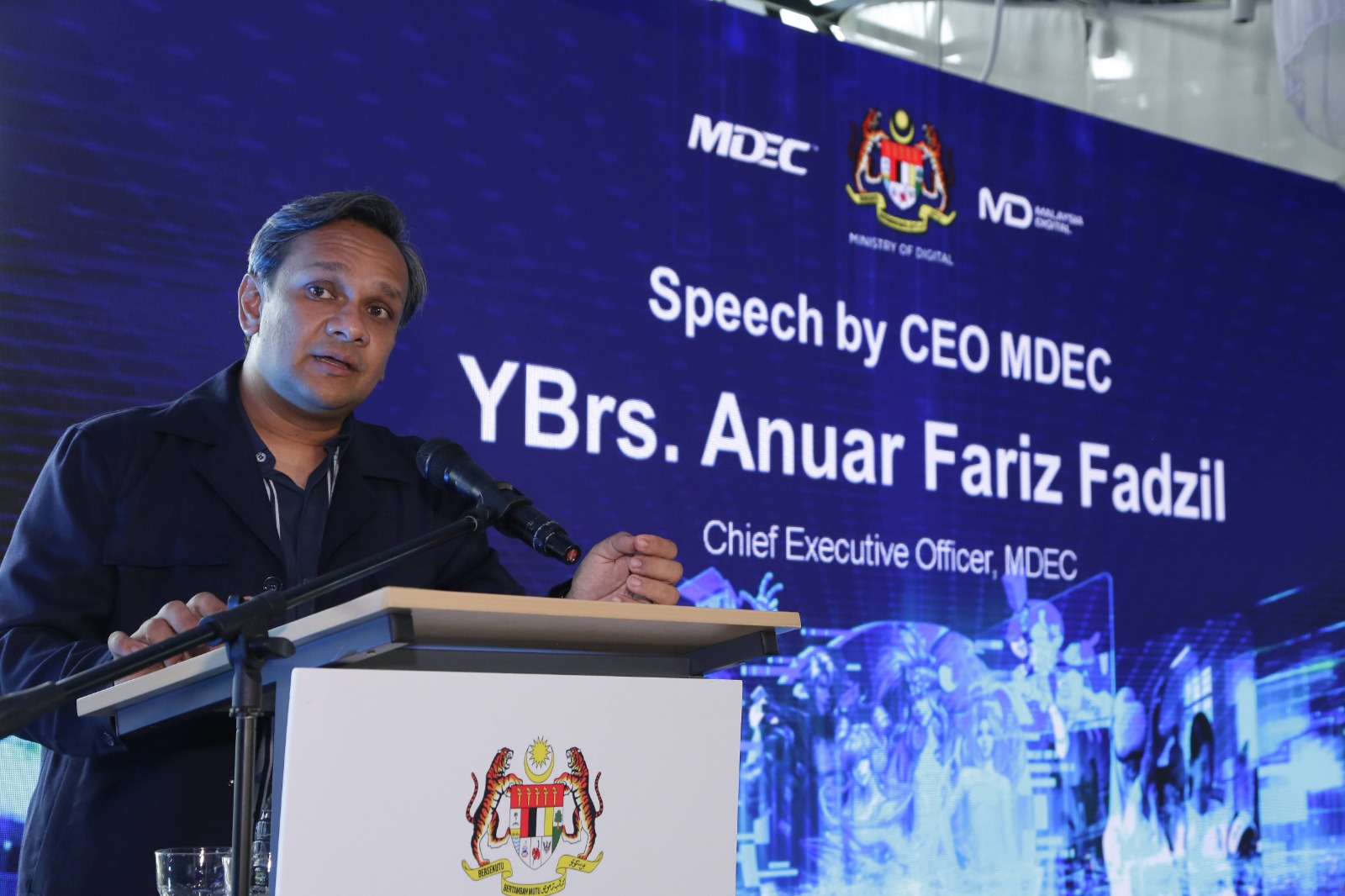
Speaking at the Digital Creative Industry Engagement Session 2025, MDEC Chief Executive Officer Anuar Fariz Fadzil described the digital creative sector encompassing games, animation, and immersive experiences as a strategic industry with long-term economic potential. “This is a high-value ecosystem that generates skilled jobs, exports, and local intellectual property,” he said.
He added that the newly launched programmes are tailored to strengthen the entire creative pipeline from nurturing talent and producing original content to enabling market expansion at the global level. “The industry is driven by passion and creativity, and our role is to support these creators in turning their ideas into viable, world-class products,” Anuar noted.
Over the past decade, Malaysia’s digital content industry has recorded RM87.25 billion in revenue and RM11.18 billion in export value, while employing more than 11,000 Malaysians. These figures, MDEC believes, underscore the importance of further empowering the sector with targeted support.
Among the new initiatives announced are three flagship programmes that focus on key creative segments:
Digital Games Testbed Programme (DGTP): With RM3.5 million in funding, this initiative supports at least five Malaysian-owned game development companies. Each studio is eligible to receive up to RM700,000 to innovate, expand their IPs, explore new genres, and establish international collaborations. DGTP aims to solidify Malaysia’s position as a competitive force in global game development.
Animation Shorts Challenge: Aimed at amplifying Malaysia’s animation capabilities, this competition-based initiative will support 12 local animators in producing original short films with strong IP potential. With RM1.2 million in total funding, the programme offers industry mentorship, technical support, and a platform to scale local talent to international recognition.
Business in Metaverse Programme: Targeted at 200 Malaysian businesses, this RM1 million programme offers up to RM5,000 per company to explore immersive branding using metaverse technologies. From virtual storefronts to gamified marketing and branded digital assets, the initiative is designed to help local businesses future-proof their marketing strategies and boost digital engagement.
Anuar reiterated MDEC’s mission to grow a robust and inclusive digital economy that nurtures innovation, attracts global investment, and creates jobs for Malaysians. “These incentives are more than just funding they’re about building a sustainable ecosystem that gives our creators and businesses the tools they need to thrive globally,” he said.
For more information on how to apply for these programmes, visit https://mdec.my.
The Business Digitalisation Initiative (BDI) is emerging as a game-changer for Malaysia’s MSMEs, offering comprehensive support to help businesses transition into the digital economy. Industry leaders have expressed their strong endorsement of the initiative, highlighting its role in equipping businesses with essential digital tools, financial aid, and strategic guidance. As the global economy becomes increasingly digital, initiatives like BDI ensure that small businesses are not left behind.
A key component of the initiative is its RM1.5 billion funding pool, which is made possible through collaborations with financial institutions, digital banks, and P2P lending platforms. This funding allows MSMEs to invest in digital tools, improve operational efficiencies, and expand their market presence. With financial barriers reduced, businesses can focus on growth and sustainability.
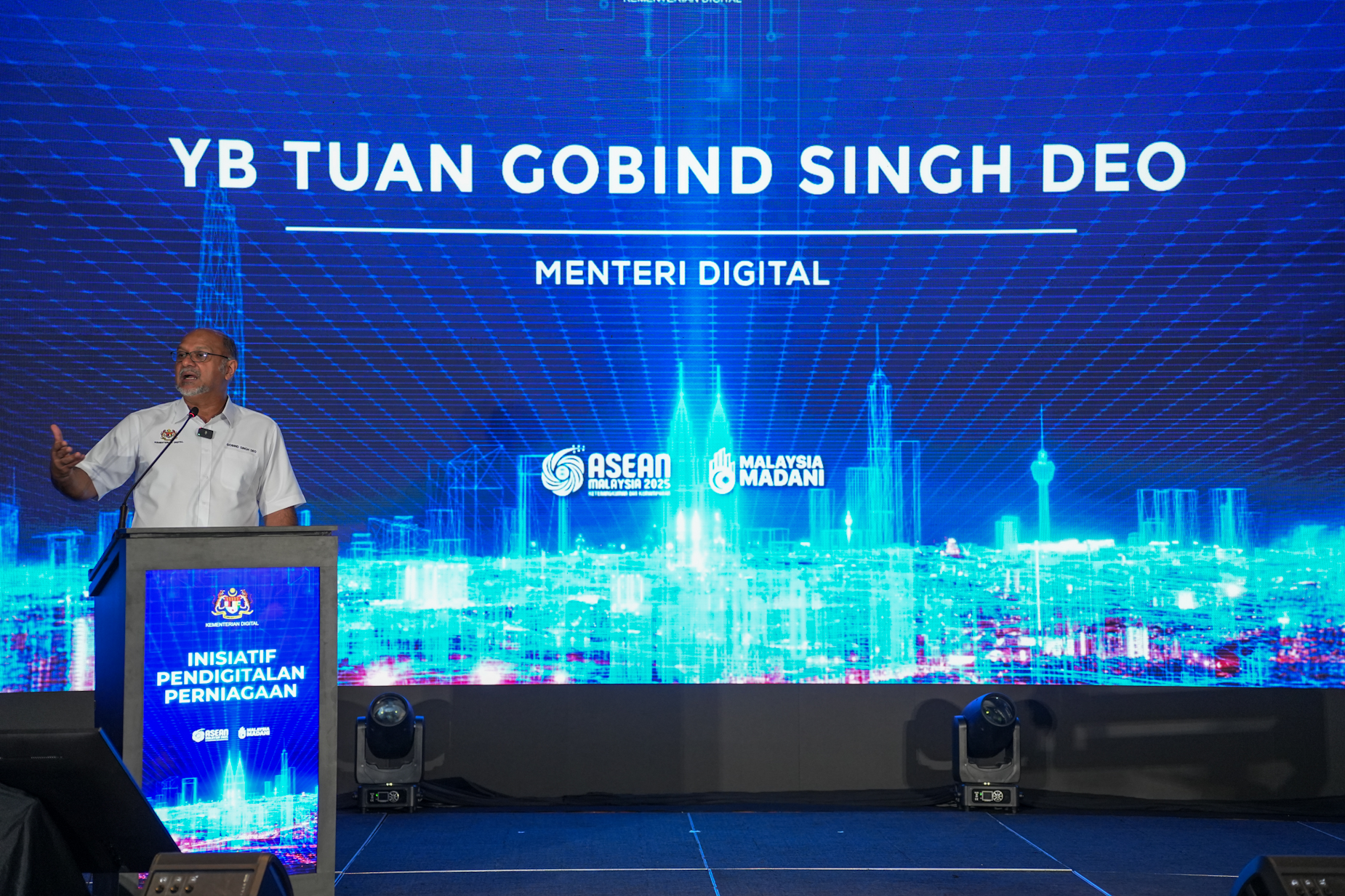
Digital Minister YB Gobind Singh Deo underscored the importance of this initiative in enhancing business resilience and competitiveness. He stated that the Madani Government’s commitment to digitalization is aimed at empowering MSMEs with technology-driven solutions that enhance productivity and efficiency.
Among the key offerings under BDI is its affordable e-invoicing solution, which is based on the Peppol framework. These digital invoicing tools, supported by 21 MDEC-accredited service providers, enable businesses to streamline financial transactions, ensure compliance, and enhance overall efficiency.
E-invoicing significantly reduces the complexity of managing business finances. By automating invoicing processes, businesses can minimize errors, speed up payment cycles, and maintain better financial records. This, in turn, allows MSMEs to allocate resources more effectively and focus on their core operations.
MDEC CEO Anuar Fariz Fadzil stressed that BDI is designed to address real-world challenges faced by small businesses. Many MSMEs struggle with limited access to funding, digital literacy gaps, and uncertainty about where to start their digital journey. The initiative provides a structured approach to help businesses overcome these obstacles.
The long-term benefits of digital adoption extend beyond operational efficiency. Businesses that embrace technology can access broader markets, improve customer engagement, and gain a competitive edge. With BDI’s support, MSMEs can confidently step into the digital future and harness new opportunities.
As Malaysia accelerates its digital transformation efforts, BDI plays a crucial role in ensuring that MSMEs remain at the forefront of innovation. By bridging the digital divide, the initiative strengthens the nation’s economy and empowers businesses to achieve sustainable growth.
Small businesses are the backbone of Malaysia’s economy, but many struggle with digitalisation due to financial barriers. To address this, the Malaysia Digital Economy Corporation (MDEC) and the Ministry of Digital have introduced a RM1.5 billion fund under the Business Digitalisation Initiative (BDI). This fund, created through public-private partnerships, aims to provide MSMEs with the financial resources they need to adopt digital solutions. With better access to funding, businesses can invest in tools that improve efficiency, boost competitiveness, and drive long-term growth. This initiative is a major step towards making digitalisation accessible to all.
Many MSMEs face challenges when transitioning to digital platforms due to limited budgets. Upgrading systems, investing in digital marketing, or implementing automation can be costly. Without proper funding, smaller businesses may struggle to keep up with digital trends. The RM1.5 billion fund directly addresses this issue by offering tailored financial assistance. By reducing financial burdens, businesses can focus on innovation and expansion.
To ensure flexibility, the BDI fund is being facilitated through various financing platforms, including traditional banks, digital banks, and peer-to-peer (P2P) lending platforms. This diverse approach ensures that businesses of all sizes and backgrounds can find suitable financing options. Whether a business needs a loan for e-commerce integration or a grant for software adoption, there are multiple avenues available. By providing alternative financing methods, the initiative ensures financial inclusion for all MSMEs.
The success of this initiative depends on strong partnerships between government agencies and private financial institutions. MDEC has worked closely with SME Corp. Malaysia, banks, and service providers to create a comprehensive financial support system. By pooling resources, this collaboration makes it easier for MSMEs to access capital without complicated processes. This “whole-of-nation” approach highlights the government’s commitment to fostering a digital-friendly business environment.
While financial aid is crucial, the initiative also focuses on providing expert guidance to MSMEs. Many small business owners may not be aware of the best ways to use digital tools for growth. Through mentoring programs, workshops, and advisory services, businesses receive hands-on support. This ensures that funds are used effectively, leading to real digital transformation rather than wasted investment.
As part of the initiative, 21 MDEC-accredited service providers are offering freemium and affordable e-invoicing solutions. Built on the Peppol framework, these tools streamline payment processes, reduce paperwork, and improve cash flow management. By adopting e-invoicing, businesses can maintain better financial records and access digital financing more easily. This move is designed to make financial transactions smoother and more transparent.
Beyond providing immediate financial aid, the BDI aims to create a sustainable digital economy. The goal is to help businesses become self-sufficient by improving efficiency and expanding their customer base through digital means. Over time, this will lead to increased revenues, job creation, and overall economic growth. MSMEs that embrace digitalisation today will be better positioned for future success.
The RM1.5 billion fund under the BDI is a game-changer for MSMEs in Malaysia. By making financing more accessible, businesses can confidently invest in digital solutions that drive efficiency and growth. With strong government support, strategic partnerships, and tailored financing options, MSMEs now have the opportunity to thrive in the digital economy. This initiative marks a crucial step in ensuring that every business, regardless of size, can compete in an increasingly digital world.
KUALA LUMPUR, 17 February 2025 – Malaysia’s digital economy remains at the forefront of national growth, with an increasing focus on enhancing innovation, boosting productivity, and shaping new business models that transcend industries. The Malaysia Digital Economy Corporation (MDEC) is steadfast in its role as a catalyst for the country’s digital transformation.
CEO Anuar Fariz Fadzil highlighted that Malaysia’s strategic focus on digital initiatives, particularly Artificial Intelligence (AI) and talent development, has positioned the country as a regional leader in digital excellence. Public-private collaborations further bolster Malaysia’s role as a hub for groundbreaking technologies like AI and quantum computing, with transformative impacts across various sectors including manufacturing, finance, and services.
“We remain committed to reaching or surpassing the 25.5% digital economy contribution to GDP by the end of 2025,” Anuar said. “MDEC is actively advancing digital transformation, talent development, and technology adoption to help businesses evolve and thrive in the digital age.”
The digital sector continues to be a significant driver for the national economy, with foreign direct investments (FDIs) playing a pivotal role in shaping Malaysia’s economic landscape. Data centre investments reached an impressive RM86 billion in 2024, solidifying Malaysia as Southeast Asia’s leading data centre hub, with 77 data centres nationwide.
Malaysia’s economic growth saw a significant boost in 2024, with the country’s GDP growing by 5.1%, surpassing the 3.6% growth recorded in 2023. The growth was driven by strong export performance, substantial investment approvals, and progress in long-term public-private projects, including digital economy initiatives under the Digital Economy Blueprint and the New Industrial Master Plan 2030.
“The digital economy is an increasingly significant pillar of Malaysia’s recovery and prosperity,” Anuar emphasized. “The acceleration of digital investments is providing essential support for job creation, high-value employment, and national competitiveness.”
Under the Malaysia Digital (MD) initiative, approved digital investments for 2024 reached RM163.6 billion, exceeding 2023’s total by an extraordinary 250%. These investments have created over 48,000 new jobs, more than doubling the number of jobs created in the previous year, further demonstrating the growing role of the digital industry as a key driver of high-skilled employment.
Malaysia’s strategic location at the heart of ASEAN, coupled with its rich talent pool and expansive land resources, makes it an attractive destination for global investment. Top FDI inflows come from countries like Singapore, the United States, China, Australia, and India. Key sectors such as Global Business Services (RM139 billion), Information Technology (RM23 billion), and Creative Content (RM887 million) are all contributing to Malaysia’s vibrant digital economy and creating a significant number of high-value jobs.
MDEC’s emphasis on state-level digital development aims to enhance digital infrastructure, foster AI ecosystems, and drive digital transformation for SMEs across the nation. This state-focused strategy ensures that every region can contribute meaningfully to Malaysia’s overall digital economy goals.
“We will continue to attract world-class AI companies to set up operations in different states and promote the expansion of our homegrown tech champions into international markets,” Anuar said.
Anuar recently led a delegation to Johor, where he met with Chief Minister Datuk Onn Hafiz Ghazi and other state leaders to explore opportunities for collaboration. Anuar recognized Johor as a state with immense potential in the digital economy, owing to its strategic location and progressive policies that foster innovation and growth.
“Johor is on track to become a key regional hub for data centres, fintech, and digital content, supported by initiatives like the Johor-Singapore Special Economic Zone and the Iskandar Animation and Games Hub,” Anuar said. “These initiatives create an environment ripe for attracting international investments and generating high-value job opportunities.”
MDEC is set to return to Johor in the coming week to implement the plans discussed, ensuring that these digital economy initiatives are carried forward with actionable results.