
It often begins with a mild cough, a sudden rash, or a low-grade fever. Within days, a child who was meant to be in school is resting at home, while parents juggle work commitments, concern, and caregiving. Common childhood illnesses such as hand, foot and mouth disease (HFMD), influenza, and measles seem to circulate endlessly, especially in crowded environments like classrooms, childcare centers, or birthday parties. These infections can disrupt daily routines, affect appetite and energy levels, and temporarily hinder a child’s learning and development.
According to Dr Ch’ng Tong Wei, Consultant Paediatrician and Paediatric Infectious Disease Specialist at Sunway Medical Centre, Sunway City, this pattern is entirely normal. Young children, particularly those attending preschool for the first time, can fall ill as many as eight to twelve times a year. This happens because their immune systems are still developing. Each infection helps the body learn to recognize germs and produce antibodies, gradually strengthening immunity. In contrast, older children and adults tend to fall sick less frequently because their immune systems have matured through repeated exposure over time.
In Malaysia’s tropical climate, several infections are especially common. Influenza tends to surge during year-end periods and school reopening seasons, while viruses such as RSV and adenovirus frequently cause prolonged coughs and cold-like symptoms. HFMD spreads easily in childcare settings, while gastroenteritis leads to vomiting and diarrhea. Dengue remains a year-round concern due to mosquito exposure, and diseases like chickenpox and measles still occur when vaccination coverage declines.
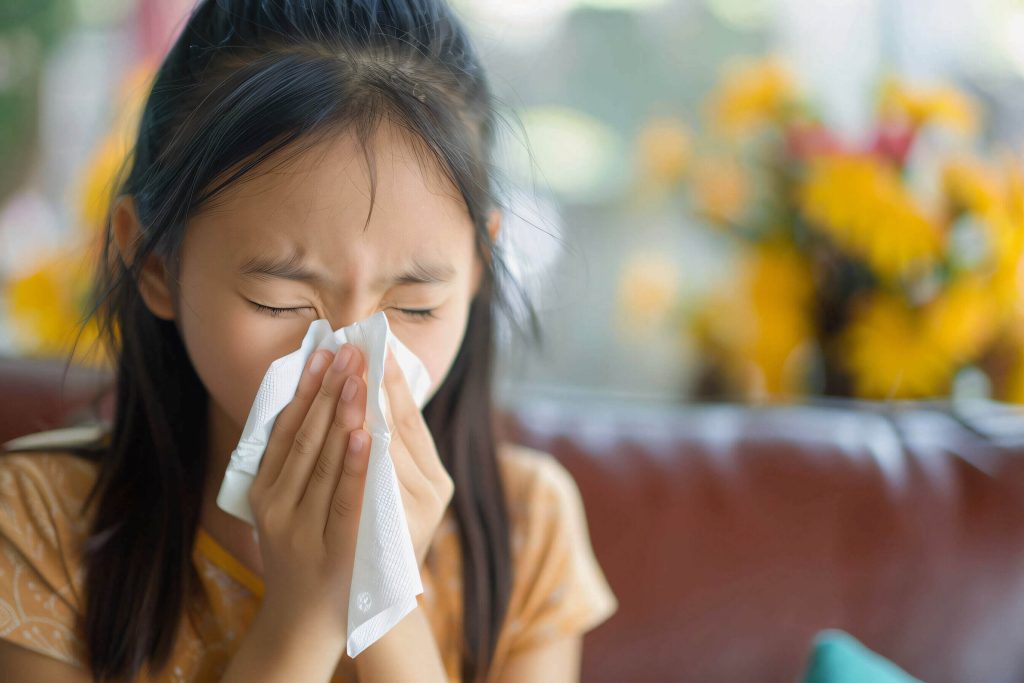
For parents, it can be difficult to distinguish between a mild illness and something more serious. Dr Ch’ng explains that most infections in otherwise healthy children are self-limiting. If a fever lasts less than three days, the child remains active, and they are still able to eat and drink, even with reduced appetite, it is usually a mild infection. However, warning signs such as fever lasting more than three days, breathing difficulties, excessive drowsiness, persistent vomiting or diarrhea, or rapidly spreading rashes should never be ignored. Prompt medical attention is crucial when these symptoms appear.
Although rare, underlying immune disorders may be suspected when a child experiences unusually frequent or severe infections. These children may require repeated hospitalizations, suffer from recurring viral or fungal infections, or show poor growth and weight gain. In such cases, doctors may recommend specialized blood tests or referrals to immunologists, though these investigations are only done when there are clear indications.
A child’s immunity is influenced by various factors including genetics, environment, lifestyle, and preventive care. Conditions such as asthma, eczema, or allergies can make some children more prone to infections. Exposure to second-hand smoke, pollution, and crowded spaces can also increase illness frequency. While genetics cannot be altered, parents can support immune health through adequate sleep, regular physical activity, outdoor play, balanced low-sugar diets, sufficient intake of fruits and vegetables, vitamin D supplementation, and proper hand hygiene. Expensive supplements are generally unnecessary when healthy routines are in place.
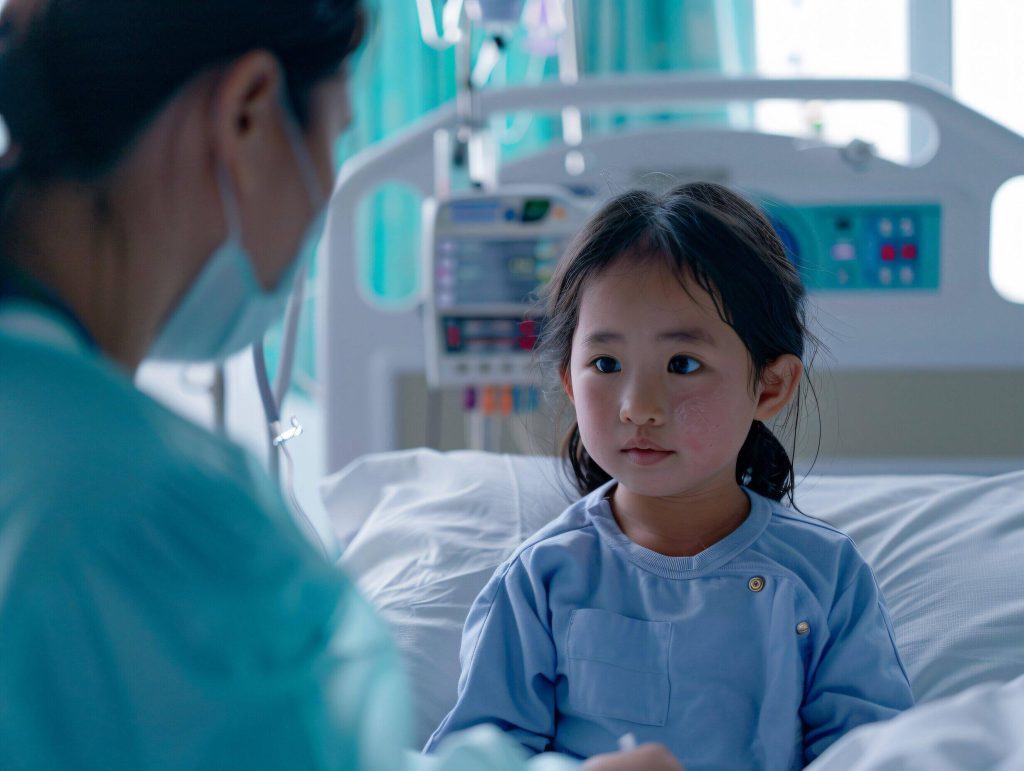
Prevention remains a cornerstone of childhood health. Simple practices like handwashing and avoiding unnecessary exposure to crowds can significantly reduce infections. Vaccination is especially vital, as routine and optional vaccines protect children from severe and preventable diseases. Regular health check-ups also play an important role in monitoring growth, development, and overall wellbeing, rather than waiting until a child becomes ill.
Ultimately, childhood illnesses are a natural part of growing up. Parents should not feel guilty when their child falls sick. By recognizing warning signs, maintaining healthy habits, and seeking medical advice when necessary, families can navigate early childhood with greater confidence and peace of mind.