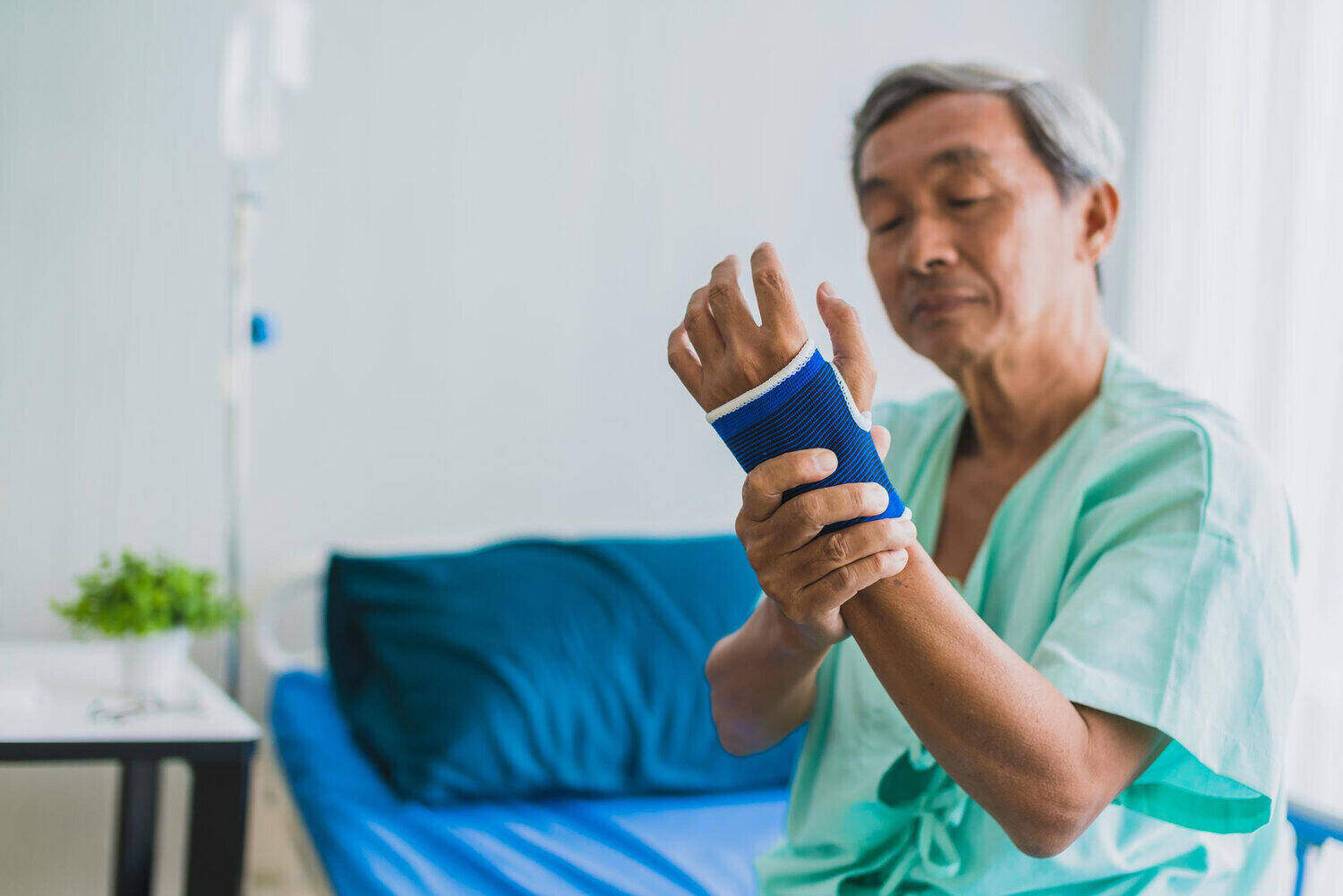
Osteoporosis, often called the “silent disease,” quietly weakens bones over time, showing no symptoms until a fracture occurs from what seems like a minor fall or simple movement. Dr Edward Chong Kah Chun, Consultant Geriatrician at Sunway Medical Centre, explains that most people are only diagnosed after a fragility fracture—breaks caused by minimal trauma—which means significant bone loss has already taken place. Common fractures occur in the hip, spine, and wrist, each carrying serious consequences. Hip fractures can lead to prolonged immobility and even life-threatening complications, while spinal fractures cause chronic pain and nerve irritation, and wrist fractures can significantly hinder daily activities. Beyond the physical impact, osteoporosis can also affect mental well-being, with many patients developing a “fear of falling,” reducing mobility, and leading to muscle weakness and social isolation.
In Malaysia, osteoporosis is on the rise due to diet and lifestyle factors. Many Malaysians consume insufficient calcium-rich foods such as milk, yogurt, tofu, and green vegetables, while vitamin D deficiency is common because of limited sun exposure. Women are particularly at risk post-menopause due to declining oestrogen levels, but men with poor diets, smoking habits, or long-term medication use are also susceptible. Early detection is crucial. According to Malaysia’s Clinical Practice Guidelines on the Management of Osteoporosis 2022, screening is recommended for women over 50, men over 70, and anyone who has experienced a low-trauma fracture. The DEXA scan—a simple, non-invasive test measuring bone mineral density—is the standard diagnostic tool.

Prevention and treatment combine lifestyle adjustments with medical interventions. Adequate nutrition, including around 1,000 mg of calcium and 800 IU of vitamin D daily, along with weight-bearing exercises such as walking, jogging, resistance training, or Tai Chi, can help strengthen bones and improve balance. For severe cases, oral medications or injectable therapies are used alongside proper follow-up care. Families play a vital role in ensuring patient safety, from removing trip hazards and improving lighting at home to encouraging regular physical activity and supporting nutritious diets.
Dr Edward emphasizes that osteoporosis prevention should start early with good nutrition, sunlight exposure, and regular movement. Community initiatives such as walking clubs, exercise sessions, and nutrition workshops can further promote strong bones and long-term mobility. “Strong bones are the foundation for independence and quality of life. Don’t wait for a fall to remind you how precious they are,” he advises.