Category: Technology & Innovation

  • Paydibs Strengthens Malaysian Merchants by Promoting Digital Inclusion

    Paydibs Strengthens Malaysian Merchants by Promoting Digital Inclusion

    Across Malaysia, small business owners are increasingly transforming the way they sell, manage, and connect with customers, signaling a broader shift in the nation’s digital economy. From retailers integrating online ordering systems to street food vendors experimenting with digital payments, each small adaptation highlights the growing role of technology in everyday commerce. While Malaysia’s digital infrastructure and innovation are important, the true measure of progress lies in the breadth of participation among small and medium enterprises (SMEs). Recognizing this, Budget 2026 has allocated RM150 million to accelerate SME digital adoption and RM200 million to support innovation commercialization, demonstrating the government’s confidence in small businesses as drivers of digital growth.

    Despite consumer enthusiasm for cashless living, many SMEs face challenges such as rising operational costs, limited resources, and competing priorities. A recent Visa study revealed that only one in three SMEs have begun digitalizing their operations, underscoring the need for practical, affordable, and accessible digital tools. This is where digital inclusion becomes critical, enabling small businesses to integrate seamlessly into the digital economy without added complexity or cost. Paydibs, as a Registered Merchant Acquirer under Bank Negara Malaysia, is actively addressing this need through its NEO smart terminal and online platforms. By combining QR payments, card acceptance, and Buy Now Pay Later (BNPL) solutions, Paydibs allows merchants to process payments efficiently, access funds quickly, and manage their operations with a unified, cost-effective system.

    Digital inclusion extends beyond technology; it’s about accessibility and opportunity. Paydibs’ partnerships, such as with Alipay+, allow local merchants to accept payments from over 15 global e-wallets, opening the door for SMEs to reach international consumers and engage in cross-border trade. Furthermore, real-time transaction data empowers merchants to make informed business decisions, optimize inventory management, improve cash flow, and even qualify for financing. Inclusion, therefore, is both practical and strategic—it transforms digital adoption from an abstract goal into an everyday reality for businesses across Malaysia.

    As the nation aims to build a high-value digital economy, collaboration between regulators, financial institutions, and technology providers becomes essential to ensure participation is inclusive, secure, and sustainable. Digitalization is no longer just a matter of adoption; it is a question of equity. From night market stalls to large retail chains, every merchant must feel equipped to compete in the digital space. By making inclusion the foundation of Malaysia’s cashless future, the country can create a connected, resilient, and widely owned digital economy. Paydibs continues to empower Malaysian businesses on this journey, offering solutions that make digital participation accessible and impactful for all.

  • AppWorks Highlights 8 Malaysia–Singapore Startups Pioneering Urban, SME, and Capital Innovation at MVCA 2025

    AppWorks Highlights 8 Malaysia–Singapore Startups Pioneering Urban, SME, and Capital Innovation at MVCA 2025

    AppWorks Demo Day #31 landed in Kuala Lumpur today as part of the Malaysian Venture Capital & Private Equity Association (MVCA) Conference 2025, themed Beyond Borders: Positioning ASEAN in the Global Private Capital Renaissance. The event highlighted eight dynamic startups from Malaysia and Singapore, all innovating across AI, Web3, robotics, and urban infrastructure, offering investors, corporates, and ecosystem builders a glimpse into Southeast Asia’s next generation of scalable ventures. Malaysian founders showcased solutions addressing everyday challenges—from urban congestion to accessible investment opportunities—with companies like Parkit, which optimizes parking infrastructure for businesses and MRT commuters; Carching, a data-driven out-of-home advertising platform using everyday vehicles; Plandora, providing AI-powered travel planning via creator-authenticated itineraries; and Singular, which democratizes access to private equity through on-chain fractional shares.

    Singapore-based startups presented Malaysia as a strategic first-market for regional expansion, demonstrating readiness to scale cross-border. These included Farmio, an AI-driven food supply chain platform; Fluid, a B2B payments and embedded credit solution; Hivebotics, which deploys AI-powered commercial cleaning robots; and Alpha Story, a platform turning complex technologies into clear, investment-ready digital narratives. Together, the eight startups illustrated a region-wide shift towards operational resilience, scalable solutions, and cross-border growth in line with Southeast Asia’s projected USD 360 billion digital economy by 2026 and a USD 120 billion AI-driven GDP uplift by 2027.

    The Demo Day combined rapid-fire pitches with an alumni fireside chat, providing actionable insights into scaling businesses across ASEAN markets. Speakers such as TK Chuah, Founder & CEO of Bootsorder, and Sophie Chu, Principal of AppWorks AI Arm, offered guidance on leveraging community support, navigating new regulatory environments, and adopting North Asia’s fast AI adoption trends to scale confidently. Highlighting Malaysia as a strategic bridge for talent, capital, and technology, the event emphasized that sustainable growth in Southeast Asia demands market agility, deep customer understanding, and cross-border collaboration. By positioning founders directly in front of investors and corporate decision-makers, AppWorks and MVCA reinforced Malaysia’s growing role as a hub for high-potential, regionally minded startups ready to make an impact across ASEAN and beyond.

  • BOMBA Certification Awarded to EPG, Enhancing Malaysia’s Credentials as a Data Center Manufacturing Hub

    BOMBA Certification Awarded to EPG, Enhancing Malaysia’s Credentials as a Data Center Manufacturing Hub

    EPG, a Singapore-based leader in modular data center solutions with advanced manufacturing facilities in Johor Bahru, has achieved a significant milestone by securing BOMBA certification from Malaysia’s Fire and Rescue Department for its containerized modular products. This achievement positions EPG as one of the first modular data center manufacturers to comply with Malaysia’s mandatory fire-safety standards, enabling the company to deploy its modular systems more efficiently across the country while reinforcing Malaysia’s reputation as a regional hub for high-growth data center technologies.

    BOMBA certification is a critical requirement for any data center or infrastructure equipment entering the Malaysian market, ensuring compliance with local fire-safety regulations, Malaysian Standards (MS), and internationally recognized ISO benchmarks. As Malaysia continues to emerge as a preferred destination for AI, cloud, and hyperscale infrastructure, the approval facilitates the rapid and safe deployment of prefabricated modular data center capacity, which is increasingly in demand in key regions such as Johor, Klang Valley, and Penang.

    The certification comes at a pivotal time for EPG, which is expanding its manufacturing footprint in Johor Bahru. The company currently operates two production plants and is in the process of developing a next-generation smart factory, an RM380 million (US$80 million) facility slated to begin operations in Q3 2026. The new factory will provide 40,000 m² of advanced production space, employ over 800 skilled workers, produce more than 2,000 modular units annually, and support up to 550 MW of data center project capacity. With BOMBA certification, Malaysia-manufactured units can be deployed domestically and exported to neighboring ASEAN markets including Thailand, Vietnam, and Indonesia, further solidifying the country’s role in the regional data center supply chain.

    An EPG spokesperson emphasized that the certification validates the company’s compliance with stringent fire-safety requirements and enhances customer confidence in the reliability and safety of its modular solutions for mission-critical environments. The BOMBA approval is also part of EPG’s broader global compliance strategy, supporting accelerated certification efforts in highly regulated regions across Europe and the Middle East, with its Malaysian hub serving as a central base for future market expansion. This milestone underscores Malaysia’s growing prominence as a manufacturing and export hub for advanced modular data center solutions in the region.

  • OpenSys Technologies Launches Pilot Program for PalmWav™

    OpenSys Technologies Launches Pilot Program for PalmWav™

    OpenSys Technologies Sdn Bhd, a subsidiary of OpenSys (M) Bhd, has unveiled PalmWav™, a pioneering prototype that leverages palm-recognition technology to enable seamless, device-free payments in Malaysia. Designed to integrate with the country’s existing payment ecosystem, including PayNet’s MyDebit network, PalmWav™ allows users to complete transactions simply by waving their hand over a reader, complementing traditional payment methods such as smartphones, physical cards, and wallets.

    The prototype was first showcased internally to OpenSys employees and key partners, with Kom.Fi Café in Kuala Lumpur and Bread Maison in Petaling Jaya serving as the initial pilot locations for live demonstrations. Powered by Tencent Cloud’s AI technology, PalmWav™ creates a unique, encrypted “palm signature” for each user, enabling secure authentication within seconds while maintaining the highest standards of privacy. Enrollment is straightforward, with users registering through the PalmWav™ mobile app or performing a one-time setup at participating merchants. Once registered, payments are completed simply by scanning the palm above the PalmWav™ reader.

    PalmWav™ operates in a controlled production environment to demonstrate interoperability with Malaysia’s payment systems. For consumers, the technology offers fast, frictionless transactions, eliminates the need for devices, and ensures privacy through encrypted palm templates. Merchants benefit from shorter queues, hands-free transactions, integration with loyalty programs, and a scalable solution that can support millions of users across multiple payment schemes.

    Security remains a top priority, with PalmWav™ employing enterprise-grade cybersecurity measures including end-to-end encryption, payment tokenization, and real-time fraud monitoring. “PalmWav™ reflects our commitment to innovation and our drive to explore new technologies that could redefine how Malaysians experience digital payments,” said Denis Koay, Group Chief Commercial Officer of OpenSys Group. Co-CEO of OpenSys Technologies, Wong Siew Pooi, added that the collaboration with Tencent Cloud demonstrates a new, safer, and more intuitive way to make payments in Malaysia.

    Through this pilot, OpenSys Technologies aims to study the potential of palm-based payments across multiple sectors, reinforcing its commitment to research and innovation while supporting Malaysia’s evolving digital economy. The PalmWav™ initiative highlights how biometric technology can create a simpler, faster, and more seamless payment experience, marking a significant step toward the future of digital transactions in the country.

  • Ferrotec Malaysia Boosts Manufacturing Efficiency with SAP

    Ferrotec Malaysia Boosts Manufacturing Efficiency with SAP

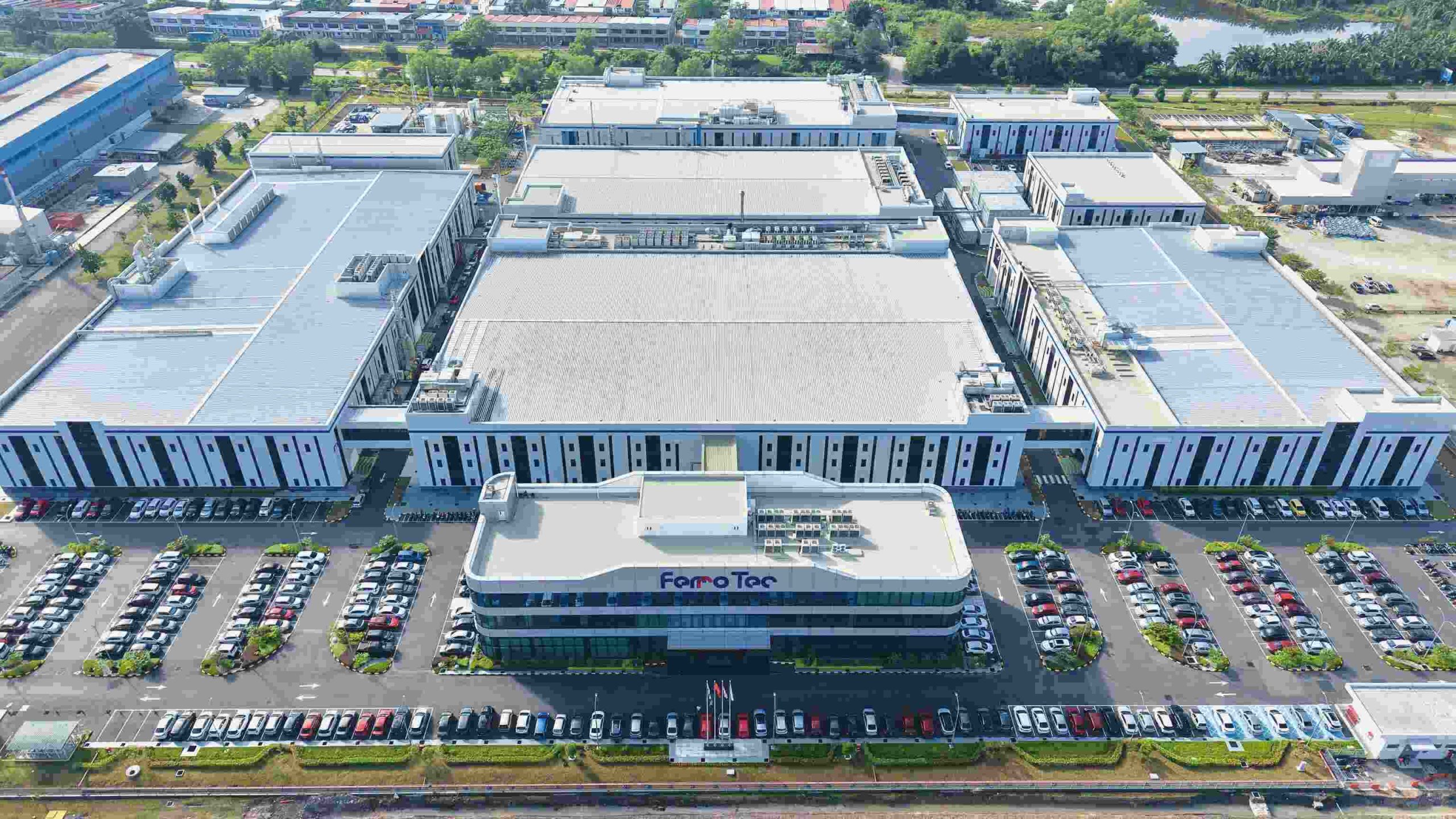
    Ferrotec Malaysia has taken a major step forward in advanced manufacturing by successfully implementing GROW with SAP, a cloud-based ERP solution designed to help fast-growing companies standardize operations and streamline processes. This implementation supports the company’s new manufacturing site in Kulim, Malaysia, completed in 2024 with an investment of approximately RM850 million, marking the first Southeast Asian plant for the Tokyo-listed Ferrotec Group. The facility produces high-precision materials and components for critical sectors such as semiconductors, automotive, and medical devices. As Ferrotec expanded its product lines and relocated several business units to Kulim, the company faced the challenge of integrating finance, sales, supply chain, and manufacturing processes under a unified system. Previously, the lack of a consolidated platform led to reliance on manual workflows and fragmented data, slowing decision-making and increasing operational risk.

    By choosing GROW with SAP, Ferrotec accelerated its cloud ERP adoption and laid a foundation for scalable growth. The results were immediate and measurable: procurement efficiency increased by 90%, finance productivity improved by 40%, supply chain process costs decreased by 50%, and data accuracy issues dropped by 80%. These improvements enable faster, data-driven decisions and more confident execution across the organization. Jason Ong, IT & IS Manager at Ferrotec, highlighted that the reliable ERP system supports the complex demands of advanced component manufacturing, ensuring smooth operations, higher productivity, and reduced costs.

    SAP Malaysia Managing Director Vipin Chandran emphasized that GROW with SAP provides a comprehensive cloud-based platform to streamline operations, improve efficiency, and support data-driven decision-making, empowering Ferrotec to modernize and scale with confidence. SAP partner Axxis Consulting played a crucial role in the two-phase implementation, covering Finance, Procurement, and Supply Chain in Phase 1, and Sales and Production in Phase 2, ensuring a seamless transition to the cloud. With real-time visibility, modern digital workflows, and a unified platform, Ferrotec is now better equipped for operational agility and future growth. The company is also exploring further enhancements, including advanced quality management, compliance, and additional SAP solutions such as SAP Business AI, SAP SuccessFactors, SAP Ariba, and SAP Customer Experience, to harmonize operations and strengthen its manufacturing capabilities.

    For more information on Ferrotec’s transformation, visit the SAP News Center.

  • Samsung QLED TV Teardown Reveals the Technology Behind Its Exceptional Value

    Samsung QLED TV Teardown Reveals the Technology Behind Its Exceptional Value

    Samsung Electronics continues to redefine the boundaries of television technology with its QLED TVs, a product line that showcases years of innovation and the pioneering use of cadmium-free quantum dot materials. This breakthrough technology has become central to achieving precise color reproduction and unparalleled picture quality, making QLED TVs stand out not only in the consumer electronics sector but also attracting attention in fields such as medical devices and solar energy. By integrating quantum dot technology, Samsung has elevated the viewing experience, offering brighter images, a wider color gamut, and remarkable detail that conventional LED TVs cannot match.

    At the core of every Samsung QLED TV is a sophisticated interplay of components designed to work in harmony. The rear cover, often overlooked, provides structural support, heat management, and houses speakers for immersive audio. Behind the panel, the main PCB serves as the “brain” of the television, regulating power, SmartThings connectivity, and remote control functions. The TV tuner, essential for traditional broadcast reception, and the Q4 AI Processor, which manages AI-driven picture and audio enhancements, together ensure an intelligent and responsive viewing experience. Samsung’s proprietary AI technology adapts both image and sound to suit the surrounding environment, creating a deeply immersive experience for viewers. Complementing these innovations are high-resolution speakers that provide room-filling sound and enhance the sense of realism.

    The panel itself is a marvel of engineering. Layers such as the liquid crystal display (LCD) and color filter manipulate light at the pixel level, producing finely detailed images. Optical sheets concentrate backlight, ensuring brightness and uniformity, while the diffuser plate distributes light evenly to prevent overly bright spots. Central to the QLED experience is the quantum dot (QD) layer, which converts light from the blue LED backlight into highly pure, vibrant colors. Certified as No-Cadmium, these quantum dots deliver safer, environmentally responsible performance while producing lifelike visuals. The blue LED backlight, when paired with the QD layer, achieves higher light efficiency and luminance than traditional white LED systems, enhancing both brightness and color fidelity.

    To qualify as a true quantum dot TV, three criteria must be met: a dedicated QD layer, sufficient quantum dot concentration, and a blue backlight. Samsung QLED TVs are the only models globally that meet all these requirements, earning the prestigious ‘Real Quantum Dot Display’ certification from TÜV Rheinland, an internationally recognised authority in product validation. This certification affirms the technological superiority and authenticity of Samsung’s displays.

    The difference between Samsung QLED and conventional LCD TVs is immediately apparent both to the eye and through technical measurements. QLED displays exhibit narrow emission bandwidths with sharp peaks for red, green, and blue colors, resulting in accurate and vibrant color reproduction. In contrast, standard LCD TVs without QD layers often show broader green bands and multiple red peaks, leading to less precise color and reduced light efficiency. The QLED’s advanced optical engineering eliminates the need for additional color-correcting layers, preserving brightness while delivering richer, more natural visuals.

    A detailed teardown of a Samsung QLED TV highlights the meticulous design and integration of every component. From the AI processor to the panel’s intricate layers, each element is engineered to enhance image clarity, color depth, and overall viewing pleasure. The QD layer is particularly transformative, converting backlight into intensely vivid colors and elevating the realism of every scene. These technologies collectively push the boundaries of what a television can achieve, transforming everyday viewing into a cinematic experience.

    At IFA 2025, Samsung further showcased its technological leadership with the “Real QLED Zone,” promoting the “Buy Real, Not Fake” concept. This initiative underscores Samsung’s commitment to authenticity, quality, and innovation. QLED TVs embody the pinnacle of Samsung’s display technology, demonstrating the tangible benefits of quantum dot materials, AI processing, and precise optical engineering. For consumers, this translates into a viewing experience defined by exceptional color, brightness, and detail, reaffirming Samsung’s position as a global leader in premium television technology.

    For more information, visit: Samsung Newsroom Malaysia.

  • HONOR Amplifies Its Commitment to Empowering APAC’s Youth with AI Literacy Programmes

    HONOR Amplifies Its Commitment to Empowering APAC’s Youth with AI Literacy Programmes

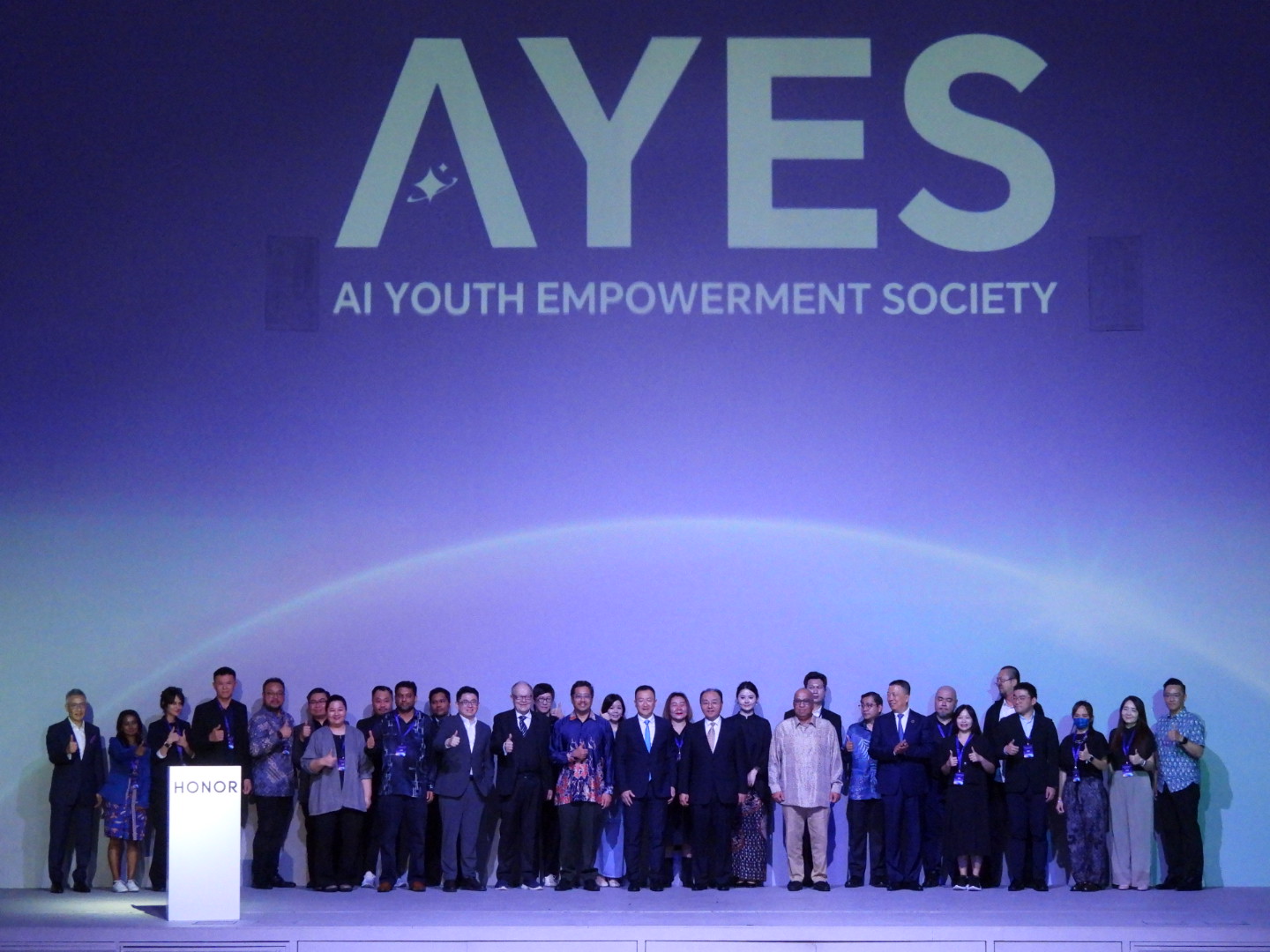
    HONOR has taken a significant leap in advancing youth-focused digital development with the launch of the AI + Youth Empowerment Society (AYES) at the inaugural HONOR AI + Design Summit 2025 (APAC Edition) in Malaysia. Positioned as a major milestone in strengthening AI literacy across the Asia-Pacific region, the initiative underscores the company’s commitment to equipping young people with the skills, creativity, and readiness needed to thrive in an increasingly AI-driven world.

    With more than 700 million young people living in APAC, the digital skills gap remains a pressing challenge. AYES aims to close this gap by uniting a powerful coalition of 25 founding members, comprising government agencies, universities, and industry leaders. Key partners include Malaysia’s National AI Office, Universiti Sains Malaysia (USM), China’s Central Academy of Fine Arts, Singapore’s Nanyang Academy of Fine Arts, and GSMA APAC. As the primary driving force behind the initiative, HONOR will oversee coordination and programme development to ensure impactful, region-wide implementation.

    According to Martin Xu, Senior Vice President of HONOR, the initiative represents more than a technological effort—it is an investment in the region’s future. Xu emphasized that empowering young people with AI and digital capabilities is crucial to driving economic growth and sustaining innovation across APAC. He also highlighted HONOR’s long-standing dedication to nurturing creative youth through initiatives like the HONOR Talents Design Competition, which has attracted over 35,000 creators from more than 40 countries.

    Xu further noted that the Asia-Pacific region remains a strategic growth partner for HONOR, and the company is committed to accelerating regional digital transformation through an open AI ecosystem. By promoting productivity, cross-industry innovation, and inclusive progress, HONOR envisions a future where AI and design synergize to uplift local talent and contribute to long-term development.

    The launch event drew over 200 scholars, industry experts, and young creators, along with tech media partners Amanz, Zing Gadget, and TechNave. The summit served as a dynamic platform for knowledge exchange, collaborative discussions, and the exploration of solutions tailored to meet the region’s evolving digital needs.

    In a highlight of the event, HONOR presented its first AYES Outstanding Contribution Award to renowned Malaysian designer Joseph Foo, recognising his influential role in championing youth empowerment and creative education. Through workshops, the HONOR Global Design Summit, and the Alpha Technology & Art Tour, Foo has mentored and inspired more than 10,000 young creators across APAC.

    The establishment of AYES marks a pivotal moment for the region, positioning HONOR at the forefront of youth-centric AI education and creative empowerment. As the initiative expands, it is set to play a transformative role in shaping the next generation of APAC talent poised to lead the future of AI, design, and digital innovation.

  • Emirates is accelerating its inflight innovation, announcing plans to equip 232 Boeing 777 and A380 aircraft with Starlink, making it the world’s largest international wide-body fleet with ultra-fast Wi-Fi onboard.

    Emirates is accelerating its inflight innovation, announcing plans to equip 232 Boeing 777 and A380 aircraft with Starlink, making it the world’s largest international wide-body fleet with ultra-fast Wi-Fi onboard.

    Emirates is set to redefine inflight connectivity as it becomes the largest international airline to deploy Starlink Wi-Fi across its entire in-service fleet. The rollout begins with Boeing 777 aircraft in November 2025, with full installation across 232 aircraft—including both Boeing 777s and Airbus A380s—scheduled for completion by mid-2027. Offering complimentary, ultra-fast, ground-like internet at cruising altitude, the enhancement reinforces Emirates’ long-standing commitment to delivering world-leading inflight connectivity and elevating the passenger experience.

    With Starlink onboard, customers will enjoy seamless streaming, gaming, calls, work productivity, and social media browsing throughout the flight—using both seatback screens and personal devices simultaneously. Emirates showcased its first Starlink-equipped aircraft, the Boeing 777-300ER (A6-EPF), at the Dubai Airshow, allowing visitors to experience the difference firsthand. After the event, A6-EPF will operate the airline’s first commercial flight equipped with Starlink, marking the beginning of an accelerated monthly installation pace of around 14 aircraft. Starlink installation on the A380 fleet will commence in February 2026.

    To ensure exceptional capacity and coverage, Emirates will install two antennae on each Boeing 777 and an industry-first three antennae on every Airbus A380—setting a new standard in aviation connectivity. The airline will also introduce Live TV over Starlink, first on personal devices and later on seatback screens from late December 2025. Importantly, Starlink Wi-Fi will be free for all passengers, with simple one-click access and no Skywards membership required.

    Sir Tim Clark, President of Emirates Airline, described the Starlink partnership as another milestone in the airline’s mission to ensure customers “fly better.” He highlighted that the introduction of the world’s fastest inflight Wi-Fi is part of Emirates’ larger fleet transformation, which includes its ambitious cabin refurbishment programme. This ongoing retrofit—one of the largest in aviation—features new Premium Economy cabins, an enhanced Business Class, refreshed First Class suites, upgraded entertainment systems, and refined cabin finishes across all classes. Sir Tim emphasized Emirates’ commitment to consistency, ensuring passengers enjoy the airline’s best products across the entire fleet, rather than on select routes or aircraft.

    Chad Gibbs, VP of Starlink Business Operations at SpaceX, added that customers will enjoy the same digital freedom in the air as they do on the ground, with the ability to stream, game, and video call effortlessly. He expressed excitement about transforming the Emirates travel experience while supporting rapid and high-quality Starlink installations.

    Starlink joins an extensive list of Emirates’ onboard innovations, including its award-winning ice entertainment system with more than 6,500 channels, the iconic A380 Onboard Lounge, and the exclusive First Class Shower Spa. The rollout also aligns with Emirates’ nearly 220-aircraft retrofit programme, with 76 refurbished aircraft already re-entering service with refreshed cabin designs and upgraded features.

    For more information about the Emirates retrofit programme, visit the airline’s media centre.

  • Canon Introduces “Think Big Klang Valley Series 2025” to Support Malaysian Businesses Thriving in the AI Era

    Canon Introduces “Think Big Klang Valley Series 2025” to Support Malaysian Businesses Thriving in the AI Era

    Canon Marketing Malaysia (Canon) successfully wrapped up the Think Big Klang Valley Series 2025 at Sheraton Petaling Jaya, a premier forum that brought together business leaders, policymakers, and innovators to explore how smart technologies can drive productivity, resilience, and sustainable growth in Malaysia’s digital-first economy. The event, themed “Future-Ready Malaysia: Innovation, Resilience, Growth,” marked the culmination of Canon’s nationwide Think Big 2025 series, following earlier editions in Johor Bahru, Penang, and Putrajaya.

    The forum featured a keynote address by YB Gobind Singh Deo, Minister of Digital, Malaysia, titled “Future Ready Malaysia, Unlocking ASEAN’s AI Advantages,” reinforcing the government’s commitment to accelerating Malaysia’s digital transformation and innovation agenda. Attendees also engaged in a fireside session and panel discussion, where thought leaders shared insights on how businesses can harness AI and automation to optimize performance, automate processes, and innovate sustainably in a rapidly evolving digital landscape. Key speakers included Dr. Jasmine Begum, Non-Executive Chairperson of MIMOS Berhad, and Alan Tan, Chief Economist of Affin Bank Group, who offered perspectives on Malaysia’s readiness for an AI-driven future and strategies for long-term business resilience.

    Norihiro Katagiri, Senior Vice President of Canon Singapore, shares his vision on how Canon’s latest imageFORCE series empowers businesses to innovate, enhance productivity, and move towards a future-ready Malaysia.

    Masato Yoshiie, President & CEO of Canon Marketing Malaysia, highlighted Canon’s ongoing commitment to supporting organizations of all sizes in unlocking efficiencies through AI, automation, and cloud-enabled solutions. “Through Think Big, we aim to empower businesses with the right tools and insights to think bigger, innovate faster, and create sustainable impact in a rapidly evolving economy,” he said. Vincent Low, Head of Business Imaging Solution Centre, Canon Marketing Malaysia, added that Malaysia’s growing leadership in AI and cloud innovation reflects a strong national commitment to a digital-first future, and Canon is proud to support enterprises with smart, scalable technologies that enhance workflows, efficiency, and operational resilience.

    Complementing the leadership discussions, Canon showcased its latest smart business solutions, including the launch of the imageFORCE multi-function device (MFD) series, Canon’s next-generation system designed for AI-assisted smart maintenance, intelligent data capture, and predictive analytics to maximize uptime and operational efficiency. Built on four pillars—Security, Reliability, Connectivity, and Sustainability—the imageFORCE series supports smarter, more responsible operations and integrates advanced security and cloud capabilities to facilitate seamless collaboration across hybrid work environments.

    Masato Yoshiie, President & CEO of Canon Marketing Malaysia, welcomes guests to Canon’s “Think Big” event at Sheraton Petaling Jaya, setting the stage for an inspiring showcase of innovation and business transformation.

    The Think Big Klang Valley Series 2025 reaffirmed Canon’s role as a trusted partner to Malaysian businesses, providing actionable insights and technologies that enable enterprises to innovate, adapt, and thrive. As part of the Think Big Leadership Business Series, an initiative launched in Singapore in 2010, Canon continues to inspire business leaders to navigate a fast-evolving landscape, demonstrating how innovation and technology can drive sustainable growth while preparing Malaysia for a future-ready, digital-first economy.